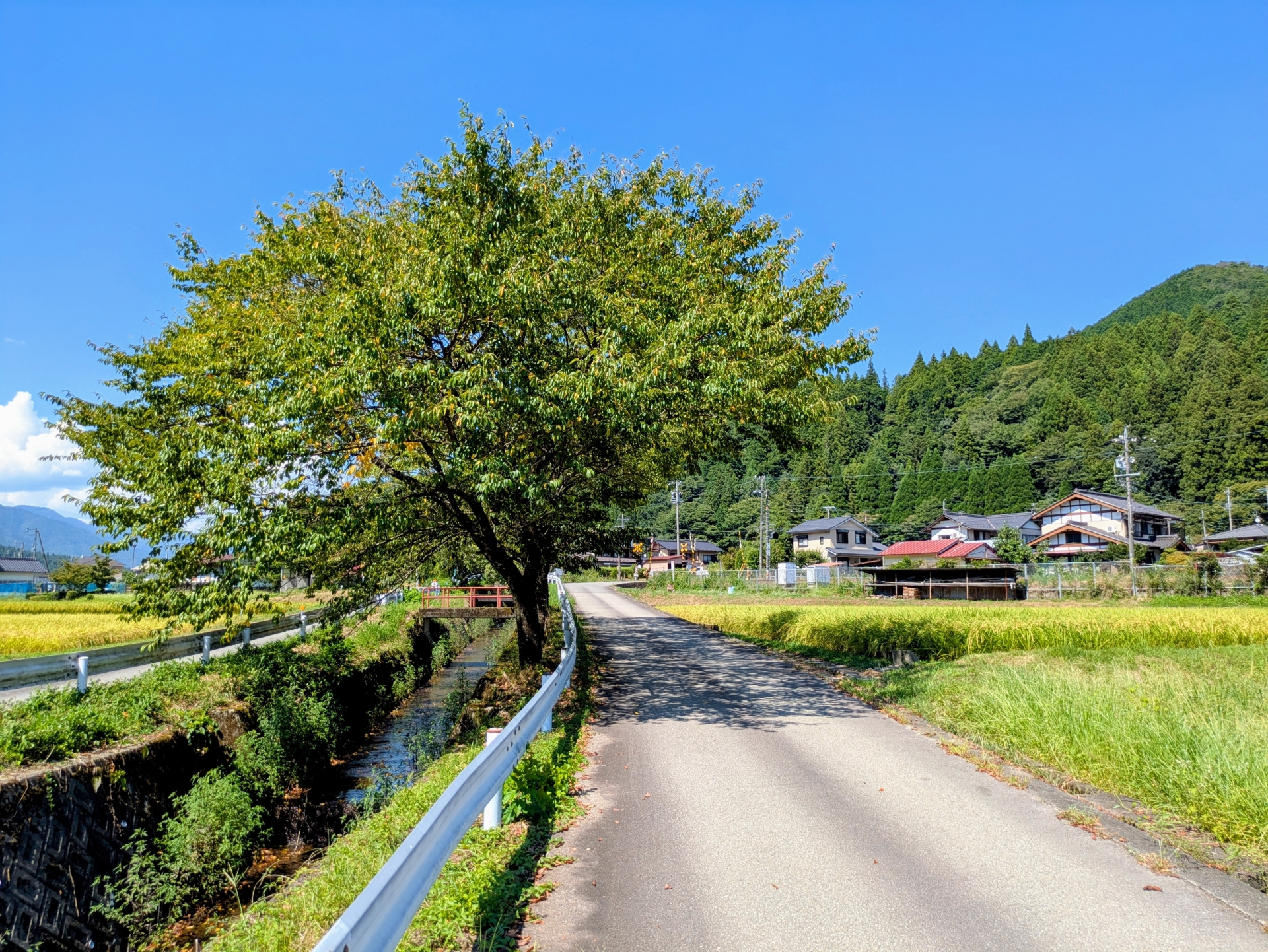
The Truth About 'Hidden Gems' in 2025
Look, I’ll be honest with you: I fell for it too. Last year, I saw a video of a 'deserted' moss forest in Kyushu that looked like a Ghibli movie come to life. I spent six hours on trains and buses to get there, only to find a line of forty people waiting to take the exact same photo. It’s the 2025 reality—if it’s on your 'Explore' page, it’s already crowded. The influx of international tourists has shifted from the 'Golden Route' (Tokyo-Osaka-Kyoto) into the deep countryside, and while it's great for the local economy, it has made that 'quiet local experience' much harder to find. I’ve realized that the 'hidden gems' being sold to us by influencers are often just the next spots on a commercialized checklist. In 2025, we've seen major changes, like the barriers at popular Mt. Fuji photo spots and new entry fees for certain districts in Kyoto. These aren't just 'rules'; they are signs that the old way of traveling Japan is broken.nnNow, I’ve changed my entire approach. Instead of searching for 'top things to do,' I look for what the locals are doing on a random Tuesday. I’ve started booking small-group walking tours that focus on history rather than aesthetics. For these, I usually head over to Klook
Best for Culture
Klook Local Experiences
They offer vetted, small-group tours that focus on rural sustainability rather than just photo ops.
Find Quiet Tours
because they’ve started vetting 'low-impact' tours that actually respect the local community while getting you away from the massive coach buses. I remember a day in a small town near Kanazawa where I was the only foreigner simply because the town didn't have a 'famous' bridge or temple. I spent three hours talking to a sake brewer through a translation app. We talked about the water quality, the history of his family, and how the climate is changing the rice harvest. That interaction was worth more than a thousand perfectly framed photos. The lesson I learned? If you want the 'Real Japan,' you have to stop looking for the 'Perfect Japan.' Authenticity is messy, quiet, and usually doesn't have a dedicated hashtag. It’s found in the steam of a neighborhood ramen shop where the owner doesn't speak English but knows exactly how you like your noodles.
Why Your Feed is Lying to You
Social media algorithms prioritize high-contrast, visually stunning locations. This creates a feedback loop where everyone goes to the same five spots in a rural prefecture, leaving the rest of the region empty. I’ve found that by simply walking twenty minutes away from a 'viral' station, the crowds disappear. I now use Google Maps in Japanese to find parks and shrines that don't even have English reviews yet—that's where the magic is. It's about the journey, not the geotag. When you stop viewing Japan as a series of photo ops and start seeing it as a living, breathing culture, the overtourism problem starts to fade away for you personally.
My Hacks for Finding Actual Peace
If you really want to escape the 2025 crowds, you have to be willing to break the 'traveler's logic.' For me, that meant moving my travel schedule to the middle of the week. I stayed in a beautiful Ryokan in the Kiso Valley on a Wednesday, and it felt like I owned the village. The air was crisp, the only sound was the rushing river, and I could walk the Nakasendo trail without bumping into a single tour group. When I returned through the same area on a Saturday, it was unrecognizable. The weekend crowd isn't just tourists; it's domestic travelers from Tokyo and Osaka looking for their own escape. This 'weekend surge' is something many international visitors forget to account for.nnAnother hack I swear by is the 'Second-Tier City' rule. Instead of staying in Takayama, which has become incredibly dense with visitors, I stayed in Furukawa, just a short train ride away. It has the same beautiful canals and white-walled storehouses but a fraction of the noise. Instead of Hakone, I went to Shuzenji on the Izu Peninsula. Shuzenji offers the same high-quality hot springs and traditional architecture but without the 'tourist tax' on your sanity. I’ve also stopped trying to 'wing it' with accommodation. In 2025, even the tiny guesthouses are booked months in advance by savvy travelers. I’ve found that booking my base in a slightly larger, less 'famous' city and commuting out is the best way to save money and stress. I always check Expedia
Best for Comfort
Expedia Boutique Stays
The best way to find high-end hotels in secondary cities that haven't been 'overrun' yet.
Search Secondary Cities
for those boutique hotels in places like Morioka or Matsue. These cities are large enough to have great amenities—like incredible local craft beer scenes and modern shopping—but small enough that you aren't fighting for a seat at a ramen shop. Plus, the service feels much more personal when the staff isn't exhausted by a constant stream of thousands of visitors every single day. You get to see the 'salaryman' side of Japan, the real daily life that makes the country so fascinating.
How I Book My Stays Without the Drama
Planning a trip in 2025 requires a bit of 'investigative' work. I’ve moved away from the big travel blogs and started looking at local municipality websites. Often, rural towns have their own booking portals for 'Minshuku' (family-run B&Bs) that don't even appear on the major global sites. It takes a bit more effort—and a lot of Google Translate—but the reward is a room in a 200-year-old farmhouse where you’re treated like a guest, not a transaction. You’ll eat home-cooked meals made with vegetables from the garden and sleep on thick futons that smell like fresh tatami. I also prioritize regions that are currently 'unfashionable.' Everyone is heading north to Hokkaido or south to Okinawa right now. Meanwhile, the San'in coast or the middle of Kyushu remains relatively tranquil. I’ve put together a quick comparison of where everyone is going versus where I actually found peace this year.nnThe reality of 2025 is that the 'Golden Route' is more of a 'Golden Crowd.' By choosing the alternative, you aren't missing out; you're gaining a version of Japan that most people only see in old movies. It's about finding the beauty in the mundane—a local supermarket where you can find seasonal fruits, a neighborhood bathhouse (Sento) where the locals gather to gossip, or a quiet train ride through the mountains where the conductor still bows to the carriage. These are the moments that stick with you long after the photos of the Fushimi Inari gates have been buried in your camera roll. Don't be afraid to use regional rail passes instead of the national JR Pass, as they often cover the private lines that take you into these quieter corners. The San'in-Okayama Area Pass, for example, is a steal compared to the national version and opens up a whole world of coastal beauty that most tourists never see.
| The 'Viral' Spot (Crowded) | The Savvy Alternative (Quiet) |
|---|---|
| Kyoto Arashiyama | Uji or Ohara |
| Hakone Onsen | Shuzenji or Ito |
| Shirakawa-go | Tono (Iwate Prefecture) |
| Nara Park | Miyajima (Early Morning/Late Night) |
| Mt. Fuji (Kawaguchiko) | Lake Yamanaka or Shizuoka side |