The FOMO Trap: Why We Wait for Ramen We Don't Even Like
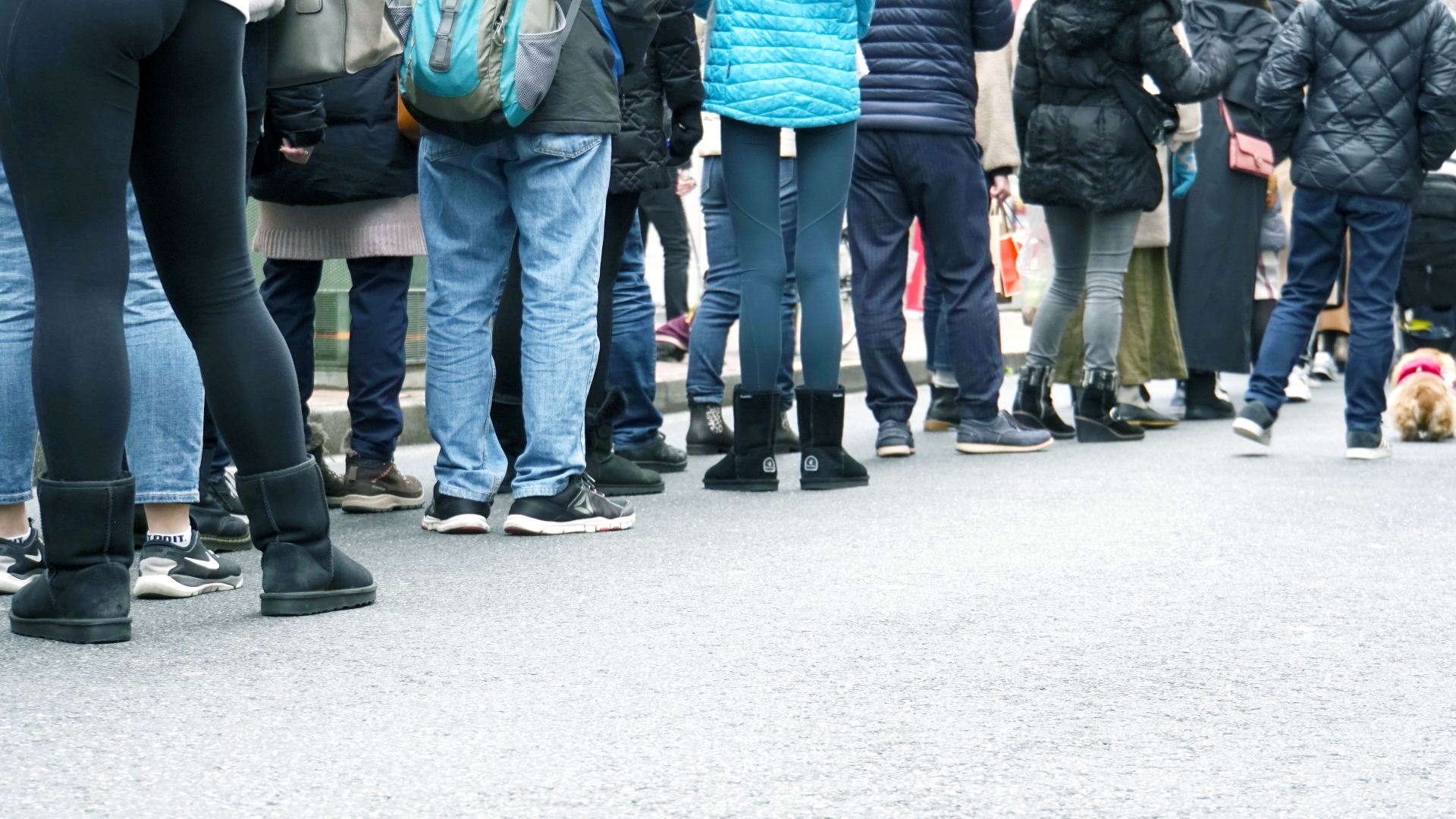
I’ll never forget my second trip to Tokyo. I spent two hours standing in a concrete stairwell in Shinjuku, shivering, just for a bowl of 'viral' tsukemen. When I finally sat down, I was so exhausted and hangry that I inhaled the noodles in ten minutes. Was it good? Sure. Was it 'two hours of my life' good? Not even close. We often fall into the trap of thinking that a long line is a guarantee of quality. In 2025, with overtourism peaking in hubs like Kyoto and Tokyo, these lines are often just a result of one TikTok video going viral, not necessarily superior broth. I’ve realized that my time in Japan is worth more than the 'clout' of eating at a famous spot. The psychological pressure to visit 'the best' place often blinds us to the fact that Japan's baseline for food is incredibly high. Even a random shop in a basement will likely serve better ramen than your hometown's best spot. Now, I use smart booking tools to secure my spot ahead of time.
Blogger's Choice
Klook Food & Culture Tours
The best way to skip the lines is to have a local guide who has already booked the table for you. I used this in Osaka and ate like a king without waiting once.
Book a Food Tour
This allows me to actually enjoy the city rather than seeing it from the back of someone else's head. I've learned to value my energy levels over a photo of a specific bowl. When you spend two hours in line, you aren't just losing time; you're losing the physical energy required to explore the next shrine or museum. The 'viral' spots are often optimized for aesthetics rather than the soul-warming experience of a traditional meal. I've seen tourists wait 90 minutes for a rainbow-colored grilled cheese while a 100-year-old soba shop next door sat empty. It's a strange phenomenon where we trust an algorithm more than our own senses. Breaking free from this cycle was the best thing I ever did for my travel sanity. By choosing the path less traveled, I've discovered flavors that haven't been diluted by the need for mass production to satisfy a never-ending queue.
The 20-Minute Rule I Live By
If the line looks longer than 20 minutes and there's no digital queue system (like AirWait), I walk away. Japan is a culinary wonderland where even the 'average' shop is better than the best shop in many other countries. I've found that wandering just two blocks away from the 'Insta-famous' street usually leads me to a family-run shop where the grandmother is still in the kitchen and the gyoza is life-changing. I call this the 'Parallel Street Theory'—the quality stays high, but the crowd disappears. Trust your nose, not just your feed. Think about it: a shop with a 2-hour line is under immense pressure to turn tables quickly. The staff is stressed, the atmosphere is rushed, and you feel the weight of the people waiting outside. Contrast that with a quiet neighborhood spot where you can actually savor the dashi and maybe even exchange a few words with the chef. That connection is what travel is actually about. In 2025, the real luxury isn't the 'famous' bowl; it's the peaceful meal that feels like a discovery. I've started looking for shops that don't even have an English menu—that's usually a sign that they haven't been 'discovered' by the influencer wave yet. Using a simple translation app is a small price to pay for an authentic, line-free experience. Plus, these local spots often use seasonal ingredients that the high-volume tourist spots can't afford to source consistently. You get a better meal, a better price, and you get your afternoon back.
Secrets to Skipping the Line Like a Local
One of the best hacks I’ve learned is to embrace the 'off-peak' lifestyle. Most tourists eat lunch at 12:30 PM and dinner at 7:00 PM. If you can shift your clock by just 90 minutes, you enter a different world. I now aim for a heavy brunch at 10:30 AM or an early 'linner' at 4:00 PM. Not only do the lines vanish, but the staff is often more relaxed and willing to chat. Another pro tip: look for shops inside department store basements (Depachika) or 'Ramen Streets' inside major stations. While they sound touristy, they often host branches of famous shops with much faster turnover. These locations are designed for efficiency and high volume, meaning you get the same recipe with a fraction of the wait. I also recommend checking out the upper floors of major department stores like Isetan or Daimaru. They often have high-end restaurants that are surprisingly accessible during the mid-afternoon. To make this work, I always recommend staying in a central location so you can easily drop back to your hotel when you're in a 'food coma.'
Savvy Traveler Tip
Expedia Hotel Search
Staying near culinary hubs like Tsukiji or Dotonbori allows you to beat the morning rush before the day-trippers arrive.
Find Central Hotels
Having a home base near a major station like Ueno or Namba makes these off-peak dining runs incredibly easy. You can pop out for a quick bowl of udon at 3:00 PM and be back in your room for a nap before the evening rush. Another secret is the 'Business District' rule. Areas like Marunouchi or Nihonbashi are packed during lunch but ghost towns on weekends or late evenings. You can find world-class sushi in these areas that would have a massive line in Shibuya, but here, you can walk right in. It's all about understanding the flow of the city. Locals don't wait in 2-hour lines for lunch; they have jobs to get back to. If you see a line of people in suits, it moves fast. If you see a line of people with backpacks, it's going to be a long afternoon. Follow the suits for efficiency and the grandmas for the soul.
Is the Wait Ever Actually Worth It?
I'm not saying you should *never* wait. There are specific experiences—like a specialized Omakase or a 100-year-old Unagi shop—where the craft justifies the patience. However, you need to weigh the 'opportunity cost.' In the two hours you spend waiting for a $15 bowl of ramen, you could have visited a hidden shrine, explored a local craft market, or taken a short train ride to a nearby town like Kamakura or Nara. I've built a comparison to help you decide when to stay and when to stray. My rule of thumb? If there are more than 15 people in line and they are all holding smartphones with the same Instagram reel open, it's a tourist trap. If the line is full of Japanese salarymen looking at their watches, it's probably worth 15 minutes of your time. The real 'secret' of 2025 is that the quality of food in Japan is so consistently high that the difference between the #1 ranked shop and the #100 ranked shop is often indistinguishable to the average palate. Why suffer for a 5% increase in flavor when you lose 100% of your afternoon? I've had life-changing meals in train stations and convenience stores. The obsession with 'the best' is the enemy of 'the great.' When you stop chasing the viral spots, the city opens up to you in a completely different way. You start noticing the small details, the smell of the incense from a nearby temple, or the sound of a local artisan at work. These are the memories that stick with you, not the time you spent staring at the back of a stranger's jacket in a queue. Choose your battles wisely, and remember that every hour in Japan is a gift. Don't spend it standing on a sidewalk.
| Scenario | Wait Time | Blogger's Verdict |
|---|---|---|
| Viral 'Rainbow' Food | 45+ Mins | Skip it. It's for the photo, not the flavor. |
| Michelin-Starred Ramen | 60+ Mins | Only if you have a digital reservation. |
| Local 'Salaryman' Sushi | 15 Mins | Absolute GO. This is where the real soul is. |
| Department Store Branch | 20 Mins | Safe Bet. High quality, efficient service. |
| Station 'Standing' Soba | 0 Mins | The ultimate hack for a quick, delicious fix. |