The Day I Leaned In For a Hug and Everything Went Wrong
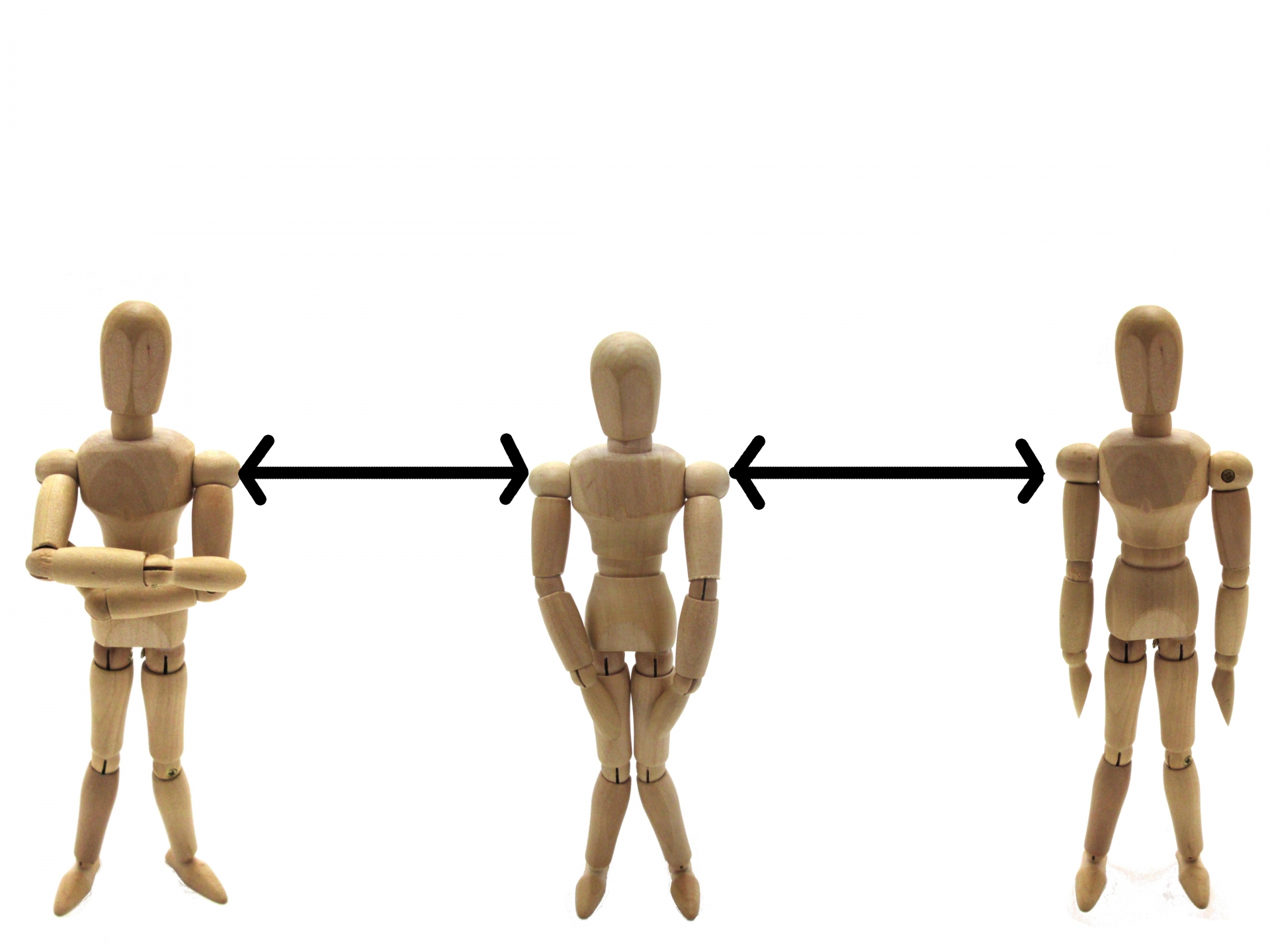
I’ll never forget my first trip to Osaka. The humidity was thick, the neon lights were buzzing, and I was meeting a local friend I’d talked to online for months. In my world, a meeting like that warrants a big, enthusiastic hug. As I stepped off the Shinkansen and saw him, I went in for the 'full squeeze.' The result? He literally took a step back, his eyes widened, and he gave a quick, panicked bow that nearly resulted in us bumping heads. It was the most 'gaijin' (foreigner) moment of my life. I realized right then that my definition of 'friendly' was his definition of 'invasive.' In Japan, the 'invisible bubble' is a real, tangible thing. It’s not that people are unfriendly—far from it—but they show their warmth through attention to detail, polite language, and the physical distance they maintain to ensure you don't feel crowded. Coming from a high-contact culture, this was a massive adjustment for me. I had to train myself to keep my hands to myself and use my eyes and head to convey warmth instead. This is especially true in 2025, where even though the world has fully opened up, that cultural preference for distance remains a cornerstone of Japanese social harmony. To help me handle these social nuances and keep my maps updated so I never look lost while trying to figure out where to stand, I always make sure I have a reliable data connection. I highly recommend picking up a local eSIM or a portable WiFi device before you even leave the airport.
Traveler's Choice
Klook Japan eSIM / WiFi
Essential for looking up etiquette on the fly and using translation apps to handle social situations.
Check Data Plans
It saved me from wandering into the wrong 'zone' more times than I can count. Getting around the streets of Tokyo or Kyoto requires you to be 'plugged in' so you can focus more on the people around you and less on your paper map. Beyond just maps, having data allows you to quickly look up the specific etiquette for a shrine or a high-end restaurant on the fly. It’s the ultimate shortcut to feeling like you actually belong in the space rather than just intruding on it. I’ve found that when I’m not stressed about where I am, I’m much better at 'reading the air' and respecting the physical boundaries of those around me.
Why the Bow is Your Best Friend
The bow isn't just a formal ritual; it's a multi-tool for social survival. A small 15-degree tilt of the head says 'hello,' 'thank you,' and 'sorry' all at once. I found that once I started bowing instead of reaching for a hand, the tension in my interactions vanished. It creates a comfortable buffer zone. You aren't just showing respect to the other person; you're respecting their space. In 2025, you'll see younger Japanese people occasionally using a 'wave' or a small hand gesture, but the bow remains the gold standard. I’ve learned that the deeper the bow, the more respect it shows, but for 99% of your tourist interactions—buying a coffee, checking into a hotel, or asking for directions—a simple, polite nod is plenty. It feels strange at first, almost like you're being too formal, but trust me, it makes everyone around you feel much more at ease. It’s about creating a shared sense of comfort.
The Handshake Dilemma and the 'Soft Grip' Secrets
So, what happens when someone actually reaches out to shake your hand? It happens more often in 2025, especially in business-heavy areas like Marunouchi or tourist hubs like Shinjuku. But here is the secret: the Japanese handshake is nothing like the 'firm, bone-crushing' grip we're taught in the West. I remember meeting a hotel manager who offered his hand. I gave it my usual firm squeeze, and I could practically feel his discomfort. In Japan, if a handshake occurs, it’s often very light—almost limp by Western standards. It’s a hybrid gesture, a concession to international norms. My advice? Let them initiate. If they put their hand out, meet it with a gentle touch, not a grip. And whatever you do, don't try to do the 'hug-pat' on the shoulder. That’s a level of intimacy that usually takes years of friendship to reach. Even after living here for stretches, I still find that a simple 'Konichiwa' with a slight bow is the most 'pro' way to handle a greeting. It shows you've done your homework and you're willing to meet them on their cultural ground. After a long day of dealing with these social complexities, I always value having a comfortable, private space to retreat to. Finding a hotel that understands international needs while maintaining that Japanese peace is key.
Best Selection
Expedia Tokyo Hotels
Book a spacious retreat to relax after a day of dealing with Tokyo's dense social landscape.
Find My Hotel
I always look for spots that offer a bit of extra room, as Japanese hotel rooms can be famously 'cozy,' and having that extra square footage helps me decompress from the sensory-heavy streets of Tokyo. Having a sanctuary where you don't have to worry about 'reading the air' is vital for avoiding travel burnout. I’ve found that the best hotels in 2025 are the ones that bridge the gap between Japanese minimalism and Western comfort, giving you enough space to actually stretch out your arms without hitting a wall. It’s the perfect way to recharge your social battery before heading back out into the polite, distant, and beautiful world of Japanese public life.
The Truth About the Crowded Train Paradox
You might be wondering: 'If Japanese people love personal space, why am I being squashed like a sardine on the Yamanote Line?' This is the great Japanese paradox. In a crowded train, the rules of personal space are temporarily suspended out of necessity. However, even when you are pressed up against five strangers, the 'social' distance remains. People will avoid eye contact at all costs, they won't talk, and they certainly won't touch you with their hands if they can help it. I used to find this incredibly cold, but now I see it as a form of kindness. By ignoring each other, they are giving each other the only 'space' available: mental space. I learned to mimic this. Don't look at people, don't try to start a conversation in a packed elevator, and keep your backpack in front of you so it doesn't bump into others. It’s about being 'invisible' in a crowd. This 'civil inattention' is a vital skill for any traveler in 2025. If you accidentally bump into someone, a quick 'Sumimasen' (excuse me) with a tiny nod is all you need. Don't make a big deal out of it; in Japan, drawing attention to a mistake is often worse than the mistake itself. The goal is to maintain the flow of the crowd without causing a ripple. You'll notice that even in the most packed stations like Shinjuku, there is a rhythmic flow to the movement. By keeping your head down and your movements predictable, you become part of that flow. It’s a silent agreement that everyone makes to keep the city moving. It’s not about being unfriendly; it’s about being efficient and respectful of the collective experience.
| Situation | What We Do (West) | What to Do (Japan) |
|---|---|---|
| Meeting a Friend | Hug or High-five | Wave or 15-degree bow |
| Asking for Help | Touch shoulder/arm | Keep 3 feet distance, say 'Sumimasen' |
| Saying Goodbye | Handshake/Hug | Slight bow while backing away |
| In an Elevator | Small talk | Silence and eye contact with the floor |