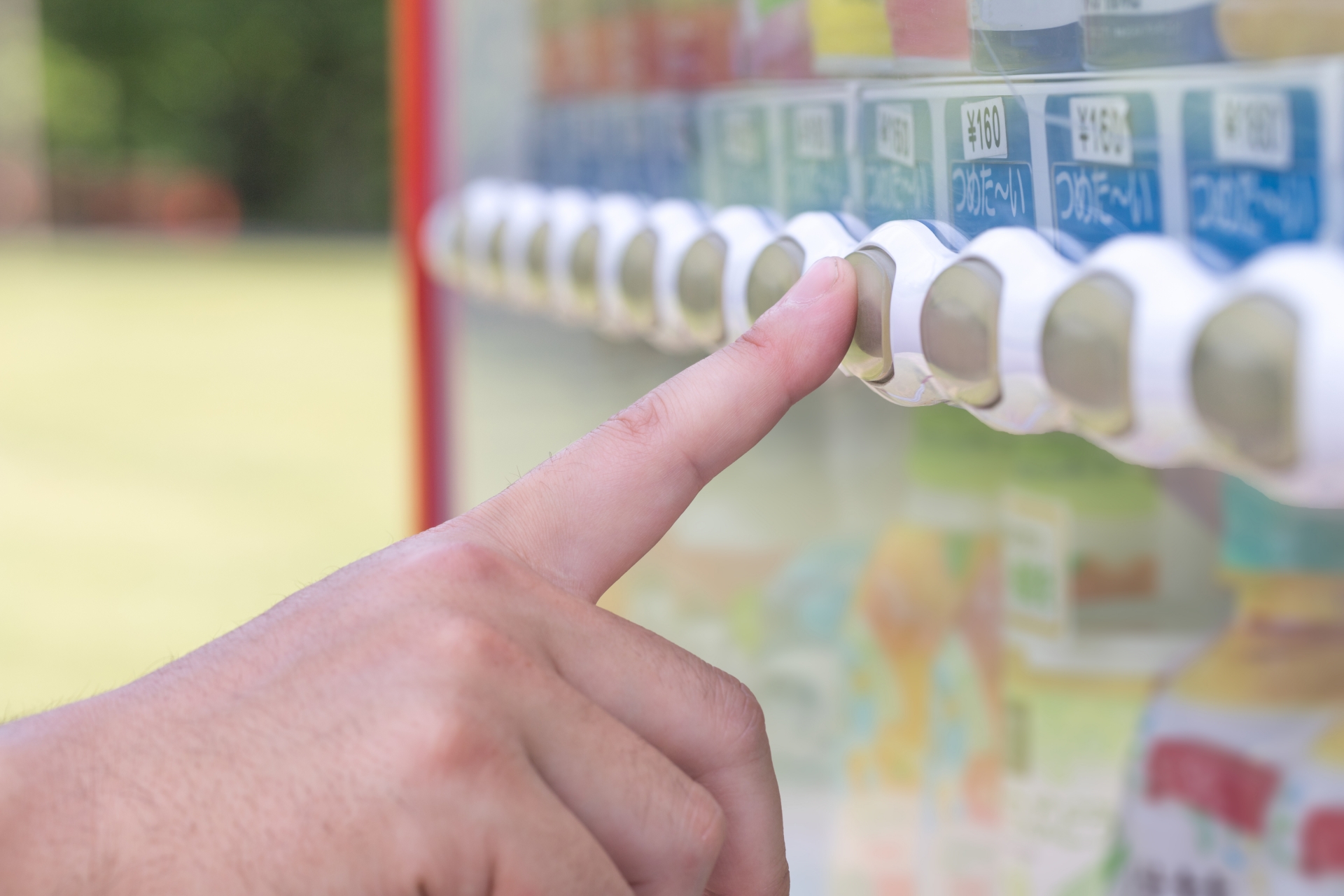
The Colorful Chaos of Japanese Vending Machines
I remember my first week in Osaka back in 2024. I was exhausted from walking 20,000 steps and saw a bright blue can that looked like a refreshing, low-calorie sports drink. It turned out to be a carbonated sugar bomb that left me crashing an hour later right in the middle of a temple tour. It was a wake-up call. Japan’s vending machines are everywhere—literally every 12 meters in some cities—and they are designed to be eye-catching. In 2025, as someone who watches my caffeine and sugar intake, I’ve realized that 'eye-catching' often means 'sugar-laden.' The struggle is real when you're thirsty, tired, and can't read the fine print on a can of 'Craft Boss' or 'Pocari Sweat.' You see these machines glowing at every corner, beckoning with neon colors, but without a plan, you're just playing a guessing game with your energy levels.
Why Your Health Goals Might Suffer
The biggest issue isn't just the sugar; it's the lack of English nutritional labeling. While the icons for hot (red) and cold (blue) are universal, the nutritional info is almost always in Japanese. I've seen fellow travelers accidentally grab 'Black' coffee that actually contains milk and sugar because they didn't see the tiny '微糖' (slightly sweet) kanji. To stay connected and use translation tools effectively to avoid these traps, I always recommend grabbing a reliable eSIM or pocket WiFi before you even leave the airport
Travel Essential
Japan Pocket WiFi & eSIM
Essential for using translation apps to decode vending machine labels on the go.
Check Rates on Klook
. Having that data connection allows you to use Google Lens to scan labels in real-time, which has saved my energy levels more times than I can count. It's the difference between a refreshing afternoon and a jittery, sugar-induced headache.
Decoding the Label: Kanji Hacks for the Health-Conscious
I spent way too much time staring at cans until I finally memorized the 'Big Three' kanji: 砂糖 (Sugar), カロリー (Calories), and カフェイン (Caffeine). If you see 'ゼロ' (Zero), you're usually safe, but you have to be careful with '無糖' (No sugar) versus '微糖' (Low sugar). In my experience, 'Low Sugar' in Japan can still feel quite sweet to a palate used to Western black coffee. I also learned the hard way about 'Energy Drinks.' In Japan, these are often sold in small glass bottles and are packed with more caffeine and taurine than your average Red Bull. Brands like Lipovitan D or Yunker are staples for salarymen, but if you aren't careful, you'll be staring at your hotel ceiling at 3 AM wondering why you're so wired. It's also worth noting that 'Sours' or fruit-flavored waters often contain high-fructose corn syrup, even if the packaging looks 'natural' or 'healthy.'
My 'Safe List' for 2025 and Beyond
When I'm in a rush and don't want to play 'Vending Machine Roulette,' I stick to the classics. Green tea (O-cha), Barley tea (Mugi-cha), and Oolong tea are almost always zero-calorie and unsweetened. Mugi-cha is my personal favorite because it’s caffeine-free and has a toasted flavor that’s incredibly refreshing in the humid Japanese summer. If you're looking for something functional, look for the 'Tokuhou' seal—a gold logo of a person with their arms up. This indicates 'Food for Specified Health Uses,' meaning the drink has a government-certified health benefit, like blocking fat absorption or aiding digestion. These are usually found in the more modern machines near office buildings. To ensure you have a comfortable base where you can store your healthy finds from local supermarkets, I suggest booking a hotel with a mini-fridge near a major station
Savvy Choice
Tokyo Hotels with Kitchenettes
Stay healthy by storing fresh drinks and snacks from local grocery stores.
Find Hotels on Expedia
.
| Drink Type | Health Profile | Savvy Tip |
|---|---|---|
| Mugi-cha (Barley Tea) | Caffeine-free & 0 Cal | Best for hydration without the jitters. |
| Black Coffee (ブラック) | 0 Cal, High Caffeine | Ensure it says 'Black' to avoid hidden milk. |
| Tokuhou Tea (特保) | Functional & 0 Cal | Helps with digestion; look for the gold seal. |
| Sports Drinks | High Sugar/Electrolytes | Avoid unless you are doing serious hiking. |