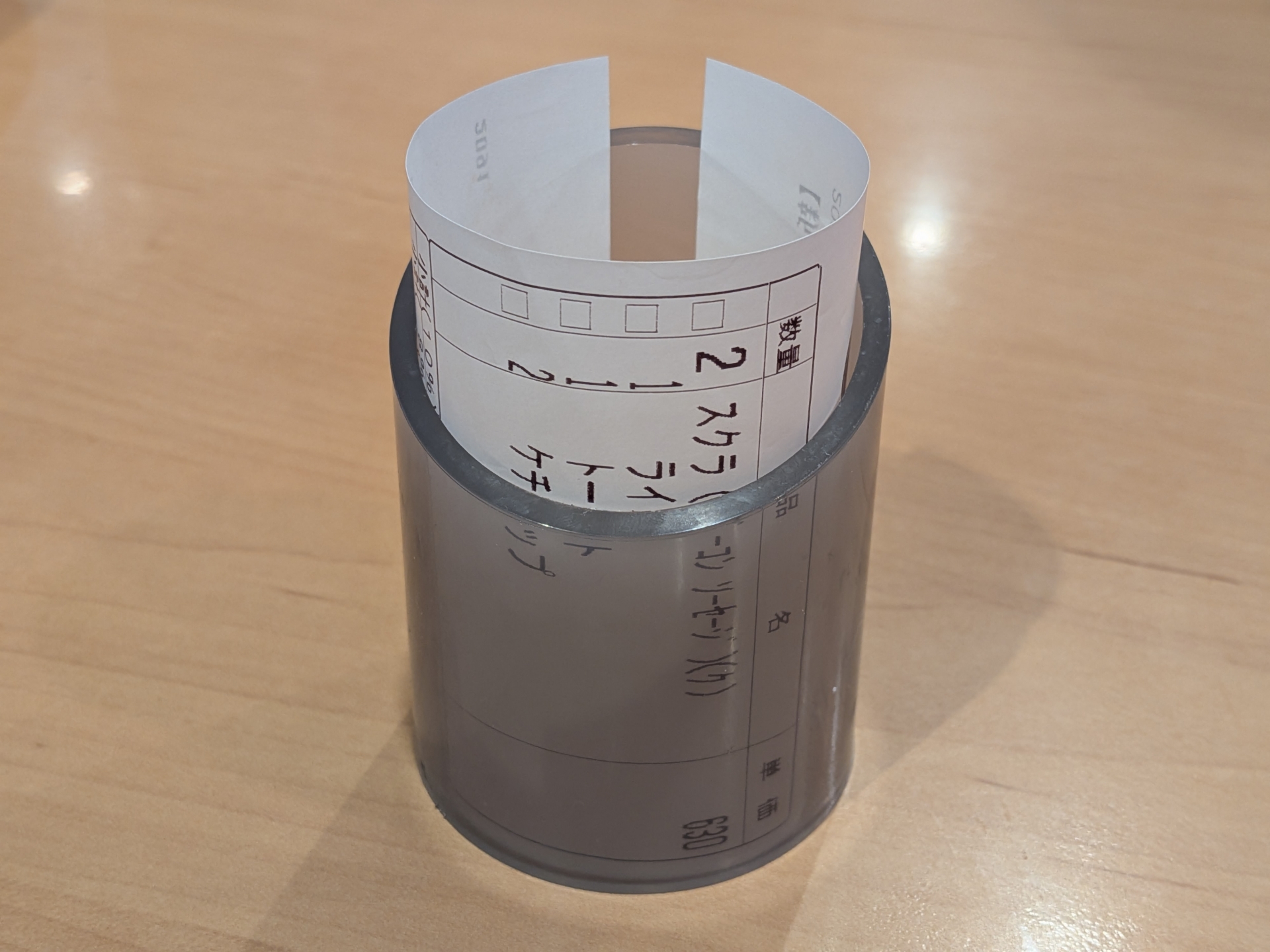
The 'Secret' Slip: My First Awkward Encounter
I still remember my first week in Tokyo. I was sitting in this adorable little kissaten (an old-school cafe) in Jimbocho, surrounded by towers of used books, nursing a black coffee and a thick slice of honey toast. I finished my meal, put my book away, and sat there. And sat. And sat. I kept trying to catch the waiter's eye to do that universal 'scribble in the air' gesture for the check, but he just smiled and went about his business. I felt like I was being ignored! It wasn't until I saw a local businessman stand up, grab a tiny plastic clipboard from the edge of his table, and walk toward the door that the lightbulb finally went off. In most casual Japanese spots, the 'bill' is actually already at your table from the moment your last item is served. It’s usually a small slip of paper (denpyo) tucked into a leather folder or a plastic stand. You don't wait for the server to bring it; you take it to the register yourself on the way out. I'll be real with you, having a reliable internet connection to look up these little cultural quirks in real-time saved my ego more than once. I always make sure to have my connectivity sorted with an eSIM before I even leave the airport
Travel Essential
Japan eSIM & Wi-Fi
Stay connected to look up etiquette and use translation apps on the go.
Get Your eSIM
. It’s a total game-changer for those 'wait, what do I do now?' moments when you're staring at a piece of paper wondering if it's a receipt or a menu.
How to Spot the 'Pay-at-Counter' Signs
Look for a cash register (kaikei) near the entrance. If you see one with a little tray for money, that is your destination. Also, if your order was placed via a tablet at the table, there is often a 'Check Out' button that gives you a final total, but you still usually need to take a physical card or the tablet itself to the front counter to actually process the payment. In 2025, some places even have self-checkout machines where you scan the barcode on your slip yourself.
When the Rules Flip: The Table Service Exception
Just when I thought I had it all figured out, I went to a slightly fancier Izakaya in Ebisu and tried to walk to the door with my slip. The server practically sprinted to stop me, gently gesturing for me to sit back down. Talk about embarrassing! Here is the savvy rule of thumb: if the place feels 'upscale,' or if it’s a traditional Ryotei or a high-end sushi spot, you pay at the table. In these settings, you catch the server's eye and say 'O-kaikei kudasai' (Check, please) or make an 'X' with your index fingers—the universal Japanese sign for 'the bill.' They will bring a folder to your table, you place your card or cash inside, and they take it away to process it. This is also common in many hotel restaurants where the service is more formalized. I’ve found that staying in well-located, reputable hotels makes it easier to practice these interactions because the staff is so used to helping international guests. I usually book my Tokyo stays through Expedia to ensure I’m in a spot with great service
Best Stays
Top-Rated Tokyo Hotels
Experience world-class service and get local advice from expert concierges.
Browse Hotels
. It really helps to have a 'home base' where you can ask the concierge about the payment customs of a specific neighborhood before you head out for dinner. They can tell you if that local spot you found on Instagram requires cash or if they've joined the 2025 cashless revolution.
A Quick Cheat Sheet for 2025 Travelers
Japan is this wild mix of high-tech automation and deep-rooted tradition, so you'll see a variety of payment styles. In 2025, the 'vending machine' style (common in ramen shops) is still going strong, where you pay before you even sit down. Then there are the new 'contactless' cafes where you scan a QR code on your phone to pay before you leave. I've put together a quick comparison to help you identify where you are so you can focus on the food instead of the logistics.
| Venue Type | Payment Location | The Visual Cue |
|---|---|---|
| Ramen/Fast Food | Vending Machine | Machine at the entrance |
| Family Restaurants | Front Register | Paper slip in a plastic holder |
| Traditional Izakaya | Table | No register visible at front |
| Modern Cafes | Counter/App | Order and pay at the same time |