Fukushima
Welcome to Tsuruga Castle
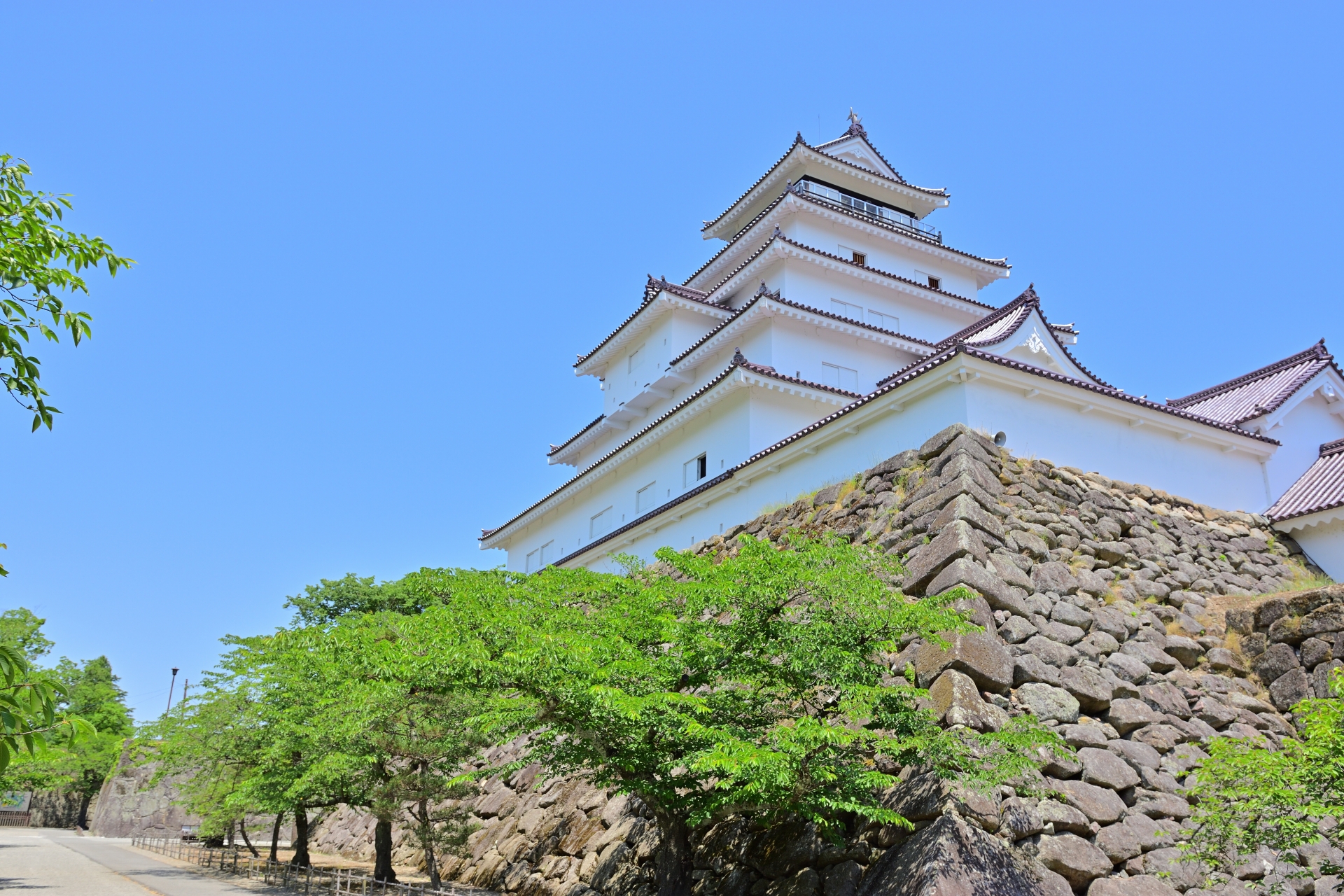
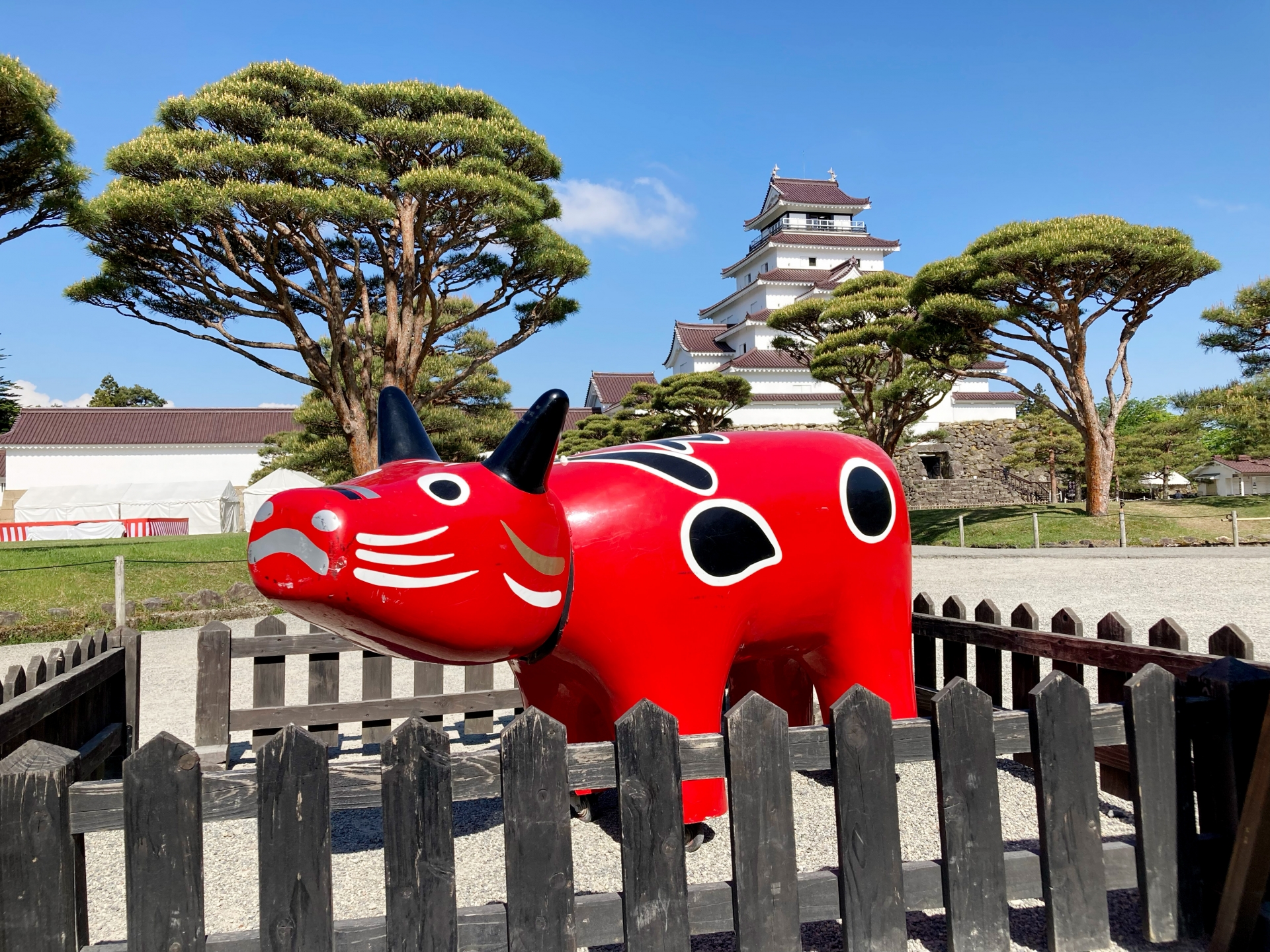
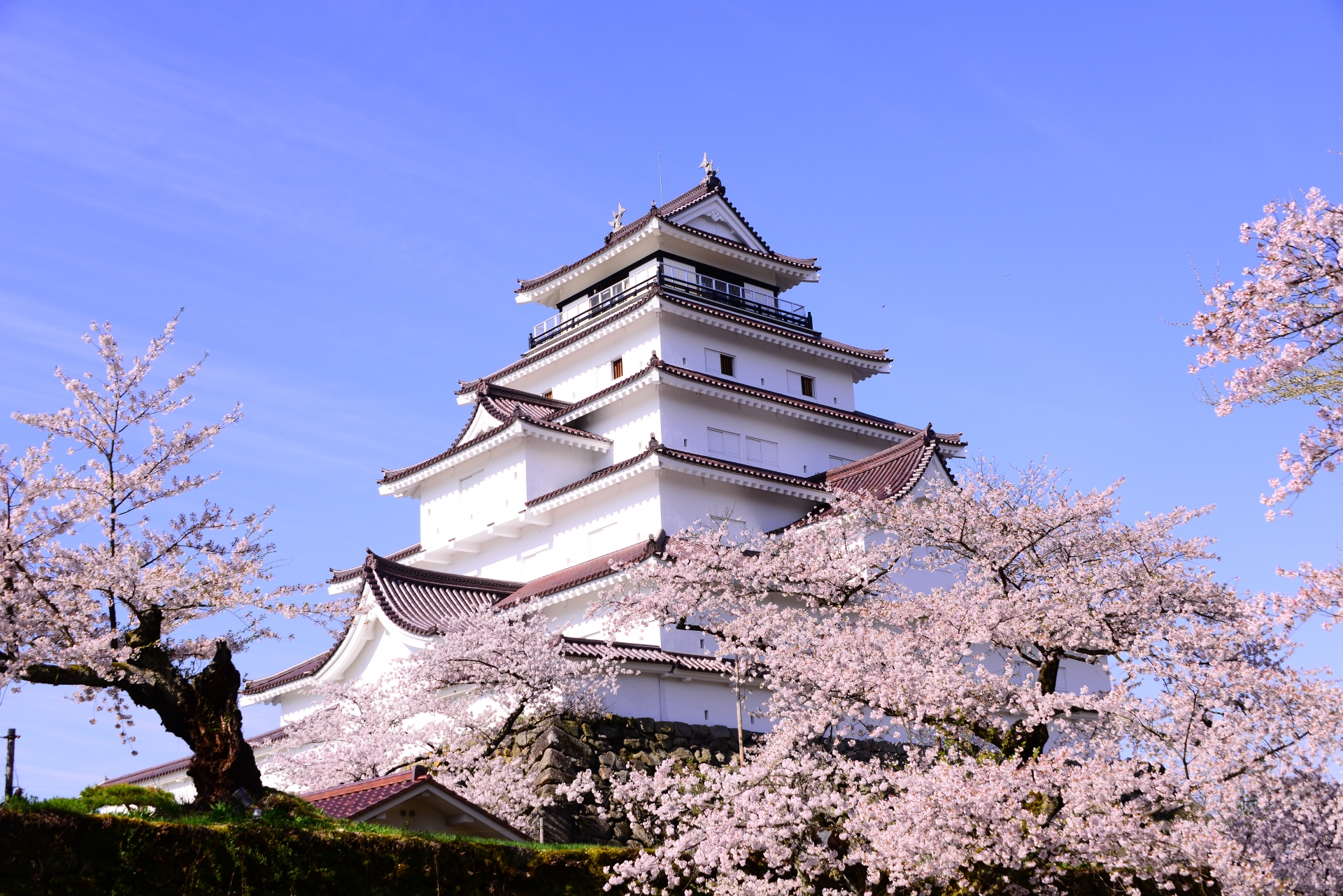
Rising from the Aizu Basin with a stoic elegance found nowhere else in Japan, Tsuruga Castle is a testament to resilience. Known for its unique red-tiled roof—the only one of its kind in the country—the fortress glows with a warm, copper hue against the crisp blue sky. As you walk through the massive stone gates, the air carries the faint, earthy scent of ancient cedar and the weight of a 600-year history. This is not merely a monument; it is the beating heart of the samurai spirit, where the echoes of the Boshin War meet the tranquil whispers of the surrounding cherry blossoms. To visit Tsuruga is to step into a living scroll of honor and breathtaking beauty.
The Crimson Tenshu
The main keep of Tsuruga Castle is a masterpiece of defensive aesthetics. Its distinctive red-tiled roof was designed to withstand the brutal Aizu winters, as the glaze prevented the tiles from cracking in the frost. Inside, the museum unfolds like a cinematic narrative of the Byakkotai (White Tiger Force). Climbing to the top floor rewards you with a panoramic view of the surrounding mountains, where the wind carries the cool, sharp scent of the pine forests, offering a perspective once reserved only for the lords of the domain.
Rinkaku Tea Cottage
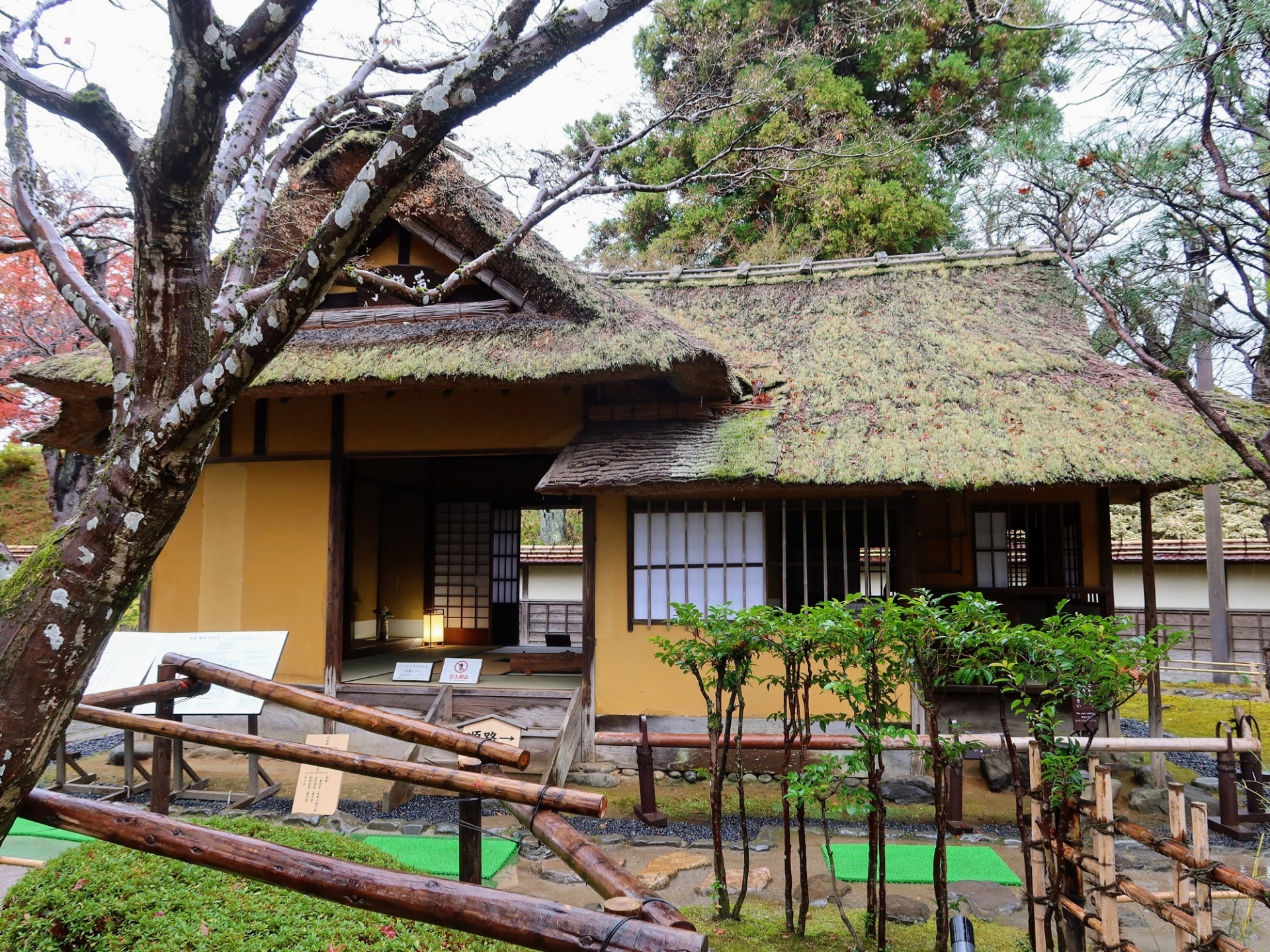
Tucked away in a quiet corner of the castle grounds lies Rinkaku, a sanctuary of Zen. Built by the son of the legendary tea master Sen no Rikyu, this thatched-roof cottage escaped the destruction of the 19th century. Here, the world slows to the rhythm of boiling water. Sitting on the tatami, you can savor a bowl of frothy matcha accompanied by a seasonal sweet, while the saline-like mineral scent of the tea mingles with the damp, mossy fragrance of the meticulously groomed garden outside.
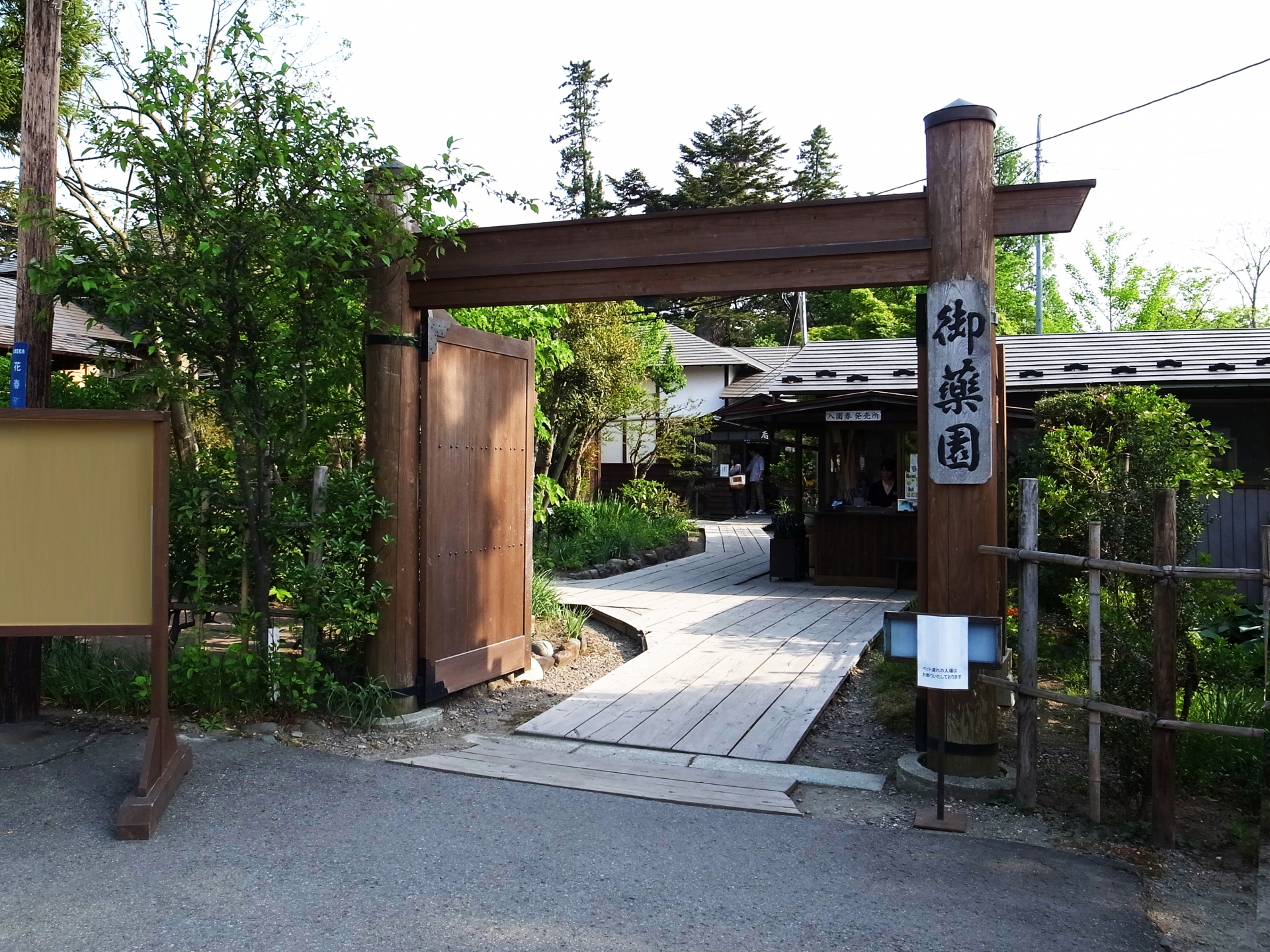
Oyakuen Medicinal Garden
A short walk from the castle, Oyakuen is a landscape garden designed for both beauty and healing. Established in the 14th century, it features a central pond shaped like the character for 'heart.' The air here is thick with the herbal, spicy aroma of over 400 species of medicinal plants. As you stroll across the wooden bridges, the sound of trickling water and the sight of koi breaking the surface create a meditative atmosphere that heals the soul as much as the herbs once healed the body.
Local Soul Food
Tastes you can't find anywhere else.
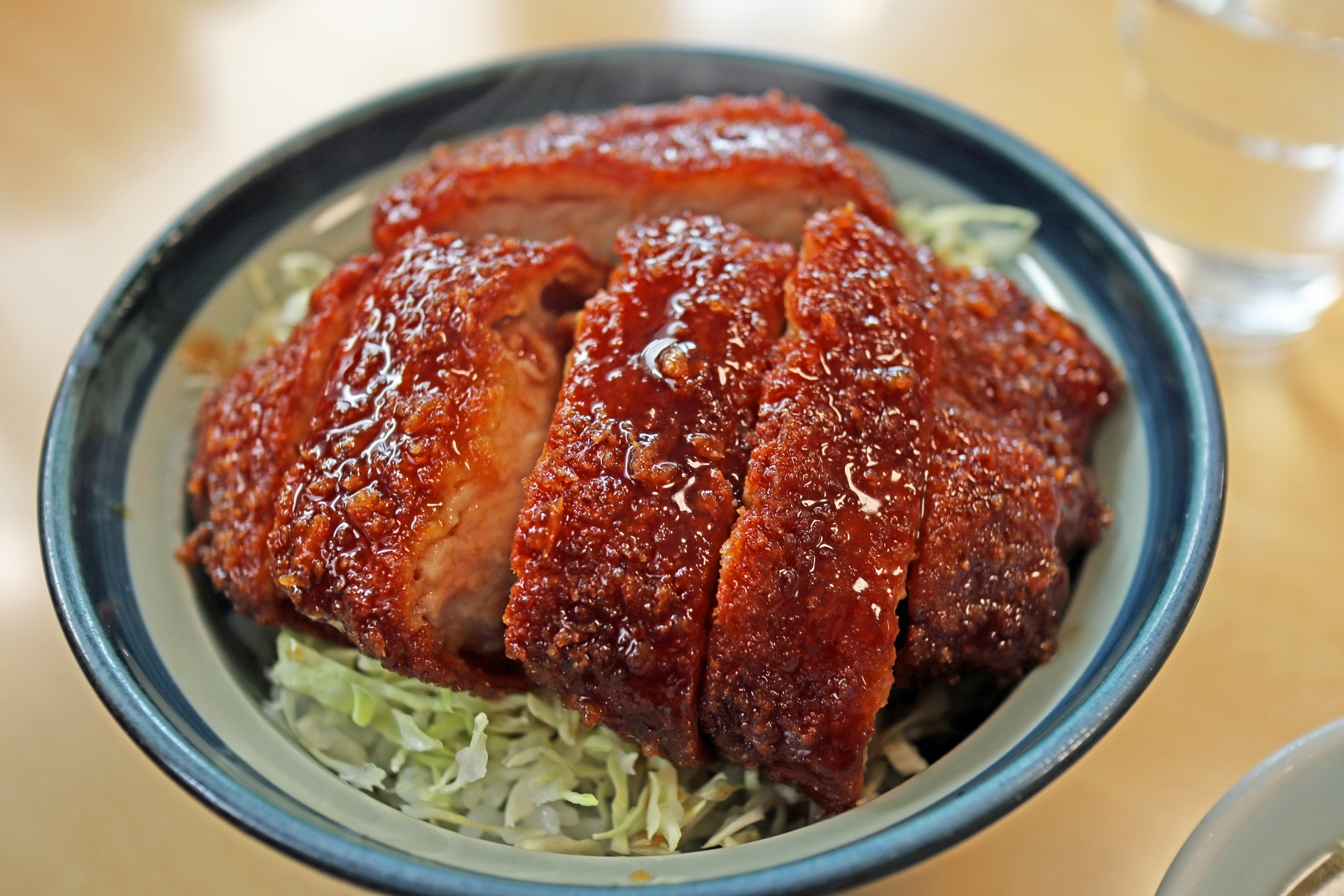
Aizu Sauce Katsudon
A sensory explosion of textures. Imagine a thick, juicy pork cutlet, breaded in panko and fried to a shatteringly crisp golden-brown. It is then submerged in a secret, thick, tangy-sweet Worcestershire-based sauce that clings to every crevice. Served over a bed of shredded cabbage and steaming local rice, the steam carries a sharp, vinegary aroma that cuts through the rich, savory fat of the pork. Each bite is a masterclass in balance.
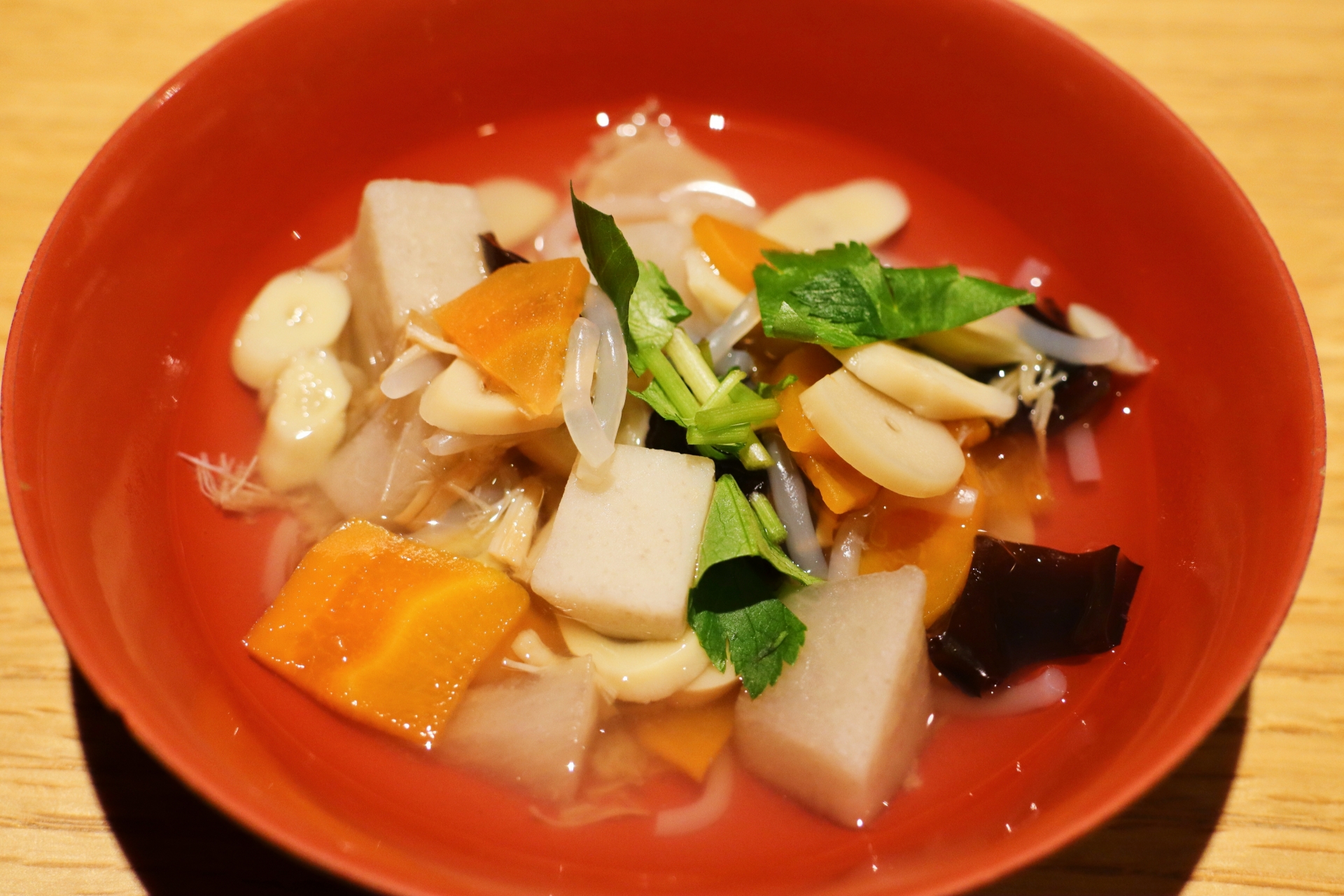
Kozuyu Soup
The ultimate comfort of the Aizu region. This clear, elegant broth is made from dried scallops, providing a deep, oceanic umami that dances on the tongue. It is packed with small, round 'mame-fu' (wheat gluten), earthy shiitake mushrooms, and crunchy wood ear fungi. The soup is light, warming, and carries the delicate scent of the forest floor, served traditionally in small, beautiful lacquerware bowls that feel smooth and warm in your hands.
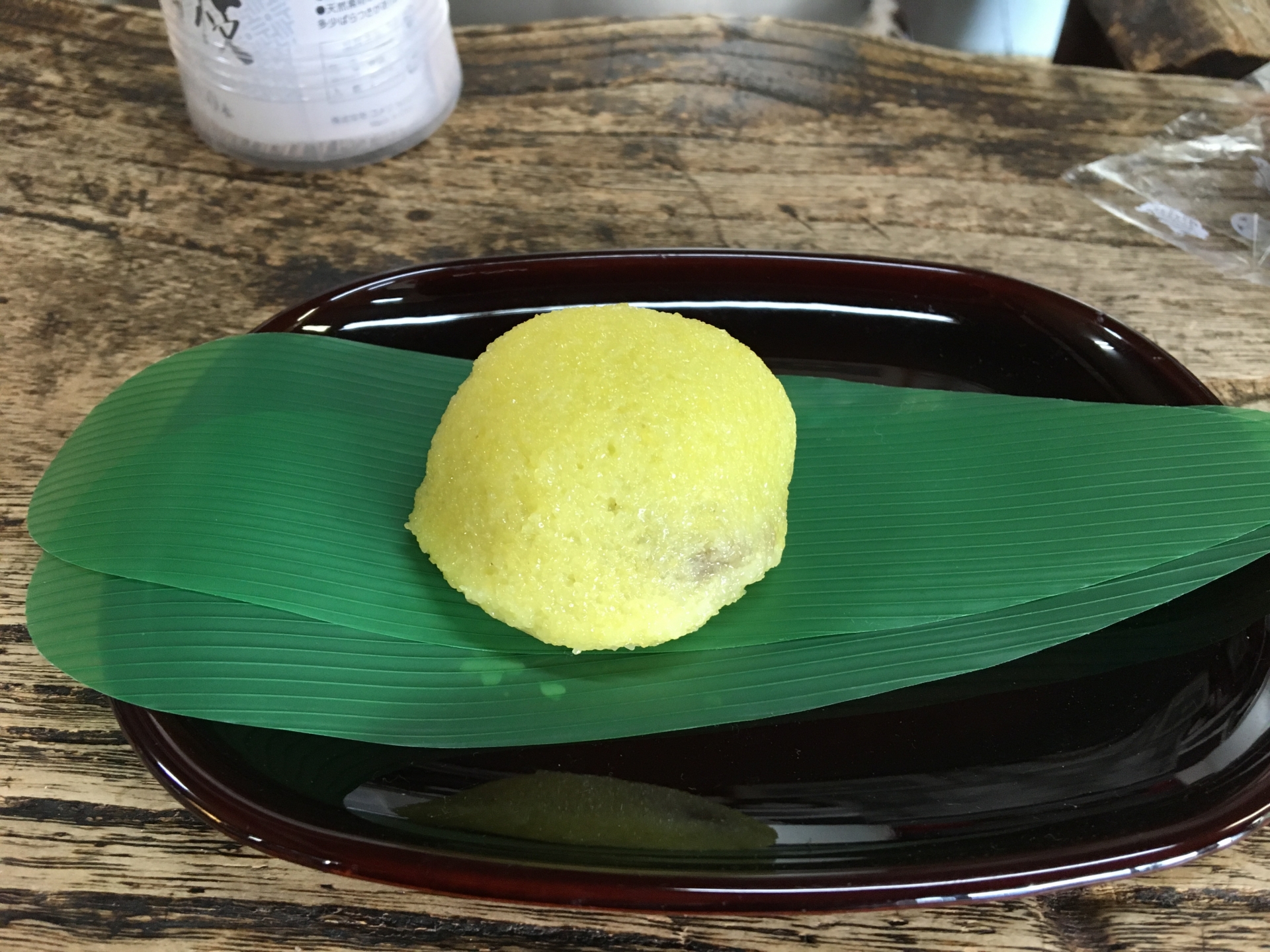
Awamanju
A local sweet that is as much about texture as it is about taste. Made from a blend of sticky rice and millet, these bright yellow steamed buns have a unique, slightly grainy, chewy exterior that yields to a heart of smooth, velvety red bean paste. The scent of sweet steam and grain is intoxicating. Eating them fresh and warm is a revelation—the contrast between the nutty millet and the sugary bean center is pure bliss.
Premium Stays
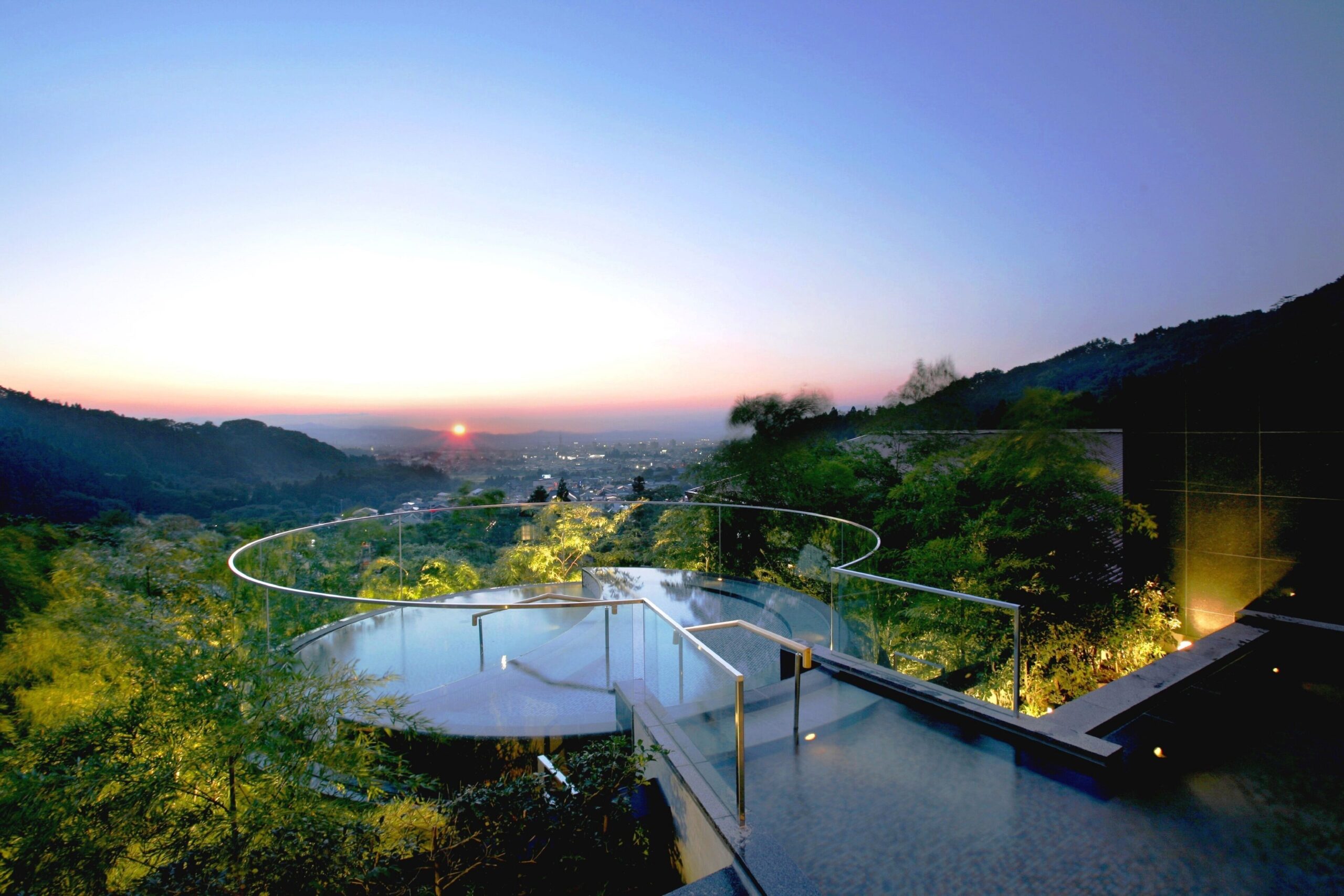
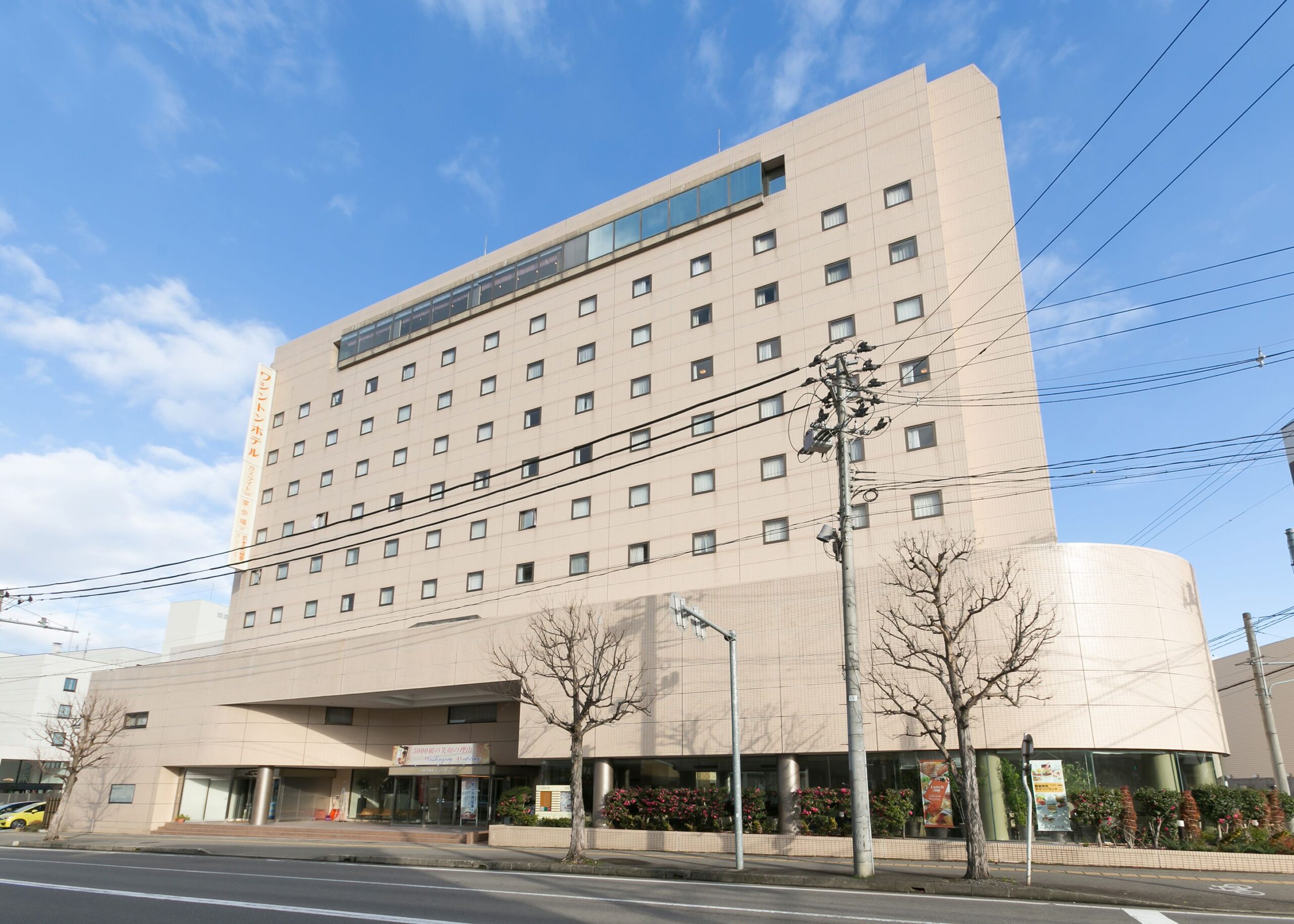
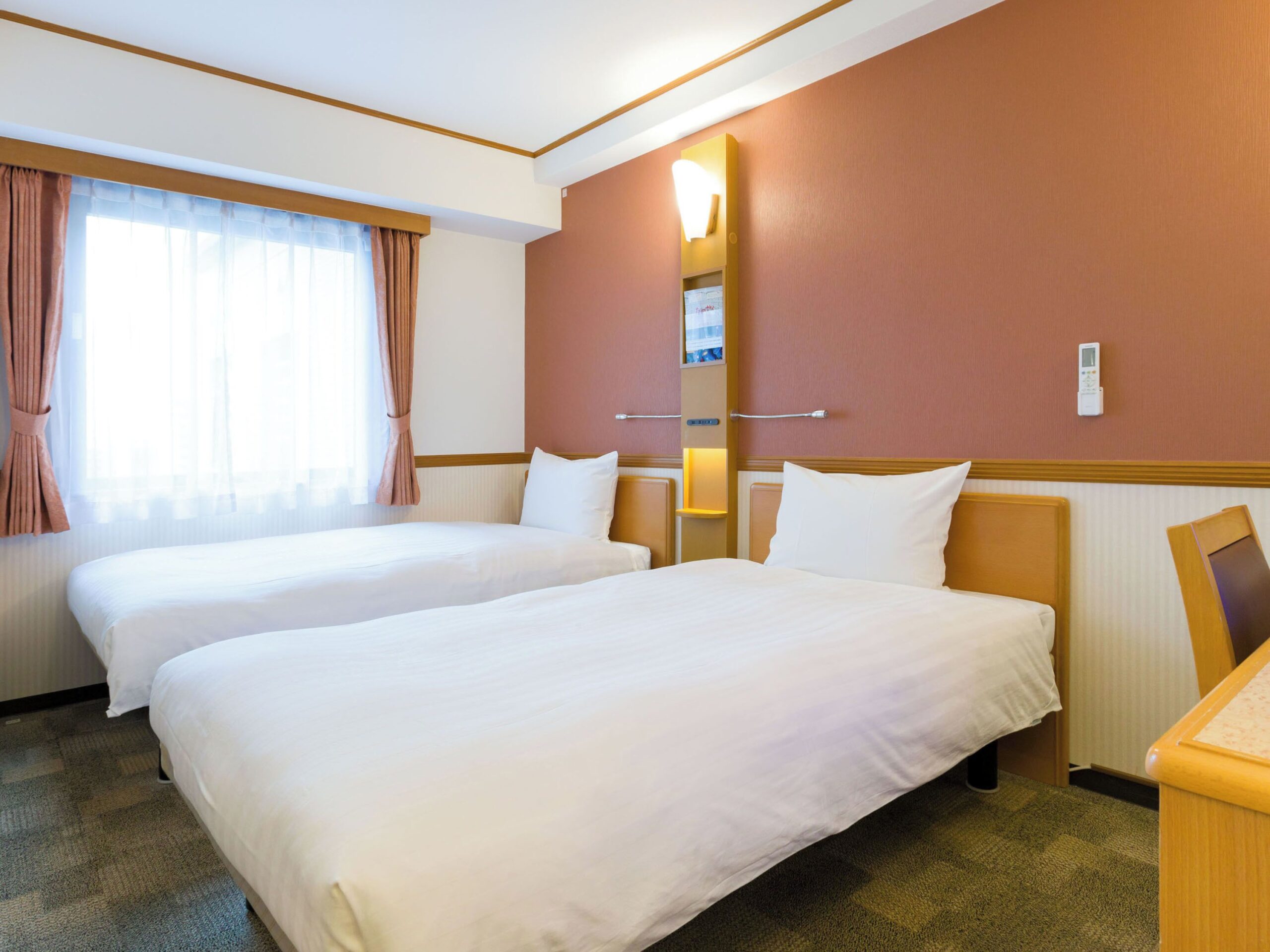
For the ultimate immersion, stay in the Higashiyama Onsen district, just 10 minutes from the castle. It offers a perfect blend of historical ryokan charm and therapeutic hot springs, allowing you to retreat into the mountains after a day of exploration.
Getting There
Take the Tohoku Shinkansen to Koriyama Station, then transfer to the JR Ban-etsu West Line for Aizuwakamatsu. From the station, the 'Haikara-san' loop bus runs every 30 minutes directly to the castle gates.
FAQ
Inspired?
Share this destiny with someone special.