The 'Taxi Trap' and Why Digital Isn't Everywhere
I remember landing at Narita in early 2025, feeling smug with my digital wallet and a brand-new travel credit card. I hopped into a taxi outside a small station in Kyoto, assuming the 'Visa' sticker on the window meant I was golden. Fast forward twenty minutes: we arrived at my ryokan, and the driver pointed to a small, handwritten sign taped to the dashboard that said 'Cash Only.' My heart absolutely sank. I had exactly 800 yen in my pocket, and the fare was closer to 3,200 yen. The driver didn't speak much English, and my Japanese was limited to 'Arigato.' We spent the next fifteen minutes driving around looking for a compatible ATM while the meter kept running. I felt like a total amateur. This is the reality of Japan—even in 2025, legacy systems and small-scale operators haven't fully embraced the digital revolution. It’s not that they’re being difficult; for many small businesses, the transaction fees and the cost of the hardware just don't make sense for their margins. nnTo avoid this, I now make it a non-negotiable rule to check for the 'Cash Only' sign before I even sit down or step inside. If you're planning your trip, one of the best ways to stay ahead is to ensure you have a reliable data connection to find the nearest international ATM. I always book a high-speed eSIM through Klook to ensure I'm never stranded without a map
Blogger's Choice
Japan Travel eSIM
Essential for finding the nearest ATM when you're stuck in a 'Cash Only' situation. Don't get stranded without data.
Check Data Plans
. Having that connection allowed me to find a 7-Eleven within walking distance while the taxi driver waited. It turned a potential disaster into a minor hiccup. I've also found that many smaller izakayas in places like Tokyo's Golden Gai or Osaka's back alleys still prefer cash because it keeps their operations simple and fast. If you see a vending machine for tickets at the entrance of a ramen shop, that's your first clue: 85% of the time, those machines are cash-only, though some newer ones in major hubs are starting to take IC cards like Suica. The bottom line? Don't let the neon lights of Shinjuku fool you into thinking physical money is dead. It's very much the lifeblood of the local economy.
My First-Person Advice for the 'Bill Panic'
If you ever find yourself at a restaurant and realize you're short on cash, stay calm. Honesty is the best policy here. I use a translation app to say 'Sumimasen, genkin ga tarimasen' (Excuse me, I don't have enough cash). Most shop owners are incredibly patient and will point you to the nearest ATM. I once had a ramen shop owner in Fukuoka tell me to just 'come back tomorrow' to pay! While I wouldn't recommend testing that kindness, it shows the cultural emphasis on trust. Always keep a small coin purse handy; you'll be surprised how quickly those 100 and 500 yen coins add up. I use them for everything from temple offerings to late-night gachapon sessions. Those coins are heavy, but they are your best friends when you're trying to buy a quick drink from a vending machine on a hot day.
The 7-Eleven Sanctuary: Finding ATMs That Actually Work
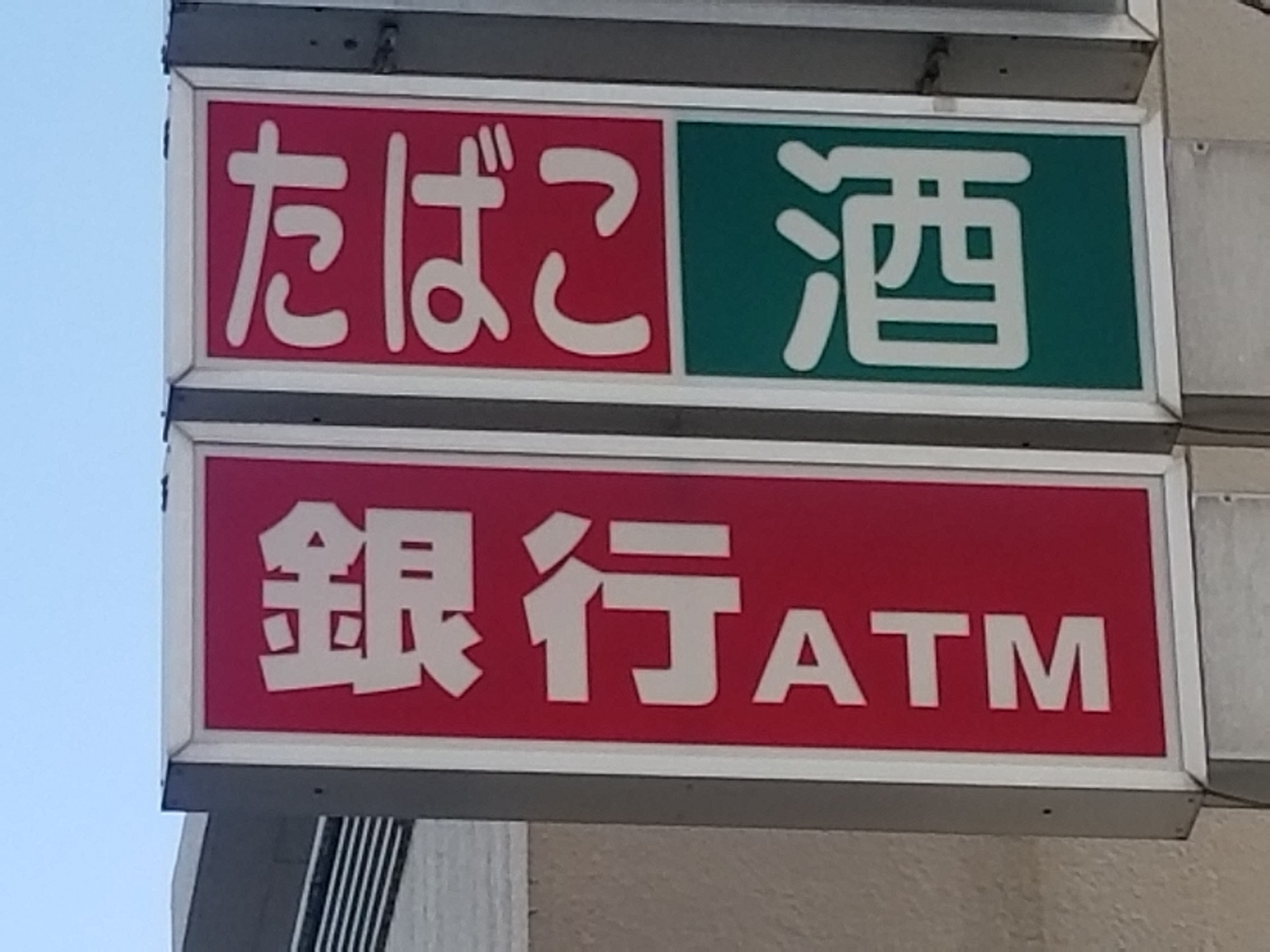
One of the biggest struggles I faced when I first started traveling deep into the Japanese countryside was the 'ATM Rejection.' I’d walk into a local bank, insert my card, and get a cryptic error message in Japanese. It turns out many local Japanese banks don't participate in international networks like Cirrus or PLUS, or—and this is the weirdest part—their ATMs actually close down at 7:00 PM or on weekends. Yes, even in 2025, some ATMs have 'bedtimes.' This is why I call 7-Eleven my 'Sanctuary.' Their 7-Bank ATMs are open 24/7, have a full English interface, and accept almost every international card I’ve ever used. I’ve also had good luck with JP Post (the post office) and Lawson, but 7-Eleven remains the most consistent across the country. nnAnother pro-tip I’ve picked up: try to pay for your big-ticket items like accommodation and long-distance transport online in advance. This preserves your physical yen for the things that really matter—like that hidden sushi bar that only has four seats and no card reader. I usually book my hotels through Expedia to ensure the 'big' bill is handled before I even leave home
Best Value
Tokyo & Kyoto Hotels
Pay for your stay upfront to save your physical cash for local experiences and hidden gems.
Find Best Rates
. This strategy has saved me from having to carry huge stacks of cash, which can be nerve-wracking even in a safe country like Japan. When I do withdraw money, I usually take out around 40,000 to 50,000 yen at a time to minimize those pesky international withdrawal fees. It feels like a lot, but in a cash-heavy society, it disappears faster than a plate of hot takoyaki. Also, remember that 7-Bank ATMs allow you to choose your denomination; I always try to get some 1,000 yen notes because breaking a 10,000 yen bill for a 150 yen bottle of tea can sometimes be a bit awkward in tiny shops.
The Hybrid Strategy: Balancing IC Cards and Cash
While I’ve emphasized cash, Japan is definitely more digital than it was a few years ago. The key is knowing which tool to use for which situation. I use a 'Hybrid Strategy' that keeps me flexible. For convenience stores (conbini) and major department stores, I use my IC card (Suica or Pasmo) which I keep loaded on my phone's digital wallet. This is incredibly fast for trains and vending machines. For high-end dining and hotels, I use my travel credit card to rack up points. But for everything else—taxis, small shrines, street food, and rural buses—I rely on the 'Power of the Yen.' It’s all about balance. I’ve found that having a physical Suica card as a backup is also smart, as phone batteries can die at the worst possible moments, especially when you're using GPS all day. nnIn 2025, you might encounter 'Cashless Only' stores in trendy parts of Tokyo like Shibuya or Shimokitazawa, but these are still the exception, not the rule. The most important thing is to not get caught in the 'middle ground' where you have no cash and your digital payment fails. I always keep a 5,000 yen note tucked into my phone case as an absolute emergency fund. It has saved me more times than I care to admit. Also, be aware that while Apple Pay and Google Pay are becoming more common, they often rely on the local 'iD' or 'QuicPay' systems, which might not always play nice with foreign-issued cards. Stick to the IC card for small digital transactions and cash for the authentic local spots, and you'll have a seamless trip.
| Payment Method | Best For... | Cash-Only Risk |
|---|---|---|
| Physical Yen | Temples, Street Food, Rural Taxis | Zero (Always Accepted) |
| IC Card (Suica/Pasmo) | Trains, Vending Machines, Conbini | Moderate (Small towns) |
| Credit Card | Hotels, Luxury Shopping, Department Stores | High (Small shops) |
| Apple/Google Pay | Modern Cafes, Chain Stores | Very High (Technical issues) |