The Moment I Realized I Was Doing It All Wrong
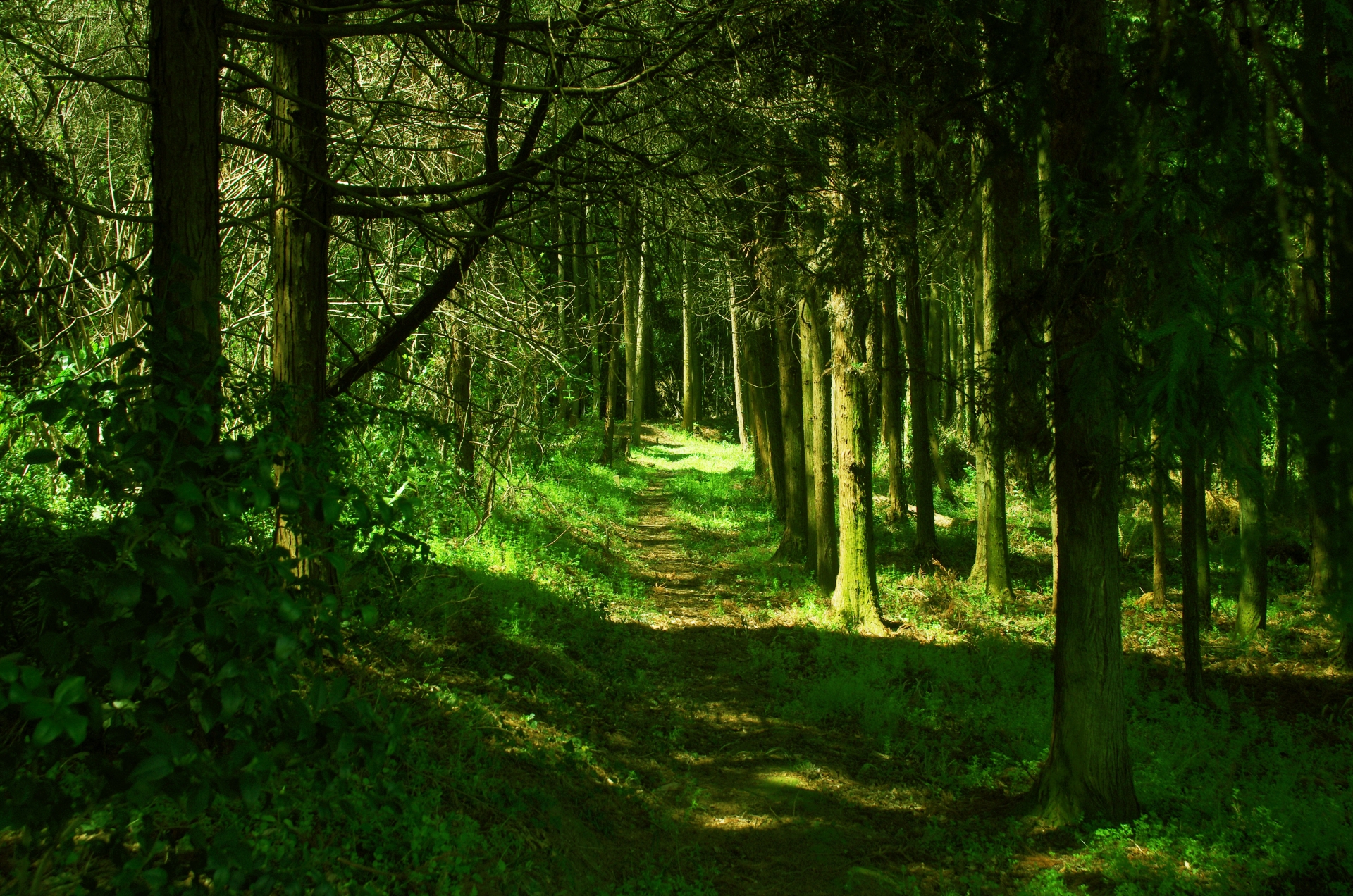
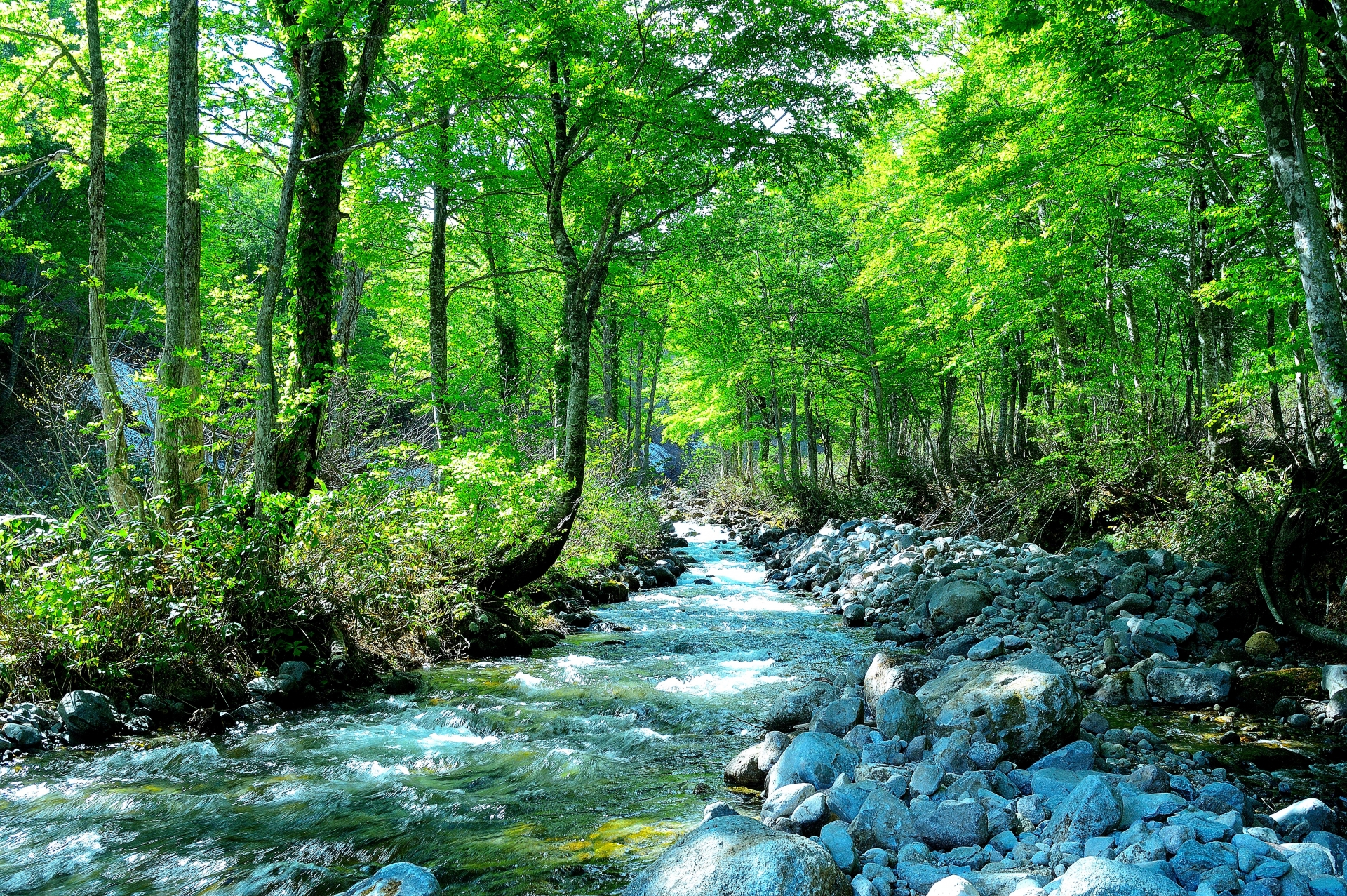
My phone buzzed. Again. I was standing at the edge of a massive cedar grove in Nagano, and my boss was emailing me about a spreadsheet I hadn’t touched in three days. I was 'on vacation,' but my brain was still in a Shinjuku high-rise, calculating commute times and worrying about Slack notifications. That’s when my guide, a tiny woman in her 60s named Hiroko, gently took my hand and pointed at a patch of moss. She didn't say 'look at this.' She said, 'Listen to what the moss is doing.' I thought she was joking. I’ve lived in Japan for five years, and I’ve done my fair share of hiking, but I always treated the forest like a gym—a place to burn calories and get from Point A to Point B. Forest Therapy, or *Shinrin-yoku*, is the exact opposite. It’s about loitering with intent. nnWe spent the first twenty minutes just standing still. Hiroko had us close our eyes and identify five different sounds. At first, all I heard was the blood rushing in my ears and the faint hum of a distant road. But then, the layers started peeling back. The rustle of bamboo. The specific, high-pitched chirp of a Japanese bush warbler. The way the wind sounded different when it hit the pine needles versus the broad leaves of the maple trees. I literally stopped mid-sentence during our first conversation because the smell of the damp earth hit me so hard—it was like a physical weight lifting off my chest. For about ten seconds, nobody in our small group said a word. We were just... there. If you’re looking to actually disconnect, booking a session with a certified guide is the only way to go.
Top Rated
Guided Forest Therapy Session
A fully guided immersion in the Akasawa Natural Recreational Forest. Includes a certified guide, sensory exercises, and a traditional forest tea ceremony under the canopy.
This is the only way to access the restricted 'quiet zones' where the real magic happens.
Book Your Reset ↗
Trust me, trying to do this yourself usually just ends up with you checking Google Maps every five minutes. nnI’ll be honest: for the first thirty minutes, I felt like an idiot. I kept wanting to walk faster. I kept checking my watch. I was so conditioned to 'achieve' something that the act of simply being in the woods felt like a failure. But by the time we reached the mid-way point—a small clearing where the sunlight filtered through the canopy in that perfect way the Japanese call *komorebi*—I didn't care about the time. I didn't even care that I had a smudge of dirt on my expensive 'outdoor' trousers. I was just breathing. Truly breathing. It’s a visceral, sensory slap in the face that reminds you that you’re a biological creature, not just a LinkedIn profile. You aren't just looking at nature; you're remembering you're part of it. It sounds cheesy until you're actually there, smelling the resin and feeling the temperature drop five degrees as you step under the canopy. Seriously. Go early.
Don't bring your 'hiking' mindset. If you're sweating or out of breath, you're going too fast. The goal is to cover maybe two kilometers in three hours.
What Actually Happens During a Session (And My Rookie Mistakes)
So, what do you actually *do*? It’s not a botanical lecture. My guide didn't spend the whole time naming trees in Latin or explaining soil pH. Instead, she gave us 'invitations.' One invitation was to find a 'texture' that matched our current mood. I spent ten minutes touching tree bark. I know, I know—it sounds like peak 'woo-woo' nonsense. But there’s something weirdly grounding about focusing entirely on the rough ridges of an ancient cypress. Another invitation involved lying down on a wooden platform and looking straight up. I made the classic rookie error of not bringing an extra layer. Even in June, the forest floor in Nagano is significantly cooler than the city. I was shivering within ten minutes while everyone else was blissfully zen. Don't be me—bring a light windbreaker even if it’s 30 degrees in Tokyo. nnMost sessions end with a forest tea ceremony. Hiroko pulled out a portable stove and brewed tea made from the very plants we’d been walking past. We sat on a fallen log, drinking Kuromoji tea, which has this incredible spicy, citrusy scent. It was miles better than any bottled tea you’ll find in a Lawson. We talked about the 'wood wide web'—how trees communicate through fungal networks—and for once, I wasn't bored by the science. It felt relevant because I could see the trees she was talking about. If you're staying nearby, I highly recommend finding a local lodge that specializes in 'wellness stays' to keep the vibe going.
Alex's Choice
Stay Near the Forest
Book a traditional ryokan in the Kiso Valley or a wellness-focused hotel in Chino. Many offer private onsen baths that use the same forest spring water you'll see on your walk.
Don't ruin your zen by rushing back to Tokyo on a crowded train the same day.
Find Your Ryokan ↗
I stayed at a small place nearby that had an outdoor cedar bath, and sliding into that water after a day in the woods felt like being reborn. nnOne thing that surprised me was the silence. Not the absence of noise, but the *quality* of the quiet. In Tokyo, silence is just a gap between sirens. In the Akasawa Natural Recreational Forest, the silence is heavy and rich. It’s the kind of quiet that makes you realize how much mental noise you carry around daily. I did have one awkward moment where I tried to take a 'candid' selfie and dropped my phone into a stream. Pro tip: keep the phone in your bag. The forest doesn't need to be on your Instagram story in real-time. The moss will still be there when you get back to the hotel. And here's the thing: the physical benefits are legit. My heart rate dropped, my head stopped throbbing, and for the first time in months, I didn't feel like I was vibrating with anxiety. It’s a total system reboot.
The Akasawa Natural Recreational Forest in Nagano is the 'birthplace' of Forest Therapy. If you can only pick one spot, go there. The smell of the Kiso Hinoki (cypress) is legendary.
The Practical Stuff: How to Not Get Lost or Bored
If you're ready to try this, you need to decide between Nagano and Yamanashi. Nagano is the hardcore choice—deeper forests, more history, and the famous Akasawa forest. Yamanashi is great because you get the added bonus of Mount Fuji views, especially around the base of the mountain in Fujiyoshida. Both are easily accessible from Tokyo via the Azusa Limited Express or a highway bus, but I’d give the edge to Nagano for the pure 'isolation' factor. Most guided tours last about three hours and cost between 5,000 and 15,000 yen depending on whether it’s a group or private session. Honestly? Spring for the private guide if you can. Having someone who can tailor the 'invitations' to your specific stress levels is worth the extra couple thousand yen. nnLanguage can be a bit of a hurdle. While more guides are becoming English-proficient in 2026, many of the best local experts are still Japanese-only. However, don't let that stop you. Forest therapy is 90% sensory. Even if you don't understand every word Hiroko says, you can understand 'touch this,' 'smell this,' and 'sit here.' The gestures and the atmosphere do most of the heavy lifting. I’ve gone with friends who speak zero Japanese, and they came out of the woods looking just as relaxed as I did. Just make sure to book at least two weeks in advance, especially during the autumn leaf season (late October), as these spots are becoming insanely popular with locals looking to escape the city heat. nnLastly, check the weather, but don't cancel just because of a light drizzle. Some of my best forest therapy moments happened in the rain. The forest smells ten times stronger when it’s wet, and the mist rolling through the cedars looks like something straight out of a Ghibli movie. Just bring a decent rain poncho and waterproof shoes. Trust me, squelching around in wet sneakers is the fastest way to ruin your zen. Oh, and one more thing—check if your guide provides a 'forest bento.' Some of the Nagano tours include a lunch box filled with local mountain vegetables (sansai), and eating that while sitting on a mossy rock is a core memory you didn't know you needed. On top of that, the train ride back to Tokyo is the perfect time to journal. You'll find your thoughts are a lot clearer when they aren't competing with a thousand browser tabs.
Check the 'Forest Therapy Society' website for a list of 'certified' bases. Not every park with trees is a therapy base—these specific spots have been scientifically proven to lower cortisol levels.