The Moment I Realized I Wasn't Just 'Floating'
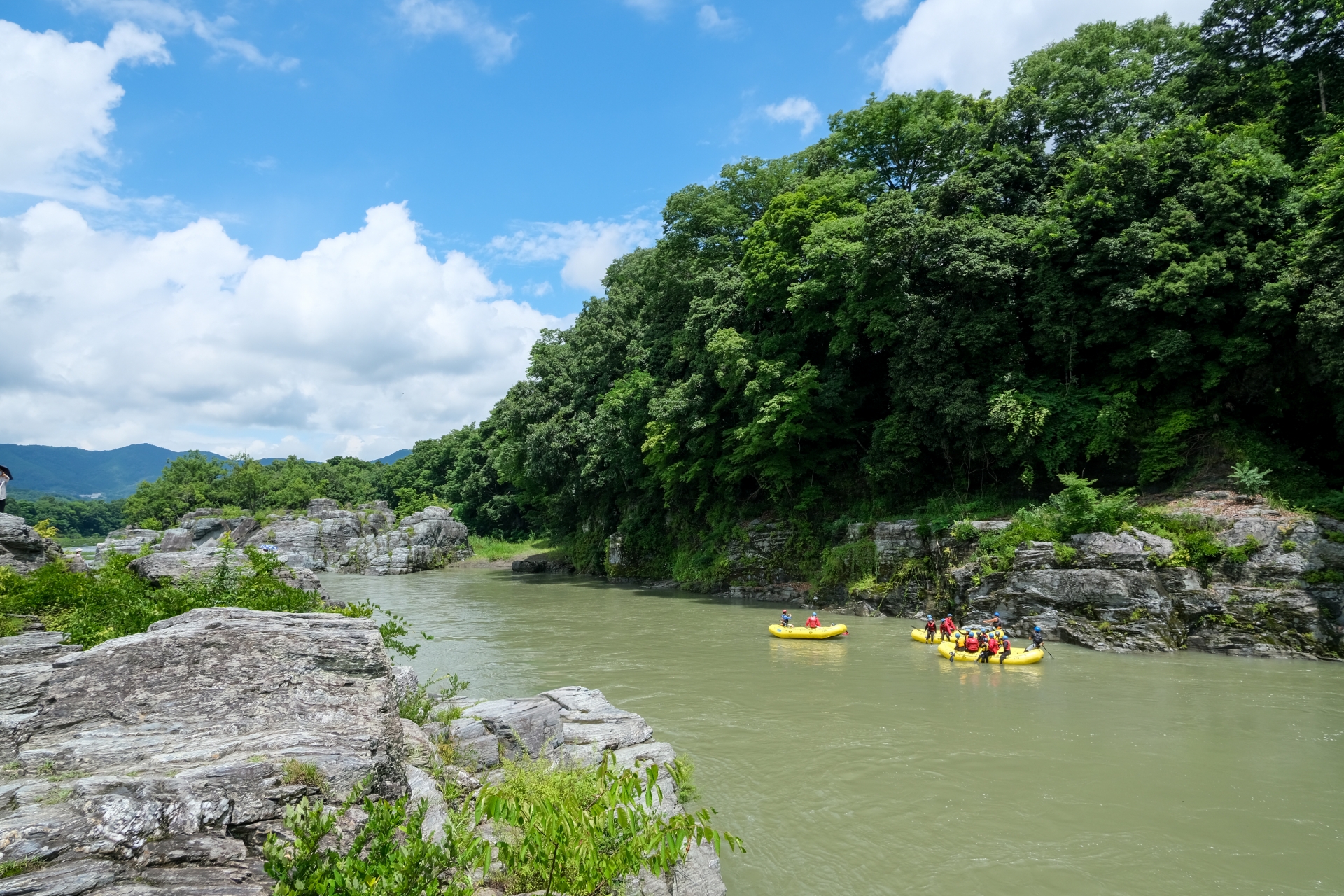
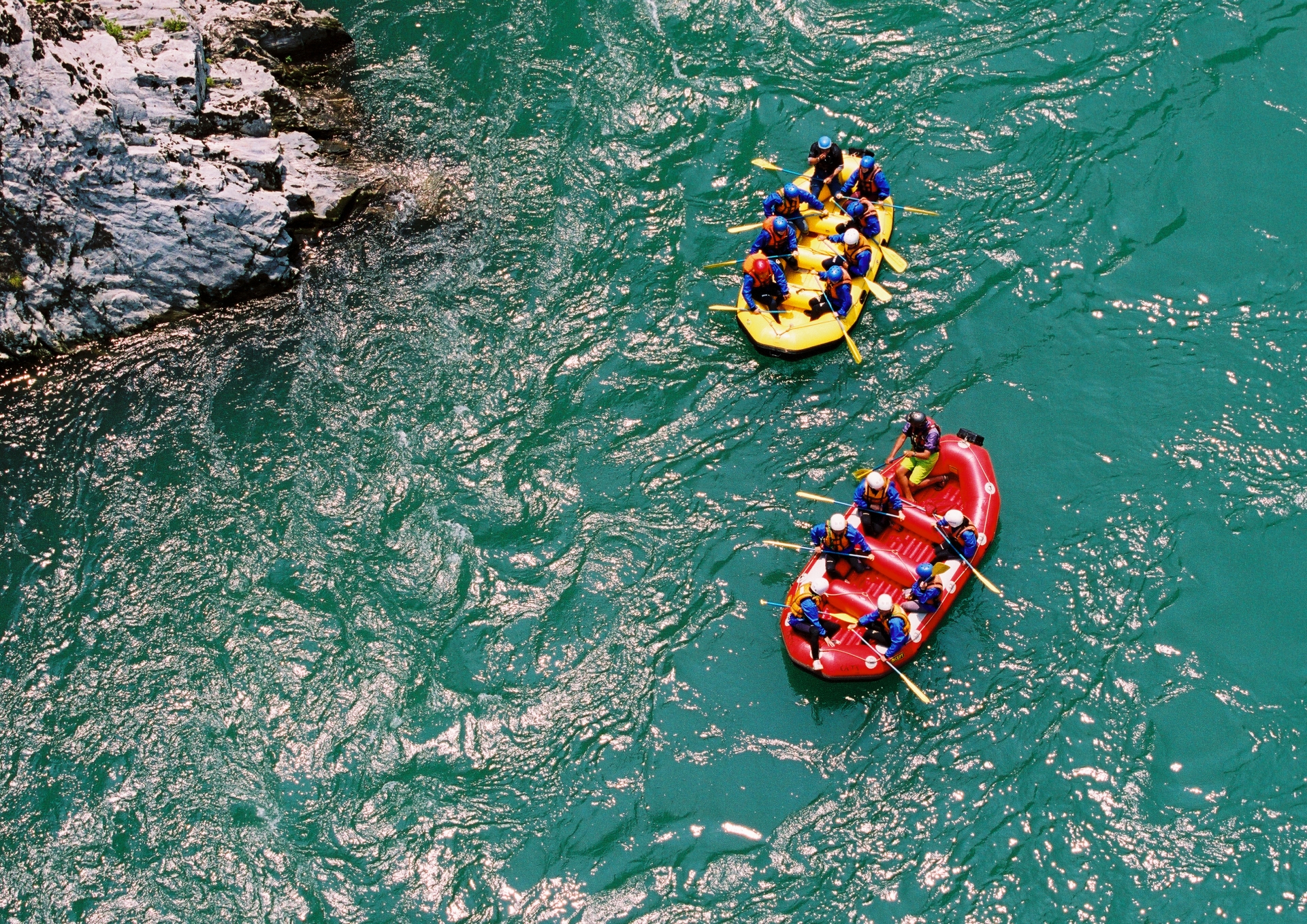
It was mid-August 2026, and Tokyo felt like it was literally melting. You know that feeling when the humidity hits you like a wet wool blanket the second you step outside? Yeah, that. I’d lived in Japan for five years and had done the whole 'temple and shrine' circuit to death. I needed something that didn't involve standing in a silent queue under the blazing sun. So, I hopped on the Seibu line out to Nagatoro. I’ll be honest: I thought it was going to be a lazy, scenic float where I’d sip tea and look at rocks. I was dead wrong. The second our guide, a guy named Taka who seemed to have more energy than a nuclear reactor, shouted 'PADDLE HARD!', I knew I was in for it. The first drop wasn't huge, maybe a meter, but the way the cold river water slapped me across the face was the most refreshing thing I’d felt in months. I actually screamed. Not a 'scared' scream, but a 'holy crap I'm alive' scream. nnWe were navigating through the 'Iwadatami'—these massive, layered rock formations that look like giant stacks of tatami mats. It’s a UNESCO site, but honestly, when you're trying to keep your raft from spinning into a granite wall, the geological history takes a backseat to survival. I remember looking at my friend, who had already lost his hat to the Arakawa River, and we both just started laughing like idiots. There’s something about the shared trauma of getting absolutely drenched that bonds a group of strangers together. By the time we hit the second set of rapids, our boat was a well-oiled machine. Or at least, we stopped hitting the rocks. If you're looking to book this yourself, I highly recommend checking out the local operators in Saitama
Top Rated
Nagatoro White Water Rafting
A 2-hour adrenaline-pumping ride through the UNESCO-registered Iwadatami rocks. You'll navigate splashy rapids with expert guides who know every twist of the Arakawa River.
The fastest way to escape Tokyo's concrete heat and get a face-full of refreshing mountain water.
Book Your Splash ↗
because they know these currents better than anyone. nnIt’s not just about the adrenaline; it’s about that weird, quiet moment in between the rapids when the river goes still, and all you hear is the cicadas screaming in the trees and the water dripping off your life vest. That’s the 'real' Japan people talk about, but usually forget to mention it comes with a side of white-knuckle terror. On top of that, the water quality in Nagatoro is surprisingly good for being so close to the concrete jungle. You can see the fish darting under the raft when the sun hits the water just right. I’ve done the mountain hikes and the beach days, but nothing beats the sheer chaos of a river run. Seriously. Go early. The morning light hitting the canyon walls is something you won't forget, and you'll beat the worst of the afternoon heat. Trust me on this, if you're stuck in Tokyo and the thermometer is hitting 38 degrees, this is your only escape route.
If you're heading to Nagatoro, take the 'Laview' express train from Ikebukuro. It has massive floor-to-ceiling windows that make the transition from concrete jungle to green mountains feel like a movie intro.
What You Need to Know Before You Get Wet
Let’s talk about the gear, because I made the classic rookie mistake of wearing a cotton t-shirt my first time. Don't do that. You will be heavy, cold, and miserable for three hours. Wear synthetic, quick-dry stuff. Most of these rafting outfits will give you 'river shoes'—basically neoprene booties—but they usually smell like they haven't been washed since the Edo period. If you have your own water shoes, bring them. Trust me. Also, the safety briefing is usually in Japanese, but don't panic if your Nihongo is rusty. The hand signals are universal. When they point down, you duck into the boat. When they yell 'PADDLE!', you move like your life depends on it. nnOne thing that surprised me was the choice between the 'Traditional Boat' (Hozugawa-style) and the 'Rafting' style. In places like Kyoto’s Hozugawa River, you can choose a wooden boat steered by guys with long bamboo poles. It’s very 'Old Japan' and incredibly cool to watch them navigate tight gaps with nothing but muscle and a stick. But if you want to actually participate, go for the rubber raft. It’s more immersive, and you get to feel the power of the water under your feet. After the tour, I usually crash at a local guesthouse because the 'river fatigue' is real. You’ll want a hot shower and a futon immediately
Local Pick
Stay Near the River
The Chichibu and Nagatoro area offers charming ryokans and forest lodges. Staying overnight lets you wake up to mountain mist and catch the early morning steam train.
Skip the long train ride back to Tokyo and soak your sore muscles in a local onsen instead.
Find Riverside Stays ↗
. nnOh, and here's what most people miss: the 'waterproof' phone cases they sell at the gift shops? I’ve seen three of them fail in one afternoon. If you want photos, ask the staff if they have a professional photographer on the banks. Most of the big tours in Nagatoro and Shikoku have someone stationed at the biggest rapid to catch your 'ugly-crying-from-excitement' face. It’s worth the extra 2,000 yen for the digital download later. I remember one guy in our group tried to use a selfie stick during a Grade 3 rapid. The river gods claimed that iPhone 15 within ten seconds. Don't be that guy. Just enjoy the ride and buy the pro photos later. You should also bring a full change of clothes, including underwear. I forgot that once and had to ride the train back to Tokyo in damp boxers. Not my proudest moment. The facilities at most rafting centers are decent, with hot showers and hair dryers, so you can actually clean up before heading back to civilization.
Ask your guide about the 'secret swimming hole' during the calm stretches. In the Yoshino River tours, there's a spot where you can jump off a 4-meter rock into a deep pool. It’s terrifying, but you’ll regret not doing it.
The Practical Stuff: Where to Go and How Much to Pay
Japan has three 'Big Boss' river spots, and depending on what you're after, you need to choose wisely. First, there's Nagatoro in Saitama. This is the easiest day trip from Tokyo. It’s 'Level 2' rafting—fun, splashy, but you probably won't die. It’s perfect for a first-timer or if you have kids with you. Then there's the Hozugawa River in Kyoto (Kameoka). This is the 'aesthetic' choice. The scenery is stunning, especially in autumn when the maples turn red, but the water is generally calmer. Lastly, if you are a total adrenaline junkie, you have to go to the Yoshino River in Tokushima (Shikoku). This is 'Level 4' territory. We're talking massive waves, technical drops, and a very high chance of falling out of the boat. I did the Oboke-Koboke section last year and I’m still thinking about it. nnPrice-wise, expect to pay anywhere from 6,000 to 10,000 yen per person. This usually includes the gear rental, the guide, and the shuttle bus back to the starting point. Most tours take about 2 to 3 hours on the water. Language support varies; Nagatoro is getting better with English-speaking guides, but Shikoku is still very 'local,' which I actually prefer. It feels more authentic. My advice? Book the morning slot (around 9:00 AM or 10:00 AM). The water is cooler, the sun isn't quite at its peak yet, and you’ll be finished just in time for a massive bowl of 'Waraji Katsu' (giant pork cutlet) which is the local specialty in Chichibu. It’s the size of a shoe, and after paddling for two hours, you’ll eat the whole thing. Trust me on that one. nnYou'll want to check the water levels a day before on the operator's social media. If it rained heavily two days prior, the river might be closed, or conversely, it might be the ride of your life. 'High water' days are the gold standard for rafting fans. I’ve seen the Arakawa River go from a gentle stream to a raging beast in 24 hours. Also, keep an eye on the calendar. August is peak season, so if you don't book at least two weeks in advance, you'll be stuck on the shore watching everyone else have fun. If you can swing a weekday trip, do it. The rivers are way less crowded and the guides are usually more relaxed and willing to show you the 'extra' splash zones.
Check the water levels a day before on the operator's social media. If it rained heavily two days prior, the river might be closed, or conversely, it might be the ride of your life. 'High water' days are the gold standard for rafting fans.