The Moment I Realized 'Japow' Was Actually a Religion
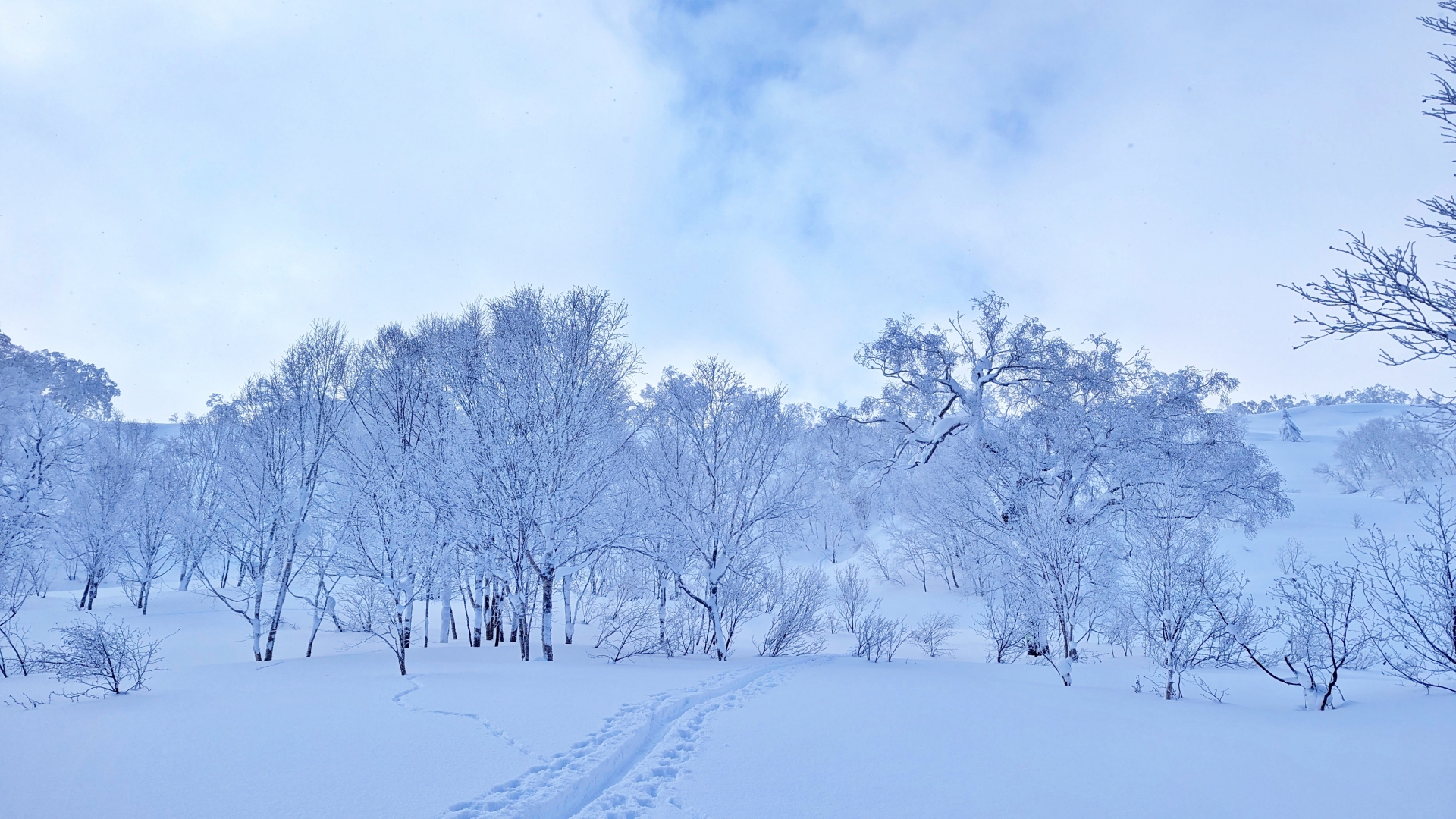
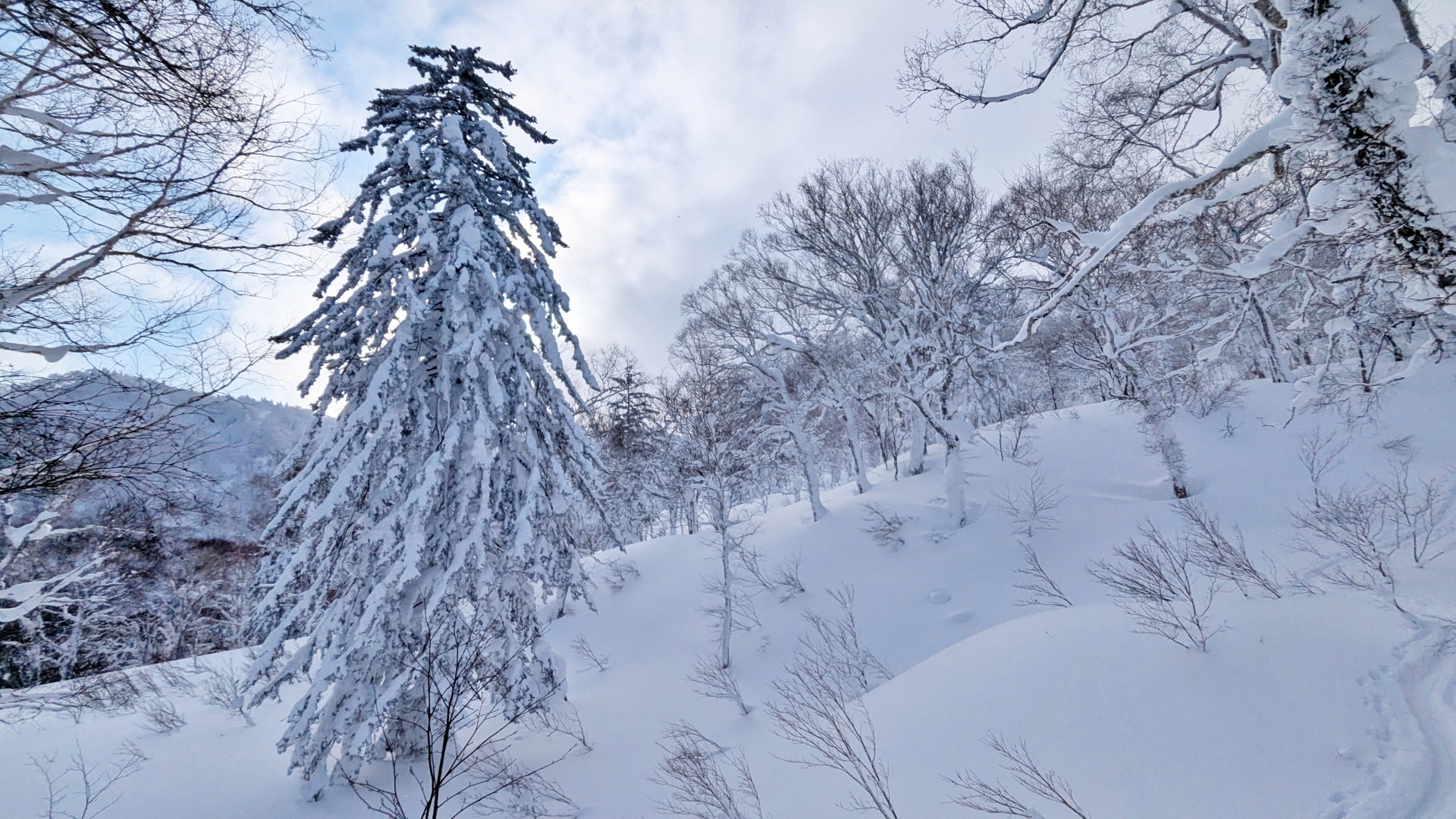
I was standing at the top of Gate 4 in Niseko, my heart hammering against my ribs like a trapped bird. It was 2022, my third winter in Japan, and I had finally caved to the pressure of my friends to head out of bounds. Below me wasn't a groomed run or even a bumpy mogul field. It was just... white. A vast, untouched ocean of crystals that looked more like clouds than snow. I remember thinking, 'Alex, you are a decent resort skier, but you are about to embarrass yourself.' I looked at our guide, a guy named Taka who had been doing this since the 90s, and he just grinned. 'Don't think,' he said. 'Just float.' So I dropped in. For the first three seconds, I thought I was falling. Then, the snow rose up to my waist, then my chest, and suddenly I wasn't falling—I was flying. There was no sound. No scraping of metal on ice, no lift machinery, just the muffled 'whoosh' of powder hitting my jacket. I literally stopped mid-run, buried to my hips, and just screamed with pure, unadulterated joy. Nobody was around to hear me except Taka, who was already a hundred yards ahead, carving lines that looked like calligraphy.nnThat was the day I realized that resort skiing is a hobby, but backcountry touring in Japan is a spiritual experience. If you’re tired of the 2026 crowds at the gondola, booking a professional guide is the only way to reclaim the mountain.
Top Rated
Book Your Powder Guide
Secure a spot with a certified expert for a full-day trek into Niseko's legendary hidden bowls. Includes all safety essentials like beacons and probes, plus local knowledge of the best secret tree runs.
The best 2026 guides are already filling up—don't get stuck in the resort lift lines.
Book Now ↗
It changed how I view winter entirely. But man, my first attempt was a mess. I made the classic rookie mistake of wearing a standard shell jacket without a powder skirt. Halfway down the first bowl, I had about five pounds of snow down my pants. I was freezing, soaking wet, and grinning like an idiot. You haven't lived until you've had a face-shot of snow so light it feels like you're breathing in cold glitter. It’s addictive. Once you taste that silence, the hum of the resort feels like a shopping mall. Seriously. Go early. The 2026 season is looking to be one of the busiest on record, and the only way to find that 'zen' moment is to put in the work and get away from the lift lines. On top of that, the physical sensation of being the first person to touch a slope is something you just can't buy at a ticket window. I spent years thinking I was 'good enough' for the resort, but the backcountry taught me that I didn't even know what skiing was until I left the ropes behind. It's not about speed; it's about the rhythm of the mountain and the way the snow responds to every tiny shift in your weight. It's pure magic.
If you're in Niseko, hit the 'Moiwa' side-country first. It's technically outside the main resort gates but much less intimidating for your first time off-piste.
The Reality Check: It's Not Just 'Skiing'
Let’s get real for a second—the backcountry doesn't care about your Instagram followers. My second time out, in Hakuba, I thought I was a pro. I tried to skip the safety briefing because I’d heard it all before. Big mistake. The guide, a stern woman named Mika, made me spend thirty minutes digging a 'rescue pit' in the freezing wind until I could find a buried beacon in under two minutes. I was annoyed at the time, but then she showed us a 'creek hole' hidden under a thin bridge of snow. If I’d been on my own, I would have fallen straight in. In Japan, the snow is so deep it creates these 'tree wells' and hidden rivers that can swallow a person whole. That’s why you never, ever go alone. You need the gear: a beacon, a probe, and a shovel. Most tours provide these, but you need to know how to use them. We spent the morning learning about snow layers and 'whumpfing' sounds—the noise the snow makes when it settles, which is basically the mountain telling you to get the hell out.nnIt’s a lot of work. You’ll be hiking up ridges with skins on your skis or snowshoes on your back, and your lungs will feel like they’re vibrating from the effort. But then you reach the ridge, and you see the Northern Alps of Nagano stretching out like a jagged spine of ice. It’s visceral. After a day of that, finding a lodge with a boot dryer and a massive fireplace is non-negotiable.
Walking Distance
The Ultimate Ski Lodge
We've scouted the best lodges in Niseko Hirafu and Hakuba Village that feature dedicated gear rooms, high-speed boot dryers, and immediate access to the mountain gates.
Stay where the pros stay and be the first one at the gate on a 50cm powder morning.
Find Hotels ↗
I remember sitting in the outdoor onsen that night, watching the steam rise into the falling snow, and my legs felt like lead—but my head was clearer than it had been in months. You aren't just paying for the downhill; you're paying for the perspective you get when you're the only human being in a five-mile radius. And here's the thing: the weather in the Japanese Alps can change in a heartbeat. One minute it's a bluebird sky, and the next you're in a whiteout where you can't tell up from down. I've been there, and it's terrifying if you don't have someone who knows the terrain. You'll want to listen to your guide like they're the voice of God. They aren't just there to find the best snow; they're there to make sure you actually make it back for that evening beer. Trust me on this, the mountain is beautiful, but it's also completely indifferent to your survival. Respect it.
Buy a pair of 'over-the-glass' goggles even if you don't wear glasses. They have more volume and are way less likely to fog up when you're sweating during the uphill hike.
The Practical Bits: Where, When, and How Much?
So, you’re sold. Now, where do you actually go? In 2026, the two big players are still Niseko and Hakuba, but they offer totally different vibes. Niseko is the 'Powder Factory.' It’s more forgiving because the terrain is mostly mellow volcanoes and birch forests. The snow is consistent—it’s that dry, fluffy stuff that doesn't even get you wet. Hakuba, on the other hand, is 'Big Mountain' territory. It’s steeper, more alpine, and frankly, a bit more terrifying if the weather turns. If you're a first-timer, I’d bet my last yen on Niseko. If you want to feel like you’re in an extreme ski movie, go to Hakuba. Most full-day tours will set you back around 25,000 to 40,000 yen, which sounds steep until you realize that includes a highly trained guide who is literally keeping you alive. Most of these guys speak great English—many are Aussies or Europeans who moved here years ago and never left.nnYou’ll want to book at least a month in advance, especially for January and February. Oh, and don't be that person who shows up in rental gear that doesn't fit. Spend the extra money to rent 'fat skis'—at least 100mm underfoot. My first time, I tried to use my narrow carving skis and I sank like a stone. It was embarrassing. Trust me, you want the float. Also, check the avalanche reports daily at nadare.jp. It’s the gold standard for safety in Japan. I check it every morning over coffee, even if I’m just staying in-bounds. It’s a good habit. Lastly, don't forget to pack some high-calorie snacks. You'll burn more energy than you think, and there are no vending machines in the middle of a Hokkaido forest. I usually carry a few 'Onigiri' from the Lawson down the street—they're the perfect fuel. And here's what most people miss: the wind chill on the ridges can be brutal. Even if it's a sunny day, that wind will cut through you like a knife. Layer up. I'm talking merino wool base layers, a mid-layer fleece, and a bomb-proof shell. You can always take layers off, but you can't put on what you didn't bring. You'll thank me later when you're standing on a peak at -15°C and feeling perfectly cozy.
If you're in Niseko, go to 'Raku Ichi' for soba after your tour. It’s tiny, but the owner makes the noodles by hand right in front of you. It's the ultimate post-mountain meal.