The Moment I Realized I’d Been Eating Steak Wrong My Whole Life
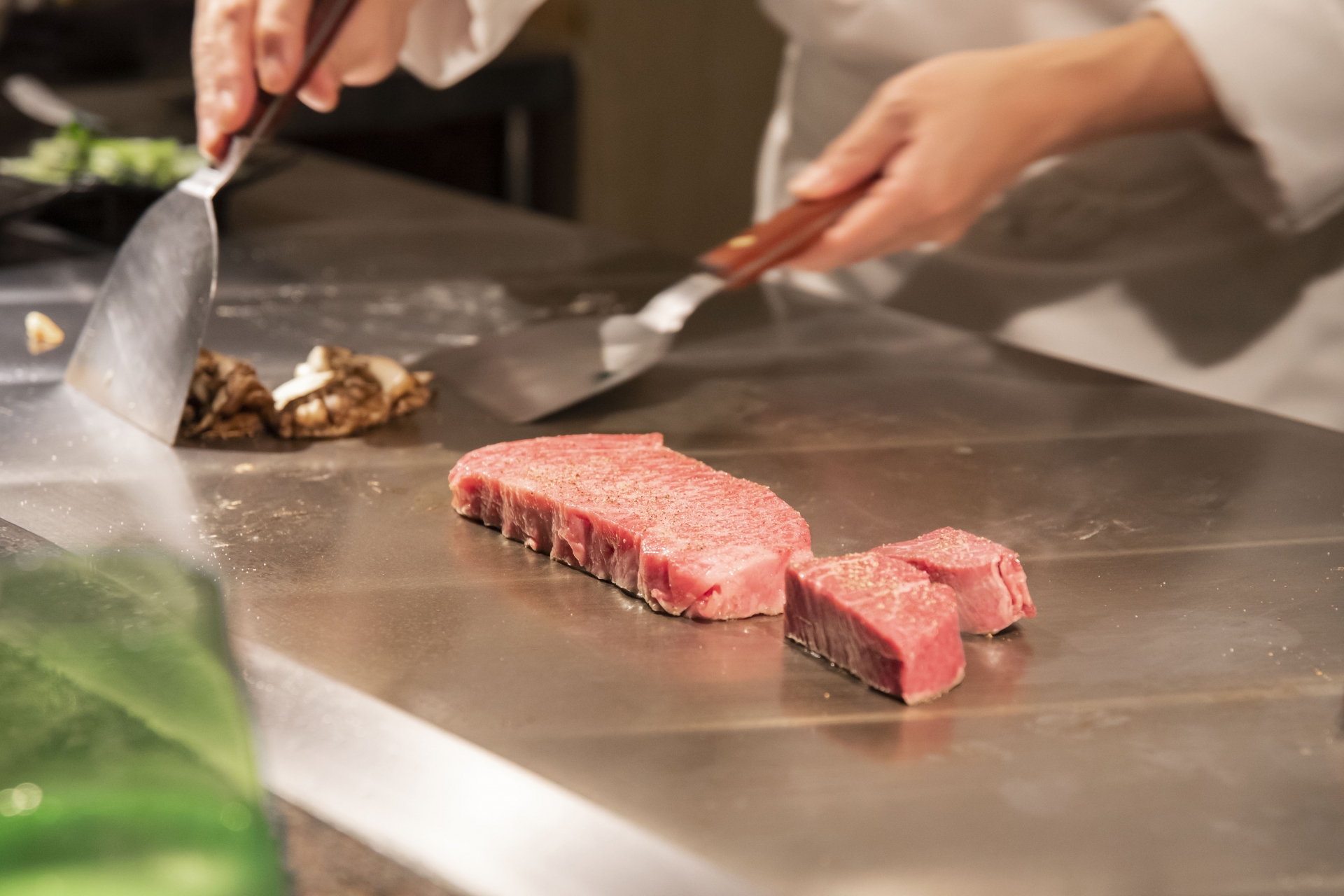
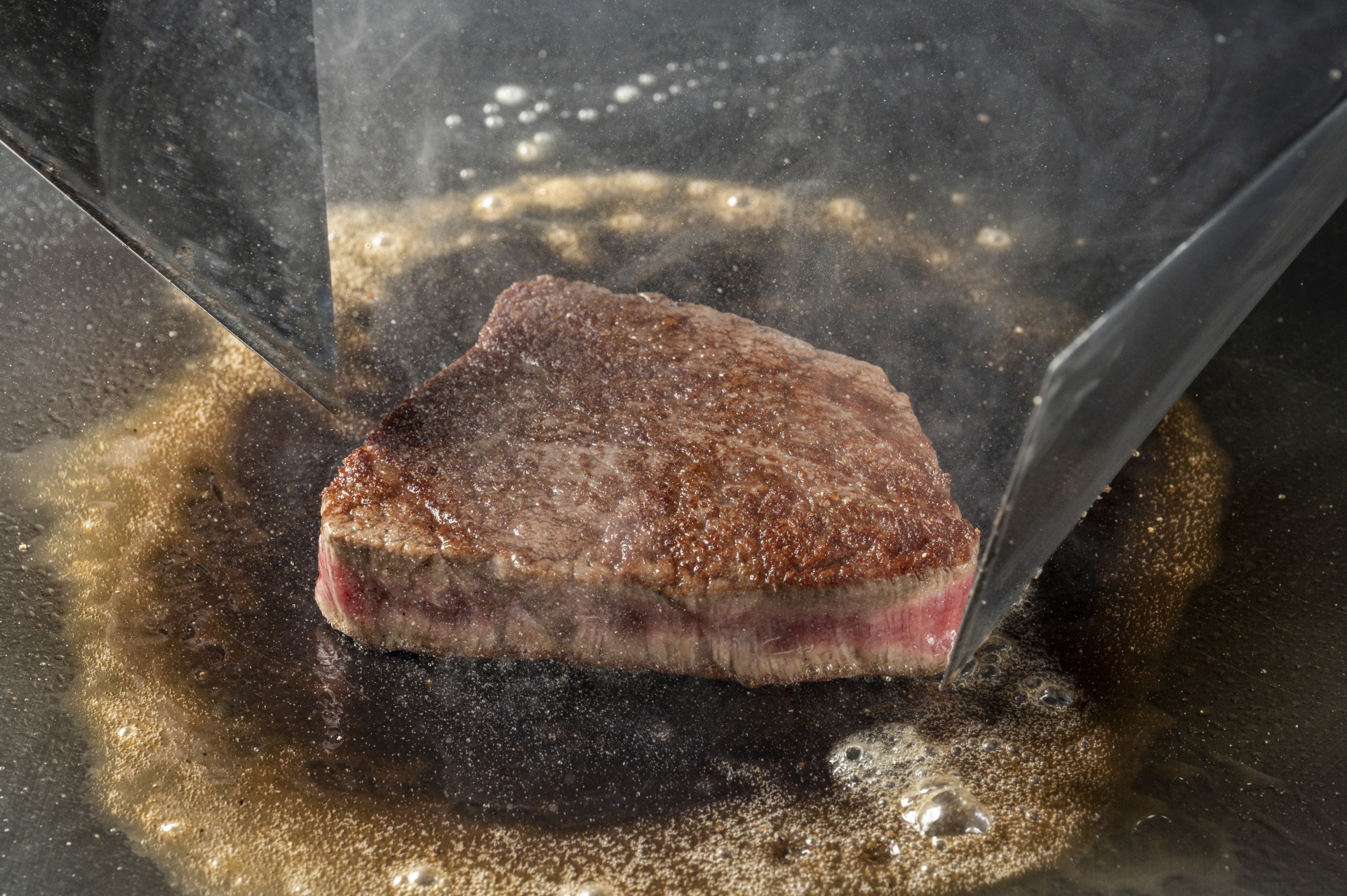
The sound of A5 fat hitting a 200-degree iron plate isn't just a sizzle—it’s a roar. I remember my first real Teppanyaki experience in Ginza like it was yesterday. I was three years into my life in Japan, and honestly, I’d become a bit of a snob. I thought I knew Wagyu. I’d had the supermarket packs, the yakiniku strips—I thought I’d peaked. Then I sat down at a polished iron counter, and a man in a tall white hat treated a piece of beef like it was a holy relic. The fat on this steak wasn't just fat; it was a marble masterpiece. I actually jumped back a little when the first flame shot up, which was embarrassing since the Japanese couple next to me didn't even flinch. But then the smell hit. It’s sweet, almost like coconut or toasted nuts, which is the hallmark of high-grade A5 Wagyu. nnI’d made the rookie mistake of thinking this was just a meal. It’s not. It’s a performance. The chef's knives moved so fast they were a blur, dicing garlic into paper-thin chips that turned golden-brown right before my eyes. He didn't just cook the meat; he curated it. He asked me how I wanted it, and when I said 'medium,' he gave me a look that silently suggested 'medium-rare' would be better. He was right. That first bite literally dissolved. I didn't chew; I just sort of experienced it. If you're looking to book a similar high-end dining experience, you really need to secure a spot early because these 8-seat counters fill up months in advance.
Top Rated
Book a Wagyu Teppanyaki Dinner
Secure a front-row seat at the chef's counter. This full-course A5 Wagyu experience includes the famous fire performance, seasonal seafood, and the legendary garlic rice.
The best 8-seat counters in Ginza and Kobe sell out weeks in advance—don't risk a walk-in failure.
Book Now ↗
I’ve seen tourists show up at 7 PM hoping for a walk-in, only to be turned away with a polite but firm bow. Don't be that person. Seriously. Go early. The 'wow' moment for me wasn't just the meat, though. It was the way the chef used the rendered fat from the steak to fry up the best garlic rice I’ve ever tasted in my life. I actually felt a little emotional eating rice. Is that weird? Maybe. But that’s what happens when you do Teppanyaki right. On top of that, the way they serve the meal in stages ensures you never feel rushed, even though there's a line of people outside waiting for your seat. It’s the ultimate lesson in Japanese hospitality.
Ask for 'Akami' if you're worried about the richness. While 'Shimofuri' (heavy marbling) is the star, a leaner cut of A5 still melts but won't leave you feeling like you swallowed a stick of butter.
What You Need to Know Before You Sit at the Counter
Look, Teppanyaki can be intimidating. You’re sitting inches away from a master with a very sharp knife. My first time, I was terrified I’d use the wrong chopsticks or say something stupid. Relax. The chefs at these bookable experiences are used to international guests. They love showing off. But there are a few things that surprised me. First, the 'Garlic Chip' situation. They will pile these golden chips on your plate. Eat them with the beef. It’s the perfect crunch against the buttery meat. Second, the sequence is specific. You’ll usually get an appetizer, maybe some grilled seafood (the abalone is usually incredible), then the main event, followed by the garlic rice, miso soup, and finally a light dessert in a separate lounge area. nnOh, and here's a tip I learned the hard way: don't wear your favorite silk shirt. Even with the high-tech ventilation, you’re going to smell like delicious grilled fat for at least three hours. It’s a badge of honor, but maybe not great if you have a fancy opera performance right after. If you're staying in a central area like Ginza or Shinjuku, it's much easier to just roll back to your room and change.
Foodie Location
Stay in Ginza (The Foodie Hub)
Stay within walking distance of Japan's most elite Teppanyaki houses. Ginza offers luxury stays where you can drop your shopping bags and head straight to dinner.
Avoid the late-night subway crush after a heavy meal; these hotels are steps from the best grills.
Find Hotels ↗
I always tell people that the most 'awkward' part is the price tag if you aren't prepared. Dinner in 2026 can easily hit 35,000 yen per person with drinks. But here is my ultimate Alex-approved hack: Go for lunch. Most of these high-end spots offer a lunch set that is nearly identical to the dinner menu for about 40% of the price. You get the same A5 beef, the same chef, and the same fire show, but you still have money left over for a second round of drinks later. Also, pay attention to the salt. They usually give you three or four types—Maldon, Himalayan pink, maybe some wasabi salt. Try the first bite with just a tiny pinch of salt to actually taste the beef before you drown it in the soy-based dipping sauces. Trust me on this, the salt brings out the sweetness of the fat in a way that sauce just masks.
If the chef offers you 'beef tallow' crackers (the crispy bits of fat), say YES. They are flavor bombs that most people ignore because they look like scraps.
The Practical Stuff: Where, When, and How Much?
If you're wondering where to actually do this, you have two main choices: Tokyo or Kobe. If you want the 'brand name' experience, go to Kobe. I took my parents there recently, and walking through the narrow streets of Sannomiya to find a hidden basement Teppanyaki spot felt like a true adventure. However, Tokyo (especially Ginza) has some of the most creative chefs who experiment with truffles and uni toppings. Expect to spend about 90 to 120 minutes for the full course. It’s not a fast meal, so don't book this on a night when you're rushing to a train. nnLanguage support is generally great at the spots listed on major booking platforms. Most chefs know enough 'steak English' (Rare, Medium, Garlic, Salt, Delicious!) to get by, and many menus are bilingual. Price-wise, you’re looking at a range. A decent lunch in 2026 can be found for around 10,000–15,000 yen. Dinner starts around 22,000 yen and can go up to 45,000 yen if you start ordering the high-end wine pairings. Is it worth the splurge? In my opinion, yes—but only once or twice. It’s a 'bucket list' item. I’ve done it four times now, and every time I bring a friend from home, their face when they take that first bite makes the bill much easier to swallow. Just remember to check if the service charge (usually 10-15%) is included in the price or added at the end, so you don't have a heart attack when the check arrives. It’s a refined, sensory-heavy experience that represents the pinnacle of Japanese hospitality (Omotenashi). Go in hungry, leave with a very happy wallet-shaped hole in your pocket. You'll thank me later when you're dreaming about that garlic rice at 2 AM.
Book the earliest seating (usually 5:30 PM or 6:00 PM). The chefs are fresh, the restaurant is quieter, and you often get more one-on-one 'performance' time before the rush hits.