Why I Obsess Over These Underground Food Paradises
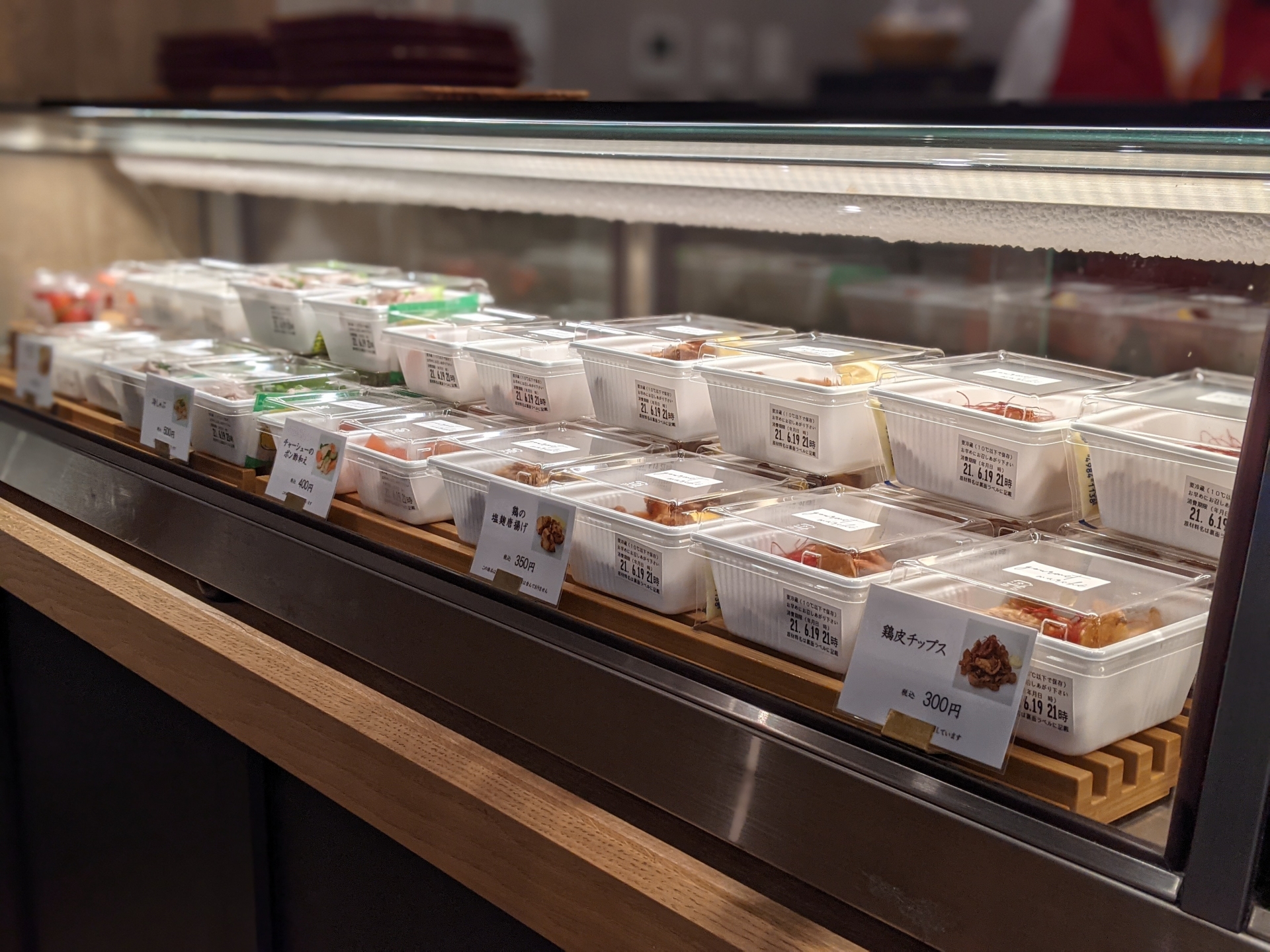
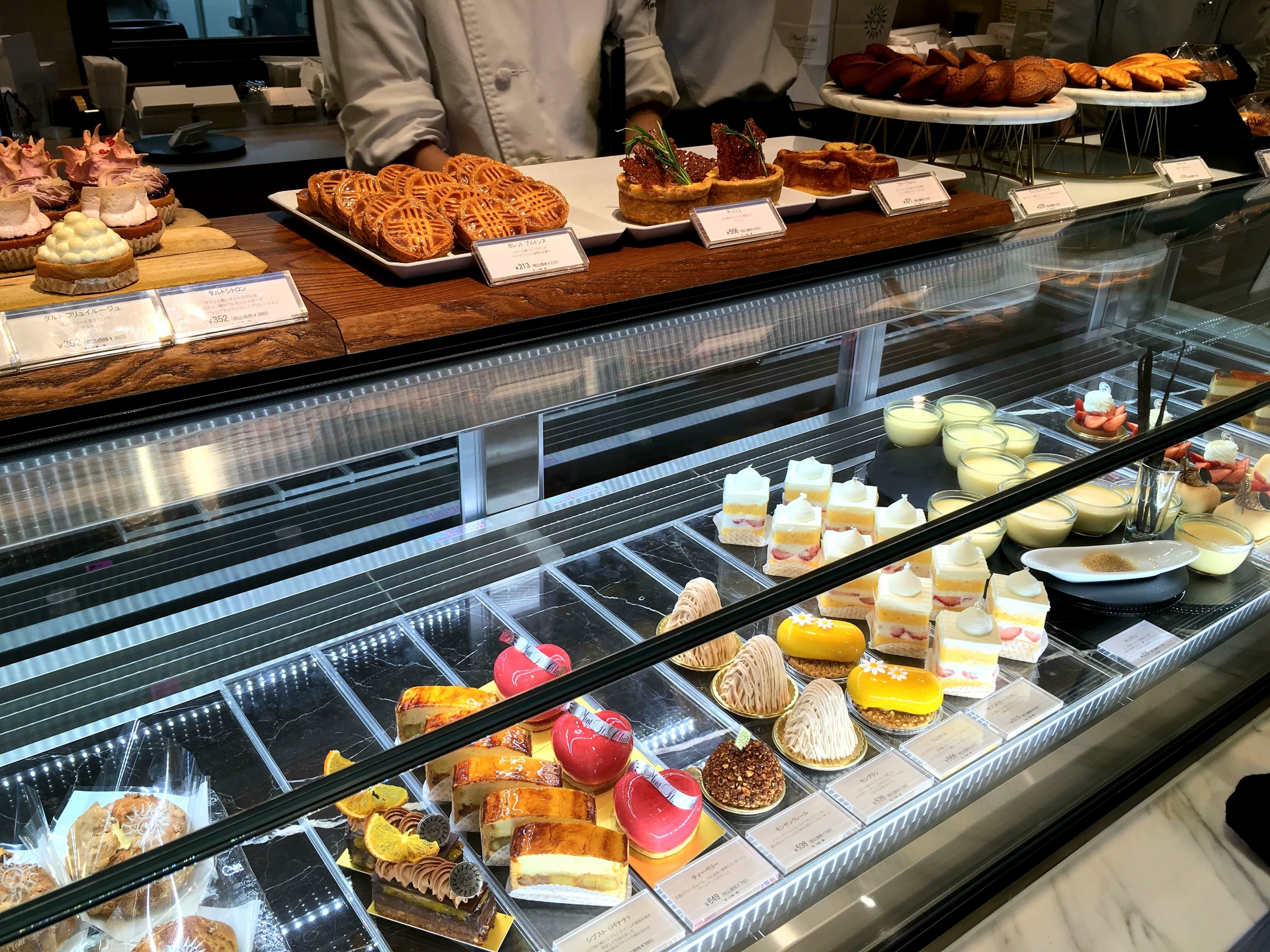
The first time I walked into the basement of Isetan Shinjuku, I thought I’d accidentally entered a high-end jewelry convention. People were whispering, the lighting was soft, and everything was polished to a mirror finish. Then I realized the 'diamonds' were actually perfectly shaped strawberries and gold-flecked chocolates. I’ve lived in Japan for over five years now, and I still get that weird hit of adrenaline whenever I step off the escalator into a 'Depachika' (department store basement). It’s sensory overload in the best way possible. I remember my first visit vividly; I was a broke student and I spent thirty minutes just staring at a ¥20,000 muskmelon. A guy in a tuxedo—yes, a literal tuxedo—was guarding it. It felt absurd. I actually once dropped a ¥1,000 strawberry I'd finally mustered the courage to buy right on the floor. I almost cried. But then I found the prepared food section, and my life changed. I bought a small box of 'katsusando' (pork cutlet sandwich) and a single, perfectly glazed scallop. I took it to the rooftop garden, took one bite, and honestly? I think I saw the face of God for a second. It wasn't just food; it was art that happened to be edible. Pure art. If you want to understand why Japanese people are so obsessed with quality, you have to see this place. It’s not just a grocery store; it’s a museum where you can eat the exhibits. If you’re feeling overwhelmed by the sheer scale of it, I highly recommend booking a guided food tour to help you navigate the 'must-buys' without having a panic attack in the middle of the bento aisle.
Top Rated
Guided Depachika Food Tour
Let a local expert lead you through the maze of Isetan or Takashimaya. You'll learn the history of 'omiyage' culture and taste 5-7 different seasonal specialties without the stress of the crowd.
Isetan is a labyrinth—a guide ensures you don't miss the secret seasonal stalls that locals line up for.
Book Food Tour ↗
Trust me, having someone to explain why one piece of tuna costs more than your shoes is worth every penny. I’ve seen tourists wander aimlessly for an hour only to walk out with a bottle of water because they were too intimidated to point at the fried oysters. Don't be that person. Get in there, get messy, and spend that extra ¥500 on the premium matcha pudding. You won't regret it. Seriously. Just go.
Look for the 'seasonal limited' (kikan gentei) signs. In autumn, the chestnut sweets are life-changing; in spring, anything with sakura will be gone by noon.
What You Need to Know Before You Dive In
Here is the thing nobody tells you: Depachika are functional war zones between 5:00 PM and 7:00 PM. This is when the 'Time Sale' happens. Staff start slapping half-price stickers on everything from premium sushi platters to French pastries. It’s a polite, well-dressed riot. I once saw a grandmother move faster than a Shinkansen to grab the last pack of Wagyu roast beef. If you want a calm, 'curated' experience, go at 11:00 AM. If you want a deal and a story to tell, go at 6:30 PM. But be warned—the selection will be picked over. Another rookie mistake I made? Trying to eat my haul while standing in the middle of the floor. That is a massive social no-no in Japan. There are almost no trash cans and zero seating in the basement. You buy your food, they wrap it like it’s a state secret, and then you have to find somewhere else to eat it. Most big department stores like Isetan or Takashimaya have rooftop gardens (called 'Rooftop Parks'). That is the pro move. Take your fancy bento up there, find a bench, and watch the Shinjuku skyline while you feast. It’s the cheapest 'luxury' lunch in the city. Oh, and keep an eye out for the 'Omiyage' (souvenir) section. This is where the famous brands like Yoku Moku or Toraya live. The packaging alone is worth the price. I once spent ¥3,000 on a box of cookies just because the tin was so beautiful—I still use it to hold my spare change. If you're staying nearby, it's even easier to just retreat back to your room with a bag full of goodies.
Walking Distance
Stay Near Shinjuku Station
The best hotels are within a 5-minute walk of the East Exit. This puts you right next to Isetan and Takashimaya, making it easy to drop off your heavy bags of gourmet treats before they get warm.
Trust me, you don't want to carry a heavy bento and three boxes of cookies on a crowded train at rush hour.
Find Hotels ↗
Just make sure your hotel has a fridge, because you *will* buy more than you can eat in one sitting. The smell of the tempura section alone is enough to make you lose your mind.
The 'Sample Ladies' are your best friends. If someone is holding a tray of tiny cups, take one. It’s usually high-end tea or a new soup stock, and it’s always delicious.
The Practical Stuff: Where, When, and How Much?
If you only have time for one, make it Isetan Shinjuku. It is widely considered the 'Holy Grail' of depachika. It’s massive, slightly confusing, and absolutely packed with the best brands in the country. If you want something a bit more traditional and slightly less chaotic, head over to Nihonbashi Mitsukoshi. It’s the oldest department store in Japan, and the atmosphere is much more 'old-world elegance.' For the budget-conscious, the Tokyu Foodshow in Shibuya is a bit more modern and accessible, though it lacks the 'wow' factor of Isetan's fruit section. Price-wise, you can spend as little or as much as you want. A solid, high-quality bento in 2026 will run you around ¥1,800 to ¥3,000. If you start adding on artisanal chocolates and premium sake, you can easily hit ¥10,000 before you even realize what happened. Most places take credit cards and IC cards (like Suica), which is a lifesaver. Language support is hit or miss, but 'Kore o kudasai' (This one, please) and a finger-point will get you 99% of the way there. Most staff are used to tourists and are incredibly patient. Here's what most people miss: they will ask you if you need an 'ice pack' (Hokureizai). If you aren't going straight back to your hotel, say 'Yes.' They’ll tape a little gel pack to your food to keep it fresh for an hour or two. It’s these tiny details that make the experience so Japanese. Is it worth it? Absolutely. I’ve lived here for years and I still go at least once a month just to see what’s new. It’s the ultimate way to sample the best of Japan's culinary scene without needing a reservation three months in advance. Just remember to breathe.
Don't ignore the 'Western' section. Japanese interpretations of French pastries and Italian deli items are often better (and more creative) than the originals.