Why I Obsess Over the 'B-Grade' Lifestyle
Look, I’ve been living in Japan since before the 2020 lockdowns, and if there’s one thing I’ve learned by 2026, it’s that the best food isn’t found in some sterile skyscraper in Roppongi. It’s found under a rusty train track in Osaka or a neon-lit, slightly damp alley in Nagoya. We call it 'B-kyu gurume' (B-grade gourmet). It’s cheap, it’s unpretentious, and it’s usually deep-fried to perfection. My first time in Shinsekai—Osaka’s retro, slightly sketchy-looking district—I was honestly terrified I’d walk into the wrong shop and get yelled at by a chef who’s been frying the same recipe since the 70s. I remember standing outside a tiny kushikatsu (deep-fried skewers) joint for ten minutes, just watching people through the steam-fogged window. Finally, an old guy with a towel wrapped around his head and a face like a dried plum waved me in. I sat down, ordered a cold beer, and he slid a tray of golden-brown skewers toward me. One bite of the lotus root and I was a convert. The crunch was so loud the guy next to me actually laughed and raised his glass. That’s the magic of these places—they’re loud, they’re messy, and nobody cares if you’re a tourist as long as you’re enjoying the food. I’ve taken dozens of friends here since, and even the pickiest eaters end up ordering seconds of the fried quail eggs. If you want to experience this without the 'where do I go' anxiety, I highly recommend booking a guided street food walk
Top Rated
Book the Ultimate Osaka Food Tour
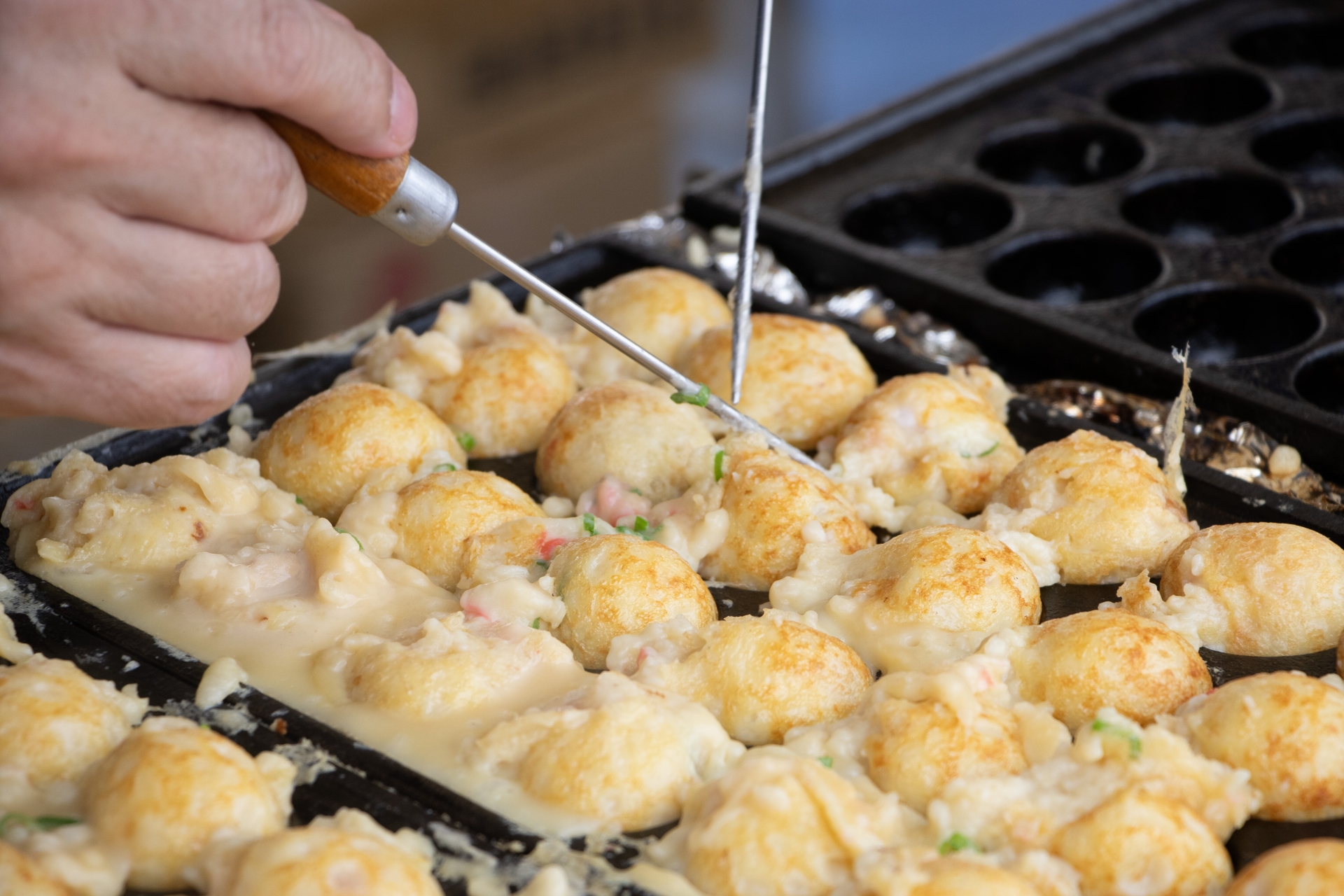
Crawl through Shinsekai's neon-soaked backstreets with a local who knows every fryer by name. You'll taste 10+ items including the legendary kushikatsu and secret-recipe takoyaki.
Avoid the tourist traps and get access to 'locals-only' stalls that don't even have signs in English.
Book Now ↗
because these hidden gems don't always have English menus, even in 2026. Trust me, having someone who knows which stall has the freshest octopus makes a world of difference. I once tried to find a specific takoyaki stand I’d seen on a late-night TV show and ended up wandering into a mahjong parlor by mistake. It was awkward, to say the least. But that's the charm of these neighborhoods. You aren't just eating; you're participating in a culture that hasn't changed much in fifty years. The smell of the oil, the clinking of glasses, and the constant 'Irasshai!' (Welcome!) creates a rhythm you just don't get in a mall food court. And here's the thing: the prices are still incredibly reasonable. While high-end dining has seen massive inflation, your average skewer in Shinsekai still only costs about as much as a convenience store coffee. It's the last bastion of the 'real' Japan for those of us who like our dinner with a side of character.
In Osaka’s Shinsekai, look for the shops with the most handwritten cardboard signs. If the menu looks like it was written by a frantic toddler, the food is usually legendary.
What You Need to Know Before You Hit the Streets
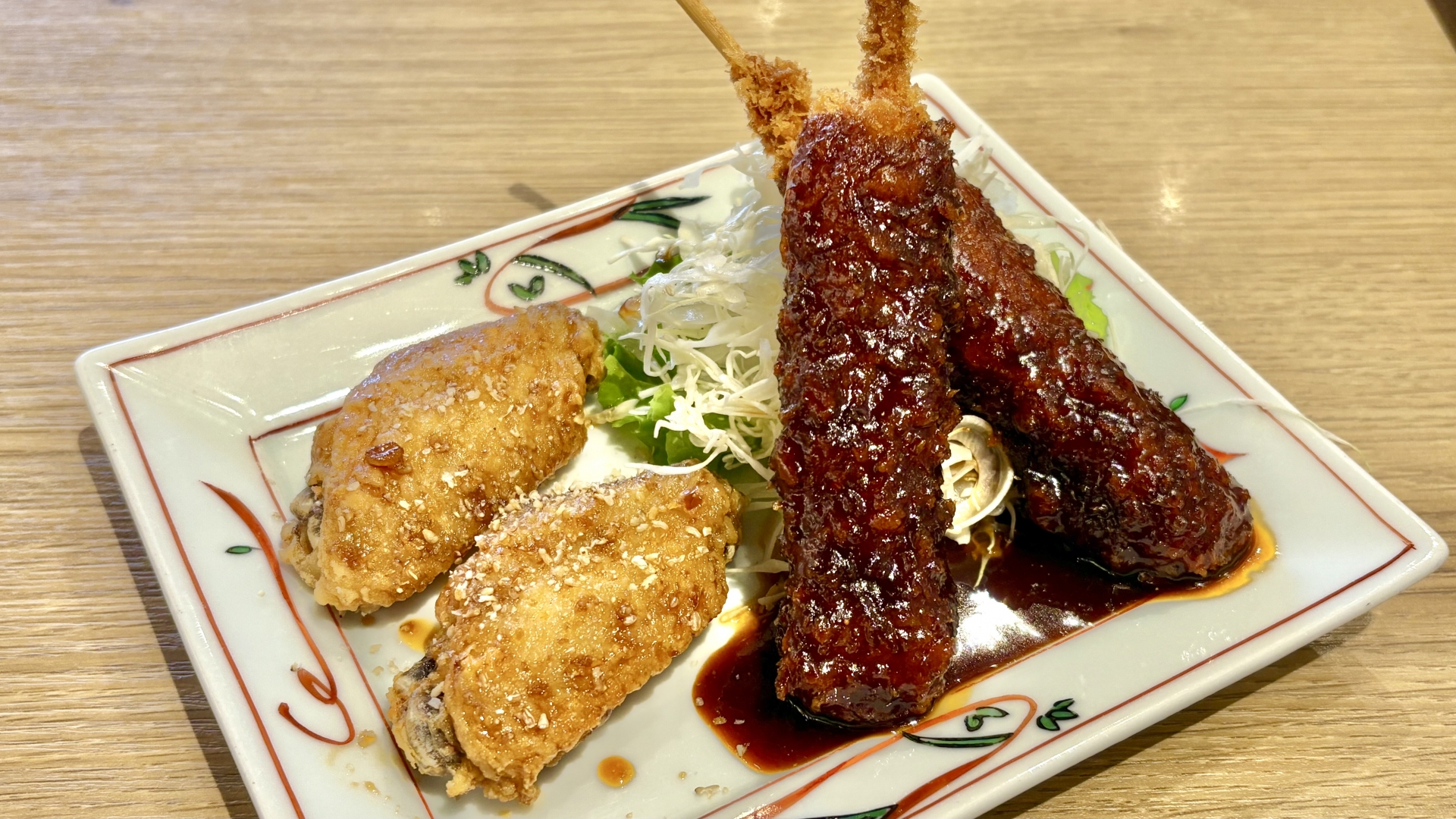
Before you dive headfirst into a plate of Nagoya’s famous tebasaki (chicken wings), there are some 'Alex-approved' rules you need to know. First: the white shirt rule. Do not, under any circumstances, wear white. I made this rookie mistake in Nagoya’s Osu district while eating miso katsu—pork cutlet drenched in a thick, dark fermented soybean sauce. One enthusiastic bite and a giant glob of brown sauce landed right on my chest. I spent the rest of the day looking like I’d had a fight with a mud puddle. It wasn't my finest hour. Second: the 'Double Dipping' law. In Osaka, when you’re eating kushikatsu, you get a communal tin of sauce. You dip ONCE before you bite. Dipping a half-eaten skewer back in is basically a felony in these parts. I’ve seen shop owners give the 'death stare' to tourists who forget. It’s about hygiene, guys! And don't worry about the language barrier too much. Most of these places have 'point-and-pay' systems now, but knowing a few words like 'Oishii' (delicious) goes a long way. If you're staying nearby, like at one of the cool boutique hotels in Namba
Foodie Location
Stay Near the Food Action
Namba is the beating heart of Osaka's food scene. Stay in a stylish boutique hotel just steps away from the Dotonbori lights and a quick hop to the grit of Shinsekai.
The last thing you want after a massive food coma is a 45-minute train ride back to your hotel.
Find Hotels ↗
, you can easily walk off the food coma. The energy in Osu is different from Osaka—it’s a mix of old temples and wacky subculture shops. You’ll be eating a red bean paste bun one minute and looking at vintage 90s electronics the next. It’s chaotic in the best way possible. I once spent three hours just watching a guy make '10-yen bread' (which actually costs about 500 yen now) just because the cheese pull was so hypnotic. You’re going to want your camera ready, but don't be that person blocking the entire narrow walkway for a TikTok. Keep it moving, keep eating. Oh, and here's what most people miss: the side dishes. Everyone goes for the skewers or the wings, but the 'doteyaki' (beef sinew stewed in miso) is the secret MVP of the Osaka scene. It’s melt-in-your-mouth tender and costs next to nothing. On top of that, the local craft beer scene has finally started to penetrate these old-school alleys, so you can often find a local brew to wash down all that salt. Just don't expect a wine list. You're here for the grit, remember?
If a shop has a 'No Double Dipping' sign in English, it’s a tourist spot. If the sign is only in Japanese and looks 40 years old, you’ve found the real deal.
The Practical Stuff: Planning Your Crawl
So, how do you actually do this? If you’re in Osaka, start at the Tsutenkaku Tower around 5:00 PM. The lights are just coming on, and the vibe is electric. For Nagoya, head to Osu Kannon station and just follow your nose. Most B-grade snacks cost between 200 and 800 yen, so bring plenty of 1,000-yen notes. While Japan is slowly moving toward credit cards, these tiny stalls still love their cold, hard cash. I usually budget about 5,000 yen for a full night of 'grazing'—that covers about five different snacks and a couple of drinks. If you’re doing this solo, don't be afraid to sit at the counter. That’s where the action is. I’ve had the best conversations with salarymen who just wanted to practice their three words of English while sharing a plate of gyoza. Is it worth doing again? I do it every single month. There’s always a new seasonal flavor or a hidden alleyway I missed. The duration is usually about three hours before your stomach starts to protest, but honestly, I’ve stretched it to five when the company was good. Just remember to pace yourself. Don't fill up on the first bowl of ramen you see. It’s a marathon, not a sprint. And please, for the love of everything holy, wear comfortable shoes. These are walking districts, and those cobblestones are unforgiving on your arches. I once tried to do a food crawl in brand-new boots and ended up limping into a pharmacy for bandages before I even got to the dessert stage. Learn from my pain! You'll want to check the weather too; while many alleys have awnings, the wind in Shinsekai can be brutal in February. Also, keep an eye on the time. While these places feel like they belong to the night, many of the best family-run stalls close by 9:00 PM because the owners have been up since dawn. Don't be the person showing up at 10:00 PM expecting a full menu. Start early, eat often, and don't be afraid to try the weird stuff—like fried ginkgo nuts or chicken skin skewers. You'll thank me later when you realize you've had the best meal of your trip for the price of a movie ticket.
Go on a Tuesday or Wednesday. Friday and Saturday nights are absolute madness, and you'll spend more time standing in line than actually chewing.