The Moment I Realized Japan Isn't Just for Lager Lovers
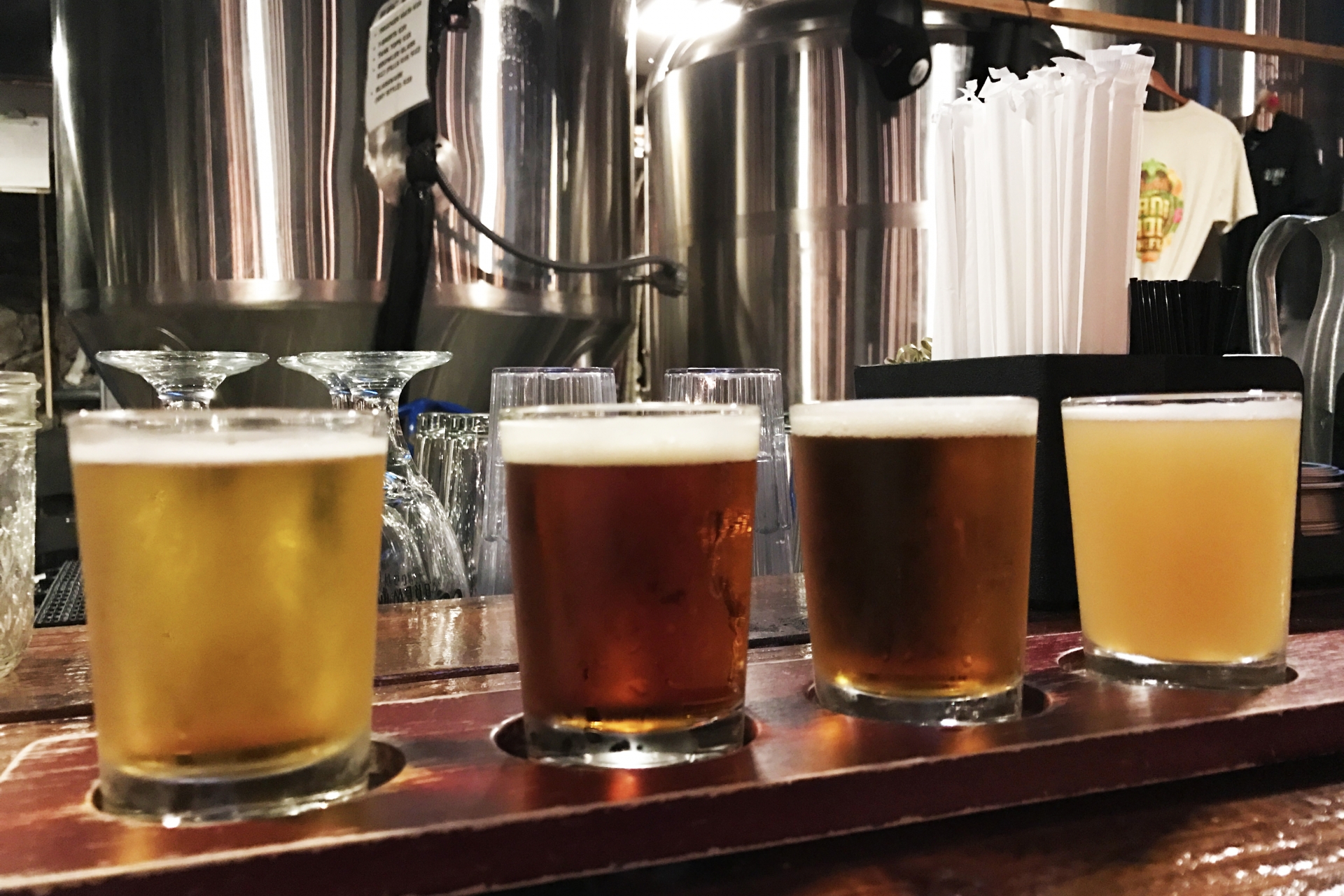
I still remember my first night in Tokyo back in 2021. I walked into a tiny basement bar in Shimokitazawa, expecting the usual dry, fizzy lager that dominates every vending machine and convenience store shelf. Don't get me wrong, a cold Asahi on a humid July night is a religious experience, but I wanted something... more. The bartender, a guy with more tattoos than I have fingers, handed me a 'Nomikurabe'—a tasting flight of four local craft beers. One was infused with Yuzu from Kochi, another was a dark stout that tasted like roasted sweet potatoes, and the third was a Rice Lager so crisp it felt like drinking a mountain spring. I literally stopped mid-sentence. The complexity was wild. For about ten seconds, the noisy bar faded away, and it was just me and this incredible citrus-hop explosion. That was the night I realized the craft beer scene here is Japan’s best-kept secret. nnIf you're coming here in 2026, you're hitting the golden age. The scene has exploded. It’s not just about the big guys anymore; it’s about these tiny 'nanobreweries' tucked away in residential alleys. I’ve spent the last five years hunting these places down, often getting lost in the process. Once, I spent forty minutes wandering around an industrial part of Osaka looking for a brewery that turned out to be inside a converted garage. It was the best IPA of my life. You can actually book a guided crawl that hits these hidden gems without the stress of Google Maps failing you in a concrete jungle
Top Rated
Book a Craft Beer Tour
Join a local expert for a 3-hour crawl through Shinjuku's best hidden taprooms. Includes 4-6 generous tastings and local snacks in spots you'd never find alone.
I've done this tour twice with visiting friends—it's the only way to find the bars that don't have signs in English.
Book Now ↗
. Trust me, having someone who knows which taproom just tapped a limited-edition cherry blossom ale is a game changer. I used to think I was too 'local' for tours, but then I realized I was missing out on the seasonal releases that sell out in forty-eight hours. Don't be the person who just drinks the same beer they have back home. You're in Japan—drink the landscape. nnAnd here's the thing: the variety is actually overwhelming if you don't have a plan. You'll see taps for 'Hazy IPAs' next to 'Miso Porters' and 'Sansho Pepper Ales.' It’s a playground for your palate. I remember taking my brother to a spot in Shibuya where they served a beer brewed with actual bonito flakes. He thought I was joking until he took a sip and realized it had this savory, umami depth that paired perfectly with smoked cheese. That's the beauty of the Japanese craft scene—they take traditional ingredients and force them into a pint glass in ways that shouldn't work, but absolutely do. You just have to be brave enough to order the weirdest thing on the menu. Seriously. Just do it.
Look for the word 'Nomikurabe' (飲み比べ) on the menu. It usually gets you 3-4 small glasses for a fraction of the price of full pints, and it's the only way to survive a night without choosing just one flavor.
What You Need to Know Before You Hit the Taps
Here is the reality check: craft beer in Japan is not cheap. I made the rookie mistake of treating a craft taproom like an izakaya during my first year. I was ordering pints like they were water and ended up with a bill that made my eyes water more than the wasabi. Expect to pay around 1,200 to 1,800 yen for a decent pint. But here’s the thing—the quality justifies it. Most of these places are tiny, often with only 6 to 10 seats. It’s intimate, which is great until you realize you’re sitting six inches away from a salaryman who really wants to practice his English. nnOn top of that, another thing that catches people off guard is the 'Otoshi' or table charge. In many bars, you’ll get a tiny snack you didn't order—maybe some smoked nuts or a bit of potato salad—and you'll see a 300-500 yen charge on your bill. Don't fight it. It's the cost of the seat. I once saw a tourist get into a heated argument over a small dish of pickled radishes in Shinjuku, and honestly, it just ruined the vibe for everyone. Just consider it part of the experience. If you want to stay in an area where you can stumble back to your bed after a few high-ABV Belgian-style ales, I always recommend staying near the Chuo Line in Tokyo or the Gion district in Kyoto
Nightlife Hub
Stay Near the Best Bars
Shinjuku and Shibuya are the heart of the beer scene. Staying here means you can walk home and avoid the dreaded 'last train' scramble after a few pints.
The last train in Tokyo is at midnight—don't let your night end early because of a commute.
Find Hotels ↗
. nnYou should also be prepared for the 'seasonal' obsession. In the autumn, you’ll find pumpkin and maple ales; in spring, it’s all about salt-pickled cherry blossoms. Some of them are weird. I once tried a Miso Stout in Osaka. It sounds like a crime against brewing, right? But it was actually the highlight of my month—salty, savory, and weirdly addictive. But be warned: the 'limited' tags are real. If you see something you like, order it immediately. It won't be there tomorrow. The rhythm of these bars is also different. They aren't rowdy. People actually talk about the notes of the beer. It's a bit nerdy, but in the best way possible. Oh, and don't expect a massive food menu. Most of these places focus 90% on the beer and 10% on small plates like gyoza or pickles. Eat a proper meal before you go if you're a heavy drinker, or you'll be feeling those 8% IPAs very quickly. Trust me on this one.
Most craft beer bars in Japan are strictly non-smoking now, which is a blessing for your palate. However, always check the door for a small sticker—if it says 'Smoking Allowed,' your expensive IPA is going to taste like a Marlboro Red.
The Practical Stuff: Where, When, and How Much?
So, where do you actually go? If you’re in Tokyo, Shinjuku is the obvious choice for variety, but if you want the 'real' vibes, head to Shimokitazawa or Koenji. These neighborhoods are where the brewers actually hang out. In Kyoto, the scene is a bit more refined. You’ll find taprooms inside old machiya (traditional wooden houses), which is an incredible aesthetic contrast—drinking a hazy IPA while looking at a 200-year-old zen garden. Osaka, true to form, is more about the 'hidden' spots in the Namba and Umeda underground. nnPrice-wise, a tasting flight usually runs between 2,000 and 3,500 yen depending on the rarity of the pours. Most bars open around 4:00 PM on weekdays and earlier on weekends. My favorite strategy? Go at 3:00 PM on a Sunday. You’ll get the best seat, the freshest kegs, and you’ll be in bed by 9:00 PM feeling like a champion. Most places now use QR code ordering or have English menus, so the language barrier is almost non-existent in the craft world. Brewers are usually the most international-minded people in Japan, so don't be afraid to ask for a recommendation. nnDuration-wise, give yourself at least two hours. This isn't a 'shot and go' culture. You sip, you snack on some gyoza or smoked cheese, and you watch the world go by. If you’re doing a self-guided tour, pick three bars within walking distance. Don't try to cross the city between drinks—the trains are efficient, but navigating Shinjuku Station after three 8% double IPAs is a level of Difficulty: Impossible that no one needs on their vacation. Stick to one neighborhood, support the local brewers, and I promise you’ll see a side of Japan that most tourists completely fly over. You'll want to keep an eye on the 'Last Train' time too. In Tokyo, that's usually around midnight. There is nothing more humbling than realizing you're stuck in Shibuya with a 10,000 yen taxi ride ahead of you because you stayed for 'just one more' limited-edition stout. Plan your route, drink your water, and enjoy the best beer of your life.
Download the 'Untappd' app before you go. The Japanese craft community is very active on there, and it’s the most reliable way to see what’s actually on tap before you walk across town.