Why I Loved This: The Humbling Art of the Buckwheat Crumb
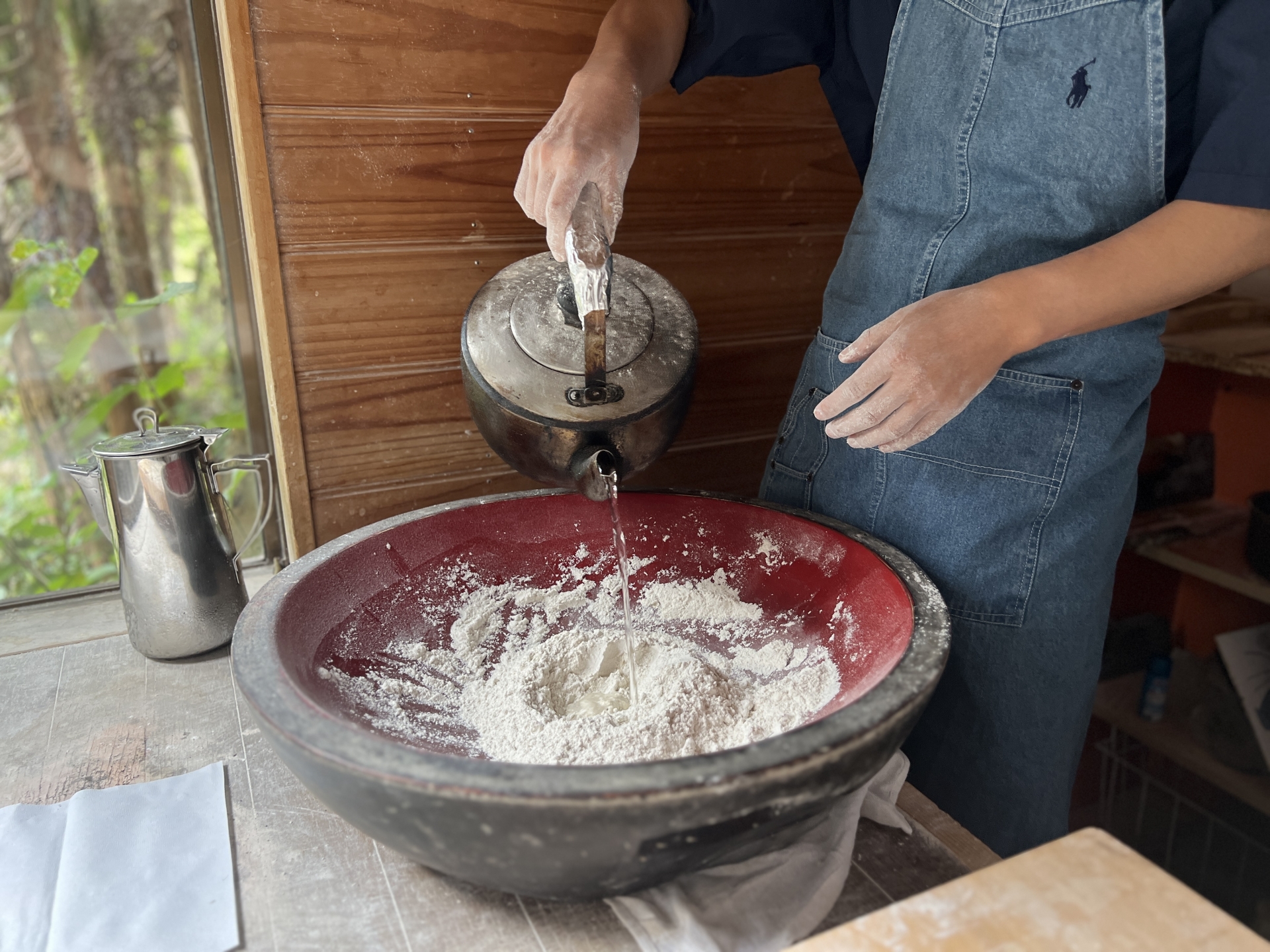
The old master looked at my pile of dough and just sighed. Not a mean sigh, mind you, but a 'we have a long way to go, son' kind of sigh that only a Japanese artisan in his 70s can truly master. I’d walked into this workshop in Nagano thinking my years of baking sourdough during the 2020 lockdowns had prepared me for this. I was wrong. Soba-making (soba-uchi) is a completely different beast. It’s not about the strength of your arms; it’s about the sensitivity of your fingertips. The moment I plunged my hands into that fresh, nutty-smelling buckwheat flour, I realized I was in over my head. The flour felt like silk, but as soon as we added the water—poured in three precise stages—it turned into a temperamental mess. nnI remember looking over at my partner, who was somehow managing to create a perfect sphere of dough while mine looked like a topographical map of the Himalayas. But that’s the magic of it. In a world of high-tech 2026 gadgets, there is something deeply grounding about wrestling with flour and water. When I finally got my dough to a smooth consistency, the sense of achievement was weirdly visceral. I literally stopped mid-sentence when the master showed me how to use the 'cat's paw' technique to knead. It’s rhythmic, almost meditative. And the smell! Fresh buckwheat has this earthy, sweet aroma that you never get from the dried stuff in the supermarket. If you're looking for a genuine connection to Japanese culture that isn't just staring at a temple, this is it. I booked my first session through a local craft collective
Top Rated
Book This Experience
A hands-on 90-minute workshop where you'll mix, roll, and cut your own soba noodles under the guidance of a master. Includes a full meal with your handmade noodles and tempura.
This is the most authentic way to experience Japanese food culture beyond just eating it.
Book Now ↗
and honestly, it changed how I look at a bowl of noodles forever. You’re not just making lunch; you’re learning a skill that’s been passed down for centuries, and you’re doing it in a room that probably smells exactly like it did in the Edo period. nnAnd here's the thing: it's not just about the food. It's about the silence. When you're kneading, the whole room goes quiet except for the sound of the flour hitting the wooden bowl. It's a rare moment of peace in a busy travel itinerary. I’ve lived in Japan for over five years now, and I still find these workshops to be the most rewarding way to spend a Saturday morning. You aren't just a spectator; you're part of the process. On top of that, the masters usually have some incredible stories if you can manage a bit of 'noodle-talk' with them. They’ve seen thousands of tourists fail at this, yet they treat every single student with the same level of patience and respect. It’s humbling, honestly. You realize that even the 'simple' things in Japan require a lifetime of dedication to get right. Don't expect to be a pro by the end of it. Just expect to have a lot of fun and maybe a little flour on your nose.
If you have a choice between 'Nihachi' (80% buckwheat) and 'Towari' (100% buckwheat), go with Nihachi for your first time. 100% buckwheat is notoriously difficult to bind and will likely crumble into a sad mess for beginners.
What You Need to Know: The 'Menkiri' Knife is Terrifying
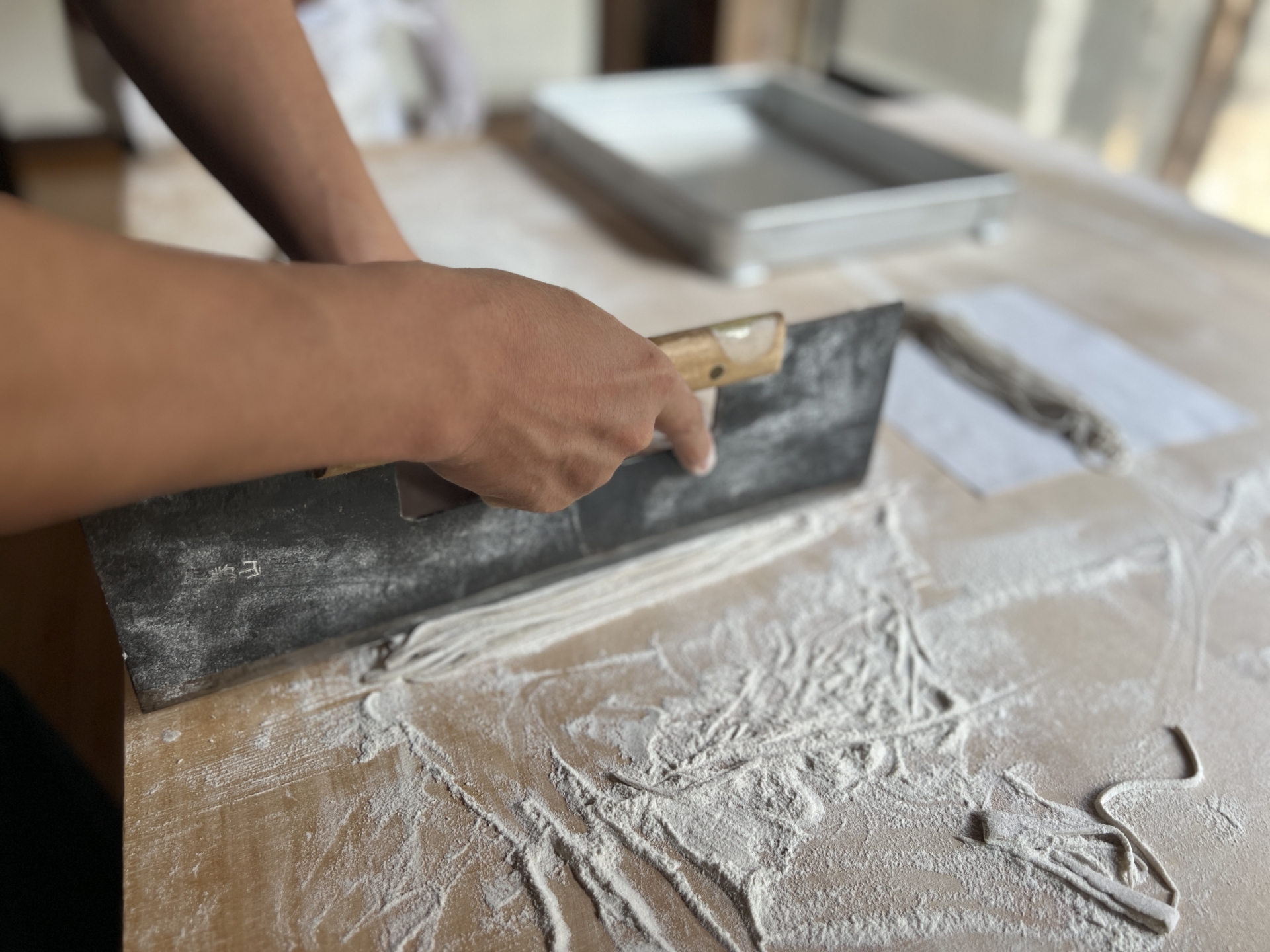
Once you’ve rolled your dough out into a massive, thin sheet—which feels like trying to roll out a piece of delicate leather without tearing it—you get to the scary part: the cutting. The knife used for soba is called a 'menkiri-bocho'. It looks like a giant, rectangular meat cleaver, and it’s heavy. You use a wooden guide board called a 'koma-ita' to move the knife along the dough. My first few cuts were... well, let's just say they were 'rustic.' Some were as thin as angel hair, others were as thick as udon. The master laughed and told me I’d created 'mountain style' soba. nnDon't be me—I made the rookie mistake of trying to go too fast to look cool for a video. I ended up with a jagged mess. Slow down. The rhythm is 'cut, lean, move the board, repeat.' It’s a dance. And don’t worry about the language barrier. Most of these old-school masters don't speak much English, but their hands do all the talking. They’ll literally reposition your fingers and nod when you get it right. It’s an incredibly tactile way to learn. One thing that surprised me was the 'soba-yu' at the end. After you boil your noodles (which takes about 60 seconds), you don't throw away the water. You pour it into your leftover dipping sauce and drink it like a soup. It’s packed with nutrients and tastes like a warm hug. I stayed at a small ryokan nearby
Walking Distance
Stay in the Area
Stay in a traditional ryokan in Matsumoto or Asakusa to complete the cultural vibe. Many local stays offer incredible breakfast spreads that feature—you guessed it—more local buckwheat.
Walking to your workshop from a nearby ryokan makes the morning feel like a scene from a movie.
Find Hotels ↗
just so I could collapse into an onsen afterward, because believe it or not, your shoulders will be sore from all that rolling. It’s a workout you didn't ask for but definitely earned. nnOh, and here's what most people miss: the water quality matters just as much as the flour. In places like Nagano, they use mountain spring water that is incredibly soft. It changes the texture of the dough entirely. When I tried doing this in a Tokyo apartment later, it just wasn't the same. There's a reason the best soba shops are located near clean water sources. You'll want to pay attention to how the master handles the dough—it's almost like they're communicating with it. It sounds cheesy, I know, but after ninety minutes of struggling, you start to get it. You'll leave with a newfound respect for every 1,000-yen bowl of noodles you see at a train station. The level of craftsmanship involved is just insane. Seriously. Go early, take your time, and don't worry about making them perfect. The 'ugly' noodles usually taste the best anyway because they hold more of the dipping sauce in their weird little ridges.
Wear dark clothing or an apron they provide. Buckwheat flour is fine and gets *everywhere*. I wore a black sweater and looked like I’d been in a snowstorm by the time we were done.
The Practical Stuff: Where, When, and How Much?
So, where should you actually do this? If you’re in Tokyo, Asakusa has some great tourist-friendly spots, but if you want the real deal, head to Nagano. Specifically, the Togakushi area is the 'Mecca' of soba. It’s a bit of a trek, but the water there is so pure it makes the noodles taste completely different. Prices in 2026 usually hover around 4,000 to 7,000 yen per person, which usually includes the lesson, the ingredients, and the meal itself. Most places will also give you a little tempura on the side to go with your creations. nnDuration is usually about 90 minutes. You spend about an hour making the noodles and 30 minutes eating them. I’d recommend booking for a late morning slot (around 10:30 AM) so you can eat your results for lunch. Is it worth it? Absolutely. Even if your noodles look like shoelaces, they will be the best shoelaces you’ve ever tasted because you made them. I’ve done this three times now—once in Tokyo, once in Nagano, and once in a tiny village in Saitama—and every master has a different 'secret' technique. It’s the kind of experience that makes you appreciate the craftsmanship that is uniquely Japanese. Trust me, skip the generic cooking class and go for the soba. It's messier, harder, and infinitely more rewarding. nnOne more thing: don't be afraid to go solo. I did my first one alone and it was actually very peaceful. You don't have to worry about anyone judging your terrible cutting skills. But if you go with friends, it's a blast to see who ends up with the most 'mountain style' noodles. Most workshops now require booking at least a few days in advance, especially in 2026 as these experiences have become super popular with the 'slow travel' crowd. If you're heading to Nagano, check out the Soba Museum in Togakushi—it's a bit of a hike but the atmosphere is unbeatable. You're literally surrounded by cedar trees that are hundreds of years old. It makes the whole experience feel like you've stepped back in time. Just make sure you have a way to get back to the station, as buses can be sparse in the late afternoon. You'll thank me later when you're sitting on the train back to Tokyo, smelling like buckwheat and feeling like a total boss.
Check if the workshop offers a 'take-home' option. Some places will let you pack up the noodles you didn't eat so you can cook them for dinner at your Airbnb. Just make sure you have a fridge!