The Moment I Realized I Knew Nothing About Japan
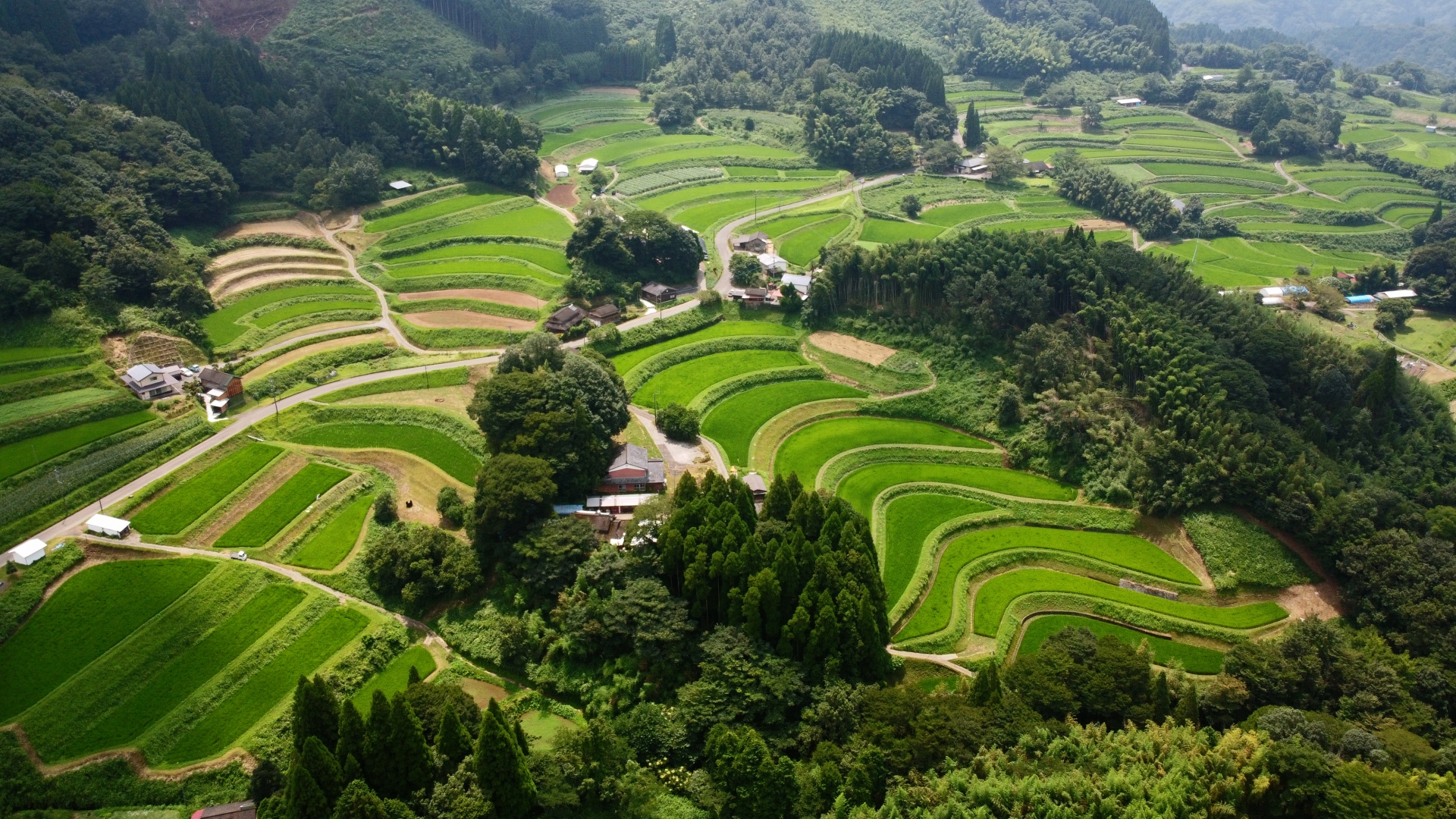
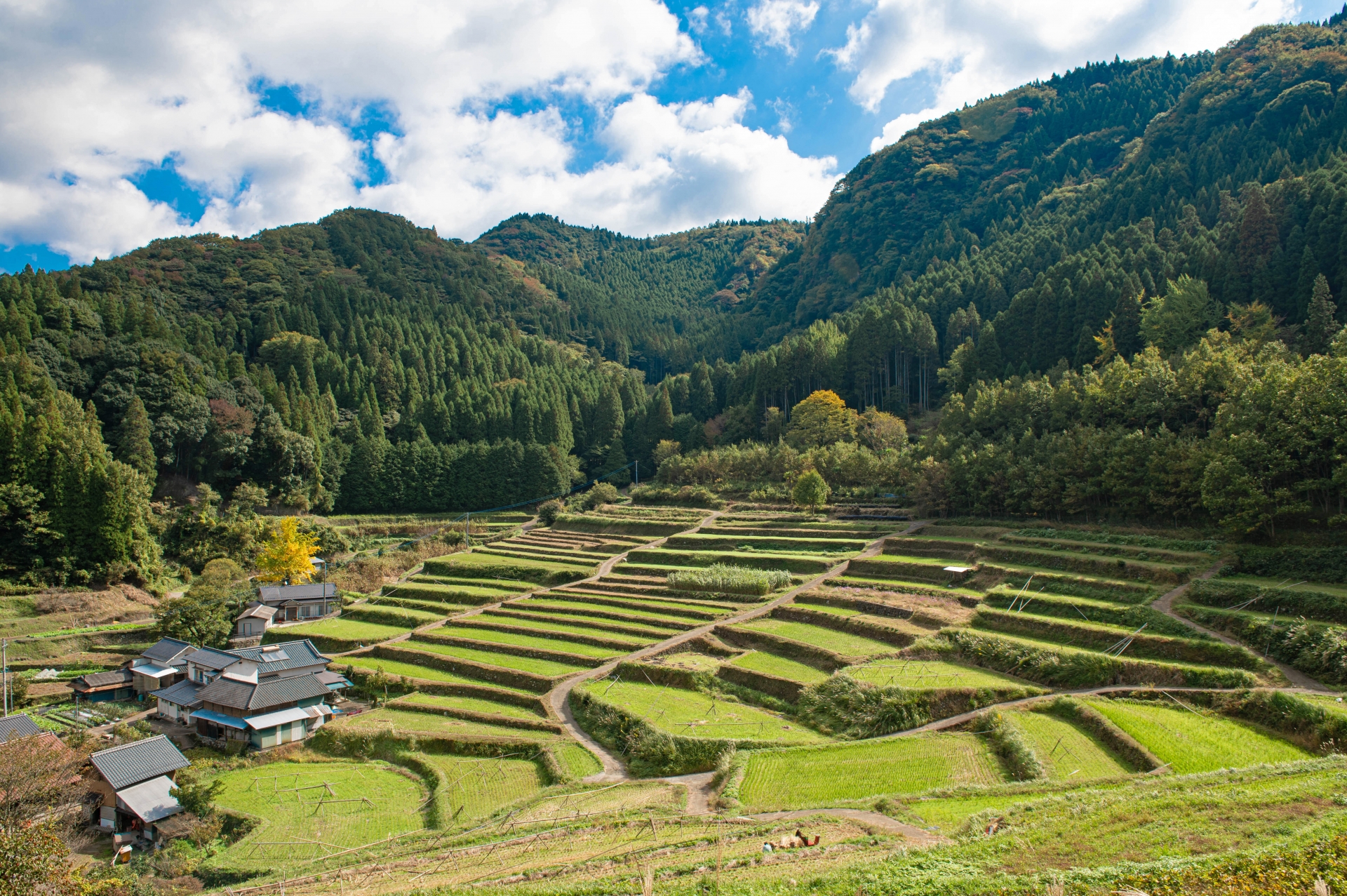
The mud was colder than I expected. Much colder. I was standing in a terraced rice field in Nagano, clutching a bundle of seedlings like they were made of glass, while Tanaka-san—a man in his 70s who moved faster than I ever have—watched me with a mix of pity and amusement. I’d spent five years in Tokyo thinking I 'knew' Japan. I knew the best hidden bars in Golden Gai and how to navigate Shinjuku Station without crying. But standing there, surrounded by mountains that looked like they’d been painted with a heavy brush, I realized I’d been missing the heartbeat of the country. This wasn't just a tour; it was a wake-up call. We spent the morning clearing overgrowth from a forest path that hadn't been touched in years, part of a local effort to maintain the 'Satoyama'—that delicate borderland between the wild mountains and the human villages. nnI’ll be honest: about two hours in, my lower back was screaming. I’m a 30-something writer who spends too much time in ergonomic chairs, not hacking away at bamboo. And here's the thing: the work is actually hard. It’s not a 'photo op' where you hold a shovel for five minutes. You’re sweating, you’re getting scratched by brambles, and you’re probably going to fall over at least once. But then, we stopped for lunch. We sat on the edge of an old wooden porch, drinking tea that tasted like the earth itself, and Tanaka-san told me how the forest provides everything if you just know how to look. It’s a level of connection you simply cannot get from a window seat on the Shinkansen. nnIf you’re looking for a way to actually contribute to the land you’re visiting, booking a guided conservation experience in the Japanese countryside is the single most rewarding thing you can do
Top Rated
Join a Satoyama Conservation Tour
Get your hands dirty with a local guide in the heart of Nagano. You'll help maintain ancient rice terraces or forests and enjoy a traditional farm-to-table lunch with the community.
This is the most authentic way to see rural Japan while actually giving back to the land.
Book Your Spot ↗
. It’s messy, it’s exhausting, and it’s the only time I’ve felt like more than just a 'visitor' in this country. Trust me, the silence of a Nagano forest hits different when you’ve personally helped save a piece of it. You hear the 'shishiodoshi' (bamboo water clacker) in the distance, the rustle of the wind through the cedar trees, and you realize that this landscape only exists because people like Tanaka-san refuse to let it die. It’s humbling. Seriously. Go into it with zero ego and you'll come out with a completely different perspective on what 'sustainability' actually means in 2026.
Don't bring your 'nice' hiking gear. The mud in these rice paddies is like industrial-grade adhesive. Ask the hosts if they have 'jika-tabi' (split-toe boots) you can borrow—they give you way better grip than expensive Western sneakers.
What You Need to Know Before You Get Muddy
Let’s talk reality. These tours aren't just 'nature walks.' You might be thinning cedar trees in Gifu or repairing stone walls in the Iya Valley. It’s physical work. My biggest mistake? Thinking I could do this in my favorite white Uniqlo hoodie. By noon, it was a brown Uniqlo rag. Don't be me. Wear layers you are prepared to burn afterward. On top of that, you need to be ready for the elements. If it rains, you’re still working. If it’s hot, you’re still working. The beauty of these community-led tours is the access. You aren't just walking through a village; you’re being invited into the 'minka' (traditional houses) that most tourists only see from the outside. I remember walking into a 200-year-old farmhouse in Gifu and seeing the smoke from the 'irori' (sunken hearth) rising into the thatched roof. It smelled like woodsmoke and history. nnOh, and let’s address the language barrier. Many of these local legends don't speak much English, but honestly? It doesn't matter as much as you’d think. There’s a universal language in showing someone how to properly swing a sickle or share a bowl of miso soup. That said, having a local guide who can bridge that gap makes the experience 10x better. They’ll explain why the terraced fields are shaped that way—it's for water management, not just aesthetics—and point out the edible wild plants, 'sansai', that you’d otherwise step on. nnAfter a long day of work, there is nothing—and I mean nothing—better than soaking in a local onsen and then crashing in a nearby traditional inn
Authentic Stay
Stay in a Traditional Farmhouse
Stay in the heart of the mountains in Chino. These traditional 'Minshuku' offer tatami rooms, local seasonal cuisine, and the best hospitality you'll ever experience.
Skip the bland business hotels; wake up to the sound of mountain streams and temple bells instead.
Find Farmstays ↗
. It’s the kind of sleep that feels like you’ve actually earned it. Here's what most people miss: the smaller the village, the better the experience. Skip the famous 'tourist' villages for the tiny hamlets in Nagano or Tokushima. The experience is way more intimate when you’re the only non-local in the field. You'll find that the locals are just as curious about you as you are about them. Just be prepared to answer questions about why you'd want to leave a city like Tokyo to play in the dirt.
Bring a pack of high-quality snacks from your home country or a nice box of cookies from a department store in Tokyo as an 'omiyage' (gift) for the local community leader. It’s a huge cultural win and will likely get you invited for an extra round of sake.
The Practical Stuff: How to Not Fail at Satoyama
If you’re ready to ditch the neon for the green, here’s the play for 2026. Most of these tours run out of Nagano, Gifu, or Shikoku. Nagano is the easiest to reach from Tokyo—just a quick hop on the Azusa Limited Express from Shinjuku. Gifu is better if you’re already heading toward Takayama or Kanazawa. These experiences aren't 'drop-in' friendly. You need to book at least 2-3 weeks in advance because these are small, community-run operations, not massive theme parks. They need to know how many bento boxes to order! nnSpeaking of food, if you have dietary restrictions, tell them early. These villages are traditional, and 'vegetarian' often means 'oops, I forgot there’s fish flakes in everything.' You'll want to be very specific about what you can and can't eat. Prices usually range from 8,000 to 15,000 yen for a day trip, which usually includes your gear, lunch, and the expertise of someone who knows the mountain like the back of their hand. Is it worth it? Every single yen. You’re not just paying for a tour; you’re funding the preservation of a way of life that’s literally disappearing as the younger generation moves to the cities. nnYou’ll leave with sore muscles, a phone full of incredible photos, and a weirdly deep sense of peace. I’ve done the robot cafes and the go-karts, and while they’re fun for a laugh, the Satoyama tours are the ones I still talk about two years later. It’s the 'real' Japan people always say they want to find. Just remember to pack extra socks. Seriously. You can never have enough socks. And don't be afraid to ask questions. The locals love talking about their land, even if it's through a translation app. It shows you actually care about the work, not just the 'aesthetic' of the countryside. It’s about the people, the dirt, and the slow, rhythmic pace of life that Tokyo tries its best to make you forget.
Check the weather, but don't cancel if it rains. Working in a misty, rainy forest is one of the most atmospheric experiences you can have in Japan. Just bring a high-quality poncho—not the 100-yen convenience store ones that rip if you look at them wrong.