The Moment I Realized I’d Been Doing Japan All Wrong
I was sweating through my favorite Uniqlo shirt, wrestling with a massive nylon bag that refused to zip, while a salaryman at Shinjuku Station stared at me like I was trying to assemble a nuclear reactor on the platform. That was my first attempt at 'Rinko'—the Japanese art of bagging your bike to take it on a train. It was awkward, I was definitely in the way, and I nearly knocked over a display of bento boxes. But three hours later, I was pedaling through a village in the Boso Peninsula where the only sound was a distant wind chime and the crunch of gravel under my tires. I looked at my phone; I wasn't just off the tourist trail, I was practically off the map. That’s the magic of this. Most people stick to the Shinkansen lines, zipping between cities at 300km/h, seeing nothing but a blur of grey. But when you grab a rental bike and a rinko bag, you unlock the 'Real Japan'—the one with the crumbling shrines, the grandmas selling mikan (oranges) on the roadside, and the coastal views that actually make you stop and breathe. I remember sitting by the seawall in Chikura, eating a convenience store rice ball, and watching the Pacific crash against the rocks. No crowds, no 'Follow me' flags, just me and two wheels. If you're tired of the same three shrines in Kyoto, you need to book a cycling tour or rent a decent road bike for a day to see what I mean
Top Rated
Rent a Pro Road Bike
Get a high-performance road bike or E-bike delivered to major stations. Includes helmet, lock, and optional Rinko bag for train travel. Perfect for tackling the hills of Izu or the coastal flats of Chiba.
The 'Hello Cycling' apps are great for short trips, but for a real 40km coastal ride, your glutes will thank you for a real bike.
Book Now ↗
. It’s the difference between watching a movie and actually living in it. I’ve lived here for five years now, and I still think the best day I ever had was that first disastrous trip where I got lost in a rice field and ended up being invited for tea by a farmer who thought my bike was 'cool.' You can't plan that stuff, but you can certainly make it possible by getting out of the city. The air out there in Chiba smells different—it’s a mix of salt spray and cedar trees, and it hits you the second you step off that two-car local train. You realize that Tokyo is just a tiny, loud fraction of what this country actually is. I spent the afternoon following a road that didn't even have a name on my GPS, passing through tunnels carved into the rock that looked like they hadn't seen a car since the Showa era. Every time I thought about the crowded platforms back in the city, I just pedaled a little faster. It’s addictive, honestly. Once you realize you can just pack up your transport and take it anywhere, the whole country opens up like a pop-up book. You aren't tied to bus schedules or expensive taxis anymore. You're just a guy with a bike and a train ticket, and that's a level of freedom that's hard to find in 2026.
Don't try to 'Rinko' during rush hour in Tokyo. I did it once at 8:30 AM on the Yamanote line and the literal daggers being stared at me by commuters were enough to make me want to vanish. Head out after 10 AM or before 7 AM.
The Rules of the Road (And the Train)
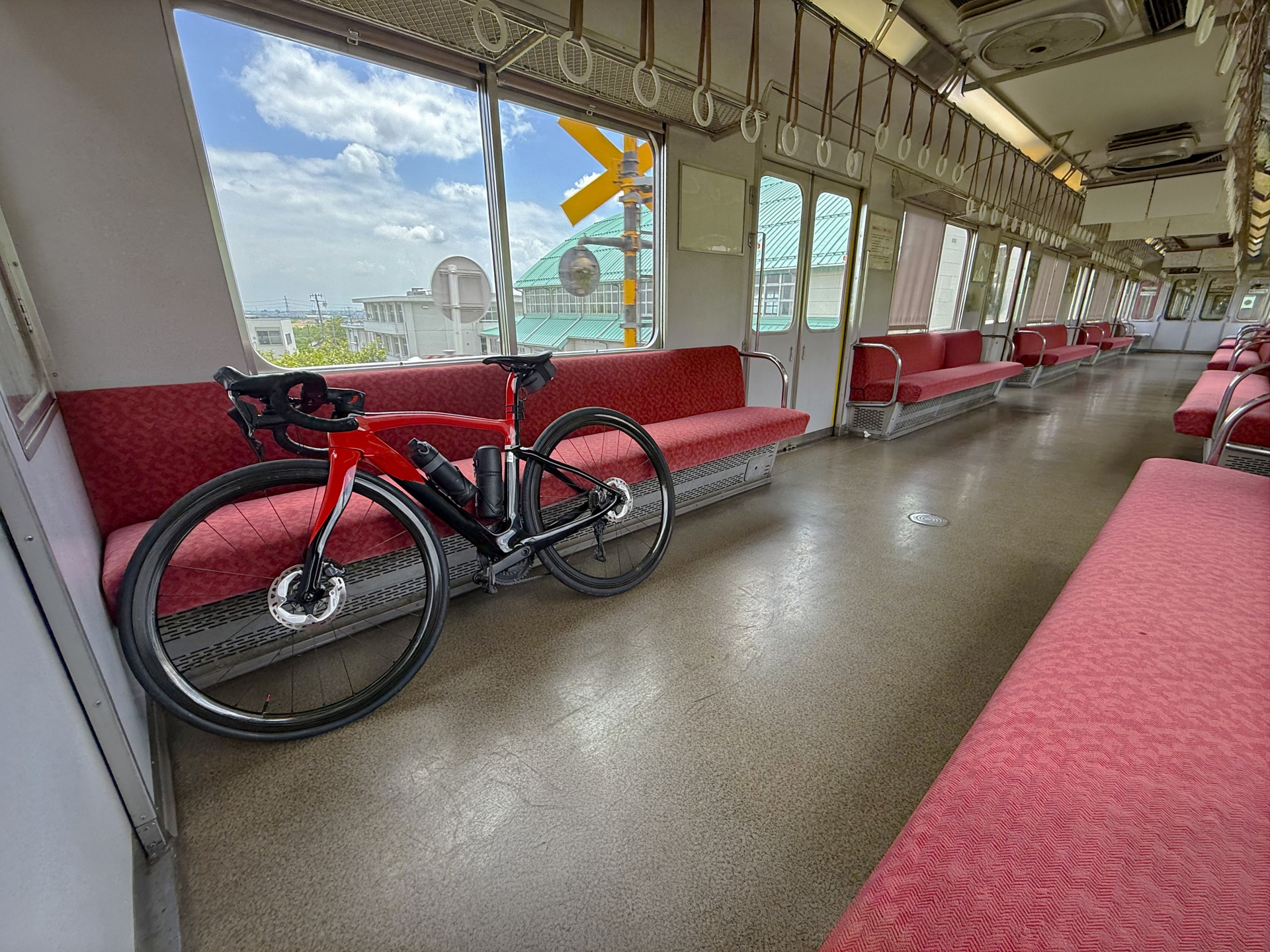
Here’s the thing about Japan: there is a rule for everything, and 'Rinko' is no exception. You cannot—I repeat, CANNOT—just wheel your bike onto a train. I saw a guy try it at a small station in Izu, and the station master shut him down faster than a sliding door. Your bike must be partially disassembled (usually just the front wheel) and completely enclosed in a dedicated 'Rinko bag.' No wheels sticking out, no handlebars poking through. It’s a bit of a learning curve. My first time, it took me 25 minutes to get the damn thing in the bag. Now? I’m a pro—ten minutes tops. But don't let the logistics scare you. Once you're on that local train, watching the scenery change from concrete jungles to lush green mountains, you’ll realize it's worth the effort. I usually aim for the very last carriage of the train; there’s more space behind the driver’s cab to tuck your bike away without blocking the aisle. Oh, and if you’re staying overnight, look for a 'Cycle Hotel' or a ryokan that specifically mentions bike-friendly rooms
Walking Distance
Stay in Tateyama (Cyclist's Paradise)
Tateyama is the perfect base for exploring the Boso Peninsula. Look for hotels near the station with 'Cycle Pit' facilities for easy maintenance and secure overnight storage for your gear.
Waking up at the tip of the peninsula means you get the best sunrise views before the day-trippers arrive from Tokyo.
Find Hotels ↗
. I once stayed at a place in Tateyama where they let me keep my bike in the lobby, and the owner even gave me a bottle of chain lube because he saw mine was looking a bit dry. That kind of hospitality is what makes these trips. You’ll also want to keep an eye on the weather. I made the mistake of ignoring a 'light rain' forecast in 2024 and ended up biking 15km in a literal monsoon. My shoes didn't dry for three days. Check the 'Tenki.jp' app—it’s way more accurate for local micro-climates than the standard weather apps. Trust me, a sunny day on the coast is heaven, but a rainy day on a bike in rural Chiba is just a very long, very wet workout. On top of that, you need to be mindful of the 'Oversized Luggage' rules on certain lines. While local trains are usually chill, some limited express trains require you to book a specific seat if your bag is huge. I always check the JR East website the night before just to be safe. It sounds like a lot of homework, but it becomes second nature after the first trip. And here's the thing... the station staff are actually super helpful if they see you're trying to follow the rules. I've had guys help me carry my bag up the stairs when the elevator was broken. Just be polite, keep your bag out of the way, and you'll be fine. It's all about that 'omotenashi' spirit, even when you're a sweaty foreigner with a giant nylon bag.
If you don't want to buy a bag, some rental shops near major 'Cycle Routes' like the Shimanami Kaido will actually rent you the bag too. Always ask for a 'Rinko-bukuro'.
How to Actually Pull This Off Without Crying
So, how do you do it? First, don't buy a bike. Unless you're living here, just use the 'Hello Cycling' app or find a pro rental shop at a major station. The 'Hello Cycling' bikes are electric-assist (mama-chari style), which sounds lame until you hit your fifth hill in the midday sun. Then, they feel like a gift from the gods. If you want a real road bike, places like 'Giant Store' or specialized local hubs are your best bet. Expect to pay around 3,000 to 5,000 yen for a day's rental. If you’re doing the train combo, you’ll need a bag, which costs about 4,000 yen at a shop like Y's Road, but it’s an investment in your freedom. I recommend starting with the Boso Peninsula in Chiba. You can take the 'Boso Bicycle Base' (B.B.BASE) train from Ryogoku Station in Tokyo. It’s a literal train designed for cyclists—you don't even have to bag your bike! You just roll it on and clip it into a rack. It’s the 'easy mode' version of this adventure and honestly, it’s how I recommend most of my friends start. The train only runs on weekends, though, so plan ahead. If you're going the DIY route on a regular local train, just remember to be polite. Japan is a 'don't be a nuisance' culture. If your bike bag is taking up three seats, you're the villain of the story. Stand with it, keep it tucked away, and maybe buy a 'Green Car' (First Class) ticket if you're on a longer line like the Tokaido—it’s worth the extra 1,000 yen for the peace of mind and the extra floor space. Is it harder than just taking a bus? Yeah. Is it more rewarding? A thousand times yes. You’ll see things 99% of tourists miss, and you’ll have the leg muscles to prove it. I remember one time I was biking through a tiny fishing village near Katsuura and I found a vending machine that only sold local fermented snacks. I sat there on a curb, eating something I couldn't identify, watching the fishing boats come in. That's a memory I'd never have if I was stuck on a tour bus with 40 other people. You get to dictate the pace. If you see a cool temple, you stop. If you see a bakery that smells like heaven, you stop. That's the whole point. Just make sure you have a spare battery for your phone. Using GPS in the countryside drains it fast, and you don't want to be stuck in the dark trying to find a station that only sees one train an hour. Trust me, I've been there, and it's not as romantic as it sounds.
Download the 'Offline Maps' on Google before you go. Signal can be patchy in the deep valleys of Chiba or Izu, and there is nothing quite like the panic of a 1% battery and no idea which way leads back to the station.