Why I Loved This: The Day the Train Didn't Come
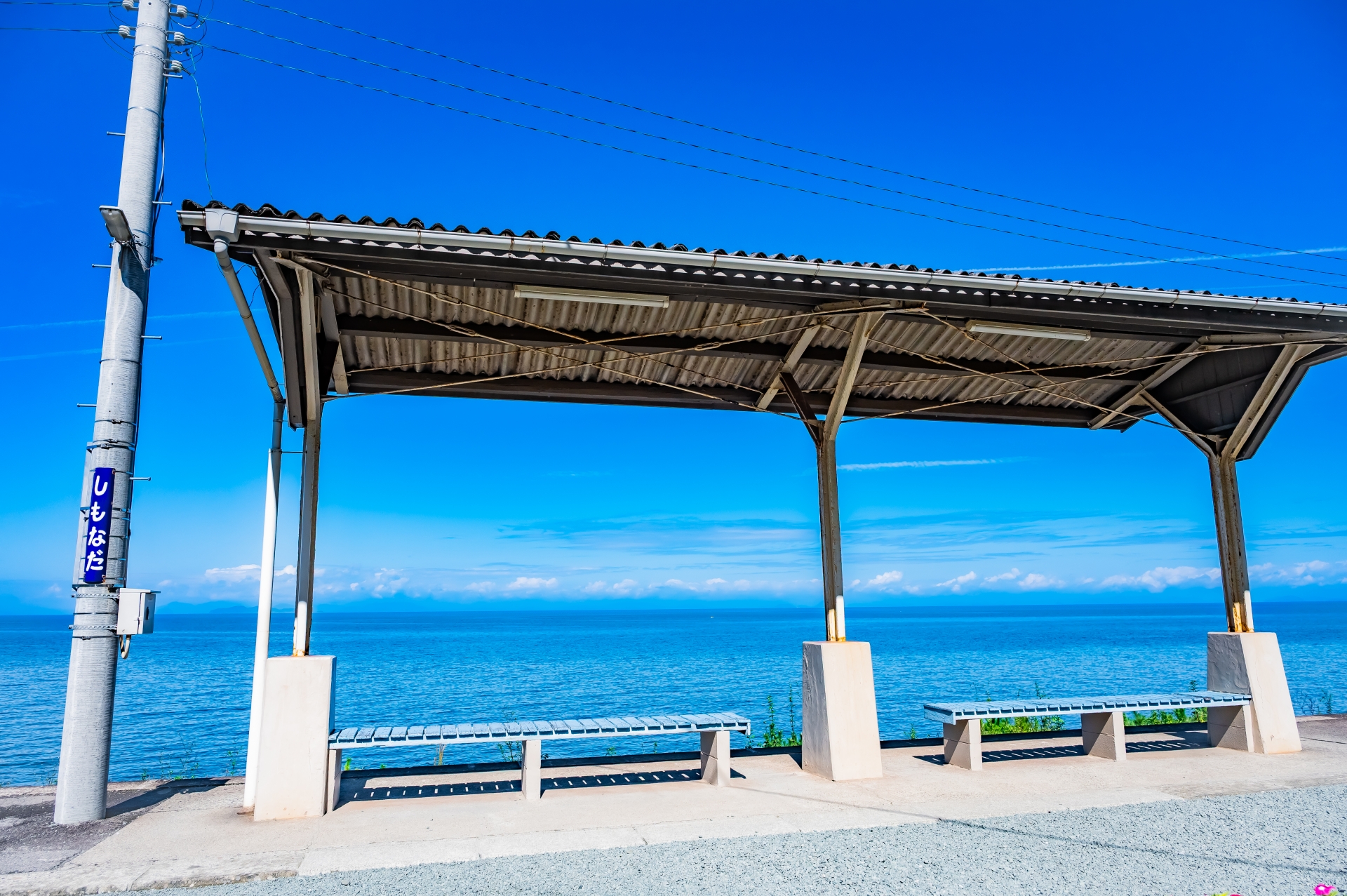
The silence was so heavy it actually made my ears ring. I was standing on a wooden platform in the middle of Shikoku, watching the tail lights of a two-car diesel train vanish into a tunnel. I was the only person who got off. No ticket gate, no staff, just a rusted bell and a sign that looked like it hadn't been painted since the 1980s. This is the reality of Japan’s 'mujineki'—unmanned stations. Most tourists are busy fighting for a photo-op at Shibuya Crossing, but I’ve spent the last five years hunting for these pockets of 'marginal villages' (genkai shuraku). These are places where the population is aging, the schools are closed, and time has essentially folded in on itself. It sounds depressing, doesn't it? But it’s not. It’s hauntingly beautiful. I remember walking into a tiny settlement near the station, and an old woman—probably ninety if she was a day—just stared at me like I’d dropped from Mars. She didn't ask for a ticket; she asked if I’d eaten lunch. Ten minutes later, I was sitting on her porch eating the sweetest mikan oranges I’ve ever tasted. You don't get that at a Tokyo Starbucks. To get out here, you really need a solid rail pass to make the hopping between these remote lines affordable.
Essential
JR Shikoku Rail Pass
The golden ticket to the most remote unmanned stations in Japan. Covers all major lines across Shikoku's four prefectures for 3, 4, 5, or 7 days.
This is the only way to explore the deep Iya Valley without spending a fortune on individual tickets.
Get Your Pass ↗
It was the first time in Japan I didn't feel like a 'customer.' I felt like a guest in a world that’s slowly disappearing. It’s awkward at first—you feel like you’re trespassing on someone’s private history—but then you realize the people left in these villages are often desperate to share their stories before there’s nobody left to tell them to. I literally stopped mid-sentence when I saw the view from the village cemetery; the entire valley was glowing in the afternoon sun, and for about ten seconds, I forgot I had a flight to catch in two days. This is the 'real' Japan people claim to look for but rarely have the guts to find. And here's the thing: these places aren't just 'abandoned.' They are living museums of a Japan that existed before the economic bubble burst. You can smell the cedar wood and the faint scent of woodsmoke in the air, something you never get in the city. It’s a sensory overload of the quietest kind. You'll want to bring a book, but you probably won't read it because you'll be too busy staring at the way the moss grows on the station roof. Seriously. Go early.
Don't just look for 'famous' unmanned stations like Shimonada—they're actually crowded now. Use Google Maps to find stations with only one or two trains every few hours. That's where the real magic is.
What You Need to Know Before You Go: The 'Boss Coffee' Survival Guide
Let’s get real for a second: this isn't a curated tour. I made the absolute rookie mistake of thinking there would be a convenience store near the station. There wasn't. There wasn't even a working vending machine. I spent six hours hiking through a village in Akita on a single can of lukewarm Boss Coffee I found in my bag. Don't be me. When you head to these marginal villages, you are entering a zone where the 'convenience' of Japan disappears. You need to pack water, snacks, and a portable battery because your GPS will struggle in the deep valleys. Also, Suica and Pasmo cards? Forget about them. Most of these tiny lines are cash-only or require you to take a little paper slip (seiriken) when you board. I once spent twenty minutes trying to explain to a confused conductor why I didn't have a ticket because I was so used to just tapping my phone. It was embarrassing, but he just laughed and wrote me a manual receipt.
Best Hub
Stay in Matsuyama
The perfect hub for exploring the Shikoku coast. Stay near the station to catch the early 6 AM trains to the rural 'ghost' lines. The Dogo Onsen area offers incredible ryokans to soak in after a long day of hiking.
Matsuyama is the gateway to the famous Shimonada station—stay here to beat the sunset crowds.
Find Hotels ↗
You also need to be mentally prepared for the 'genkai shuraku' vibe. You’ll see abandoned houses with vines growing through the windows. It’s a photographer’s dream, but remember people still live there. Don't go poking your camera into someone's living room. The best way to do this is to pick a hub city like Matsuyama or Morioka and take the first train out. Give yourself the whole day. If you miss the return train, you might be sleeping on a wooden bench, and trust me, those benches are not designed for comfort. The rhythm of these places is slow. You’ll spend three hours walking, one hour talking to a local about their vegetable garden, and two hours just sitting on a bridge watching the river. It’s the ultimate detox from the neon madness of the cities. Oh, and here's what most people miss: the 'seiriken' system. When you get on a one-car train, you have to grab a numbered ticket from a machine by the door. When you get off, you look at a digital board at the front of the train to see how much you owe based on your number. It’s like a bus, but on tracks. If you don't have exact change, you're going to have a bad time. Most of these trains have a change machine at the front, but they don't take 5,000 or 10,000 yen notes. Seriously. Carry 1,000 yen bills like they're gold.
Download an offline map of the area. Cell service in the mountains of Shikoku or Tohoku is notoriously spotty, and you don't want to lose your way back to the station when the sun goes down.
The Practical Stuff: How to Not Get Stranded (Permanently)
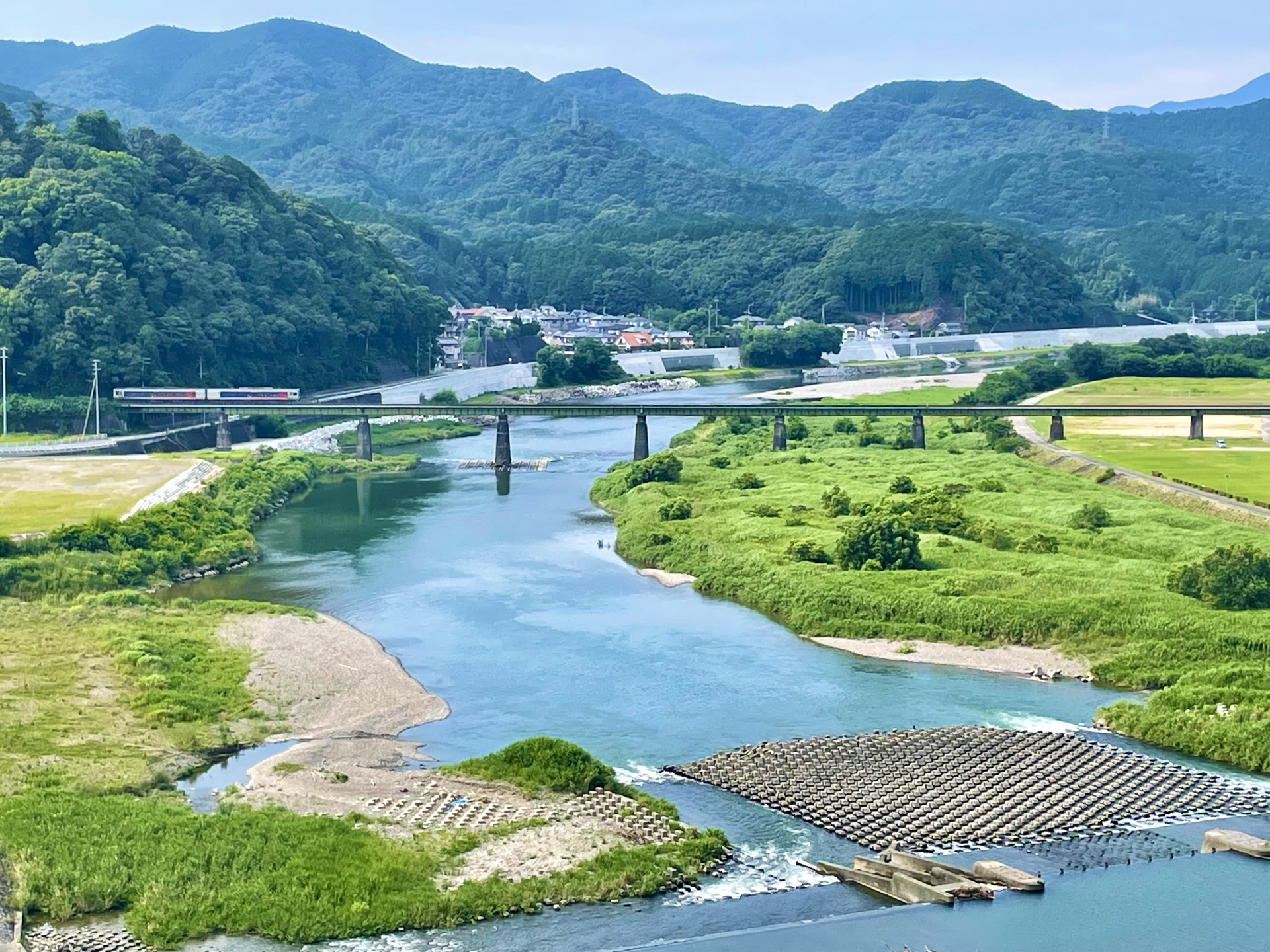
If you're ready to ditch the neon, here’s how you actually pull this off. First, choose your region. Tohoku (specifically Aomori and Akita) is incredible for that 'end of the world' feeling, especially in late autumn. Shikoku is better if you want rugged mountains and deep blue rivers. The San-in coast is the sleeper hit—hardly any tourists go there, and the stations overlooking the Sea of Japan are breathtaking. You’ll want to check the NAVITIME or Jorudan apps specifically for local lines (JR lines are easiest, but look for private lines like the Iyotetsu in Matsuyama too). Language-wise, you’re going to need a translation app or some basic Japanese. 'Sumimasen' (Excuse me) and 'Oishii' (Delicious) will get you 90% of the way there. Most villagers are genuinely curious about why a foreigner is in their tiny town. I’ve found that being honest—'I wanted to see the beautiful landscape'—opens doors faster than any guidebook. Pricing is basically just the cost of your train ticket, usually around 2,000 to 5,000 yen for a round trip from a major city. I’d recommend doing this as a solo trip or with one very patient friend. If you bring a group, you’ll ruin the silence, and that silence is the whole point. Would I do it again? I do it every month. Every time I feel like Tokyo is swallowing me whole, I hop on a local train, get off where nobody else does, and remember that Japan is so much bigger than the Yamanote line. It’s a bit lonely, a bit dusty, and entirely perfect. On top of that, look for the 'Communication Notebook' (ekino noto). Most unmanned stations have a notebook where travelers leave drawings and messages. It’s like a physical version of a 1990s internet forum. I once found a message from a guy who had visited the same station every year for twenty years just to see the cherry blossoms. It’s those little human connections that make these 'ghost' stations feel more alive than a crowded mall in Shinjuku. You'll want to check the weather forecast religiously, though. A little rain is atmospheric, but a typhoon will leave you stranded for real, and not in the fun way. Trust me on this.
Check the station's 'Communication Notebook' (ekino noto). Most unmanned stations have a notebook where travelers leave drawings and messages. It’s like a physical version of a 1990s internet forum.