
The Night I Realized Japanese Rock is Better in a Basement
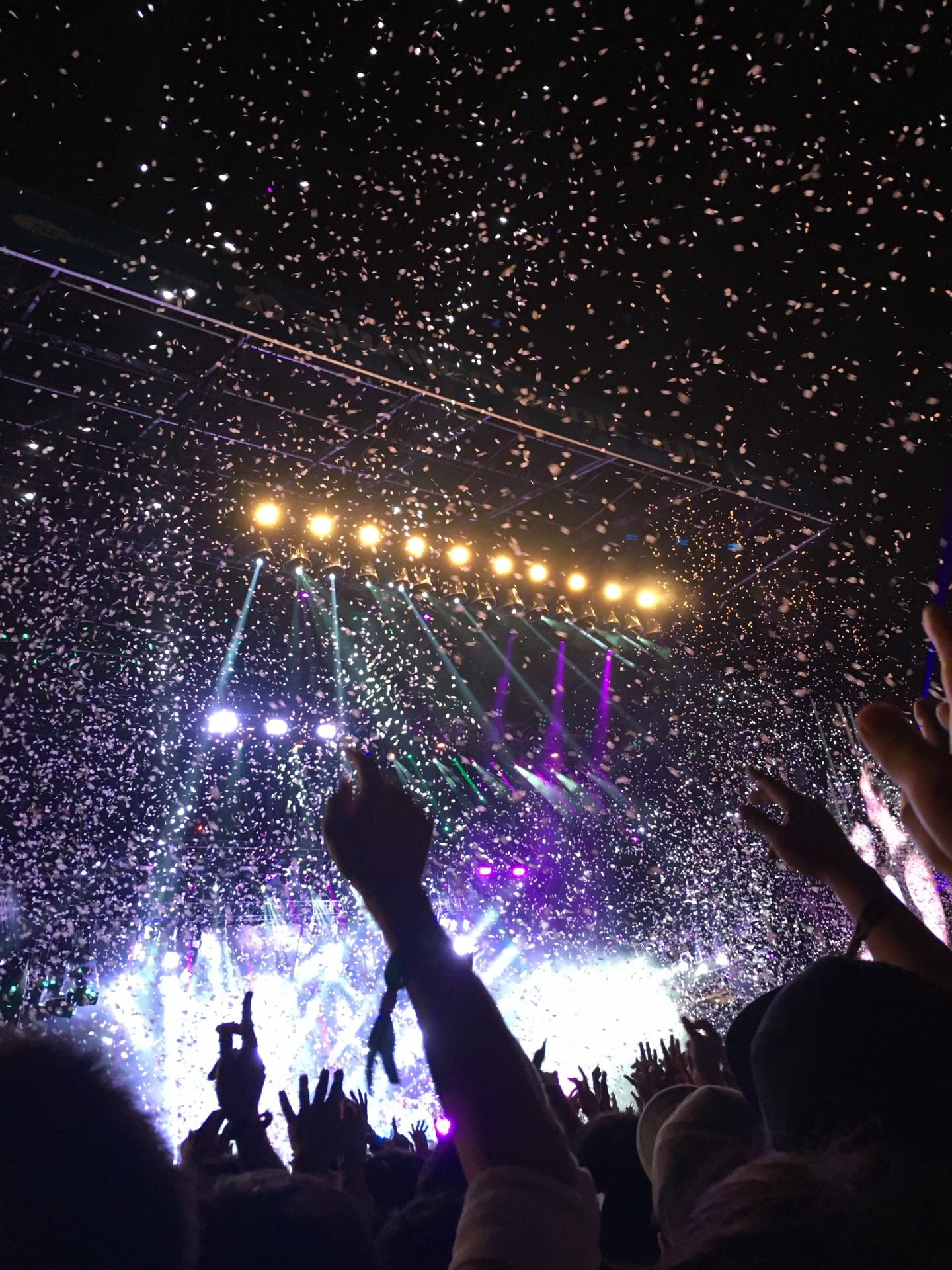
The first time I stepped into a 'Live House' in Tokyo, I thought I had the wrong address. It was a nondescript door next to a laundromat in Koenji. I followed the muffled thumping of a bass guitar down two flights of stairs that smelled faintly of stale Asahi and old stickers. When I finally pushed open the soundproof door, the wall of sound nearly knocked me over. It wasn't just loud; it was visceral. There were maybe forty people in the room, and everyone was moving in this weird, synchronized bob—what locals call 'noru.' I’ve been to massive stadium shows in the US and Europe, but this felt like being invited into a secret society. The band—three girls in school uniforms playing math-rock so complex it made my brain hurt—was barely three feet away from me. That’s the magic of the Japanese live house scene. It’s intimate, it’s intense, and it’s completely devoid of the 'too cool to care' attitude you find in London or NYC. nnI remember vividly when the lead singer caught my eye mid-shred. I’m a six-foot-two white guy in a room of petite locals; I stood out like a sore thumb. But instead of feeling like an intruder, she just grinned and pointed her headstock at me, signaling for me to get closer to the stage. I spent the next hour drenched in sweat, deafened by cymbals, and absolutely loving every second of it. If you’re coming to Japan and only doing the 'Top 10 Sights,' you’re missing the heartbeat of the modern culture. You can book a guided tour of the indie scene to get your bearings if the basement-hunting feels too intimidating.
Top Rated
Tokyo Indie Music Tour
Skip the gatekeeping and let a local musician take you to the best hidden live houses in Shimokitazawa. Includes ticket entry and a deep dive into the local subculture.
The easiest way to navigate the 'reservation only' system without a Japanese phone number.
Book Your Gig ↗
Honestly, though? The best nights are the ones where you just follow a cool-looking poster into a basement. nnBut here’s the thing—it’s not all sunshine and rock-and-roll. My biggest mistake that night? I brought a massive North Face backpack. Big mistake. Huge. These venues are the size of a shoebox. I spent the whole set pivoting like a clumsy turtle, hitting people with my bag every time I tried to move. I felt like such a 'gaijin' cliché. Now, five years later, I know the drill: use the coin lockers at the station. Don't be that guy. And don't expect a seat. You are there to stand, to sweat, and to vibrate along with the speakers. It’s exhausting, it’s loud, and it’s the most 'alive' I’ve ever felt in this city. If you want to see the real Japan, the one that doesn't make it into the tourism brochures, you need to go where the volume is turned up to eleven. Trust me on this—your ears might ring for a day, but the memory will last a decade.
Look for 'Lunchtime' sets on weekends. They’re cheaper, shorter, and you can still be in bed by 10 PM—perfect if you're struggling with jet lag.
What You Need to Know Before You Dive Into the Pit
Navigating the ticketing system in Japan is like trying to solve a Rubik's Cube while blindfolded. Most tickets are sold through 'Playguides' like e-plus or Lawson Ticket, which usually require a Japanese phone number. It’s a massive pain. For tourists, I always recommend checking the venue's official website or Twitter (X) account first. Many smaller bands will let you do a 'reservation'—you just DM them or fill out a Google Form, and you pay at the door. It’s old-school, but it works. When you arrive, there’s a holy rule you must never forget: the 'Drink Fee.' Even if you have a ticket, you *must* pay an extra 600 yen (usually) at the door for a drink token. I once saw a guy get into a heated argument with a door person because he didn't want to pay it. Don't be that guy. It’s how these venues stay afloat. nnYou’ll get a plastic coin or a badge. Take it to the bar immediately and trade it for a beer or a ginger ale. Oh, and let’s talk about the 'Summer Festival' experience. Fuji Rock and Summer Sonic are the big ones. I went to Fuji Rock in 2024 and didn't check the weather report—I ended up hiking through mud in Converse sneakers. I looked like a drowned rat within two hours. If you're heading to Naeba for Fuji Rock in 2026, you need actual hiking boots and a rain poncho that costs more than your dinner. It’s a mountain, not a city park. For a more urban vibe, Summer Sonic in Osaka or Chiba is great, but the heat is lethal. I’m talking 38 degrees Celsius with 90% humidity. I saw a girl faint during a set because she was trying to stay hydrated with only Chu-his. Drink water, people. nnStay somewhere central so you aren't racing for the last train at midnight.
Walking Distance
Stay Near the Music
Book a spot in Shimokitazawa or Shibuya to stay within walking distance of the best venues. Avoid the 'last train' panic and enjoy the late-night izakayas.
Shimokitazawa hotels are boutique and sell out months before festival season.
Find Hotels ↗
Most live houses are in Shimokitazawa, Koenji, or Shibuya. If you stay in these areas, you can just stumble back to your hotel after the encore. The culture inside is also very specific. Fans often have choreographed hand movements (especially for idols or visual kei bands). It’s tempting to film everything on your phone, but be careful—many venues have strict 'no photo' policies during the set. I once had a staff member politely but firmly put a sticker over my camera lens. It felt a bit like being in school again, but honestly? It makes the experience better. Everyone is present, not just watching through a screen. It’s a rare thing in 2026. Seriously. Put the phone away and just feel the bass.
If a show is 'Sold Out,' check the venue's Twitter about 2 hours before doors open. They often release a handful of '当日券' (on-the-day tickets) for those who missed out.
The Practical Stuff: Pricing, Locations, and Logistics
Let’s get down to the brass tacks because I want you to actually do this, not just read about it. A typical night at a live house will set you back about 3,000 to 5,000 yen including your drink fee. That’s a steal for 3 or 4 bands. If you’re looking for the 'indie' heart of Tokyo, head straight to Shimokitazawa. It’s the 'Brooklyn' of Tokyo but with better food. Venues like Era, Shelter, and Three are legendary. If you prefer something a bit more polished, Shibuya’s Club Quattro or O-East are fantastic. In Osaka, Amerikamura is your go-to spot—it’s gritty, colorful, and the crowds are noticeably louder and friendlier than in Tokyo. nnLanguage barrier? Honestly, it’s minimal. Most staff at the bigger venues speak 'concert English' (Tickets? Drink? No photo!). At the tiny basements, just point and smile. The music does the talking. Most shows start around 6:30 PM and end by 10:00 PM to ensure everyone catches the last train. If you’re doing a festival, the price jumps significantly. Fuji Rock tickets are around 20,000 yen for a day pass, and you need to book your shuttle bus from Echigo-Yuzawa station months in advance. I learned that the hard way and ended up paying for a very expensive taxi. nnIs it worth it? A thousand times, yes. There is a specific kind of magic in discovering a band in a room that holds 50 people, knowing that in two years they might be headlining a stadium. I’ve seen it happen. You get to see the craftsmanship and the sheer dedication of Japanese musicians up close. They don't just 'play'—they perform with a level of precision that is honestly intimidating. Whether you're into J-Pop, screaming metal, or experimental jazz, there is a basement in Tokyo waiting to change your life. Just remember: lockers for your bags, 600 yen for your drink, and wear comfortable shoes. Your feet will thank me later. Go early, stay late, and don't be afraid to buy a t-shirt from the band at the back table.
Check the website 'Tokyo Gig Guide.' It’s a bit lo-fi, but it’s the most comprehensive list of indie shows in the city. It saved my social life when I first moved here.