The Moment I Realized I Wasn't in a Normal Race
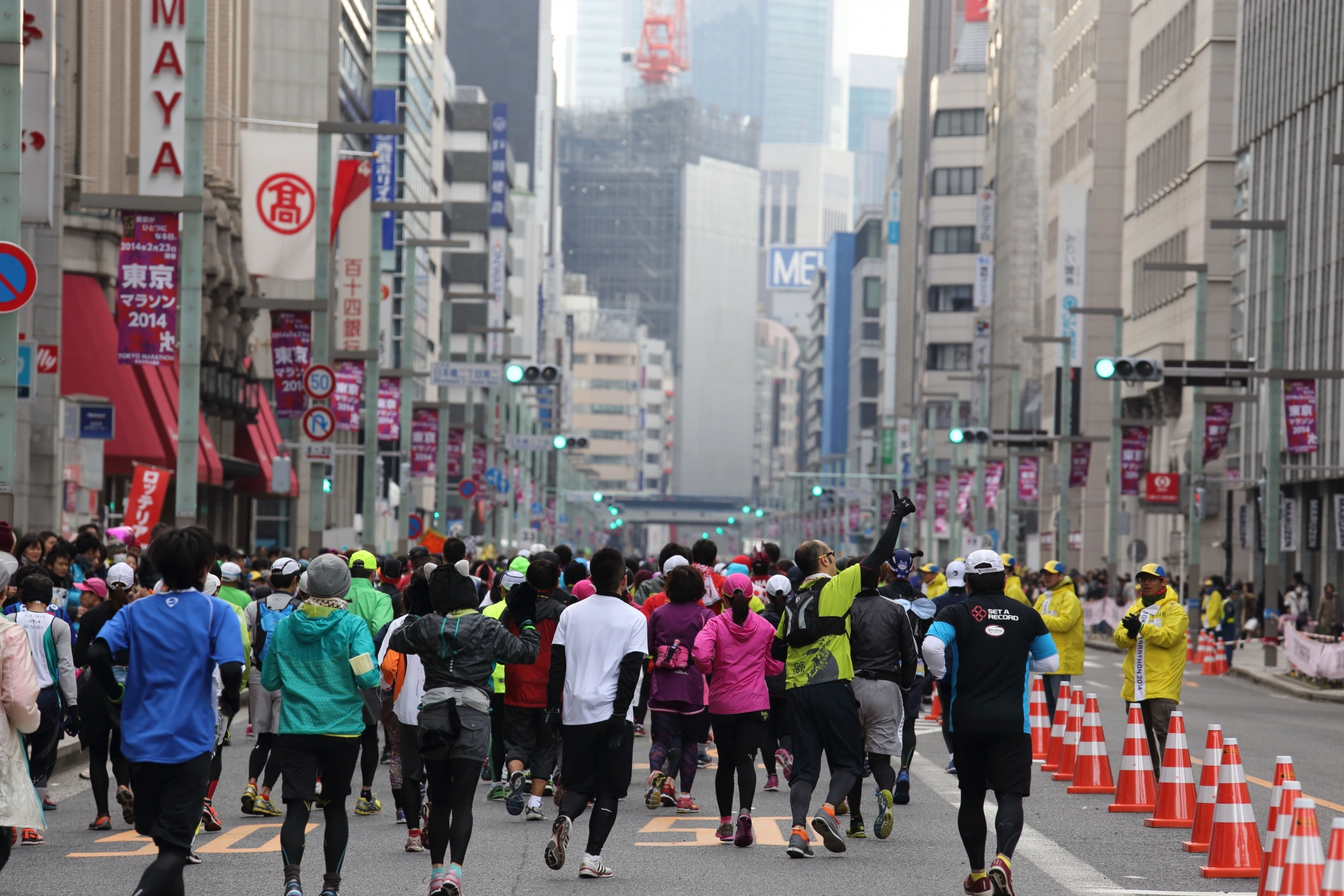
Look, I’m not a professional athlete. I’m just a guy who likes ramen a little too much and occasionally feels guilty enough to put on sneakers. But standing in the middle of a ten-lane highway in Shinjuku at 9:00 AM with 38,000 other people? That changes you. The Tokyo Marathon isn't just a race; it’s a city-wide exorcism of stress. I remember my first time—I was shivering in a disposable plastic poncho, wondering why I’d paid money to suffer. Then the confetti cannons went off at the Tokyo Metropolitan Government Building, and the sheer wall of sound from the crowd hit me. It wasn't just 'Go Alex!' it was a rhythmic, collective 'Ganbare!' that felt like it was physically pushing me forward. The air smelled like a mix of winter chill and enough Salonpas muscle spray to coat a small planet. nnHere's what most people miss: the surreal silence of Tokyo—the world's most crowded city—completely empty of cars. I was running through Ginza, usually a gridlock of taxis and luxury shoppers, and it was silent except for the slap-slap-slap of thousands of shoes on the asphalt. It’s hauntingly beautiful. I actually stopped mid-stride near the Kabuki-za Theatre just to take it in, and a volunteer immediately checked if I was dying. Nope, just vibing, thanks! If you want to experience this level of organization and energy, you’ve got to book a guided marathon support package or a cycling tour to handle the logistics.
Top Rated
Secure Your Cycling Tour
A fully supported cycling journey across the Shimanami Kaido. Includes bike rental, luggage transfers, and a guide who knows the best hidden citrus stands and island viewpoints.
The logistics of island-hopping with a bike are a nightmare—let the pros handle the gear while you enjoy the view.
Book Your Ride ↗
It makes the whole 'where do I put my bag' panic disappear. nnBut let’s talk about the 'Wall.' For me, it hit at kilometer 32 near the Sumida River. My legs turned into overcooked udon noodles. Just as I was about to quit and crawl into a 7-Eleven, an elderly woman reached over the barrier and handed me a frozen grape. It was the best thing I’ve ever tasted. Better than any Michelin-starred meal I’ve had in this city. That’s the magic here—the locals treat every runner like a hero. You aren't just a tourist; for one day, you’re part of the city’s pulse. I’ve done the Osaka Marathon too, and the energy there is even rowdier. People dress up as giant takoyaki balls and run the full 42km. How they don't collapse from heatstroke is a mystery I’m still trying to solve. Honestly, the pain is temporary, but the memory of high-fiving a guy in a Pikachu suit while crossing the finish line at Tokyo Station? That’s forever. Seriously. Just do it.
Don't throw away your warm-up clothes at the start line immediately. It takes about 20 minutes to actually reach the start gate after the gun goes off, and Shinjuku is a wind tunnel in March.
The Logistics: Why the Lottery is Your Greatest Enemy
Alright, let’s get real. You can’t just show up and run the Tokyo Marathon. It’s a lottery system, and the odds are... well, they’re depressing. I failed three years in a row before I finally got in. You have to apply months in advance, usually in August for the following March. If you miss the lottery, don't give up—look into 'Charity Runner' slots. They cost more (usually around 100,000 yen), but you’re guaranteed a spot and you’re doing something good. It’s how I got my second entry, and honestly, the 'Charity' bib gets you extra cheers from the crowd. On top of that, the 2026 race is set for March 1st, so mark your calendars now. nnIf running makes your shins ache just thinking about it, the cycling events are where the real fun is. The Shimanami Kaido is the gold standard. I dragged my bike across six islands in the Seto Inland Sea last year, and I made the rookie mistake of not checking the wind direction. Pro tip: Start from Onomichi and ride toward Imabari. If you go the other way, you’re fighting a headwind that feels like a giant is trying to push you back into the ocean. I spent three hours cursing at a bridge because I was exhausted. But then I found a roadside stand selling 'Shiranui' oranges, and all was forgiven. nnStaying in the right spot is crucial because trains on race morning are a special kind of hell. You want to be within walking distance of the start line.
Runner's Choice
Stay Near the Start Line
Shinjuku is the place to be for the Tokyo Marathon. These hotels are within stumbling distance of the Metropolitan Government Building start line, saving you from the morning train crush.
Walking to the start line while everyone else is crushed on a train is the ultimate flex for your sanity.
Find Hotels ↗
I once stayed in a cheap hostel three train transfers away and almost missed my wave because I couldn't squeeze onto the 'Runner's Express' train. Never again. Oh, and be prepared for the 'Bridge of Doom' at the end of the Tokyo course. It’s a series of inclines near the 40km mark that feel like climbing Mount Fuji. My first time, I saw a guy in a full suit and briefcase—running the marathon for his company—just stop and start weeping at the base of the bridge. I felt that in my soul. But once you crest that hill and see the finish line near the Imperial Palace, the adrenaline dump is so intense you’ll forget you can’t feel your toes.
For the Shimanami Kaido, rent a 'cross bike' or 'e-bike' at the terminal if you aren't a hardcore cyclist. The bridges are high up, and the ramps leading to them are longer than they look!
Survival Guide: The Practical Stuff
So, you’re crazy enough to do it. Here’s the Alex-certified survival plan. First, the 'Expo.' Every major race has an expo a few days before where you pick up your bib. Do NOT go on the final afternoon. It’s a mosh pit of nervous energy and long lines. Go on the first morning, grab your stuff, and get out. Use the extra time to carb-load on high-quality Italian food in Ginza—there’s a place I love that does a truffle pasta that’s basically fuel for the gods. nnLanguage support is actually surprisingly good. Most of the major events (Tokyo, Osaka, Nagoya) have English-speaking staff at the help desks. However, the signs on the course are often just in Japanese for the smaller events. Just follow the person in front of you. If they turn left, you turn left. Unless they’re heading into a portable toilet—then maybe use your own judgment. Speaking of toilets, the lines are legendary. I once waited 15 minutes at kilometer 15. If you see a short line, take it, even if you don't think you need to go. Trust me on this. nnDuration-wise, most Japanese marathons have a strict 7-hour cutoff. If you’re behind the 'Sweeper Bus,' they will literally pull you off the course. It’s brutal. I saw a woman get pulled at kilometer 38—she was only two minutes late. There was no arguing, no pleading; the Japanese officials are efficient and heartless when it comes to the clock. So, train for a 6.5-hour pace just to be safe. For cycling, the Shimanami Kaido can be done in a day (about 6-8 hours), but I recommend doing it over two days and staying in a 'Minshuku' (guest house) on one of the islands. The seafood dinner you’ll get is worth the extra day of travel. Look, at the end of the day, you’re going to be broken, sweaty, and probably walking like a penguin for three days. And you’ll immediately start planning for next year. It’s a sickness, really.
Buy a 'Pasmo' or 'Suica' card and keep it in your running belt. If you get injured or hit the cutoff, you'll need it to take the subway back to your hotel in shame.