The Moment I Lost My Mind Over a Miniature Toaster
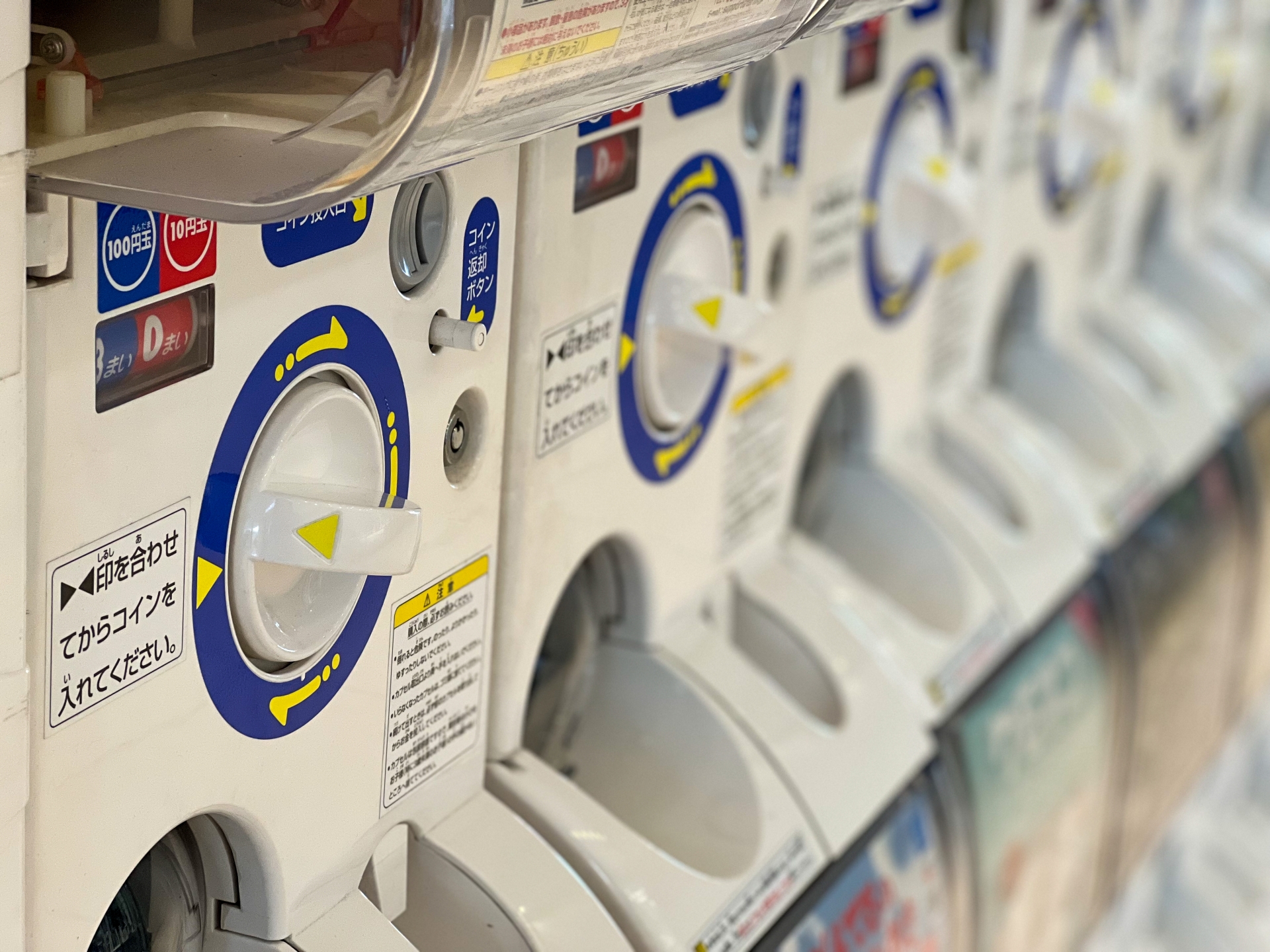
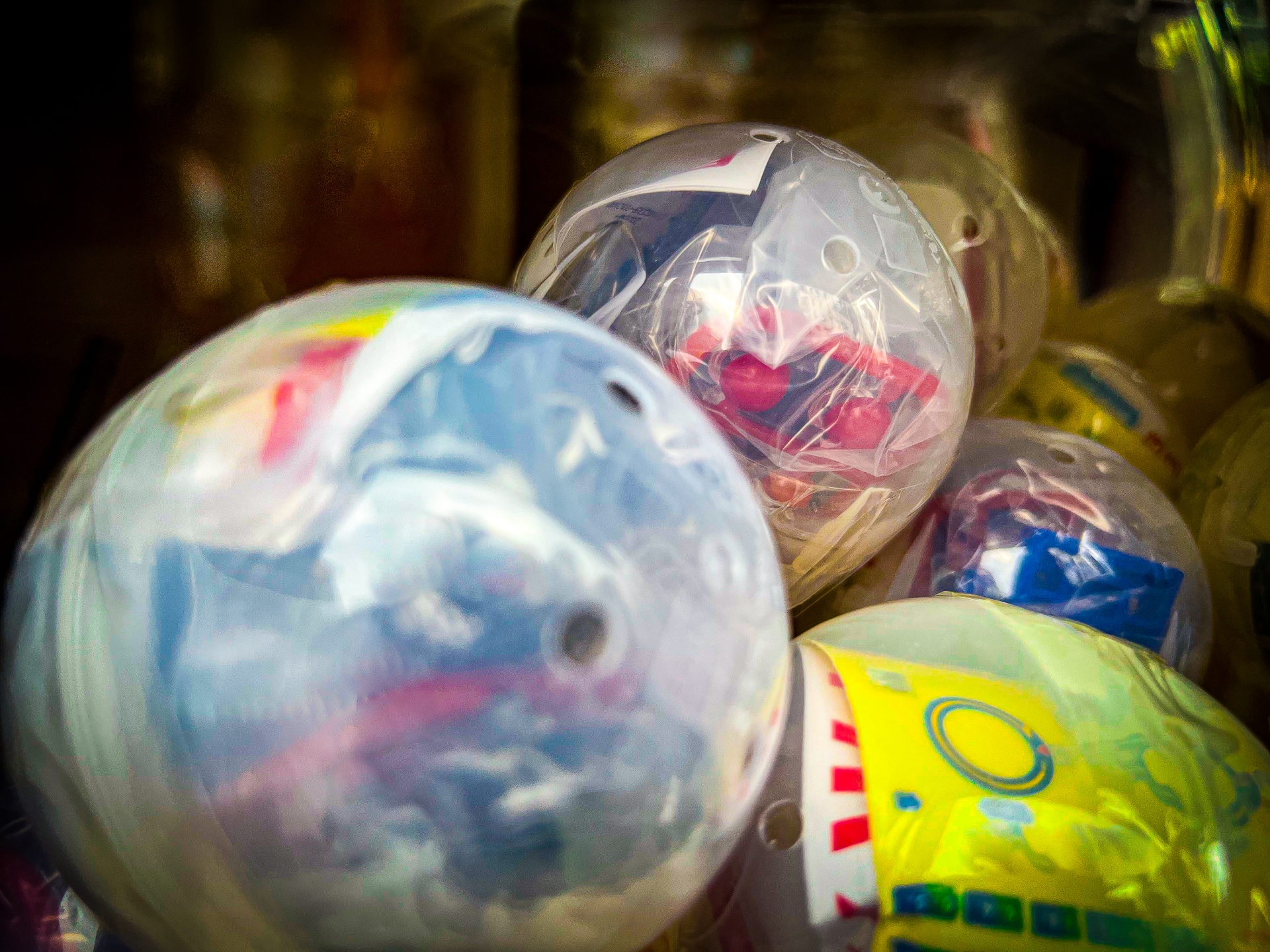
Six years in Tokyo and I’m still a sucker for a plastic egg. Last Tuesday, I found myself crouching in a neon-lit basement in Akihabara, frantically digging through my wallet for one last 100-yen coin. I wasn't looking for a diamond or a rare Pokémon card. No, I was hunting for a 1/12th scale replica of a vintage Japanese toaster. Why? Because the little lever actually moves. That’s the magic of Gachapon. It’s not just a toy; it’s a tiny, perfectly engineered piece of Japanese soul that costs about the same as a convenience store coffee. My first year here, I thought it was just for kids. Then I saw a salaryman in a three-piece suit spend twenty minutes trying to get a specific miniature Shiba Inu wearing a raincoat. That’s when I realized: this is a national sport. nnThe thrill isn't just in the object; it's the gamble. You see the set of six figures. You want the one with the sunglasses. You put in your ¥400, you turn the dial—clack-clack-clack-THUD—and you pray. When that blue capsule rolls out and it’s the exact one you wanted, the dopamine hit is better than a triple espresso. But when it’s the same duplicate for the third time in a row? That’s when you test your soul. I once spent ¥3,000 trying to get a tiny 'No Smoking' sign for my desk. I ended up with five 'High Voltage' signs and a deep sense of shame. If you want to dive into the heart of this madness, booking a guided pop-culture tour is a great way to find the hidden machine banks that tourists usually walk right past
Top Rated
Akihabara Deep Dive Tour
Join a local expert to find the rarest Gachapon machines and hidden anime gems in the backstreets of Akihabara. Includes a starter pack of coins!
I found machines on this tour that aren't even on Google Maps.
Book Now ↗
. I’ve seen people lose hours in these places, and honestly, it’s the most fun you can have with loose change. It's about the absurdity of it all. Where else can you find a hyper-realistic miniature of a public toilet or a series of cats wearing pieces of bread as hats? It’s peak Japan. You start with one, and before you know it, your apartment is covered in tiny plastic dioramas of things you never knew you needed. And here's the thing: the quality is actually insane. We're talking about moving parts, textured surfaces, and paint jobs that would put high-end collectibles to shame. It's a low-stakes addiction, but an addiction nonetheless.
If you get a duplicate, don't just throw it away. Look for 'trading' shelves nearby or check the tops of the machines—sometimes people leave their unwanted duplicates there for others to take!
What You Need to Know Before the Machines Eat Your Wallet
I’ve definitely looked like a confused tourist more than once. My first time at the Gashapon Department Store in Ikebukuro—which is massive enough to have its own gravity—I showed up with a ¥10,000 note and no clue how to use the change machines. I felt like an idiot standing there while ten-year-olds operated the 'Ryogae' (currency exchange) machines like pros. Most machines these days take ¥100 coins, usually three to five of them. But in 2026, we’re seeing more high-end 'Premium Gashapon' that take ¥500 coins or even IC cards like Suica and Pasmo. Don't be the person who jams a coin in sideways. If the dial doesn't turn, don't force it—you’ll break the machine and get a very polite but very firm scolding from a staff member who looks half your age. nnAnother thing: the capsules themselves. They take up a massive amount of space in your luggage. I learned this the hard way when I tried to fly back to visit my parents with a suitcase that was 40% empty plastic spheres. Most big Gacha centers have dedicated recycling bins for the shells. Use them. Just take your prize and leave the plastic egg behind. Also, keep an eye out for the 'Gacha-curators.' These are shops that curate specific themes, like 'weird office supplies' or 'hyper-realistic food.' If you’re staying in a central spot like Akihabara, you can just walk out of your hotel and be surrounded by thousands of these machines
Collector's Choice
Stay in the Heart of the Action
Stay in Akihabara or Ikebukuro to be steps away from the world's largest capsule toy centers. Perfect for late-night hunting sessions.
Walking your haul back to the hotel is much easier than carrying it on the Yamanote line.
Find Hotels ↗
. It’s a dangerous game for your bank account, but your shelves at home will thank you. Trust me, the 'Bread Cats' series is worth the extra luggage weight. Oh, and don't forget about the seasonal releases. In 2026, they've started doing these limited-run collaborations with local artists that sell out in hours. If you see something you like, buy it immediately. There is no 'coming back later' in the world of Gachapon. The machine will be empty, and you'll be left with nothing but regret and a pocket full of change. I've seen grown adults nearly come to blows over the last capsule in a 'Vintage Camera' series. It's intense, it's loud, and it's absolutely brilliant.
The machines at Haneda and Narita airports are actually great. They are stocked with 'Best Of' collections specifically for travelers trying to get rid of their last remaining yen coins.
The Practical Stuff: Where to Hunt Like a Pro
If you want to see where the magic (and your money) happens, head to Ikebukuro. The Gashapon Department Store in Sunshine City holds the Guinness World Record for the most machines in one place—over 3,000. It’s overwhelming, loud, and glorious. If you’re more into the 'deep-cut' anime stuff, Akihabara is your mecca. Specifically, check out the Gachapon Kaikan; it’s an older shop, a bit cramped, but it has that gritty, authentic 'old Tokyo' feel that the shiny new malls lack. Pricing is pretty standard: ¥300 is the baseline for basic charms, ¥500 for the high-quality miniatures, and ¥800-¥1,500 for the 'Premium' stuff like articulated figures or high-end jewelry replicas. nnDon't sweat the language barrier. The machines have pictures of everything in the set. However, do pay attention to the 'Sold Out' (売り切れ - Urikire) signs. There's nothing sadder than seeing the perfect set, putting your coins in, and realizing the machine is empty because you didn't read the red sticker. Most places are open from 10 AM to 9 PM. I personally recommend going on a weekday morning. If you go on a Saturday afternoon, you’ll be fighting through crowds of teenagers and tourists, and the 'clack-clack-clack' sound starts to feel like a jackhammer in your brain. Give yourself at least two hours. You think you’ll just 'look,' but forty minutes later, you’ll be three levels deep into a series of miniature camping chairs. It’s inevitable. Just embrace it. On top of that, keep an eye out for the 'second-hand' bins in shops nearby. Sometimes people dump their unwanted pulls for a fraction of the price. It's not as fun as the gamble, but it's a lifesaver if you're missing that one final piece of a set. I've spent way too much time digging through those bins in Nakano Broadway, but the satisfaction of finding that one rare 'Glow-in-the-dark' mushroom was worth every second. You'll find that the community is actually quite friendly; I've had people offer me their duplicates just because they saw me struggling with the same machine for twenty minutes. It's a weird, wonderful subculture that perfectly captures the playful side of Tokyo life.
Check the bottom row of machines. Everyone looks at eye level, so the stuff on the bottom often stays in stock longer, especially the rare limited-edition collaborations.