The Moment I Realized a Stamp Could Be My Entire Personality
The master looked at my sketch, then at me, then back at the sketch. He didn’t say a word, but his raised eyebrow said everything: 'Are you sure you want your name to look like a drunk spider?' I’d spent twenty minutes trying to fit 'ALEX' into a tiny square using what I thought was calligraphy, and I was failing miserably. This was my first time at a hanko workshop in Kyoto, and I was quickly learning that what we call 'minimalism' in the West is actually just extreme skill disguised as simplicity. I eventually swallowed my pride and let him help me pick three Kanji characters that sounded like my name but actually meant something halfway decent. We went with 'A-RE-KU-SU'—which he translated as 'Progress through the Eternal South.' I’m pretty sure he just liked the way the strokes looked, but it beats 'loud foreigner.'
Top Rated
Traditional Hanko Carving
A 90-minute deep dive into the art of Japanese seal engraving. You'll choose your Kanji, carve your own stone, and take home a professional-grade seal in a custom kimono-fabric case.
This is the top-rated craft experience in Kyoto for a reason—slots for 2026 are already filling up!
Book Your Spot ↗
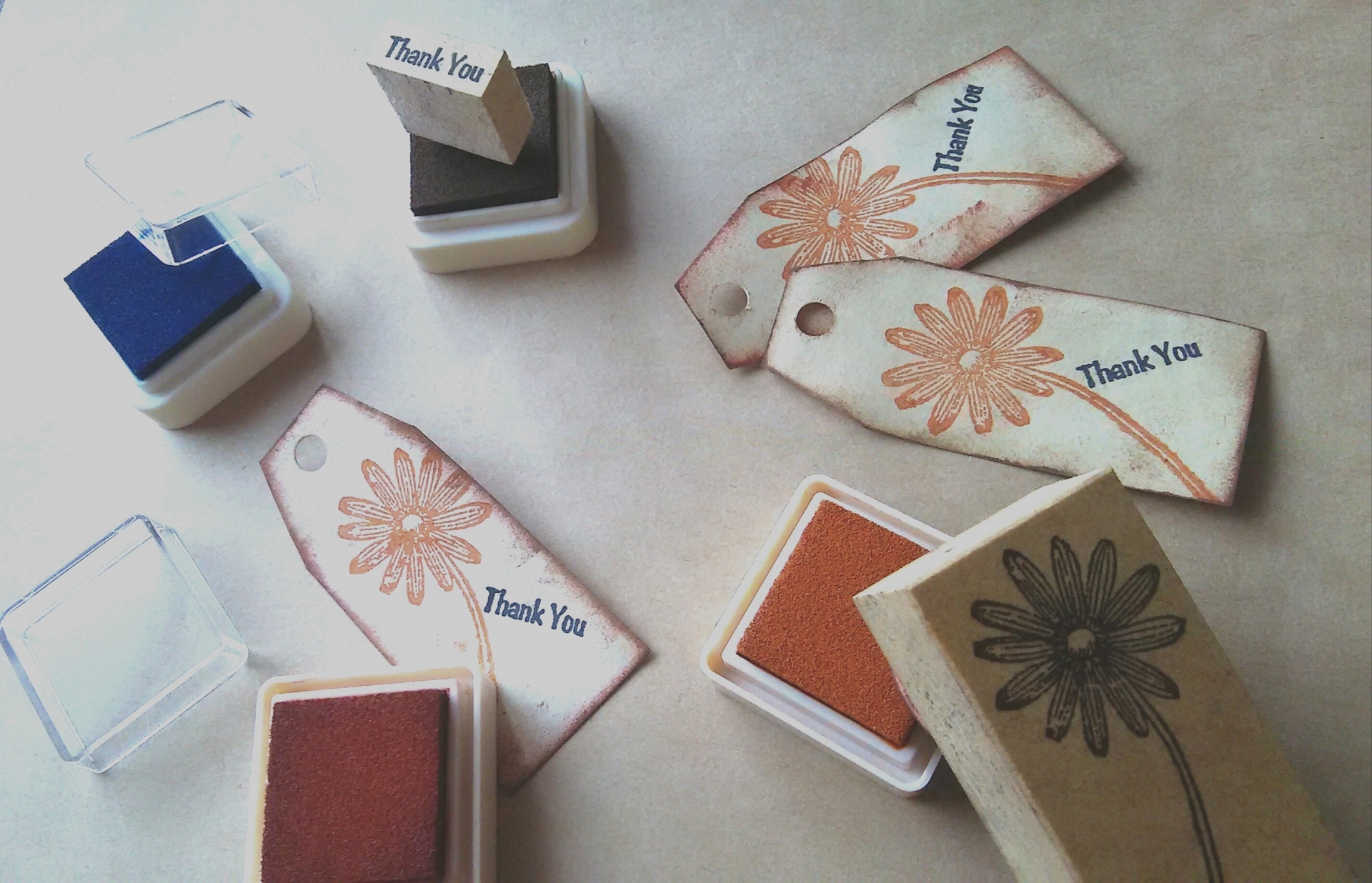
nnThere is something incredibly grounding about the physical act of carving. You aren't just clicking 'order' on a website; you're hunched over a small vice, using a tiny, razor-sharp chisel to scrape away stone. My hand was shaking for the first ten minutes. One slip and the 'Eternal South' becomes a 'Broken Road.' But then, the flow state hits. You stop hearing the tourists chatting outside in Gion and you just focus on the resistance of the stone. It’s a weirdly intimate battle between your hand and a piece of rock. When I finally pressed that finished seal into the thick, red cinnabar ink and stamped it onto a scrap of paper, I actually gasped. It wasn't perfect—the edges were a bit jagged and the 'KU' was slightly lopsided—but it was mine. It felt more like 'me' than any passport or ID card ever has. If you're tired of the same old temple-hopping, this is the sensory reset you need. Trust me, the smell of the ink alone is worth the price of admission. It’s earthy, ancient, and permanent. I’ve lived here for five years now, and I still use that same stamp for my bank documents and apartment lease. Every time I pull it out, I’m back in that quiet wooden room in 2021, trying not to ruin a piece of history.
Don't try to carve complex English letters. Ask the teacher to help you pick 2 or 3 Kanji characters. It looks way more authentic and is significantly easier to carve without ruining the stone. Plus, the story behind your 'new name' is a great conversation starter.
Getting My Hands Dirty (and Wet) with Washi
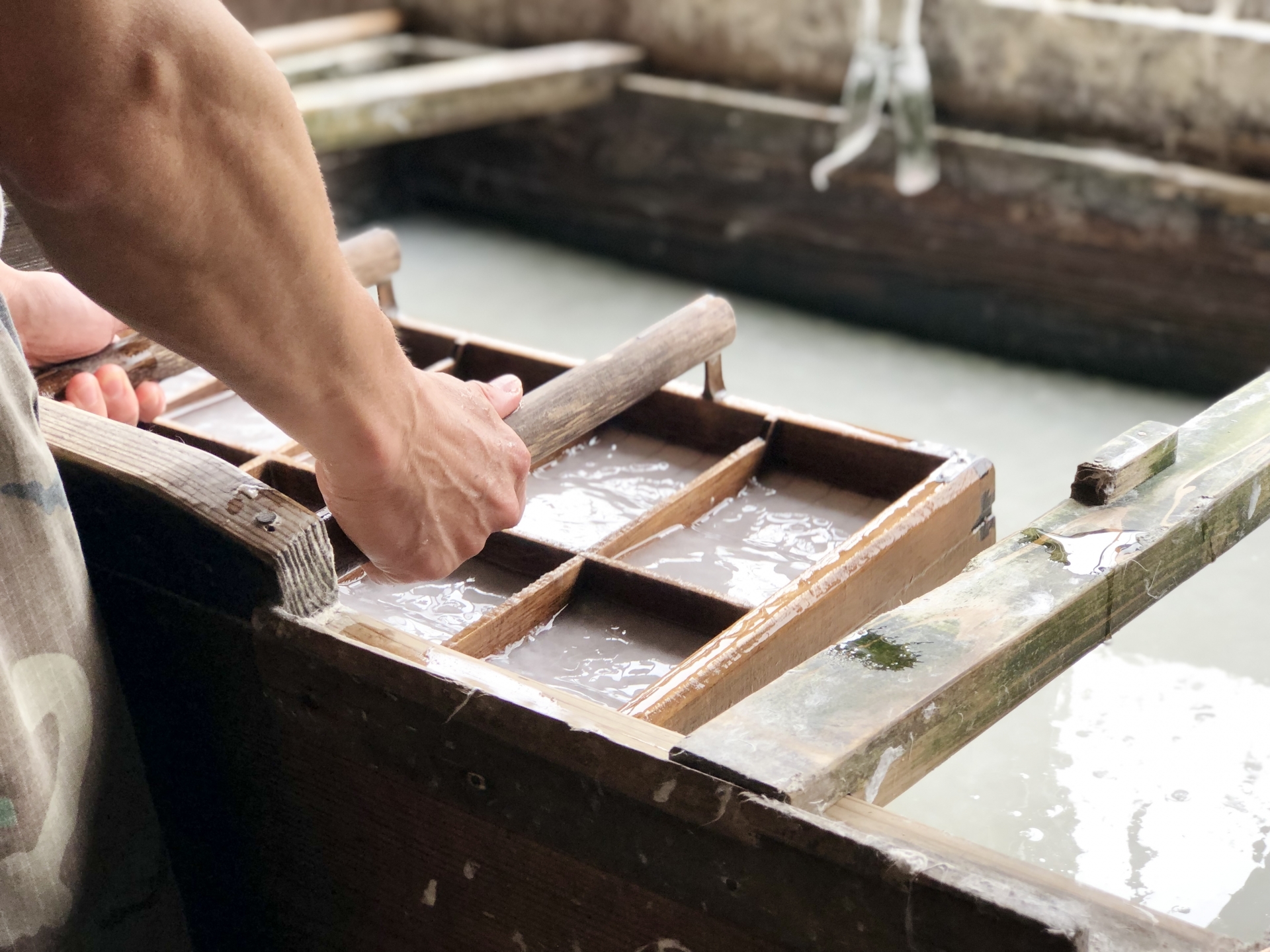
After the hanko was finished, we moved to the washi station. If you think making paper is a dry, boring craft, you’ve clearly never stood over a vat of cold, pulpy water while a Japanese grandmother yells 'RYTHM! RYTHM!' at you. Washi making is a full-body workout. You’re using this large wooden frame called a 'keta' to scoop up a mixture of water and mulberry bark fibers. You have to shake it back and forth with this specific, undulating motion to get the fibers to lock together. My first attempt was a disaster. I tilted the frame too much to the left, and I ended up with a piece of paper that looked like a topographical map of the Himalayas—thick on one side, translucent on the other. nnI made the classic rookie error of trying to be too delicate. You have to be aggressive with the water. Once I got the hang of the 'slosh-slosh-drain' rhythm, it became hypnotic. We even got to decorate our wet sheets with gold leaf and pressed maple leaves. I might have gone a bit overboard with the gold—mine looked like a disco ball exploded in a forest—but the staff just laughed and helped me press it dry.
Authentic Stay
Stay in Gion
Stay in a restored machiya townhouse within walking distance of the best craft workshops. Gion offers that 'old Japan' atmosphere that perfectly matches a day of traditional crafting.
Staying in Gion lets you beat the crowds to the workshops before the tour buses arrive.
View Ryokans ↗
nnWhile the paper was drying on the heated metal plates, I had a chance to look around the workshop. Most of these places are hidden inside old 'machiya' (traditional townhouses). The light filters in through the paper screens, and you realize you're doing exactly what people in this neighborhood have done for centuries. It’s a world away from the neon lights of Shinjuku. You’ll leave with a stack of your own handmade postcards that feel more like fabric than paper. They’re almost too beautiful to mail, which is why mine are still sitting in a drawer at home, waiting for a 'special occasion' that will probably never come. But hey, the process was the point. You'll feel the texture of the mulberry fibers under your fingernails for a few hours, and honestly, it's a great reminder of the day.
Wear sleeves you can easily roll up. You'll be elbow-deep in water and pulp, and if you're wearing a fancy sweater, you're going to regret it within five minutes. Also, don't be afraid to use the gold leaf—it looks much more subtle once the paper dries.
The Practical Stuff: Where, When, and How Much?
So, where should you actually do this? You’ve got two main choices: Kyoto or Nara. Kyoto workshops, especially around Gion or the Teramachi district, are slick. They’re used to tourists, the English instructions are great, and the facilities are top-notch. However, they fill up fast. I’m talking weeks in advance during cherry blossom season or autumn. If you’re looking for something a bit more raw and local, head to Nara. The Naramachi district has a few family-run spots where you might be the only person in the shop. The language barrier is a bit higher there, but Google Translate and hand gestures go a long way. nnExpect to pay somewhere between 5,000 and 9,000 yen in 2026, depending on the quality of the stone you choose for your hanko. Some places offer fancy cases made of vintage kimono fabric, which I highly recommend—they make the whole thing feel like a treasure. The entire experience usually takes about two to three hours. Don't try to squeeze this in between a 10 AM temple visit and a 12 PM lunch reservation. You’ll want to take your time with the carving. nnOh, and here's what most people miss: check if the workshop offers 'stone' or 'wood' seals. Stone is much more satisfying to carve and lasts forever, whereas the wooden ones can sometimes feel a bit like a school project. Most high-end Kyoto spots use a soft soapstone that is incredibly forgiving for beginners. Also, look for places that provide a little box for your stamp. It makes the flight home much safer for your new masterpiece. Is it worth the half-day? Absolutely. In a world of digital everything, having a physical stamp of your name is the ultimate flex. It's a piece of Japan you'll actually use for the rest of your life.
If you're in Kyoto, look for workshops in the 'Teramachi' area. It's the traditional district for scribes and seal-makers, and the history there is palpable. It's much quieter than Gion and feels more authentic.