Why I Finally Stopped Buying Cheap Knives (And You Should Too)
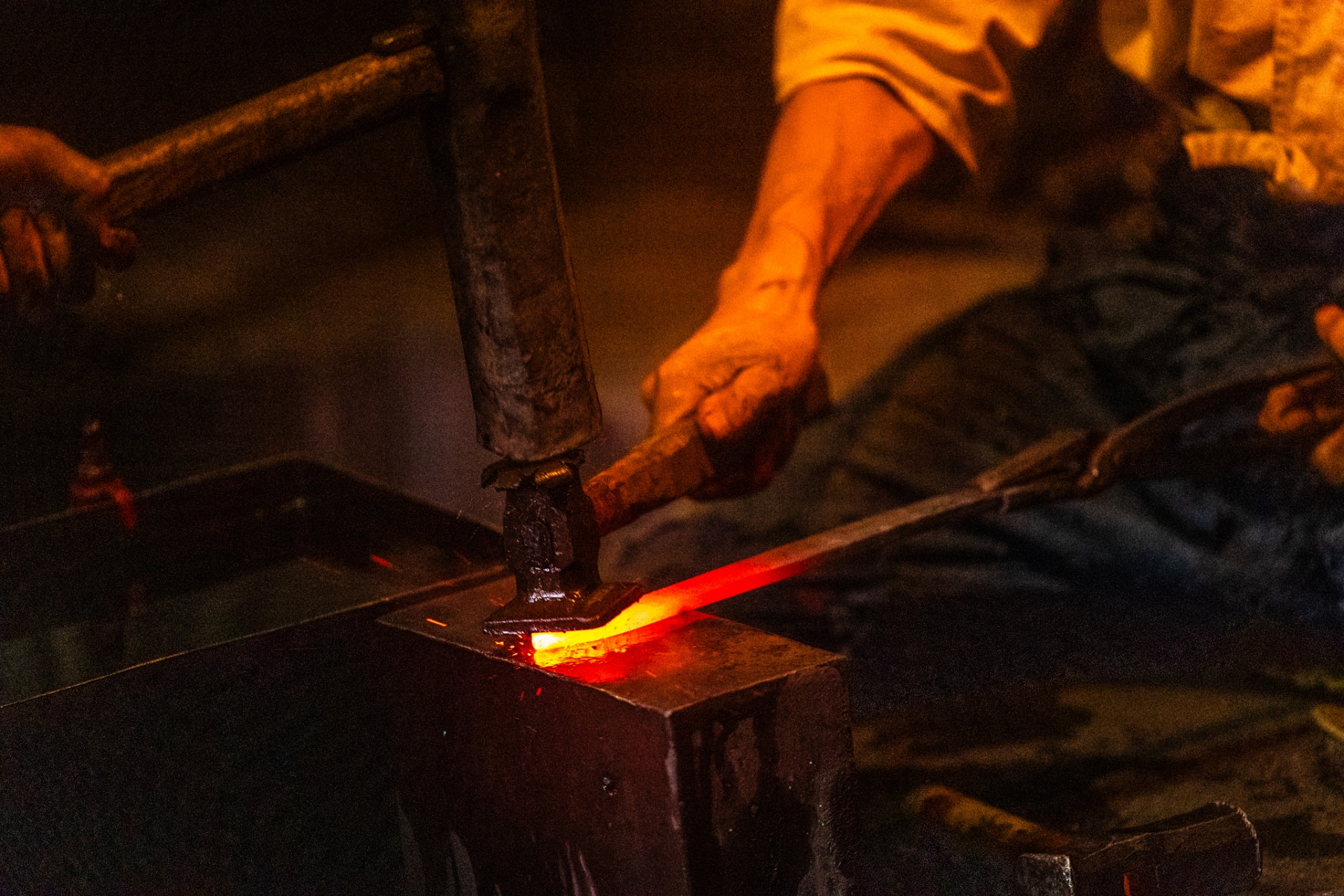
The smell of sulfur and charred pine hit me before I even stepped into the workshop in Sakai. It’s 2026, and while everyone else is lining up for digital art museums in Tokyo, I found myself standing in a dimly lit shack in Osaka's industrial outskirts, wondering if I was about to lose a finger. I’ve lived in Japan for over five years now, and for the first four, I used a ¥2,000 supermarket knife like a total amateur. Then I met Yamashita-san. He’s a third-generation blacksmith who looks like he’s made of leather and stubbornness. Watching him hammer a glowing orange bar of steel wasn't just 'cool'—it was hypnotic. I literally stopped mid-sentence when the first spark hit my apron. The entire room felt alive with the rhythm of the hammer. It’s loud, it’s sweaty, and it’s the most honest thing I’ve done in this country. nnI’ll be real with you: I felt like a complete idiot for the first twenty minutes. I couldn't even hold the tongs right. But that’s the beauty of it. You aren't just watching a performance; you’re feeling the resistance of the metal. Most tourists just buy a 'Damascus' blade in Kappabashi and call it a day, but they’re missing the point. When you see the effort it takes to forge a single bevel, you stop treating your kitchen tools like disposables. I ended up booking my session through a local craft collective
Authentic Experience
Forging & Sharpening Workshop
Step into a real working forge to hammer glowing steel and grind your own professional-grade blade. You'll work directly with a master to create a tool that will outlast your kitchen.
These tiny family forges only take 2-4 people a day—spots for 2026 are already vanishing.
Secure Your Spot ↗
and it changed how I cook forever. I remember the exact moment the master looked at my lopsided attempt at a petty knife, sighed, and spent ten minutes showing me how to fix the balance. He didn't speak a word of English, but his 'no, like this' grunt was universal. By the time we were done, I wasn't just holding a tool; I was holding a story. It’s the kind of experience that makes you realize how much 'fast-fashion' culture has ruined our appreciation for things that actually last. If you're tired of the polished, sanitized version of Japan, this is the grit you're looking for.
Don't wear anything white. Or synthetic. Between the charcoal dust and the stray sparks, your fancy 'travel tech' shirt will end up looking like a piece of Swiss cheese. Stick to heavy cotton.
What You Need to Know Before You Hit the Forge
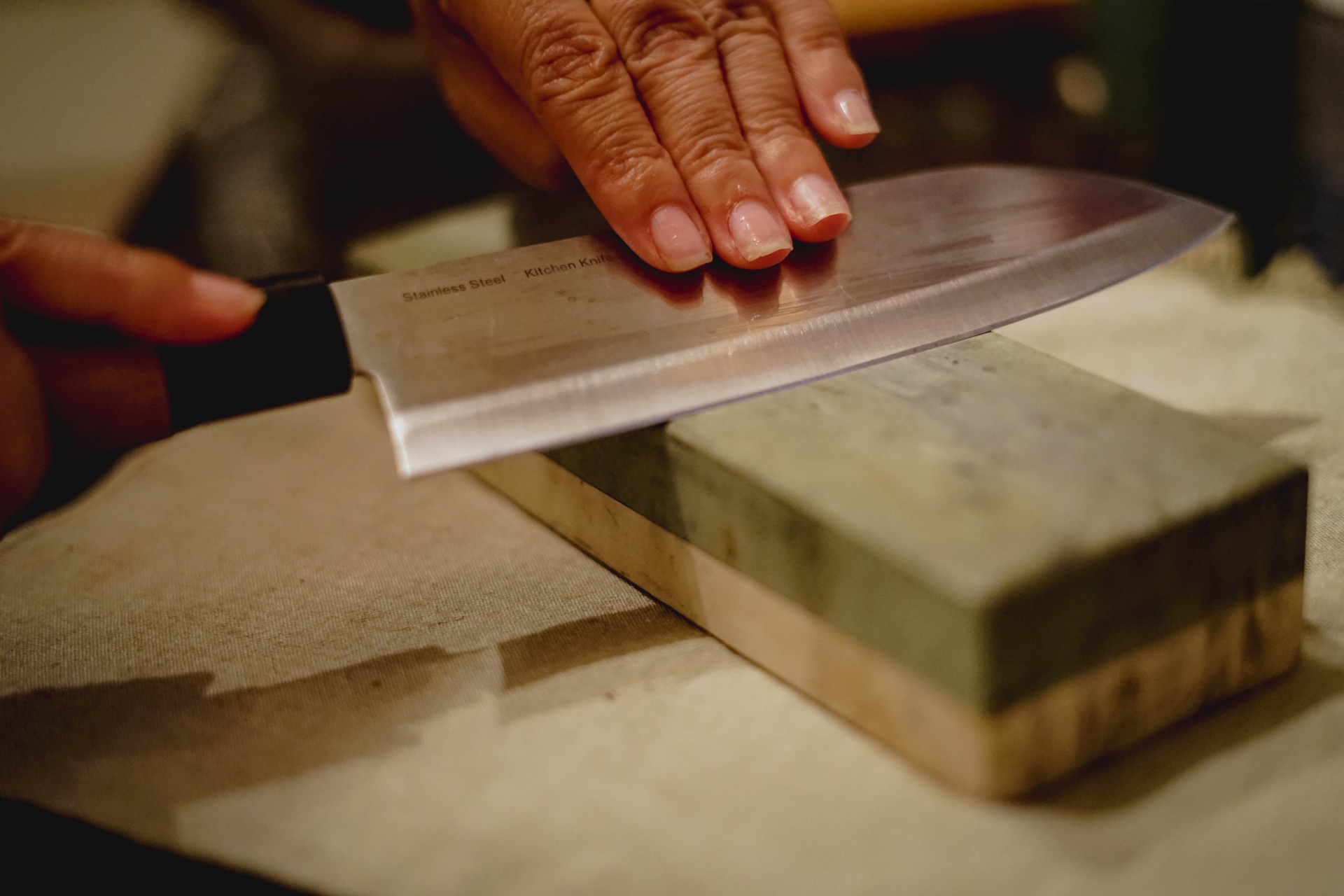
Let’s talk about the 'Togishi'—the sharpening process. This is where I made my biggest rookie mistake. I thought the forging was the hard part. Nope. It’s the sharpening. I spent forty minutes hunched over a whetstone, and my lower back was screaming at me by the end. The master kept checking my progress by shaving a single hair off his forearm. Every time I thought I was done, he’d shake his head and point to a microscopic burr I couldn't even see. It’s humbling. You’ll likely start with a pre-forged blank if you’re doing a short workshop, which is honestly better for beginners. If you try to forge from scratch in three hours, you’re going to leave with a very expensive paperweight. nnMost workshops in Sakai or Seki will have a translator or at least a very detailed English manual, but don't expect a lecture. This is 'learn by doing.' I saw a guy next to me try to take a selfie while the master was heat-treating the blade—don't be that guy. The timing is split-second, and if you miss the window to quench the steel, the blade is ruined. It’s intense. But when that blade finally hits the water and you hear that sharp *hiss*, the adrenaline is real. Since these workshops are often tucked away in residential or industrial zones, I highly recommend staying somewhere in Namba or Sakai the night before so you aren't rushing on a 90-minute train ride while stressed. I stayed at a small boutique spot nearby
Local Favorite
Stay Near the Forge
Skip the hour-long commute from central Osaka. Stay in Sakai to explore the massive ancient Kofun tombs and wake up five minutes from the workshop district.
Essential for those 8:00 AM workshop starts to avoid the morning rush hour crush.
View Hotels ↗
which made the 8 AM start time much more bearable. You’re going to be exhausted afterward, trust me. Your forearms will ache in places you didn't know you had muscles. But when you slice through a tomato later that night and it feels like cutting through air? Worth every penny.
The 'Sakai Traditional Crafts Museum' is great, but the best workshops are usually 10 minutes away in the tiny back alleys. Look for the chimneys with black smoke.
The Practical Stuff: Sakai vs. Seki and the Cost of Quality
So, where should you go? If you’re in Osaka, Sakai is your spot. It’s the home of professional chef knives—about 90% of Japanese pro chefs use Sakai-made blades. If you’re near Nagoya, Seki is the legendary 'City of Blades' with a heavier focus on samurai sword history. Personally? I prefer Sakai. It feels less like a tourist destination and more like a working city. Price-wise, expect to pay around ¥10,000 for a basic sharpening and engraving class, and anywhere from ¥25,000 to ¥40,000 for a full forging experience where you take the knife home. It sounds steep until you realize a high-end Santoku knife alone costs that much in a retail shop. Here, you’re getting the knife *and* the memory of almost burning your eyebrows off. nnDuration is usually 2 to 4 hours. Don't try to squeeze this in before a flight. The masters don't rush, and neither should you. Language support is getting better in 2026, but it’s still hit or miss. Use a booking platform that guarantees an English-speaking assistant if you aren't confident in your 'sumimasen' skills. Also, check the shipping rules! If you’re flying carry-on only, you *cannot* take these home in your hand luggage. Most workshops will help you ship them internationally, or you’ll need to check a bag. I’ve seen so many heartbroken travelers have to leave their hand-forged treasures at the security gate at Kansai Airport. Don't let that be you. Oh, and one more thing—check the steel type. 'Carbon steel' (Shirogami/Aogami) gets incredibly sharp but will rust if you look at it funny. If you’re lazy with dishes, ask for 'Stainless Clad.' It’s the expat secret to a low-maintenance life.
If the workshop offers a 'name engraving' service, ask them to write your name in Katakana. It looks ten times cooler than blocky English letters and makes for a better story.