Why I Loved This (And Why My Hands Are Still Shaking)
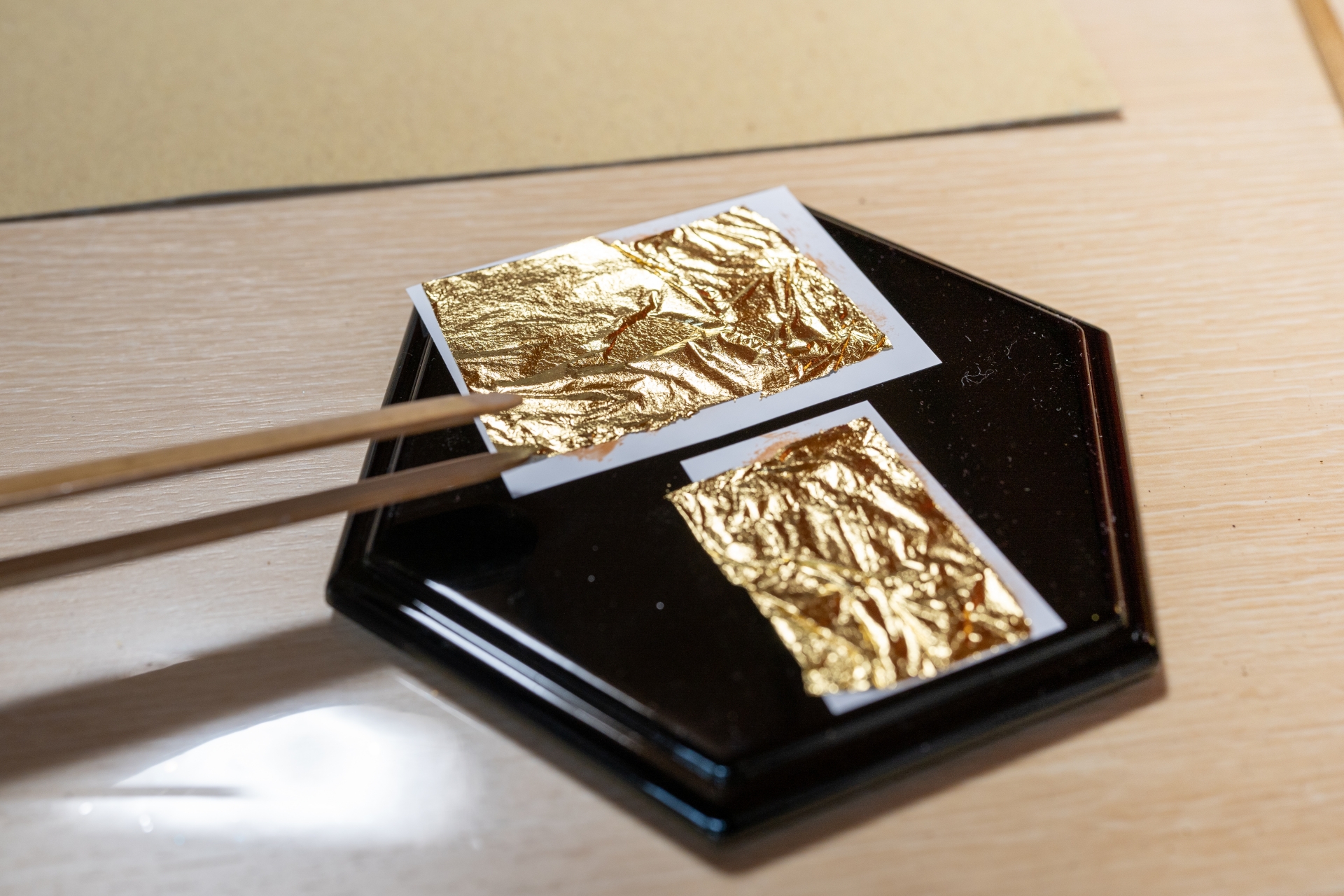
The master looked at my handiwork, sighed deeply—not in a mean way, but in that 'I've seen a thousand tourists try this' way—and handed me a toothpick. I was in a tiny, cedar-scented workshop in Kanazawa, trying to apply gold powder to a pair of jet-black lacquer chopsticks, and I had just realized that my caffeine-induced hand tremors were not a good mix with 24-karat gold dust. But that’s the thing about Japan. You can spend your whole trip looking at things behind glass, or you can get your hands dirty. I chose the latter. There is something incredibly grounding about the smell of raw urushi (lacquer) and the focused silence of a workshop that has been in the same family for four generations. I’ve lived in Japan for over five years now, and I still find these moments of quiet concentration more rewarding than any neon-lit robot show. nnI remember the exact moment it clicked. I was struggling to get the 'Maki-e' technique right—that’s where you sprinkle gold or silver powder onto wet lacquer to create a design. I wanted a sleek, minimalist cherry blossom. It ended up looking like a very expensive pink smudge. But as I sat there, the sensei gently corrected my grip, and for about fifteen minutes, the rest of the world just... vanished. No notifications, no train schedules, just me and a piece of wood. It’s one of the few times I felt I was actually touching the 'real' Japan, not just the version printed on brochures. If you're looking to book something that isn't just a photo op, checking out the local craft workshops on Klook is a solid move.
Top Rated
Gold Leaf & Maki-e Workshop
Get hands-on with real 24k gold leaf in a traditional Kanazawa studio. You'll learn the Maki-e technique from a master artisan and create a custom piece of lacquerware to take home.
Kanazawa produces 99% of Japan's gold leaf; there is literally no better place on Earth to try this.
Book Workshop ↗
I ended up walking away with a pair of chopsticks that I actually use every single night. They aren't perfect, but they’re mine, and they remind me of that quiet morning every time I eat ramen. Trust me, it beats a ten-pack of cheap plastic ones from a gift shop any day of the week. On top of that, the sense of accomplishment when you finally see the gold catch the light is something you can't buy in a department store. You'll want to take your time with this; rushing is the fastest way to ruin a piece that took someone else months to prepare. It’s a humbling experience, honestly. You realize very quickly that 'simple' Japanese design is actually the result of insane levels of discipline.
If you're doing this in Kanazawa, ask if they have 'Raden' (mother-of-pearl) inlay options. It's way harder but looks ten times more expensive when you're done.
What You Need to Know Before You Glue Your Life Away
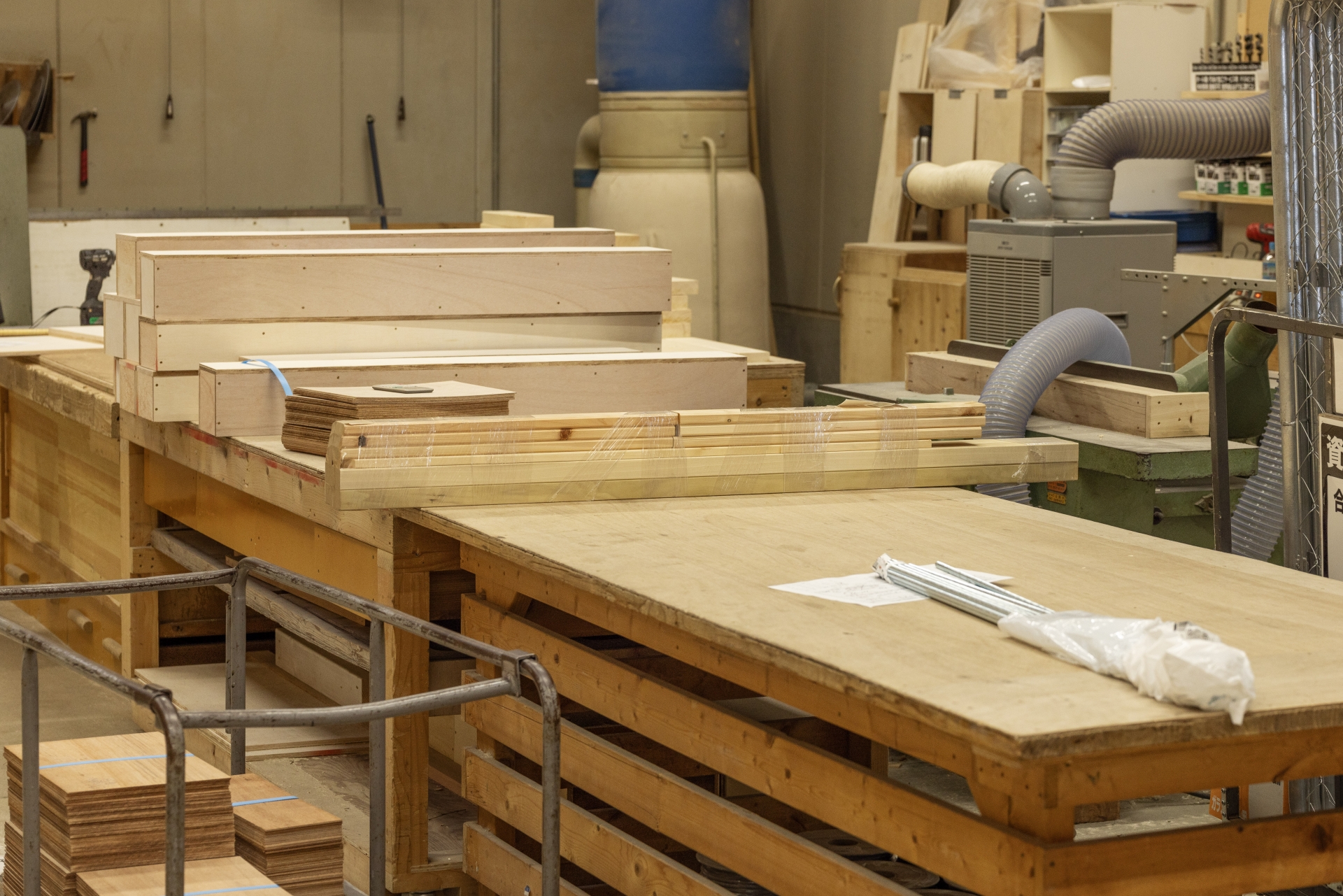
Let’s get the 'oops' out of the way first. My first time doing a woodworking session in Takayama, I wore my favorite white linen shirt. Rookie mistake. Huge mistake. Real Japanese lacquer (urushi) is basically the sap of a tree related to poison ivy. If it gets on your skin, it can cause a nasty rash, and if it gets on your clothes, it’s there forever. Most places give you an apron, but do yourself a favor and wear dark colors. Also, don't expect to be a master in an hour. The process is usually simplified for us tourists—you’re often doing the final decoration (Maki-e) rather than the months-long process of layering the lacquer itself. And here's the thing: even the 'simplified' version is a test of your sanity. nnThe technical side is fascinating but finicky. You’ll likely be using a very fine brush made of cat hair—yes, really, they use specific hairs for different levels of flexibility—to paint a sticky base, then puffing gold dust through a bamboo tube. It sounds easy until you realize that even breathing too hard will send fifty dollars’ worth of gold leaf flying across the room. I literally held my breath for so long I got dizzy. But the payoff? Seeing that gold catch the light for the first time is a total rush. I stayed at a small machiya-style hotel near the Higashi Chaya district to stay close to the craft action, and it made the whole experience feel seamless.
Authentic Stay
Stay in Historic Kanazawa
The Higashi Chaya area is the ultimate base for craft lovers. Stay in a beautifully restored machiya townhouse within walking distance of the city's best artisan workshops.
Walking these preserved samurai-era streets at sunrise before the tour buses arrive is a core Japan memory.
Find Hotels ↗
Most workshops will have a translator or enough English signage to get you through, but honestly, art is a universal language. When the sensei gives you a thumbs up, you know you’ve nailed it. Just don't be like the guy next to me who tried to 'improve' the design and ended up with a blob of gold that looked like a potato. Stick to the stencil your first time, folks. Oh, and one more thing—if you have sensitive skin, mention it. While the lacquer is usually partially cured for tourist workshops, it's better to be safe than itchy for the rest of your vacation. I've seen people get a bit of a reaction just from the fumes in the drying room, though that's pretty rare. Just keep your hands on the tools and off your face.
Check if the workshop uses 'real' urushi or synthetic lacquer. Real urushi takes days to dry and can't be taken home immediately—they'll have to mail it to you. Synthetic (cashew-based) dries in 30 minutes, which is better if you're leaving town tomorrow.
The Practical Stuff: Kanazawa vs. Takayama
So, where should you actually do this? You’ve basically got two heavy hitters: Kanazawa and Hida Takayama. Kanazawa is the 'Gold Leaf Capital' of Japan. If you want glitz, glam, and that high-end samurai aesthetic, go to Kanazawa. The workshops there are polished, professional, and you get to work with actual gold leaf that is beaten so thin it can disappear if you touch it with your bare fingers. It’s elegant, refined, and very 'Instagrammable.' I personally love the vibe of the Higashi Chaya district for this; it feels like you've stepped back into the Edo period, minus the swords and plus a lot of soft-serve ice cream covered in gold leaf. nnOn the other hand, if you want something a bit more rugged and 'woody,' head to Takayama. They specialize in 'Hida-shunkei,' which is a transparent lacquer that lets the natural grain of the wood shine through. It feels more like a mountain craft. I personally prefer the Takayama vibe for woodworking—making bento boxes or trays—and the Kanazawa vibe for the delicate painting stuff. Price-wise, you’re looking at about 3,000 to 5,000 yen for chopsticks, and maybe up to 8,000 for a small bowl or plate. Most sessions last about 90 minutes. Is it worth it? Absolutely. I’ve done the robot cafes and the go-karts, but this is the stuff that actually sticks in your brain. You aren't just a spectator; for an hour, you're part of a lineage that's been around for centuries. Plus, it's the perfect rainy-day activity—and trust me, it rains a lot in Kanazawa. Just book at least a week in advance because these small studios only have room for about 4-6 people at a time. Go in with low expectations for your artistic skills and high expectations for the fun factor, and you’ll have a blast. Seriously. Don't overthink the design. The beauty of Japanese craft is often in the tiny imperfections that show a human actually made it. My lopsided cherry blossom is now my favorite conversation starter when friends come over for dinner.
If you're in Takayama, look for the workshops near the Hida no Sato open-air museum. They are often less crowded than the ones in the old town center.