Why I Still Lose My Mind (And My Coins) in These Places
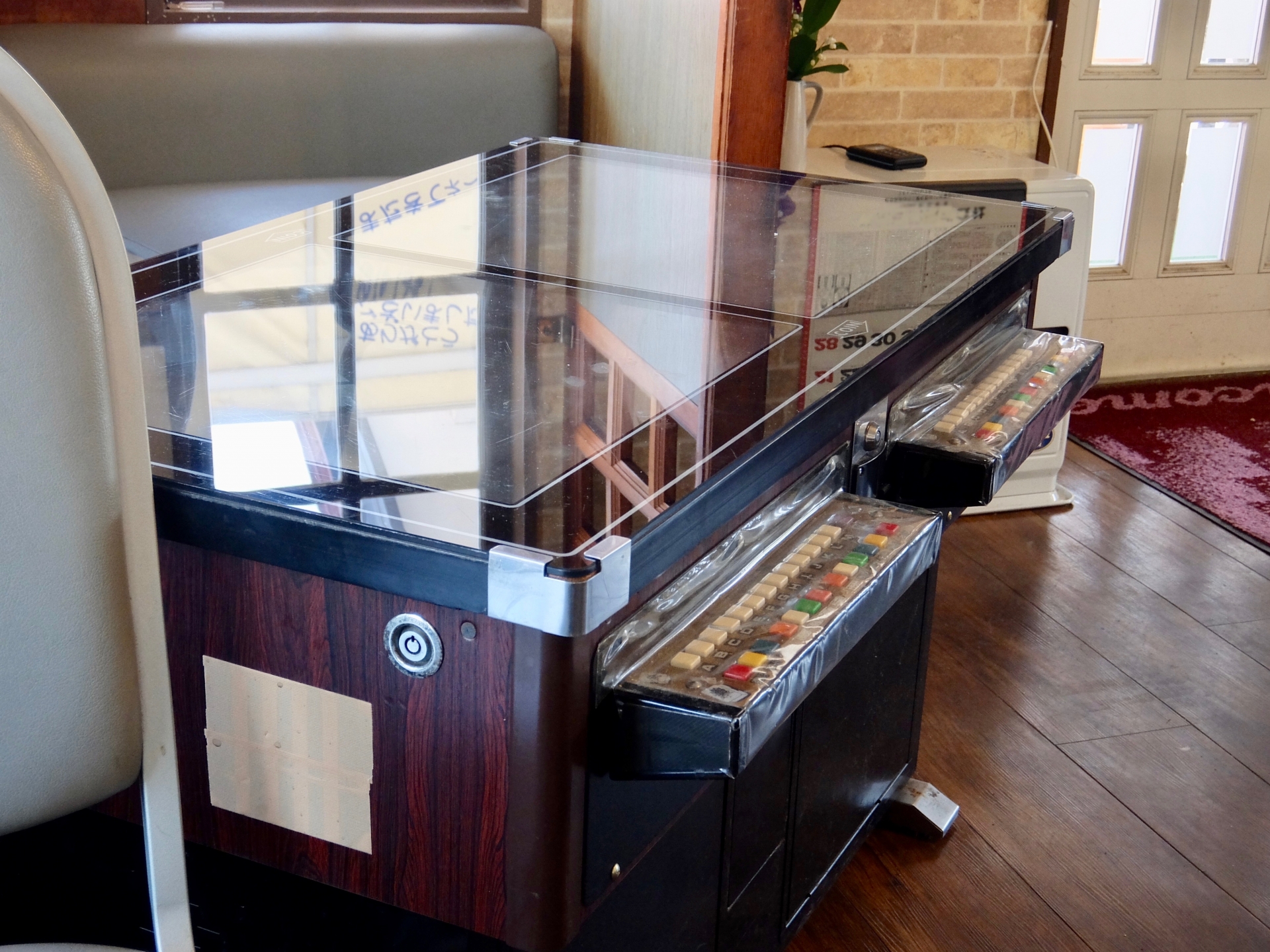
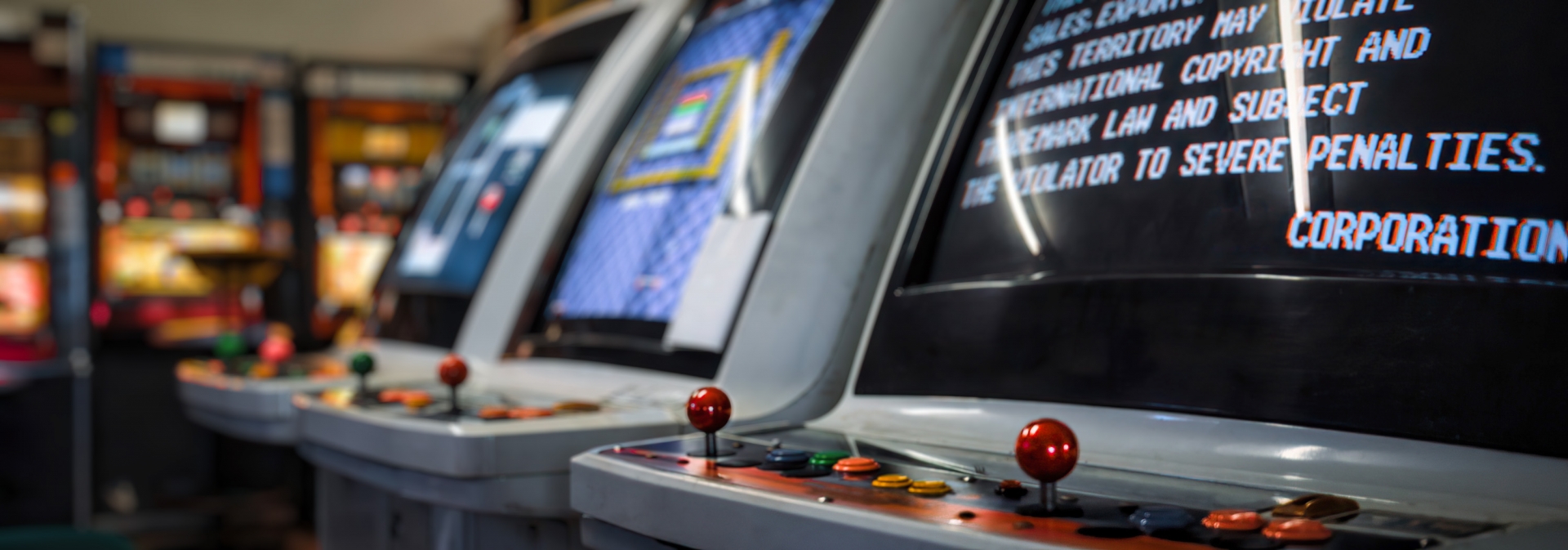
I remember the first time I stepped into a multi-story arcade in Akihabara back in 2021. The sheer wall of sound—a chaotic symphony of J-Pop, explosions, and clicking buttons—was enough to give me a migraine, yet I couldn't leave. I ended up spending three hours and about 4,000 yen on a single 'Taiko no Tatsujin' drum machine because a grandmother in a kimono was absolutely shaming me with her rhythm skills. That’s the thing about Japanese gaming culture; it’s not just for kids. It’s a multi-generational obsession. Whether you're in a massive GiGO center or a tiny, smoke-filled retro bar in a basement, there’s this electric energy you just don't get sitting on your couch with a PS5. The smell of ozone and old plastic is weirdly comforting once you get used to it. nnBut the real magic isn't in the shiny new VR stuff. It’s in the retro bars. I found this one spot in Osaka’s Amerikamura district—literally a hole in the wall with about six seats. The walls were lined with Famicom cartridges and dusty CRT monitors. I sat down, ordered a 'Highball,' and within five minutes, the bartender had handed me a controller. I spent the next hour playing 'Street Fighter II' against a salaryman who had clearly been practicing since 1992. He destroyed me. Repeatedly. But we were laughing, sharing limited-edition snacks, and bonding over pixelated violence. And here's the thing: to get the full experience without wandering aimlessly, I highly recommend booking a local-led tour through the back alleys of Akihabara
Top Rated
Akihabara Deep Dive Tour
Ditch the tourist traps and follow a local into the neon-lit back alleys of Akihabara. You'll discover hidden multi-story arcades and basement retro shops that don't even have English signs.
Find the secret spots that Google Maps completely misses.
Book Your Tour ↗
to find the spots that don't show up on Google Maps. It’s the difference between seeing the 'tourist' version of Japan and actually feeling the subculture pulse. nnHonestly? I’d do it every weekend if my wallet allowed it. There’s something deeply cathartic about hitting a physical button and hearing that 8-bit 'level up' sound after a long day of navigating Tokyo’s subway system. It’s pure, unadulterated joy. You'll find that the community in these smaller bars is incredibly welcoming, even if your Japanese is limited to 'Sumimasen.' On top of that, the drinks are usually themed, which is a nice touch. I once had a cocktail served in a glass shaped like a GameBoy. It was overpriced, sure, but the nostalgia hit was worth every yen. Just don't expect to win against the regulars. They are on a different level entirely. Seriously. Don't even try.
Skip the ground floor crane games. They are designed to eat your money. Head to the 3rd or 4th floors where the 'real' gamers hang out; the machines there are usually fairer and much more interesting.
What You Need to Know Before You Enter the Matrix
Listen, Japan’s arcades (or 'Game Centers') have a rhythm you need to learn. It’s not just walk-in-and-play. First off, the noise. It is loud. If you have sensory issues, bring earplugs—I’m serious. I made the mistake of going in with a hangover once, and I thought my skull was going to split open. Secondly, the etiquette is real. Don't be that person who leaves their bag on the floor or hovers over someone playing 'MaiMai' (the washing machine rhythm game). It’s rude. If you want to play, look for a coin tray or a small stool. If someone’s stuff is there, the machine is taken. Oh, and if you see someone wearing white gloves while playing a rhythm game, just walk away. They are a god, and you are a mere mortal. nnThen there are the 'Retro Game Bars.' These are different. Most charge a 'cover fee' (usually around 500–1,000 yen) which often includes an hour of unlimited play and maybe a snack. I once walked into a bar in Shinjuku thinking it was a regular pub. I sat down, saw a Super Famicom at the bar, and accidentally stayed until 3 AM. The mistake I made? I didn't realize some bars have a 'one drink per hour' rule. My bill at the end was... eye-watering. So, read the menu carefully! You'll want to keep an eye on the clock. Also, many of these places are tucked away in buildings that look like residential apartments. If you’re staying at a hotel in Shinjuku or Akihabara
Gamer's Choice
Stay in the Heart of Akihabara
Book a room right on the Chuo-dori strip. It's the ultimate convenience for dropping off your crane game prizes and plushies before heading back out for a late-night gaming session.
The last train won't matter when your bed is a 5-minute walk away.
Find Hotels ↗
, you’re perfectly positioned to stumble home after a late-night session. nnJust remember that while many places are becoming more foreigner-friendly in 2026, some tiny 'locals-only' bars might still have a 'no photos' policy to protect the privacy of the regulars. Always ask before you whip out your phone for the 'Gram. Trust me, being respectful gets you way more 'secret' tips from the bartenders than being a pushy influencer ever will. I've had bartenders show me hidden collections of rare Neo Geo cartridges just because I took the time to ask about their favorite game. It's about the connection, not just the pixels. Here's what most people miss: the best bars aren't on the main streets. They are on the fourth floor of a building that looks like it's about to be condemned. That's where the soul of the scene lives.
Look for 'Nomihodai' (all-you-can-drink) plans at game bars. It usually works out much cheaper if you plan on staying for more than 90 minutes, and it often includes access to a library of hundreds of vintage games.
The Practical Stuff: Where to Go and What to Bring
If you’re serious about this, you need a plan. Akihabara is the mecca, obviously. But it can be overwhelming. For the best retro experience, head to 'Super Potato.' It’s legendary for a reason. The top floor has a small arcade with some of the rarest cabinets in the world. However, if you want something a bit more 'local,' go to Nakano Broadway. It’s like Akihabara’s cooler, older brother. The 'Namco Nakano' arcade there has a vibe that hasn't changed since the late 90s, and the prices are slightly lower. In Osaka, 'Den Den Town' is your go-to. It’s smaller than Akihabara but much easier to navigate, and the people are generally friendlier. nnIn terms of tech, most modern arcades now use IC cards (like Suica or Pasmo) or specific arcade cards like 'Aime' or 'BanaPassport.' If you’re just visiting for a day, you don't need one, but if you want to save your progress on games like 'Initial D' or 'Tekken,' they’re worth the 500 yen. Language-wise, you don't need much Japanese to play, but knowing the katakana for 'Start' and 'Credit' helps. Most staff in major hubs speak enough English to help you if a machine eats your 100-yen coin—which will happen, eventually. One last thing: bring 100-yen coins. Lots of them. While most places have change machines (ryogaeki), having a pocket full of 'silver' makes you feel like a local pro. nnMost sessions will last about 2-3 hours, but if you get sucked into a tournament, clear your schedule. I once went in for 'fifteen minutes' and missed my dinner reservation because I was on a winning streak in 'Puzzle Bobble.' No regrets. You should also keep an eye on the time if you're relying on the subway. The 'last train' panic is a real thing in Tokyo, and nothing kills a winning streak like having to sprint two kilometers to the station. Oh, and one more thing—don't be afraid to try the weird stuff. The games that look like they make no sense are often the most fun. I spent an hour playing a game where you just had to flip a virtual table. It was the most stress-relieving thing I've ever done. Trust me on this, the weirder the better.
Visit arcades on weekday mornings or early afternoons. From 5 PM onwards, they get flooded with students and office workers, and you'll have to wait in line for the popular rhythm and fighting games.