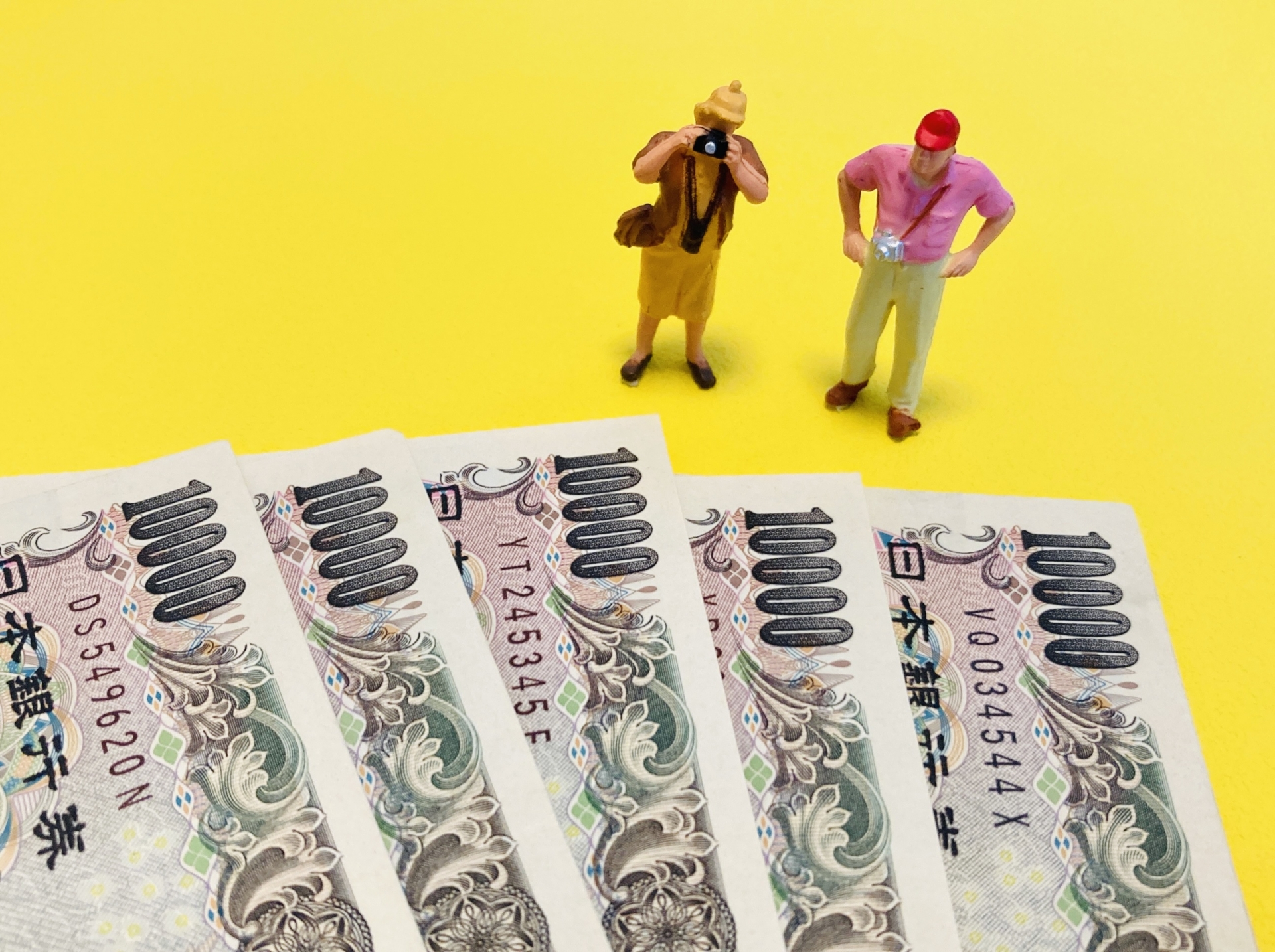
The Shock of the 'Foreigner Price'
I remember standing in line at a famous castle recently and seeing two different prices on the board. One was for residents, and the other—significantly higher—was for 'International Visitors.' My first instinct was to feel a bit slighted. Why was my money worth less? But after spending months crisscrossing the country throughout 2025, I started to see the bigger picture. The reality is that Japan’s infrastructure is under immense pressure. From the crowded streets of Kyoto to the powder-heavy slopes of Niseko, the cost of keeping things clean, safe, and efficient has skyrocketed. When I booked my last day trip through a reliable platform, I realized that paying that extra bit actually ensures the site remains accessible for years to come.
Traveler's Choice
Klook Travel Activities
I use this to book my entry tickets in advance. It often helps me bypass the main ticket lines where those confusing price boards are prominently displayed.
Book Tours & Tickets
The level of service and the pristine condition of these sites are still miles ahead of what I’ve experienced elsewhere in the world. To be honest, when you look at the exchange rate, that 'inflated' price is often still cheaper than a standard museum ticket in London or New York. It's a small price to pay for the level of hospitality you receive in return.
Is it actually 'Exploitation'?
Here's what I've found: no, it isn't. If you look at the numbers, even the 'inflated' tourist price for a high-end museum or a temple is often just around approx. 1,000 to 2,000 yen—which is basically what you’d pay for a fancy latte and a pastry back home. I’ve realized that as guests, we are contributing to the preservation of history. It’s a shift in mindset: instead of seeing it as a 'tax,' I see it as a 'preservation fee.' It’s the price of admission to a culture that is working incredibly hard to stay authentic while welcoming millions of us. On top of that, many of these surcharges go directly toward hiring multi-language staff and improving signage, which makes our lives as travelers much easier.
Hacks to Balance Your Budget
If the idea of paying more at every turn makes your wallet sweat, don’t panic. I’ve found that the 'dual pricing' phenomenon is mostly concentrated in the big-name tourist traps. If you step just two blocks away from the main thoroughfare, the prices often drop back down to local levels. I’ve made it a habit to look for restaurants that don't have English-only menus displayed on the sidewalk; that’s usually where the best value is. Also, where you choose to stay makes a huge difference in your overall daily spend. I usually look for hotels in residential neighborhoods like Sumida in Tokyo or the northern parts of Kyoto to avoid the 'tourist zone' markup.
Best Value
Expedia Hotels
This is my go-to for finding hotels in quieter, local neighborhoods that haven't implemented 'tourist zone' pricing yet.
Find Local Stays
By saving on my accommodation, I don't feel the pinch as much when I’m asked to pay a bit more at a major landmark. Another thing to keep in mind is that lunch specials in Japan are legendary. You can often get a Michelin-level meal for a fraction of the dinner price, regardless of your residency status.
Where You'll See the Gap the Most
It’s helpful to know exactly where these price differences pop up so you aren't caught off guard at the ticket counter. In 2025, the biggest gaps are appearing in places that require heavy maintenance or are currently suffering from extreme crowding. I’ve put together a quick look at where I’ve noticed the most significant changes lately. The bottom line is that transparency is increasing, and most places will clearly state the reason for the price difference, whether it's for 'cultural preservation' or 'crowd management.'
| Category | Pricing Trend |
|---|---|
| Major Castles & Temples | Higher entry fees for non-residents common |
| Ski Resort Lift Passes | Significant surcharges in areas like Niseko/Hakuba |
| Themed Restaurants | Service fees or 'tourist sets' are now standard |
| Local Izakayas | Usually no difference (the best place for value!) |