The Reality Check: My First Month Handling Tattoos in Tokyo
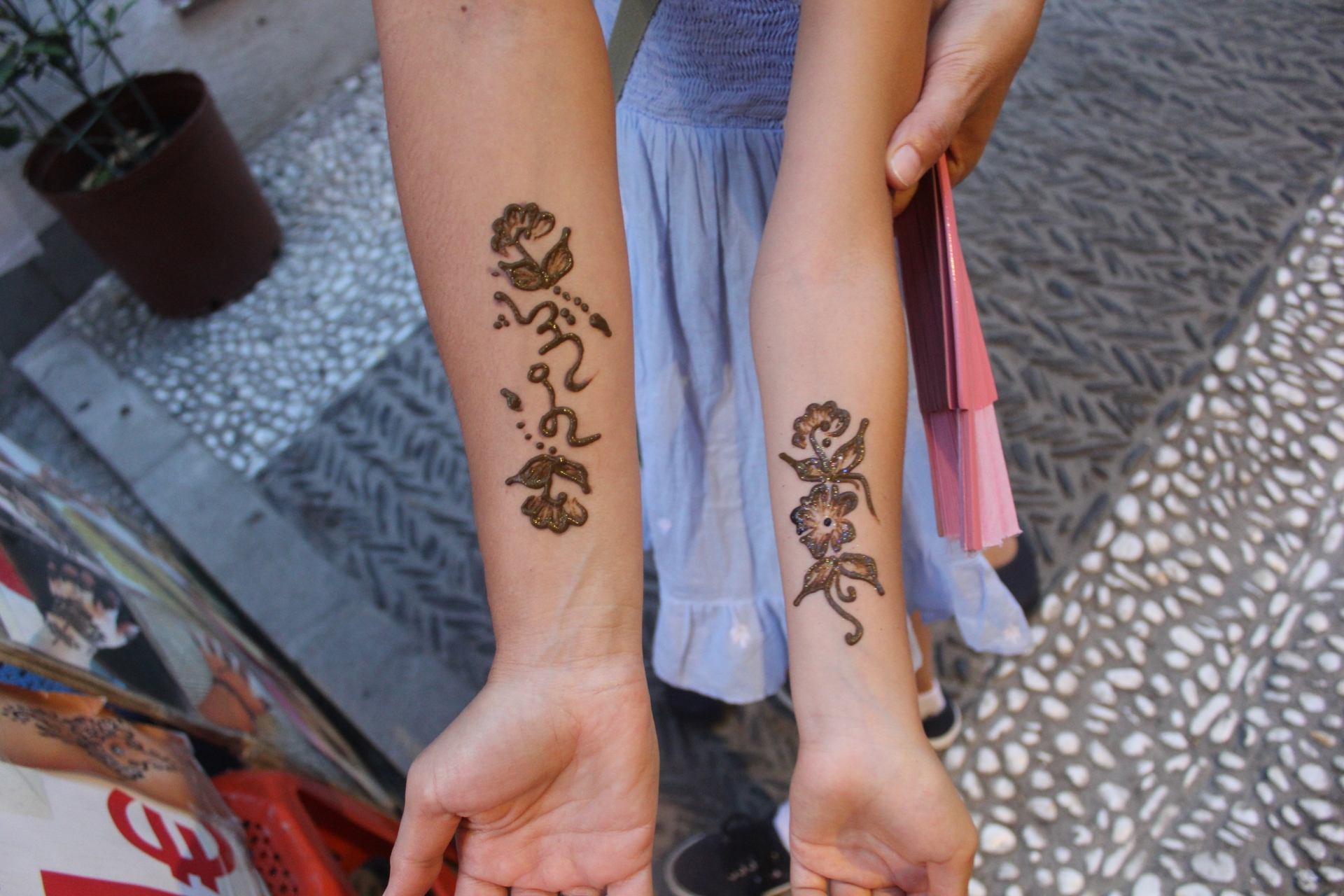
When I first landed in Japan for a long-term stay, I was terrified. I have a fairly large piece on my forearm, and everything I’d read online suggested I’d be treated like a social pariah. Let’s be real: in 2025, the old 'tattoos equal yakuza' stereotype is dying, but it’s not dead yet. My first week was a whirlwind of long sleeves in 30-degree humidity. I felt like I was hiding a secret, and honestly, it was exhausting. I quickly realized that the 'gaijin card' (the leeway given to foreigners) only goes so far when you're trying to integrate into a local community or a professional workspace. I had to learn the nuance of when to cover up and when I could finally breathe. It wasn't about being ashamed; it was about showing that I understood the local 'wa' or harmony. I spent hours researching which cafes were 'laptop friendly' and 'ink friendly' just so I could work without feeling the weight of a thousand stares.nnOne thing that saved my sanity was staying connected to the local expat community who had already figured out the 'safe zones.' I found that having a reliable eSIM was the most important tool in my kit, allowing me to look up tattoo-friendly gyms and onsens on the fly without any awkward interactions at the front desk.
Traveler's Choice
Japan Travel Connectivity Kit
Essential for finding tattoo-friendly spots and handling complex social etiquette on the fly.
Check Connectivity Options
I eventually found that in neighborhoods like Shimokitazawa or Koenji, my tattoos were actually a conversation starter rather than a barrier. But the moment I stepped into a Marunouchi office building, the sleeves came back down. It’s a game of context, and once you learn the rules of that game, the stress starts to melt away. I stopped worrying about 'changing' Japan and started focusing on how I could handle it with grace. It’s about respect, not just rules.
The 'Rash Guard' Revolution
I used to think my gym days were over in Japan. Most major chains still have a strict 'no tattoo' policy. However, I discovered that 'skin-colored patches' and compression sleeves are the ultimate hack. I started wearing a lightweight rash guard during my workouts, and suddenly, nobody cared. It’s a silent agreement: if they can’t see it, they don’t have to enforce the rule. This 'don't ask, don't tell' approach is very common in 2025 Japan. I even found some boutique gyms in Shibuya that explicitly welcome tattooed members, proving that the culture is shifting, albeit slowly. It’s all about doing your homework before you show up.
The Professional Pivot: How I Handled Workplace Fashion Without Losing My Soul
Working in a Japanese environment, even as a freelancer or a remote worker for a global firm, requires a different fashion vocabulary. I’ll never forget my first 'business casual' meeting in Osaka. My version of business casual was a clean tee and nice jeans. I walked in and everyone else was in full charcoal suits. I felt like a neon sign in a dark room. The 'fashion' side of the struggle is just as real as the tattoo side. There is a heavy emphasis on 'cleanliness' (seiketsukan), which doesn't just mean being clean, but looking 'proper.' For me, this meant investing in a few high-quality, breathable linen blazers that could hide my ink while still looking sharp in a professional setting. nnI also learned that where you choose to stay and work makes a massive difference in your stress levels. I started booking hotels that catered specifically to international business travelers and digital nomads, as their 'work-from-lobby' culture is far more inclusive of modern fashion and personal style.
Top Rated
Nomad-Friendly Stays in Tokyo
Book hotels that understand the needs of international workers and provide a relaxed atmosphere.
Browse Nomad Hotels
These spaces act as a buffer zone where you can be yourself before heading out into the more rigid parts of the city. I found that by choosing the right home base, I didn't feel the need to 'perform' 24/7. I could be the 'professional version' of myself in meetings, and then head back to a space where my tattoos and sneakers were the norm. It’s all about creating those pockets of comfort in your daily routine.
Social Norms vs. Personal Identity: Finding Your Balance
The biggest hurdle for me wasn't the rules themselves, but the fear of 'reading the air' (Kuuki wo yomu) incorrectly. In Japan, people rarely tell you to your face if you're making them uncomfortable. Instead, you'll notice small shifts—a slightly longer look, a seat left empty next to you on the train, or a polite but firm 'full' sign at a local izakaya. I had to learn that my fashion choices weren't just about me; they were signals I was sending to everyone around me. In 2025, the younger generation is much more open, but the decision-makers in workplaces and traditional businesses are still from a more conservative era. I found that by being extra polite—using my best Japanese greetings and being mindful of my volume—I could often offset any 'negative' impressions my tattoos might have created. It’s a trade-off. If you’re going to look 'rebellious' by local standards, your behavior needs to be twice as impeccable to show you’re a respectful guest.
| Setting | Tattoo/Fashion Tolerance | My Recommended Strategy |
|---|---|---|
| Traditional Offices | Very Low | Full coverage; conservative suits/colors. |
| Tech/Creative Hubs | High | Smart casual; visible tattoos usually okay. |
| Public Onsens | Low to Medium | Use waterproof patches or find 'tattoo-friendly' tags. |
| Nightlife (Shinjuku/Shibuya) | Very High | Express yourself freely; anything goes. |