The Truth About Omiyage vs. Temiyage
When I first started traveling to Japan to visit friends, I was paralyzed by the fear of doing 'the gift thing' wrong. I’d heard stories of elaborate rituals and expensive tributes, but the reality is much warmer and more human. First, you need to know the difference between 'Omiyage' and 'Temiyage.' Omiyage is what you bring back from a trip for your coworkers or friends—usually food specifically from the place you visited. Temiyage is a 'thank you' gift you bring when you are actually visiting someone's home or office. In 2025, the lines have blurred slightly for international tourists, but the core remains: it’s a physical manifestation of your gratitude. I remember one trip where I spent hours worrying if my maple syrup from home was 'too much.' When I finally handed it over, my host was just thrilled I’d carried something from my own culture across the ocean. It wasn't about the price tag; it was about the story. To make my travels easier while hunting for these gifts, I always make sure I have a reliable data connection to research local specialties. I highly recommend grabbing a high-speed eSIM or Pocket WiFi so you can look up 'depachika' (basement food halls) locations on the fly.
Traveler's Choice
Klook Travel Essentials
The easiest way to book your Pocket WiFi or eSIM so you can research the best local gift shops and navigate department stores without getting lost.
Book WiFi & Tours
This saved me when I was lost in Shinjuku trying to find a specific brand of cookies my friend loved. Beyond the logistics, you should know that the 'Depachika' is your secret weapon. These department store basements are like museums of food. In 2025, they have become even more curated, featuring seasonal limited editions that make for perfect gifts. I've spent countless hours wandering through the aisles of Isetan or Mitsukoshi, marveling at how a simple box of crackers can be wrapped like a piece of fine jewelry. The staff there are experts; if you tell them it's a gift, they will wrap it with a level of precision that is honestly mind-blowing. It takes the stress out of the process because you know the presentation will be flawless. Another thing I've learned is that 'Meibutsu' (regional specialties) are the gold standard. If you are coming from the US, maybe it's local honey or specialty nuts. If you're from the UK, perhaps it's a specific type of tea. Japanese people love the idea of 'limited' or 'local,' so anything that screams 'this is only from where I live' is going to be a massive hit. It shows you didn't just grab something at the airport duty-free shop at the last second, even if you actually did!
Why Consumables are Your Best Friend
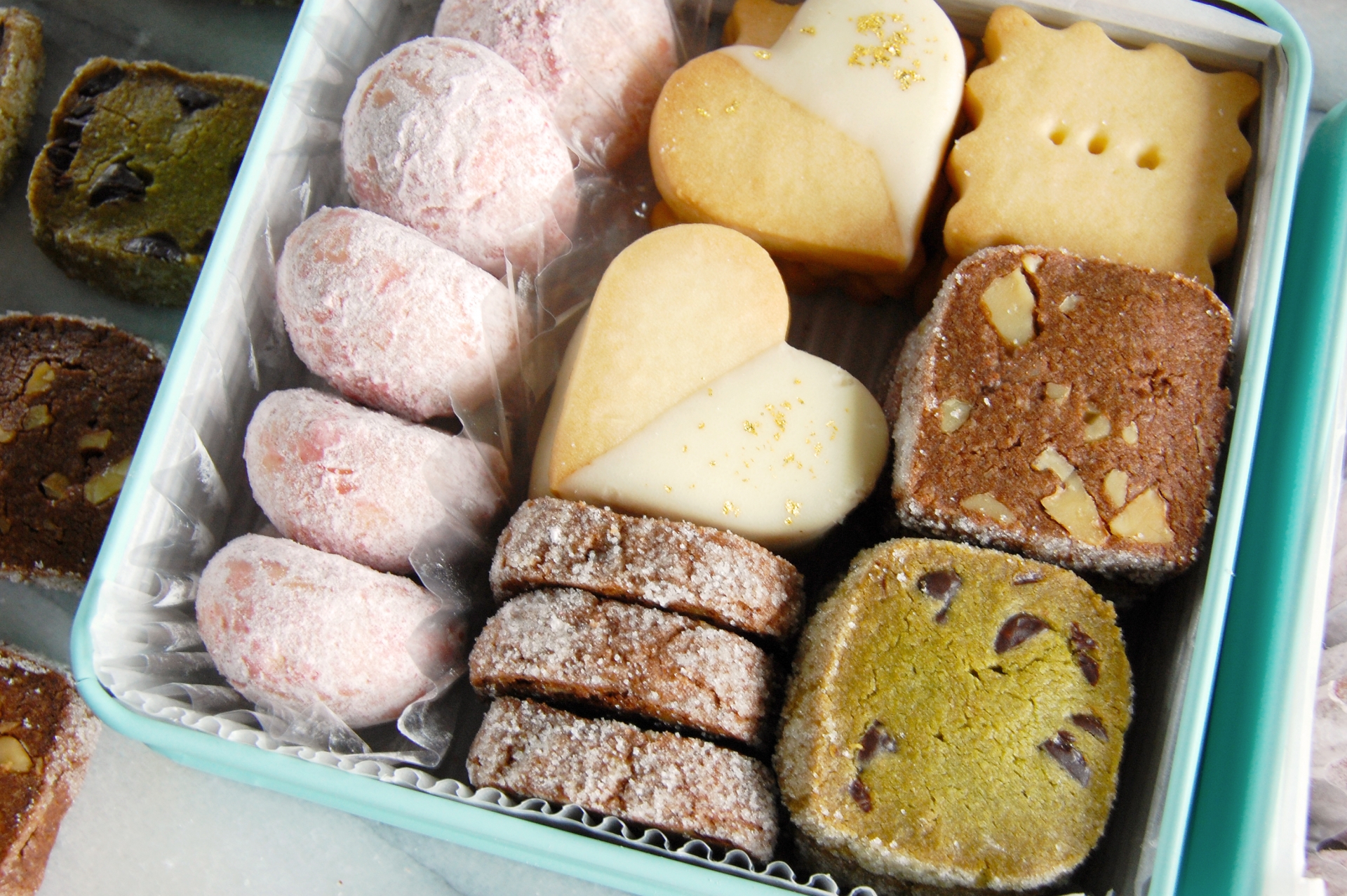
If there is one 'hack' I can give you, it is this: always buy something that can be eaten or used up. Japanese homes, especially in cities like Tokyo or Kyoto, are often quite compact. The last thing a Japanese friend wants is a bulky souvenir that takes up shelf space forever. I’ve found that high-quality tea, regional snacks, or even specialty coffee beans are the gold standard. They show effort but don't create clutter. I usually look for items that are individually wrapped—this is a massive part of the culture because it makes it easy for the recipient to share the gift with their family or office. I once brought a giant bag of loose popcorn, and while my friends were polite, I could see the struggle of how to serve it. Lesson learned! Now, I stick to the beautifully boxed sets you find in department stores or at the airport. In 2025, there's also a growing appreciation for 'functional' gifts—things like high-end hand creams or artisanal soaps, but food still reigns supreme. The beauty of food is that it's a shared experience. When you give a box of sweets, you're often invited to sit down and enjoy them together, which opens up a whole new level of conversation and connection.
How Much Should You Really Spend?
One of the biggest myths is that you need to drop a fortune on gifts. In my experience, spending too much can actually make the recipient feel uncomfortable because of the 'Giri' or social obligation to return a gift of equal value. For a casual friend or a business partner, a gift that costs around 2,000 to 3,500 yen (roughly the price of a nice lunch) is the sweet spot. If you are staying with a host family, you might go a bit higher, perhaps around 5,000 yen. I usually budget for this before I even leave home. When I'm booking my accommodation, I look for places that are centrally located so I can easily pop into a Takashimaya or Isetan department store to find these gifts. I’ve found some of my favorite stays through booking platforms that offer a wide range of boutique hotels and traditional ryokans.
Best Prices
Expedia Hotel Deals
Find the perfect hotel near major shopping districts like Ginza or Shinjuku to make your 'omiyage' shopping a breeze.
Find My Stay
Having a nice home base makes the 'gift hunt' feel like a fun excursion rather than a chore. I’ve spent many afternoons wandering through the basement food floors of Ginza, which are basically museums of beautiful packaging. It’s the easiest way to find something that looks like it cost double what you actually paid. You also have to consider the 'Okaeshi' culture. This is the practice of giving a return gift, usually worth about half the value of the original gift. If you give something wildly expensive, you are essentially handing your friend a bill for half that amount, as they will feel culturally obligated to buy you something in return. By keeping your gift in the 2,000-3,500 yen range, you keep the relationship balanced and stress-free. It's also worth noting that in 2025, many Japanese people are becoming more conscious of 'value for money' due to the fluctuating yen. They appreciate quality over quantity. A small, perfectly crafted box of four premium chocolates is often seen as more thoughtful than a massive box of mediocre ones. I always look for the 'Limited Edition' stickers (Kigen Gentei) which are everywhere in Japan. These items are only available for a short time and are highly prized. It shows you were paying attention to the season, which is a huge deal in Japanese culture. Whether it's cherry blossom flavored everything in the spring or chestnut treats in the autumn, leaning into the season is a major pro-tip that will make you look like a total Japan expert.
The Secret Art of the Handover
The 'how' is just as important as the 'what.' I used to think I could just slide a gift across the table, but I quickly learned that the presentation is a performance of respect. Always use both hands when giving or receiving a gift. This small gesture signals that the person in front of you has your full attention. Also, don't be surprised if your gift isn't opened immediately. In Japan, it’s common to wait until the guest has left to open the gift to avoid any potential awkwardness if the gift isn't 'perfect.' I also learned a great phrase: 'Tsumaranai mono desu ga,' which literally means 'This is a boring thing, but...' It sounds self-deprecating, but it’s a classic way to show humility. Nowadays, younger people might say 'Kore, oishii desu yo' (This is delicious!), which feels a bit more modern and 'savvy.' I’ve used both, and honestly, the modern approach often leads to a better conversation about where the gift came from. Another thing to keep in mind is the timing. Don't lead with the gift the second you walk through the door. Usually, you wait until you've sat down and exchanged initial greetings. It's a bit like a dance; there's a rhythm to it. If you're in a business setting, the gift exchange usually happens at the end of the meeting. In a home setting, it's often after the first round of tea. And whatever you do, don't forget the bag! In Japan, the paper bag the gift came in is part of the protection. However, when you hand over the gift, you should take it out of the bag and present the box itself, then fold the bag and take it with you, or offer to dispose of it. It sounds complicated, but once you see it in action, it makes total sense. It's all about minimizing the 'burden' on the recipient. In 2025, I've noticed more people using reusable bags, which is totally fine and actually quite trendy. If you're worried about the language barrier, a simple 'Dozou' (Please/Here you go) accompanied by a slight bow and two hands is more than enough to convey your respect. The effort you put into learning these small cultural cues will be noticed and deeply appreciated. It transforms a simple transaction into a meaningful moment of connection.
| Gift Type | Best For... | Typical Cost |
|---|---|---|
| Local Snacks | Coworkers/Casual Friends | approx. 1,500 - 2,500 Yen |
| Specialty Tea/Coffee | Close Friends/Hosts | approx. 2,500 - 4,000 Yen |
| Alcohol (Small Bottle) | Business Partners | approx. 3,000 - 5,000 Yen |
| Home Country Crafts | Host Families | approx. 4,000 - 6,000 Yen |