The Moment My Brain Finally Shut Up
I remember sitting on a tatami mat at 5:30 AM, staring at a single sliding paper door. My legs were doing that weird pins-and-needles thing because I’m a 30-something expat who still hasn't mastered the art of sitting cross-legged for more than ten minutes. In the background, there was just the sound of a distant river and the occasional 'thwack' of a bamboo water feature. No sirens. No Shinjuku station announcements. No Slack notifications. It was terrifying for about twenty minutes—then it was the best thing I’ve ever felt. I booked this specific mountain retreat because I realized I’d spent the last six months in Tokyo just reacting to things. I needed a hard reset. This wasn't just a hotel stay; it was a full-immersion wellness program where they actually expect you to show up for the sessions.
Alex's Pick
Book Your Zen
A 3-day immersive wellness retreat in the heart of Gunma. Includes daily yoga, guided meditation sessions, and full access to therapeutic volcanic hot springs in a 100-year-old ryokan.
These small-batch retreats limit capacity to 10 people—spots for the 2026 autumn foliage season fill up 4 months out.
Check Dates ↗
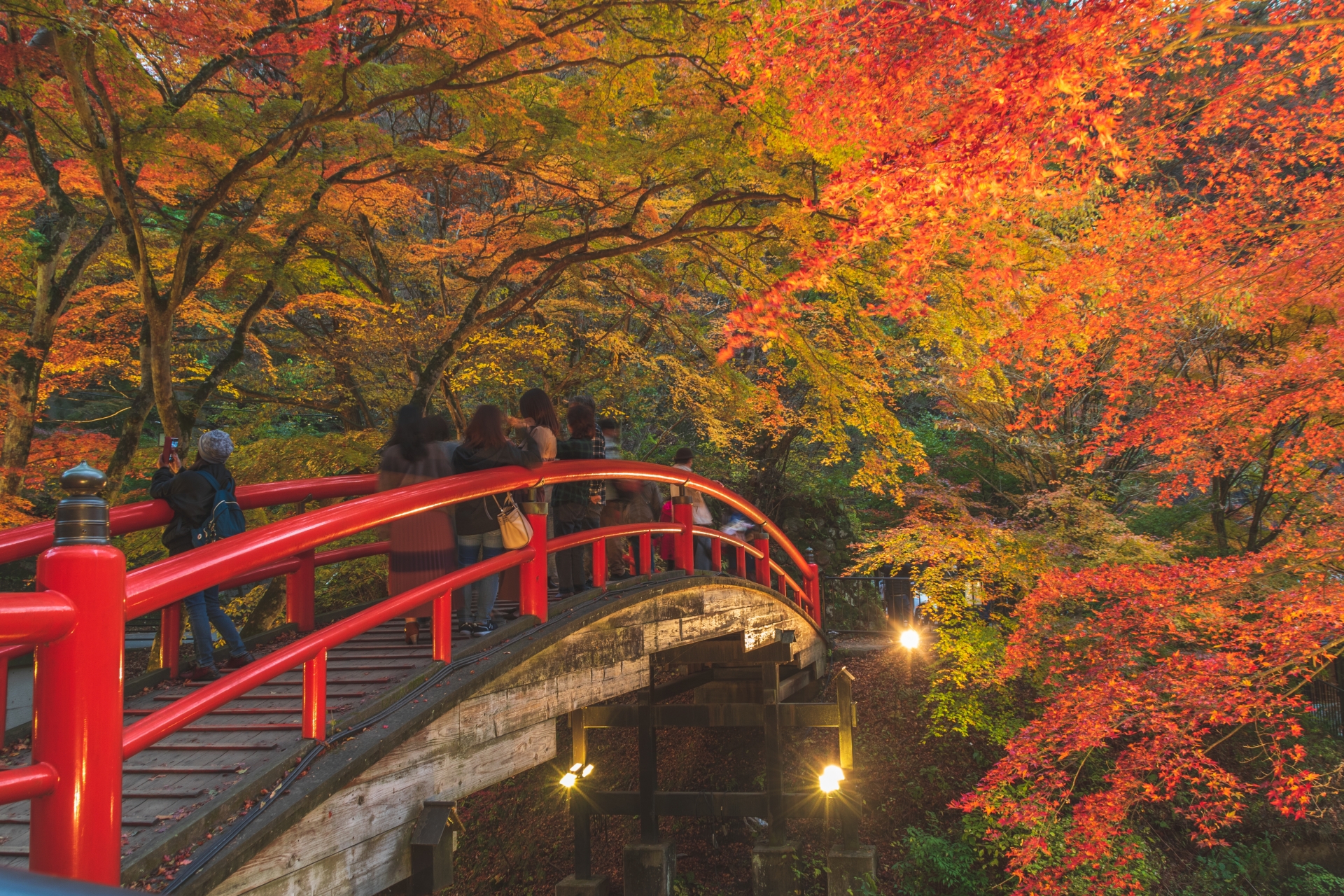
I signed up for the three-day package that included sunrise meditation, Hatha yoga, and more soak-time in the volcanic water than my skin probably knew what to do with.nnAnd here's the thing: I thought I’d be bored out of my mind by noon on day one. I even tried to sneak a Kindle into the meditation hall—rookie mistake. The lead instructor, a woman who seemed to radiate a level of calm that I haven't possessed since 1998, just gave me a gentle, silent shake of the head. She didn't even have to say anything. I felt like a kid caught with a candy bar in church. But that’s the magic of these rural retreats. They force you to confront the silence. After the first session, we headed to the outdoor bath. It was early November, so the air was crisp enough to see your breath, but the water was a perfect 42 degrees Celsius. I sat there watching the steam rise into the cedar trees and realized I hadn't thought about my inbox for three whole hours. For me, that’s a world record. If you're looking for a sign to stop 'doing' and start 'being'—this is it. Trust me, your brain will thank you once it stops screaming for dopamine. The smell of the sulfur in the air is an acquired taste, sure, but after an hour, it just smells like 'not my problem.' You'll want to leave your watch in the room, too. Time works differently when you aren't measuring it in 15-minute meeting blocks. It’s a total system shock, but the kind your body has been begging for since you landed at Narita five years ago.
Don't be the person who tries to maintain their 'Tokyo pace.' If the schedule says meditation is at 6:00 AM, get there at 5:50 AM. The silence before the session starts is actually the most valuable part.
The 'Digital Detox' Reality Check
Let’s talk about the awkward stuff, because nobody ever tells you about the 'detox' part of a retreat. When I checked in, they offered a 'phone locker' service. I laughed, thinking I had the self-control of a monk. I didn't. By 8:00 PM on the first night, I was reflexively reaching for my pocket to check Instagram every time there was a lull in conversation—except there was no conversation because it was a 'silent' dinner. We were eating this incredible shojin ryori (Buddhist vegetarian cuisine), and instead of photographing my food like a typical tourist, I actually had to... taste it? The flavors were insane. Local Gunma mushrooms, hand-pressed tofu, and some mountain greens I couldn't name if you paid me.
Top Rated
The Perfect Basecamp
Stay in Minakami, the gateway to Japan's best alpine onsens. These ryokans feature private forest views and traditional kaiseki dining that focuses on local forage and mountain vegetables.
Staying in Minakami saves you a 2-hour commute if you want to extend your mountain stay after the retreat ends.
View Ryokans ↗
I realized that by staying in a traditional ryokan-style retreat, you're signing up for a very specific rhythm. You sleep on a futon, you wear a yukata everywhere, and you follow the sun.nnMy biggest fail? I brought a pair of 'fancy' yoga leggings that were apparently too loud (visually) for the vibe. Everyone else was in these muted, earthy tones or the provided samue (work robes). I felt like a neon sign in a library. Oh, and be prepared for the 'onsen fatigue.' Soaking three times a day is amazing, but it drains your energy. By the second night, I was out cold by 9:30 PM. It’s a different kind of tired—the kind where your muscles finally stop being tight. One thing to note: the yoga here isn't the 'power-sculpt-hot-vinyasa' you find in LA or London. It’s slow. It’s intentional. It’s about breathing through the fact that your hamstrings are tighter than a piano wire. If you have tattoos, definitely check the retreat's policy beforehand. Most of these high-end wellness spots are chill about it now, but some older mountain spots still ask you to cover up with beige stickers that never stay on in the water anyway. I spent twenty minutes trying to keep a patch on my shoulder before I just gave up and used a small towel. Nobody cared. The staff are used to us 'inked' foreigners by now, especially in the more progressive 2026 wellness scene. Just be respectful and don't make a scene about it.
The 'shojin ryori' meals are surprisingly filling, but if you're a big eater, bring some quiet snacks (like nuts) in your bag. There are no vending machines in the meditation wings, and the nearest Lawson is usually a 20-minute drive down a winding mountain road.
How to Pick Your Sanctuary
Not all retreats are created equal. I’ve tried a few across Japan, and the vibe varies wildly. If you want the full 'I am a hermit' experience, head to the mountains of Gunma or Nagano. The water there is high in minerals and the air feels like it’s actually cleaning your lungs. If you’re a bit nervous about the language barrier, look for retreats specifically labeled as 'International' or 'English-friendly' in areas like Hakone or near Kyoto. But honestly? You don't need much Japanese to understand 'sit here' and 'eat this.' Most of the instruction is physical. I’ve found that the smaller, family-run wellness ryokans offer a much more authentic experience than the big 'spa resorts' that just tack on a yoga class to their menu.nnExpect to spend anywhere from 35,000 to 65,000 yen for a solid two-night stay including all meals and programs. It sounds steep, but when you factor in the quality of the food and the fact that you're basically paying for a mental health intervention, it’s a steal. Most places will pick you up from the nearest Shinkansen station—usually Minakami or Jomo-Kogen—if you book in advance. Don't try to navigate the local buses with a massive suitcase. It’s a nightmare and you’ll arrive stressed, which defeats the whole purpose. Pack light, bring thick socks (the wooden floors are freezing in the morning), and leave your 'hustle' at the station locker. You’re going there to disappear for a bit. Embrace it. I left feeling like a human being again, rather than just a collection of deadlines and coffee-fueled anxiety. On top of that, the train ride back to Tokyo is the perfect time to journal before the city noise hits you again. I’d do it again in a heartbeat, probably every autumn when the leaves start to turn. Seriously. Just go. Your future self is already thanking you for the break. Just make sure you check the water type—some of these springs are basically liquid silk, while others will make you smell like a boiled egg for three days. Choose wisely based on what your skin can handle.
Check the 'water profile' of the onsen. Some are 'Bijin-no-yu' (water for beauties) which makes your skin slippery-smooth, while others are high in sulfur and smell like eggs but are amazing for joint pain. Pick the one that fits your 'ailment'.