Kyoto
Welcome to Fushimi Inari
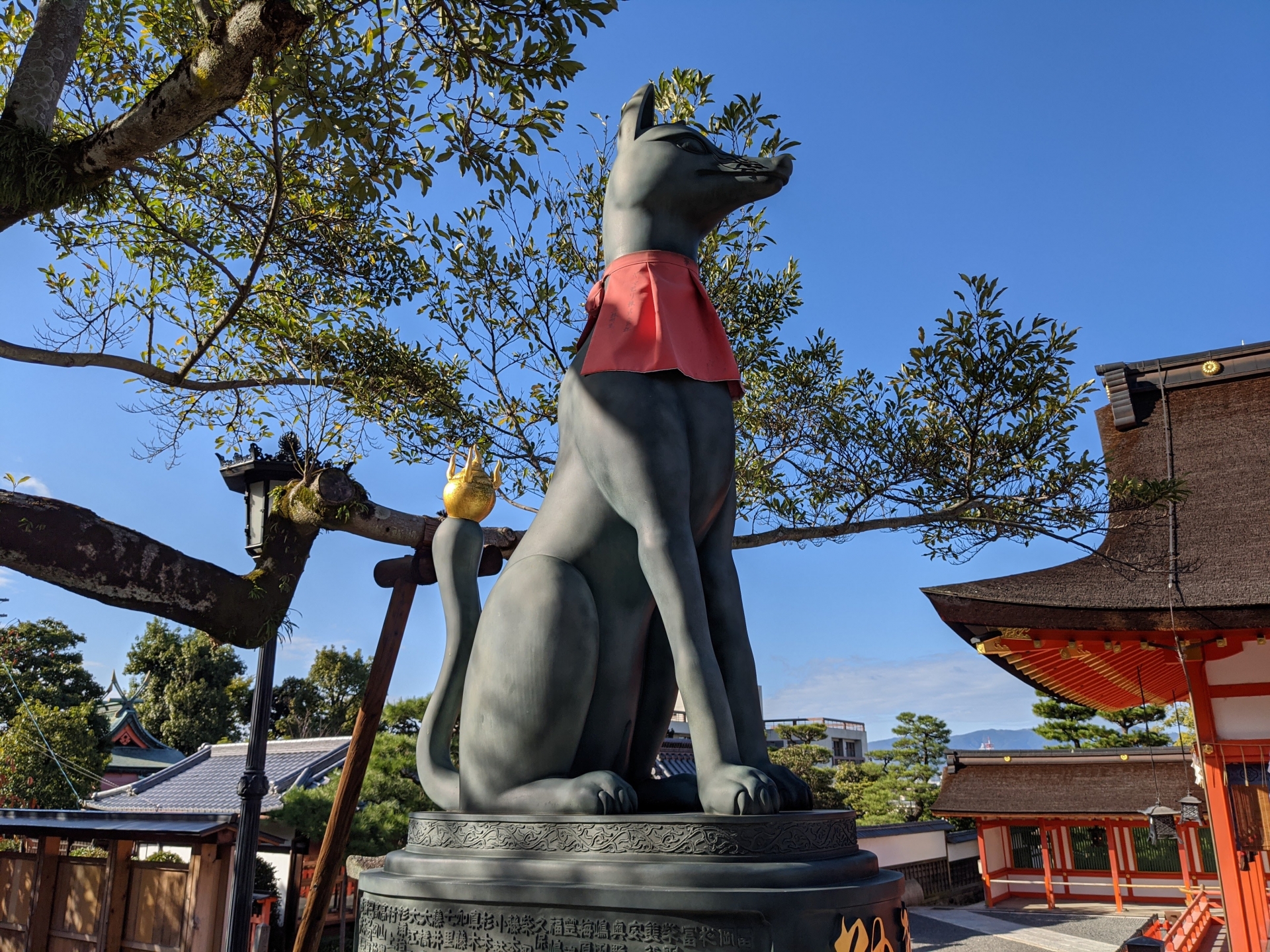
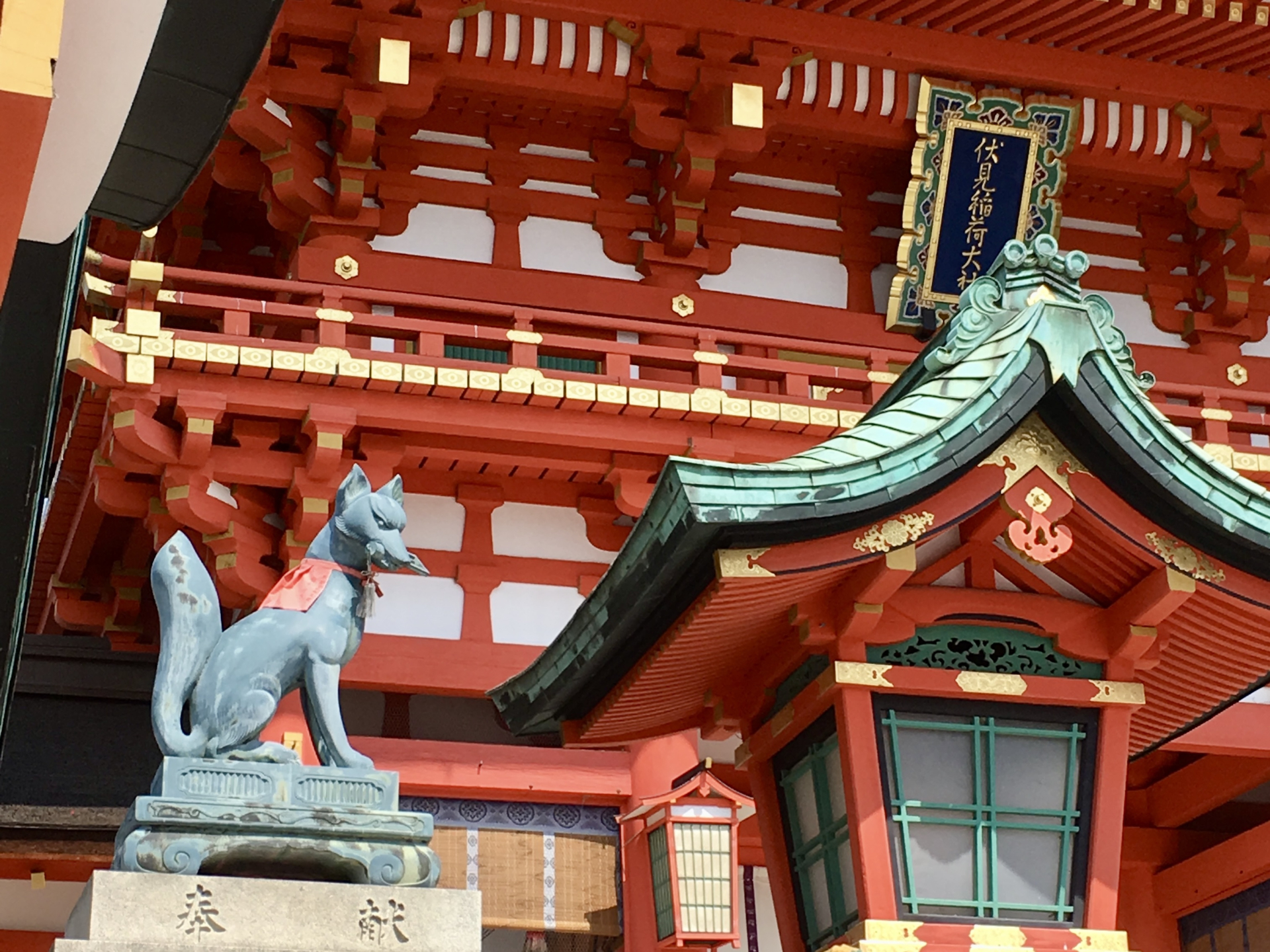
Fushimi Inari-taisha is not merely a shrine; it is a living, breathing artery of Kyoto’s spiritual heritage. As you step through the initial towering Romon Gate, the air shifts—growing cooler, scented with ancient cedar and the faint drift of incense. This is the realm of Inari, the deity of rice and prosperity, guarded by thousands of stone foxes whose inscrutable gazes follow your ascent. The iconic vermilion gates, or Senbon Torii, create a rhythmic tunnel of light and shadow, a visual symphony that pulls you deeper into the sacred Mount Inari. Whether you seek a meditative hike or a glimpse into Japan’s profound Shinto roots, the mountain offers a transformative journey. Here, every step is a prayer, and every gate is a threshold between the mundane and the divine. Experience the soul of Kyoto in its most vibrant, crimson hue.
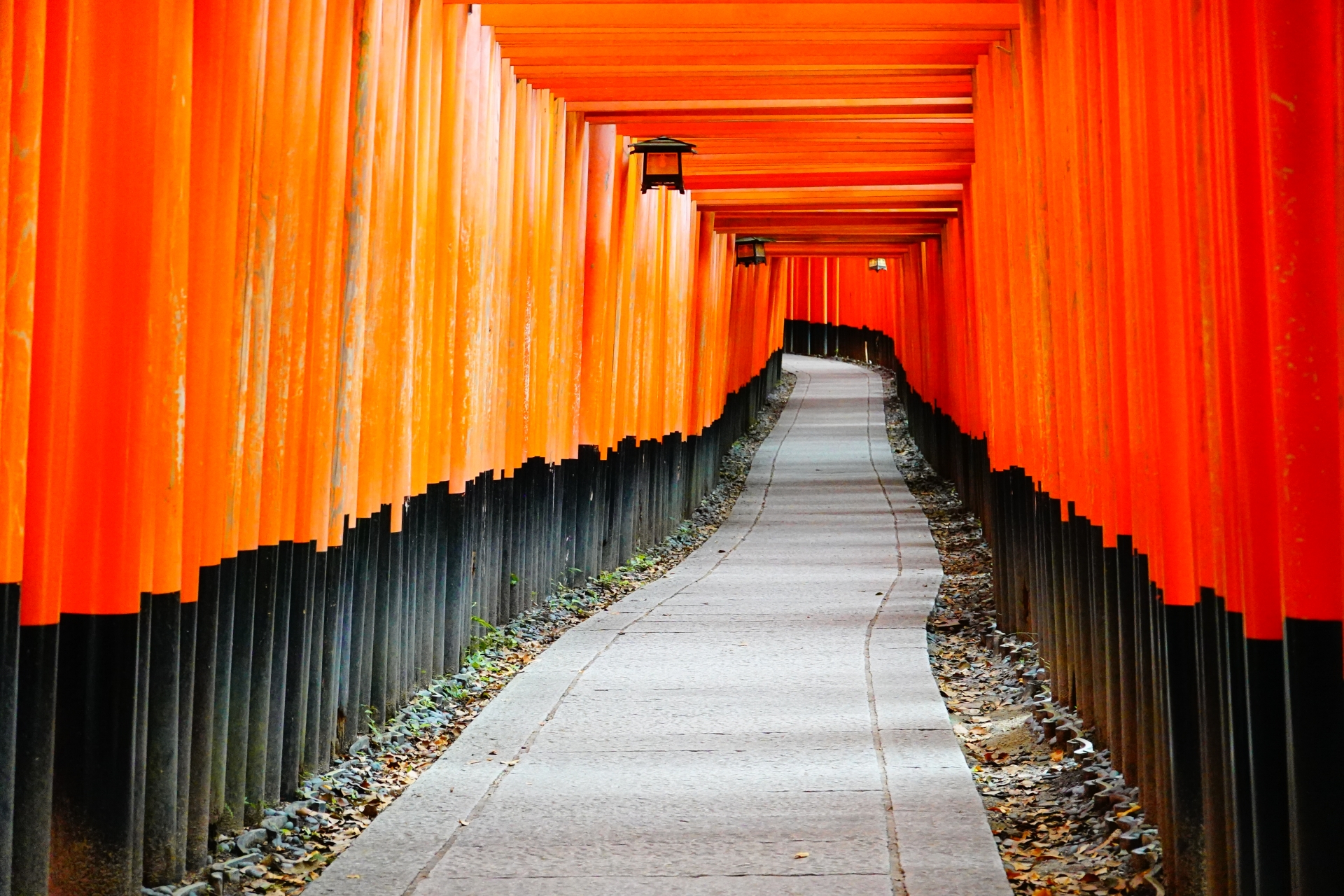
Senbon Torii (The Thousand Gates)
The Senbon Torii is a breathtaking corridor of over 10,000 vibrant vermilion gates that snake up the wooded hillside. As you walk through this dense tunnel, the sunlight filters through the gaps, creating a flickering strobe effect of orange and black. Each gate is a donation from a business or individual, inscribed with black kanji expressing gratitude for prosperity. The sheer repetition of form creates a meditative trance, a physical manifestation of faith that feels both intimate and monumental. It is the quintessential Kyoto experience, best felt in the quiet of dawn.
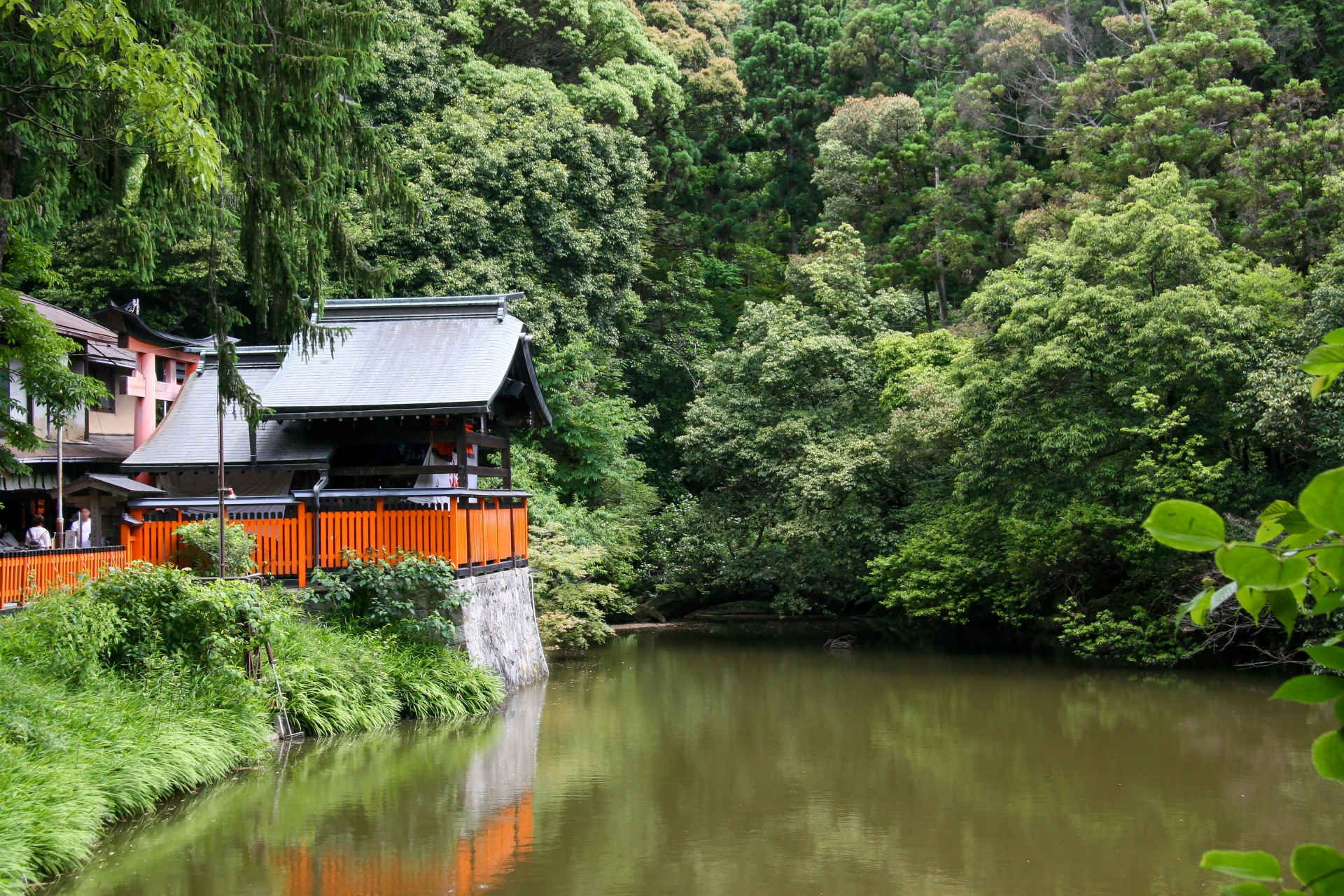
Kumataka-sha Shrine
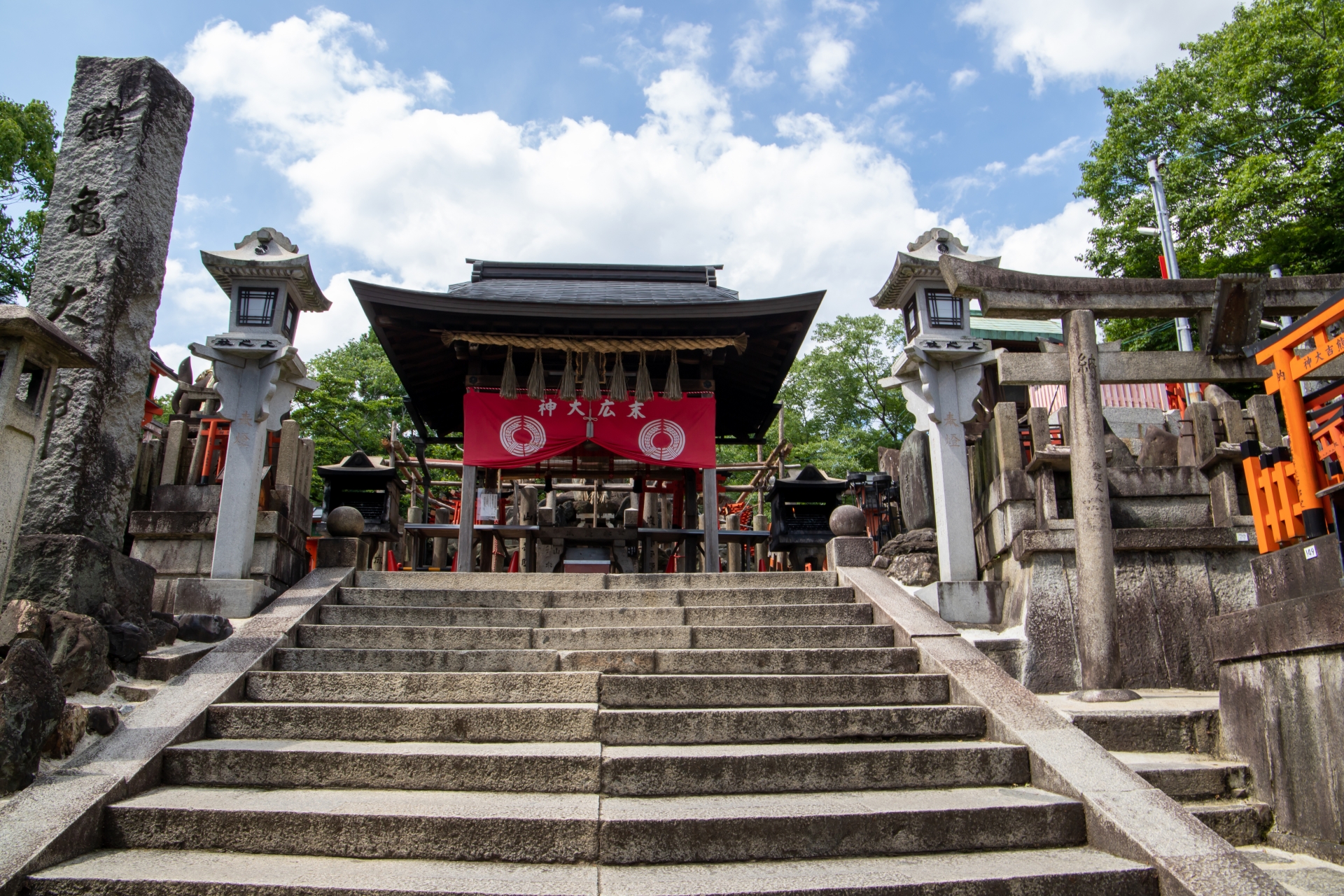
Tucked away from the primary tourist flow, Kumataka-sha overlooks the serene Shin-yo-ike Pond. The atmosphere here is strikingly different—somber, mystical, and deeply evocative. The dark waters of the pond reflect the surrounding greenery and the flickering flames of candles offered by devotees. It is said that if you clap your hands by the water, the direction of the echo will lead you to a lost person or object. The scent of damp stone and burning wax lingers in the air, offering a moment of profound spiritual stillness amidst the ascent.
Ichigamine (The Summit)
Reaching the peak of the 233-meter Mount Inari is a triumph of spirit and stamina. Known as Ichigamine, the summit is home to the Kami-sha Shin-shin shrine, where the deity is most potently felt. While the view of the city is partially obscured by trees, the true reward is the sense of seclusion and the ancient atmosphere of the small stone altars scattered across the peak. The air is thin and crisp, and the surrounding forest hums with the sound of cicadas or the rustle of wind through the sacred sakaki trees, rewarding those who persist.
Local Soul Food
Tastes you can't find anywhere else.

Inari Sushi
The eponymous specialty of the region. This vinegared rice, often flecked with toasted sesame seeds or mountain vegetables, is encased in a deep-fried tofu pocket simmered in a sweet, savory dashi. The first bite yields a burst of umami-rich juice that perfectly balances the brightness of the rice. It is a humble yet sophisticated delicacy meant to honor the fox messengers of the shrine.
Kitsune Udon
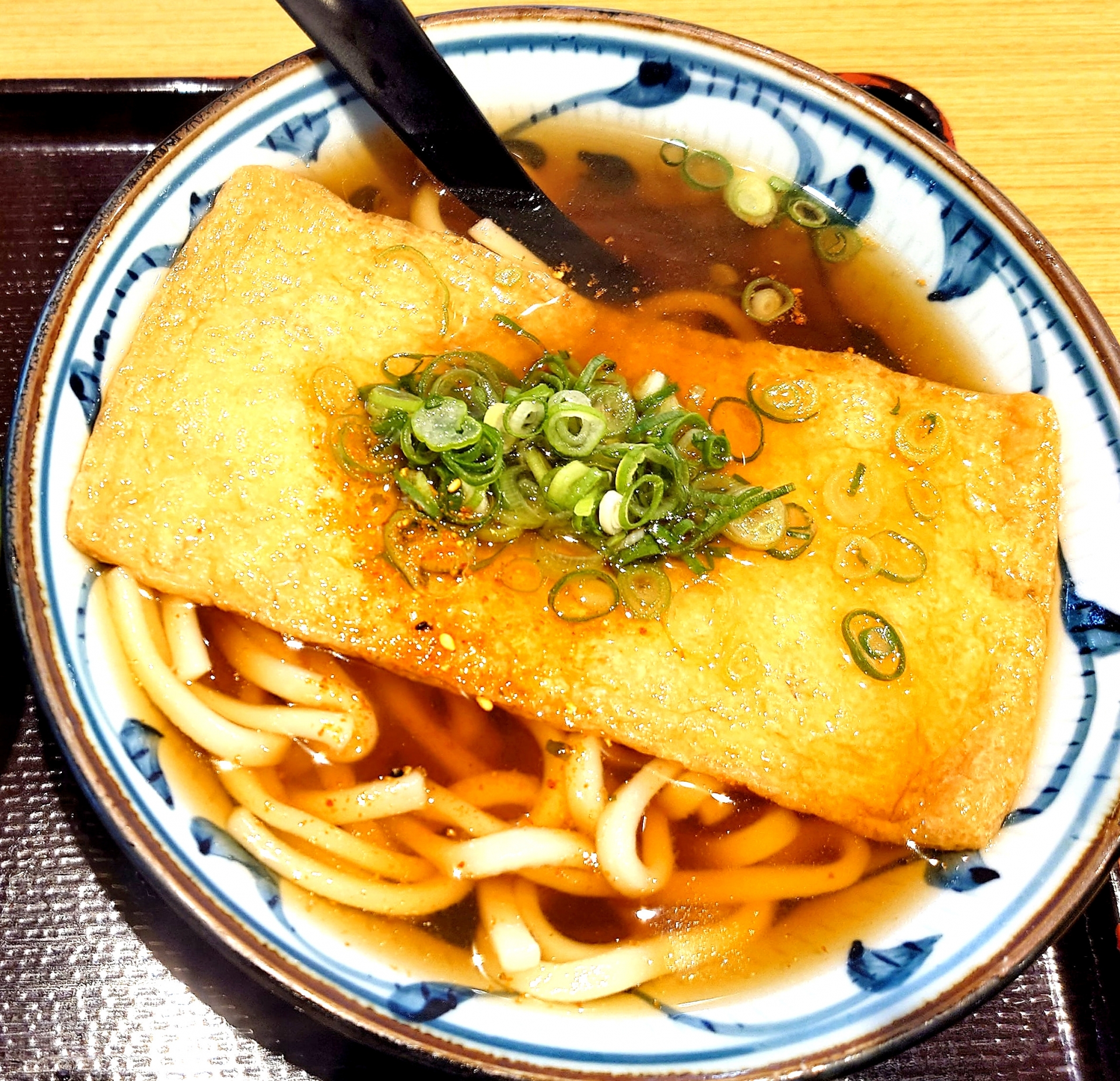
A soul-warming bowl of thick, chewy wheat noodles swimming in a golden, translucent broth. The centerpiece is a large, pillowy sheet of abura-age (fried tofu), which acts as a sponge for the saline, kelp-based soup. The steam carries the aroma of bonito flakes and scallions, providing the perfect restorative meal after a long hike through the mountain gates.
Grilled Quail (Suzume-yaki)
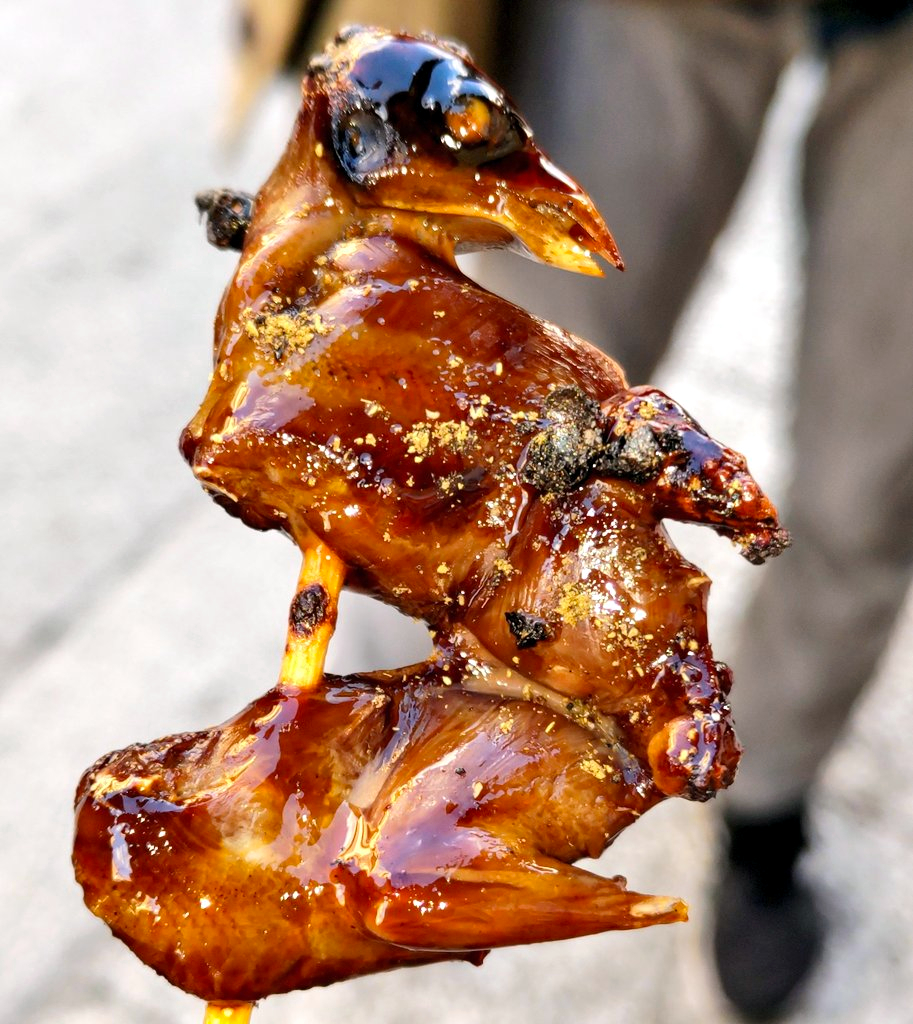
For the adventurous epicurean, this historical specialty offers a deep, gamey flavor profile. Marinated in a secret soy-based tare and grilled over binchotan charcoal, the quail is served whole. The skin is lacquered and crispy, while the meat is tender and intensely savory with a hint of smoky bitterness. It is a rare taste of traditional Kyoto street food culture.
Premium Stays
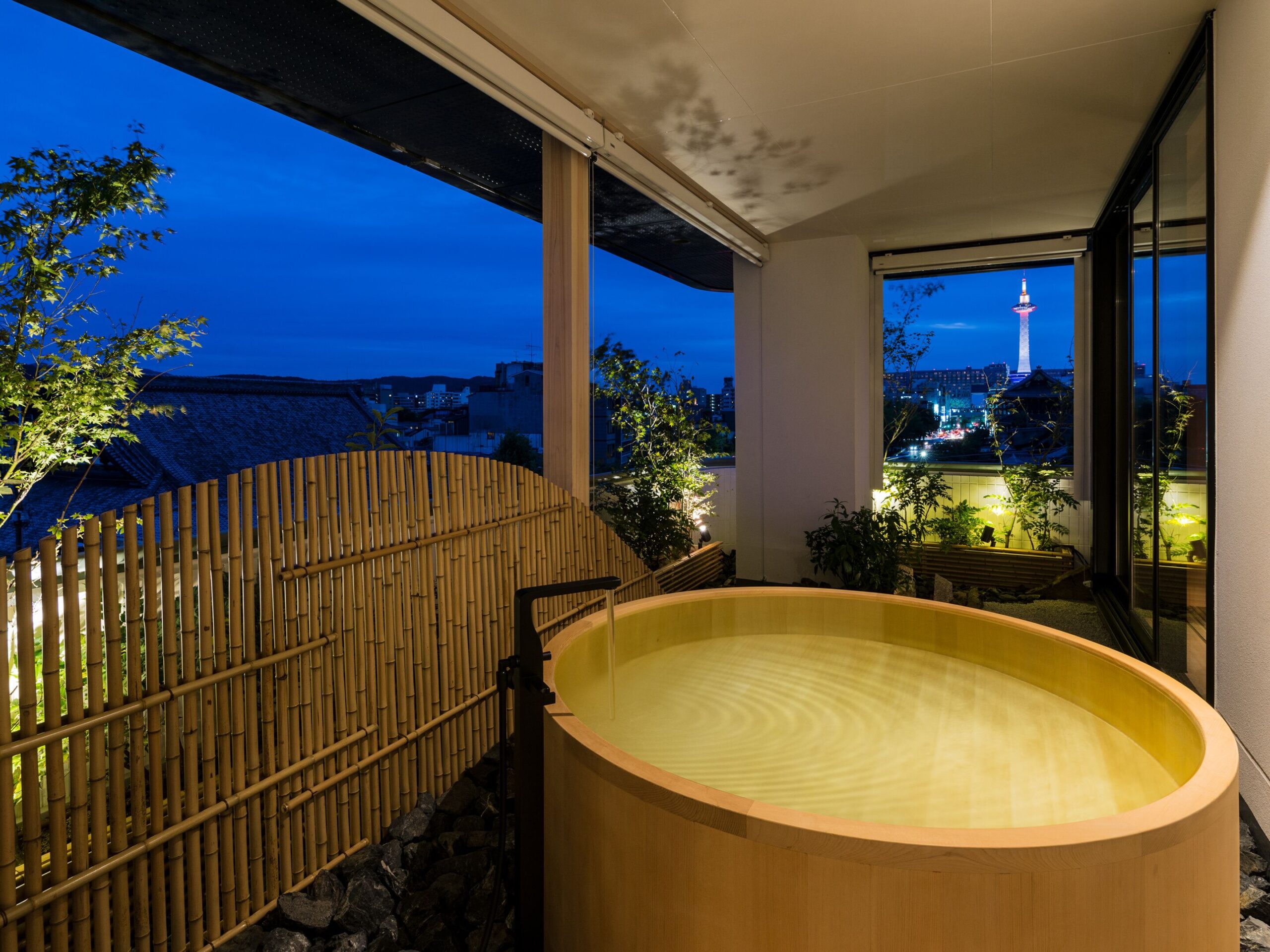
For the ultimate experience, stay in the Southern Higashiyama area or near Kyoto Station. This allows for an effortless early morning commute to the shrine to beat the crowds while remaining close to Kyoto's refined nightlife and dining.


Getting There
The most efficient way to arrive is via the JR Nara Line from Kyoto Station to JR Inari Station (5 mins). Alternatively, take the Keihan Main Line to Fushimi Inari Station, which is a short walk from the entrance. Trains run every 10-15 minutes.
FAQ
Inspired?
Share this destiny with someone special.