Tokyo
Welcome to Asakusa Senso-ji
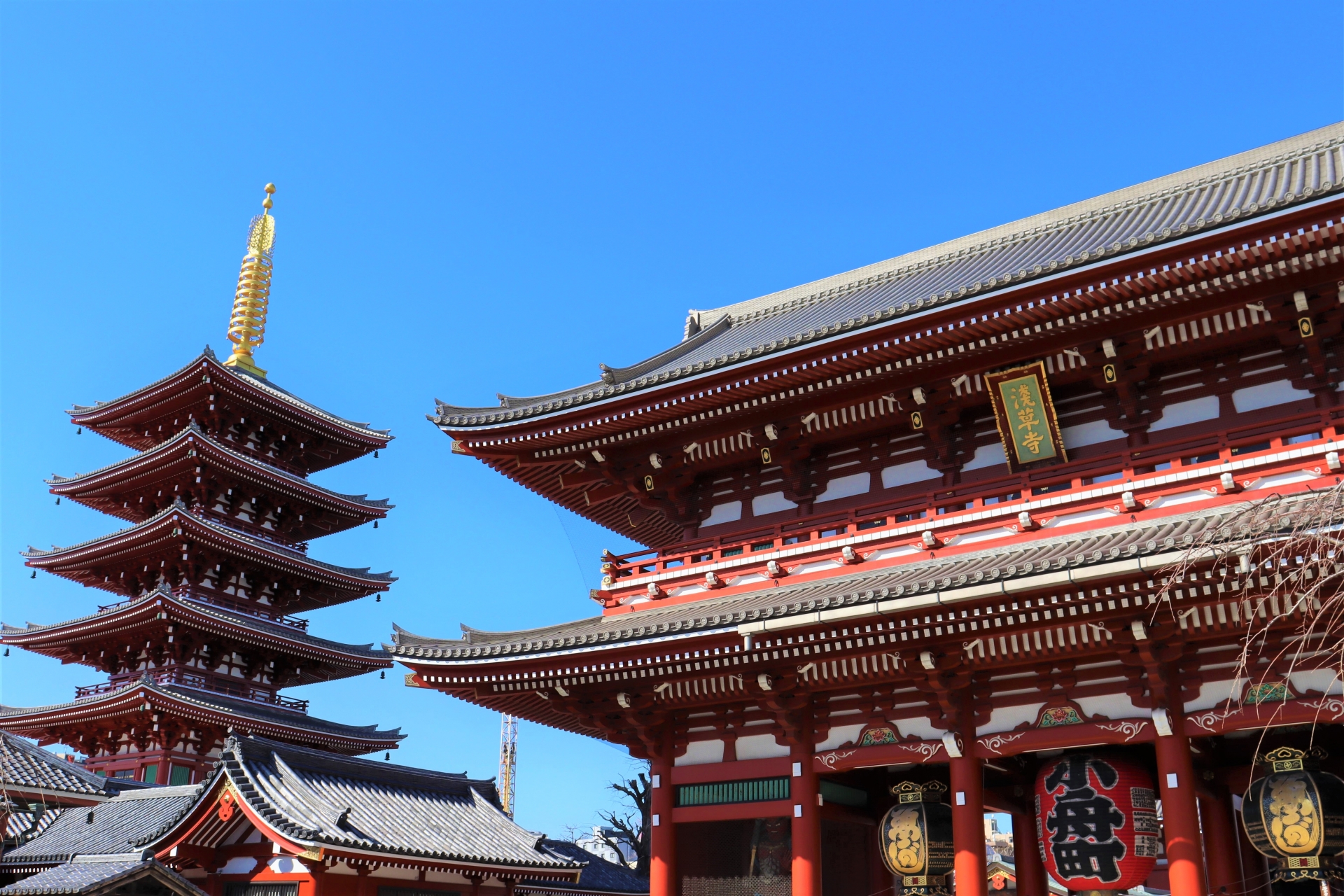
Step through the thunderous Kaminarimon gate and feel the air transform. Asakusa Senso-ji is not merely a temple; it is a living, breathing tapestry of Tokyo's soul. The scent of sacred cedar incense—the 'Jokoro'—drifts through the air, believed to heal and purify those who draw it close. Here, the rhythmic clatter of wooden geta sandals on stone paths harmonizes with the soft chanting of monks. Whether you are seeking spiritual clarity under the shadow of the five-story pagoda or hunting for the perfect artisanal craft along the bustling Nakamise-dori, Senso-ji offers a visceral connection to the Edo period that refuses to fade. It is a place where every prayer whispered is a thread in a thousand-year-old story.
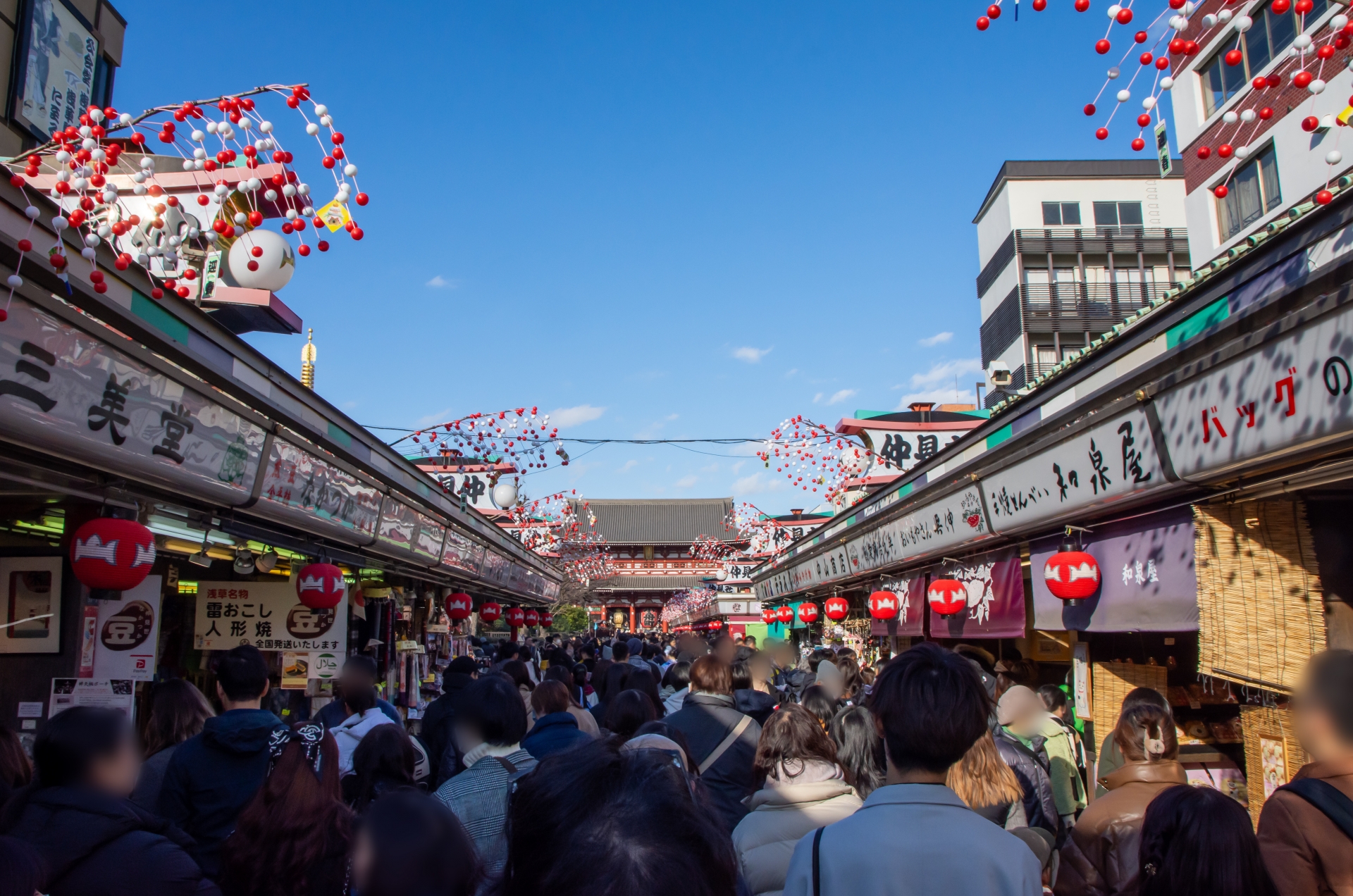
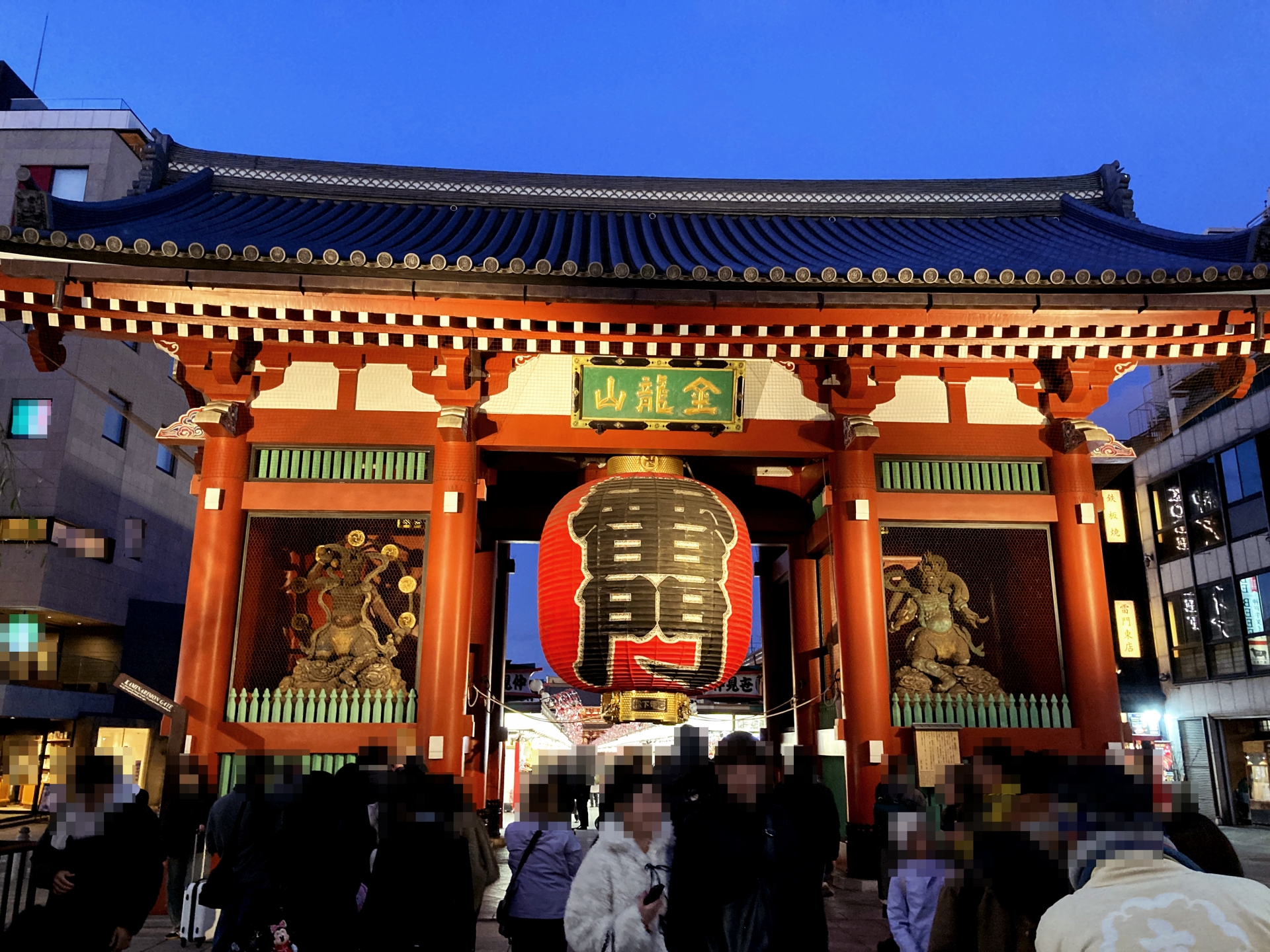
Kaminarimon & Nakamise-dori
The journey begins beneath the iconic red lantern of the Thunder Gate, weighing over 700 kilograms and commanding reverence. Beyond lies Nakamise-dori, a vibrant 250-meter artery of commerce and culture that has served pilgrims for centuries. The air is thick with the sweet aroma of toasted rice crackers and the visual feast of traditional folding fans. To walk this path is to engage in a sensory dance of colors and textures, where every stall tells a family history dating back generations.
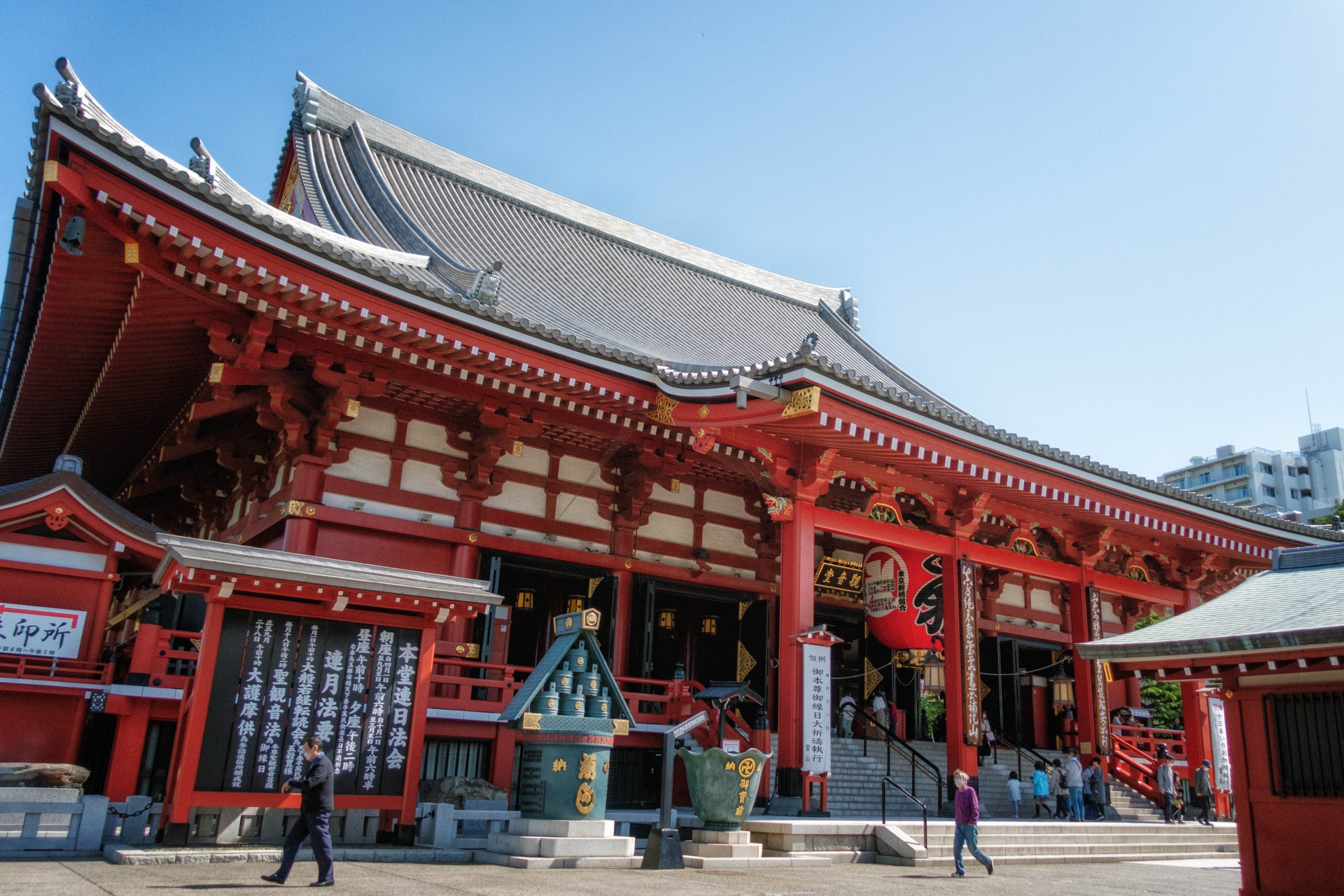
The Hondo (Main Hall)
The spiritual epicenter of Asakusa, the Hondo houses the sacred golden statue of Kannon, the Goddess of Mercy. The interior is a masterpiece of Buddhist artistry, featuring vibrant ceiling paintings of dragons and lotus blossoms. Witness the 'Gokitoyu' fire rituals where the heat of the flames and the thunder of Taiko drums create a transcendent atmosphere. The sheer scale of the hall, combined with the golden glow of the altar, evokes a profound sense of peace amidst the city's chaos.
Denbo-in Garden
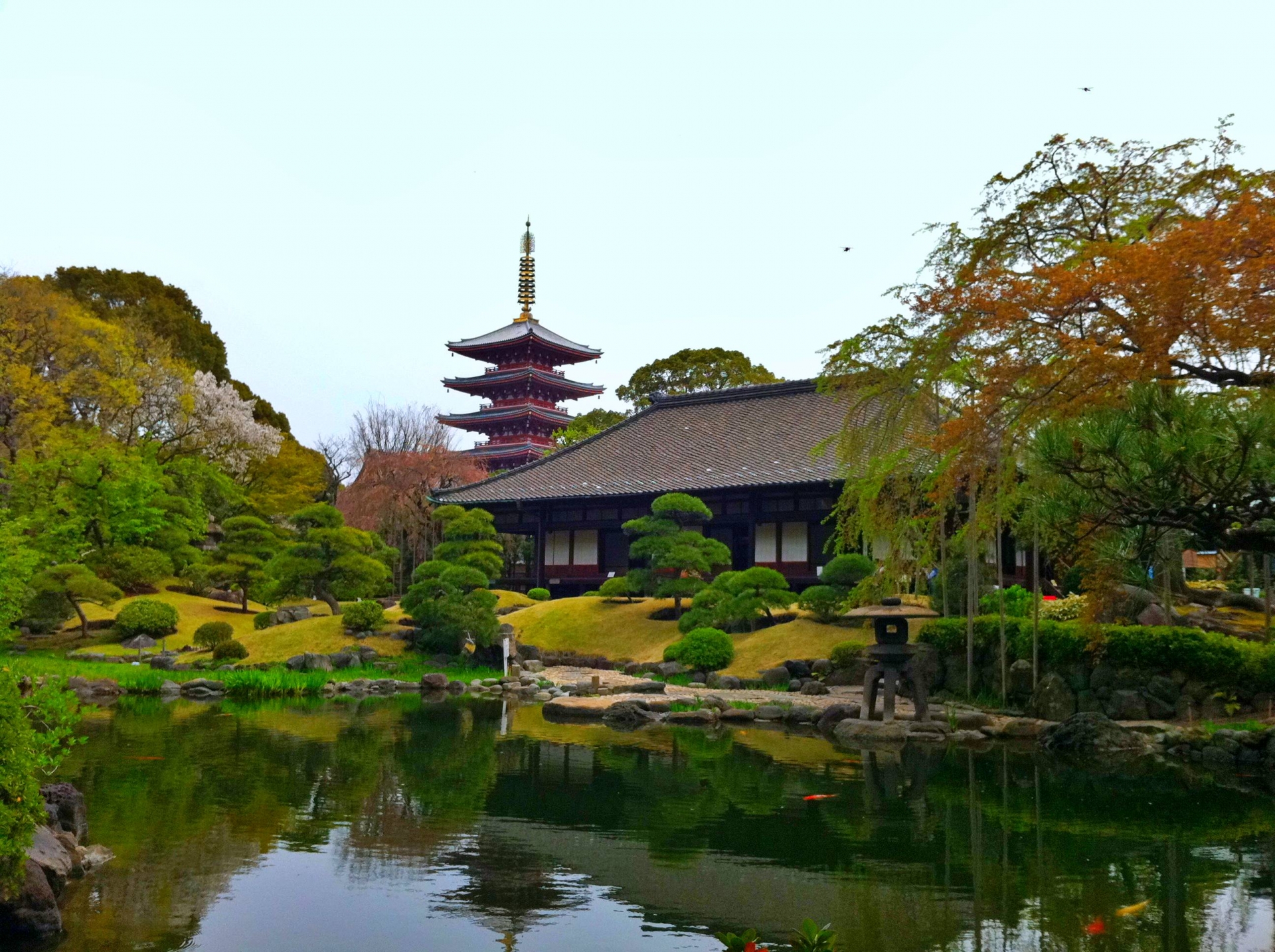
Hidden behind the temple's administrative buildings lies Denbo-in, a private strolling garden designed by the legendary Enshu Kobori. This is a sanctuary of silence, where a central pond reflects the Five-Story Pagoda in its still, dark waters. The architecture of the residence and the meticulous pruning of the pine trees offer a stark, beautiful contrast to the crowds outside. It is a masterclass in 'shakkei' or borrowed scenery, integrating the surrounding temple structures into a seamless natural landscape.
Local Soul Food
Tastes you can't find anywhere else.
Edomae Tempura
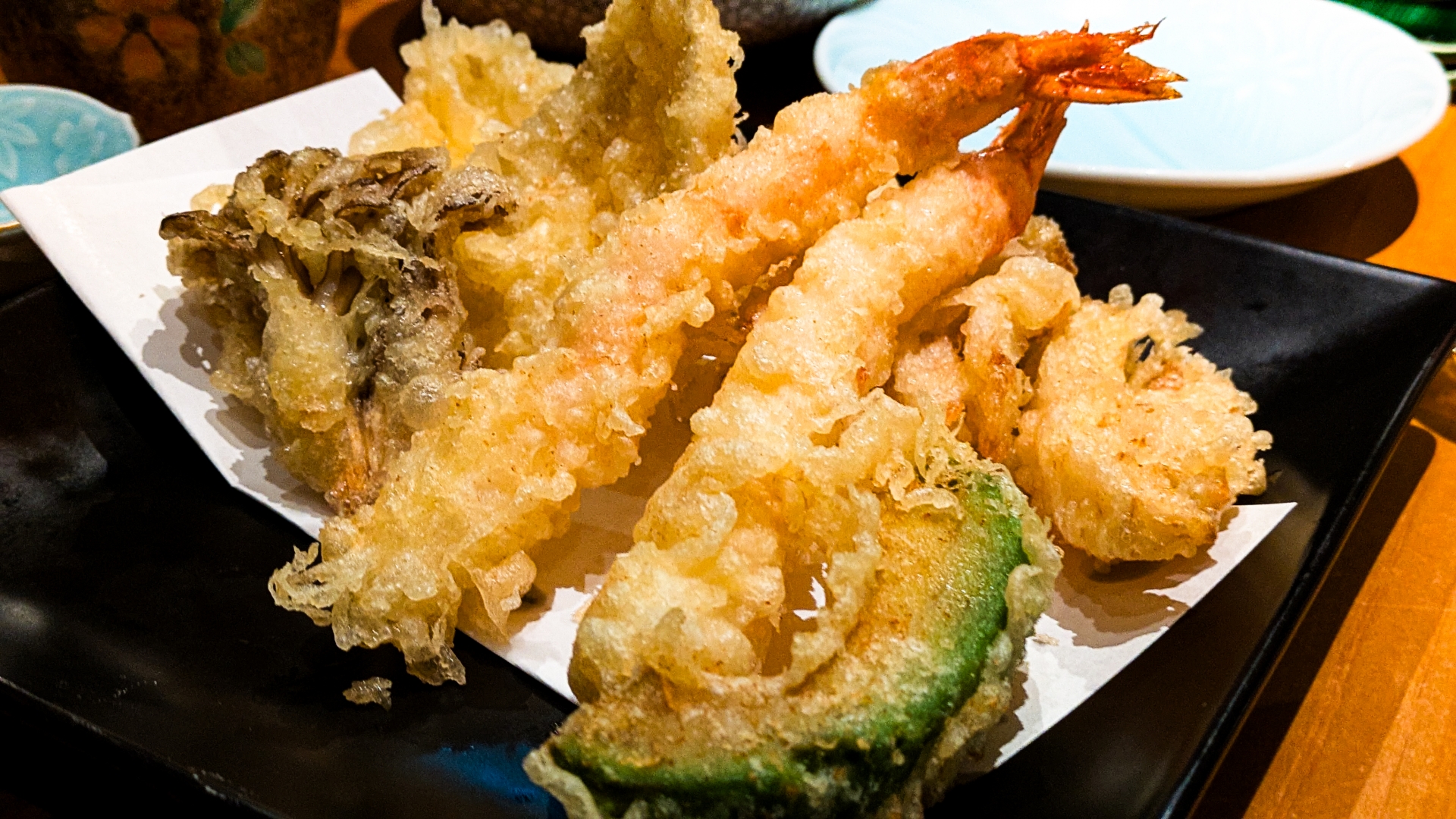
Indulge in the golden, airy crunch of authentic Edomae-style tempura. Unlike modern versions, this is fried in high-quality sesame oil, imparting a nutty fragrance and a deep, savory richness. The signature dish features jumbo tiger prawns and conger eel, so fresh they practically melt on the tongue, served with a secret-recipe 'tsuyu' dipping sauce that balances sweetness and umami.
Kabayaki Unagi
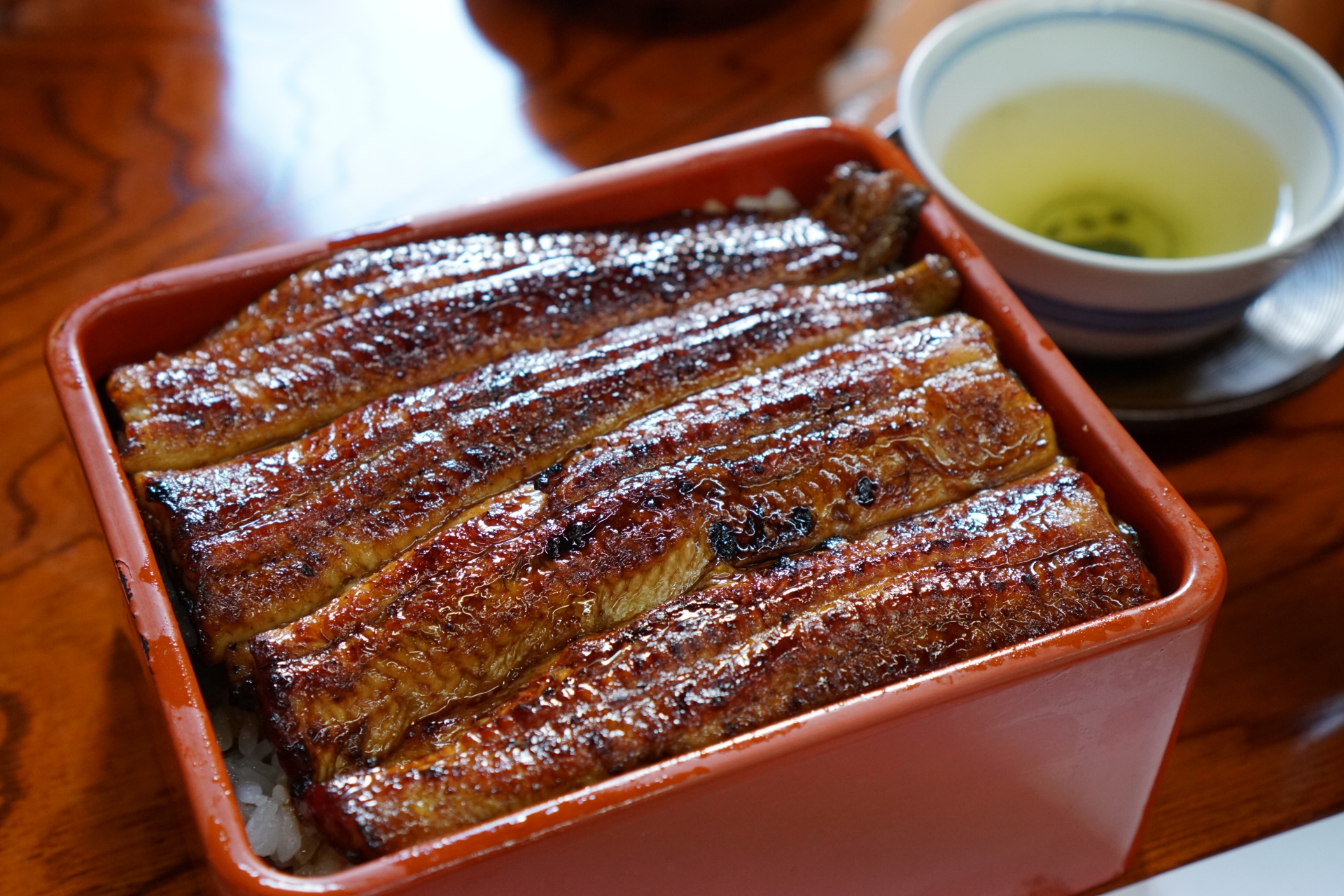
Experience the buttery melt of premium freshwater eel, charcoal-grilled to perfection. The skin is charred just enough to provide a smoky snap, while the flesh remains succulent and tender. Slathered in a rich, dark soy glaze that has been topped up for decades, this dish is a masterclass in the 'Edo-mae' culinary tradition. The aroma of the charcoal fire alone is enough to captivate the senses.
Ningyo-yaki
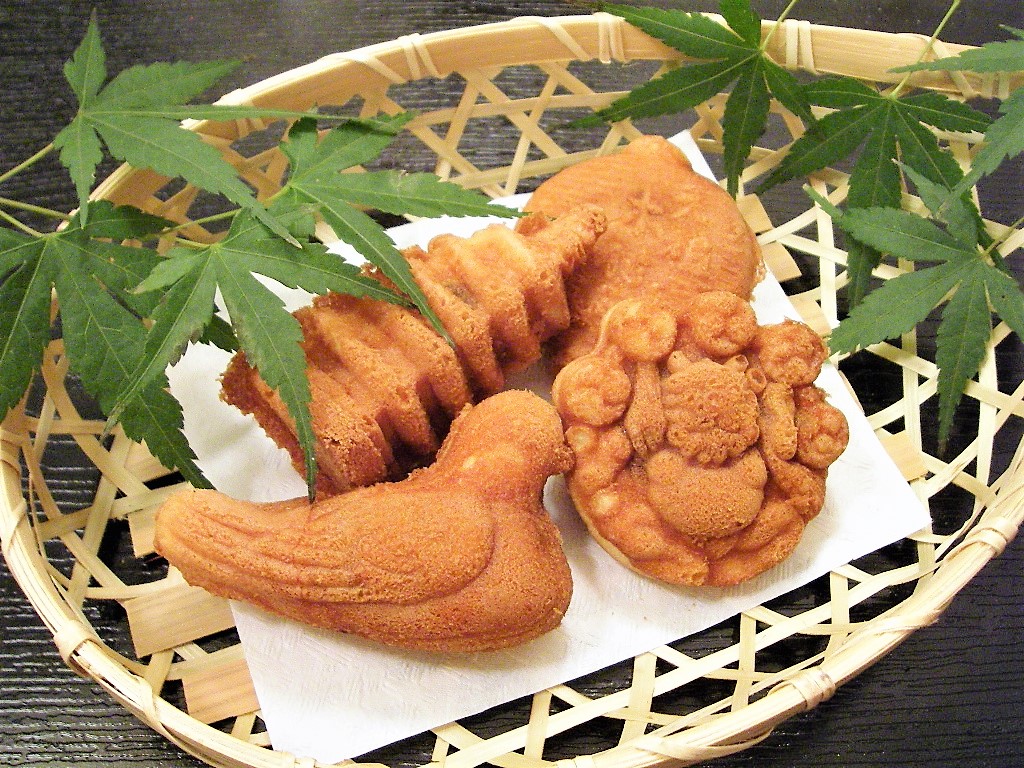
These small, doll-shaped cakes are a nostalgic staple of Asakusa. Filled with smooth, sweet azuki bean paste and baked in cast-iron molds, they offer a comforting warmth. The batter is light and honey-scented, providing a delicate casing for the rich, velvety center. Watching the artisans flip the molds with rhythmic precision is as much a part of the experience as the first bite.
Premium Stays
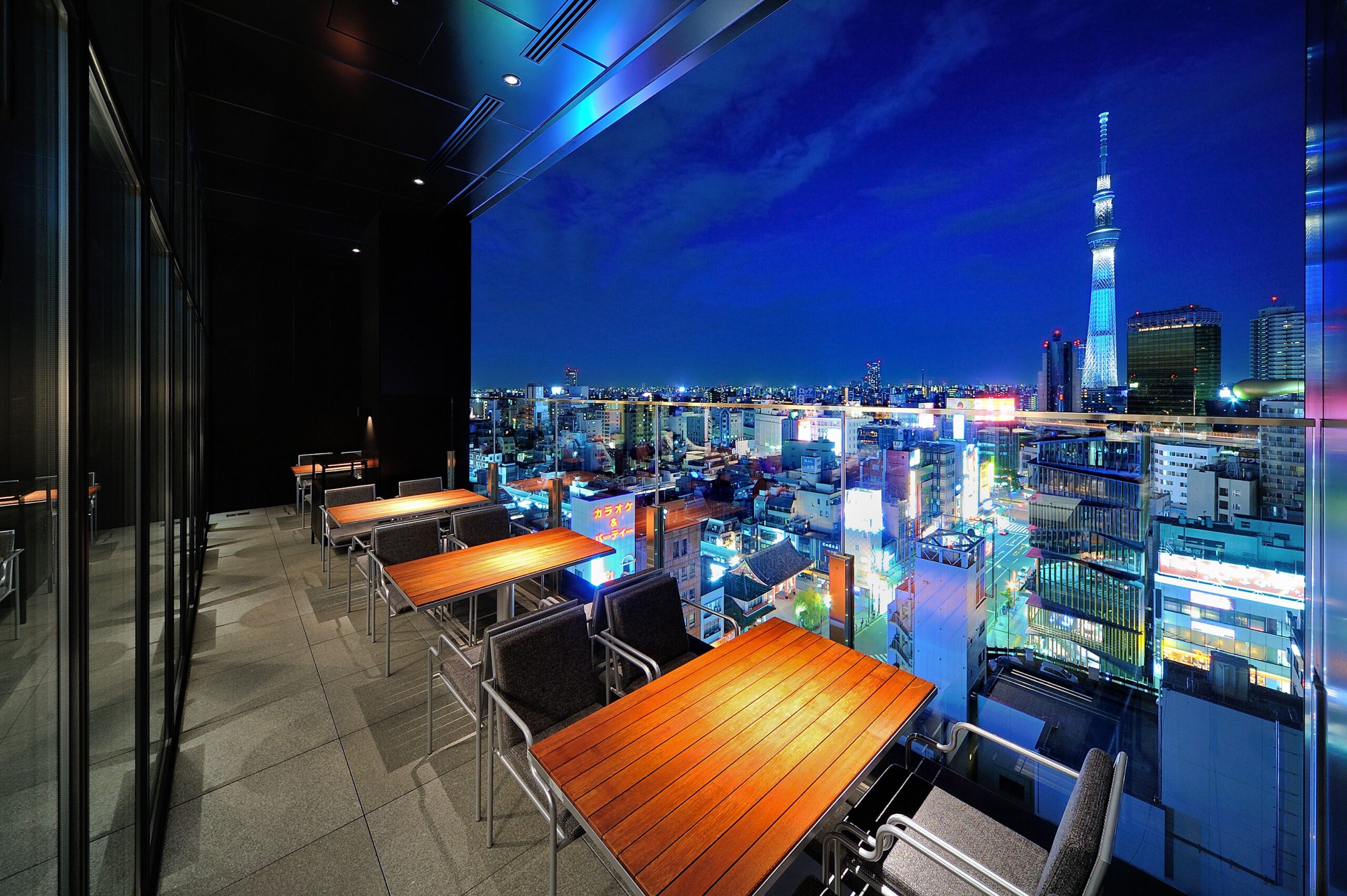
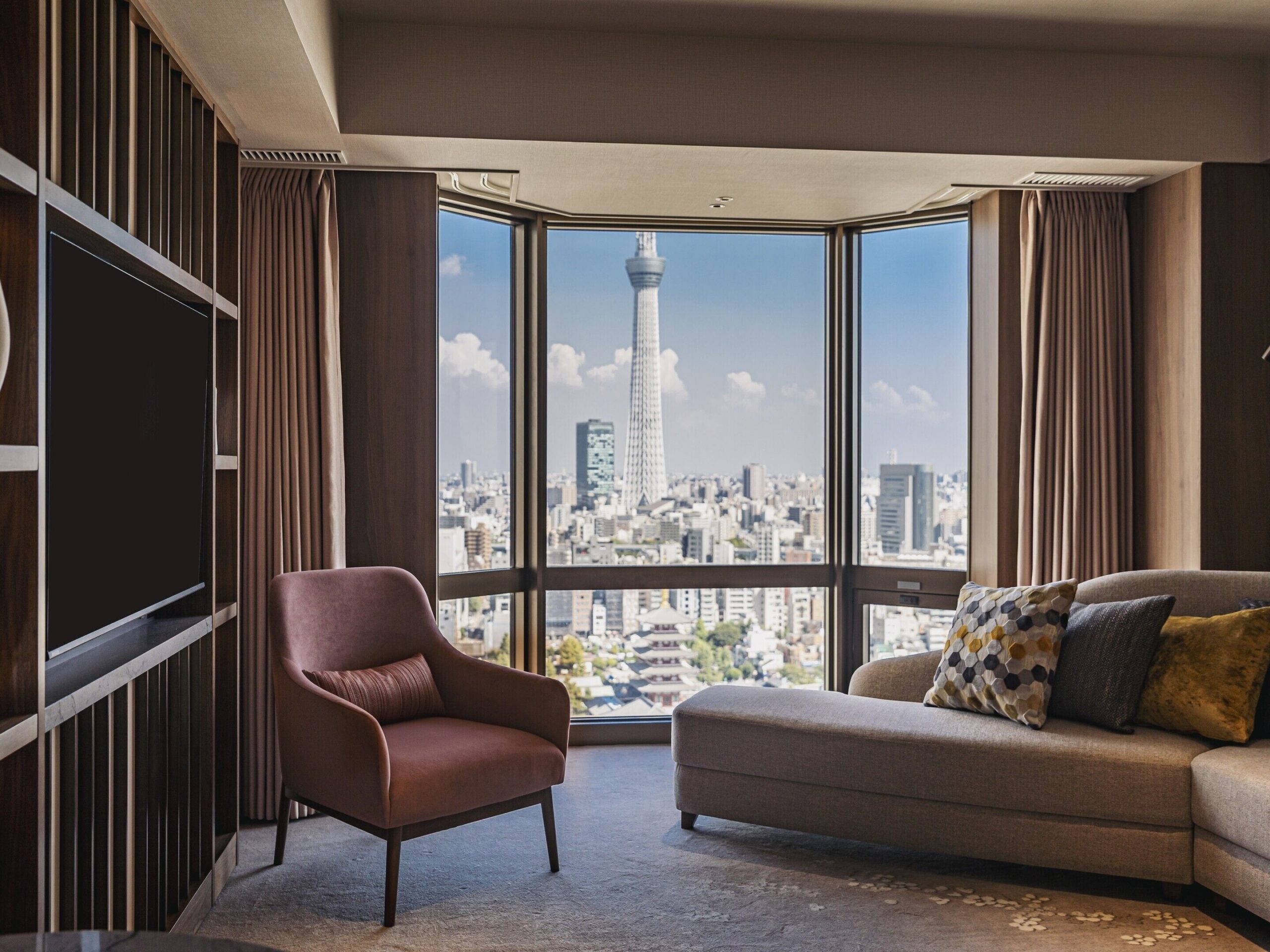
To truly absorb the magic of Asakusa, stay within walking distance of the temple. The area transforms after dark into a serene, lantern-lit dreamscape, far removed from the frantic energy of Shinjuku or Shibuya.

Getting There
Asakusa is highly accessible via the Tokyo Metro Ginza Line, Toei Asakusa Line, and Tobu Skytree Line. From Tokyo Station, take the JR Yamanote Line to Kanda and switch to the Ginza Line. Trains run every 3-5 minutes.
FAQ
Inspired?
Share this destiny with someone special.