The Moment I Stopped Being 'Onsen Shy'
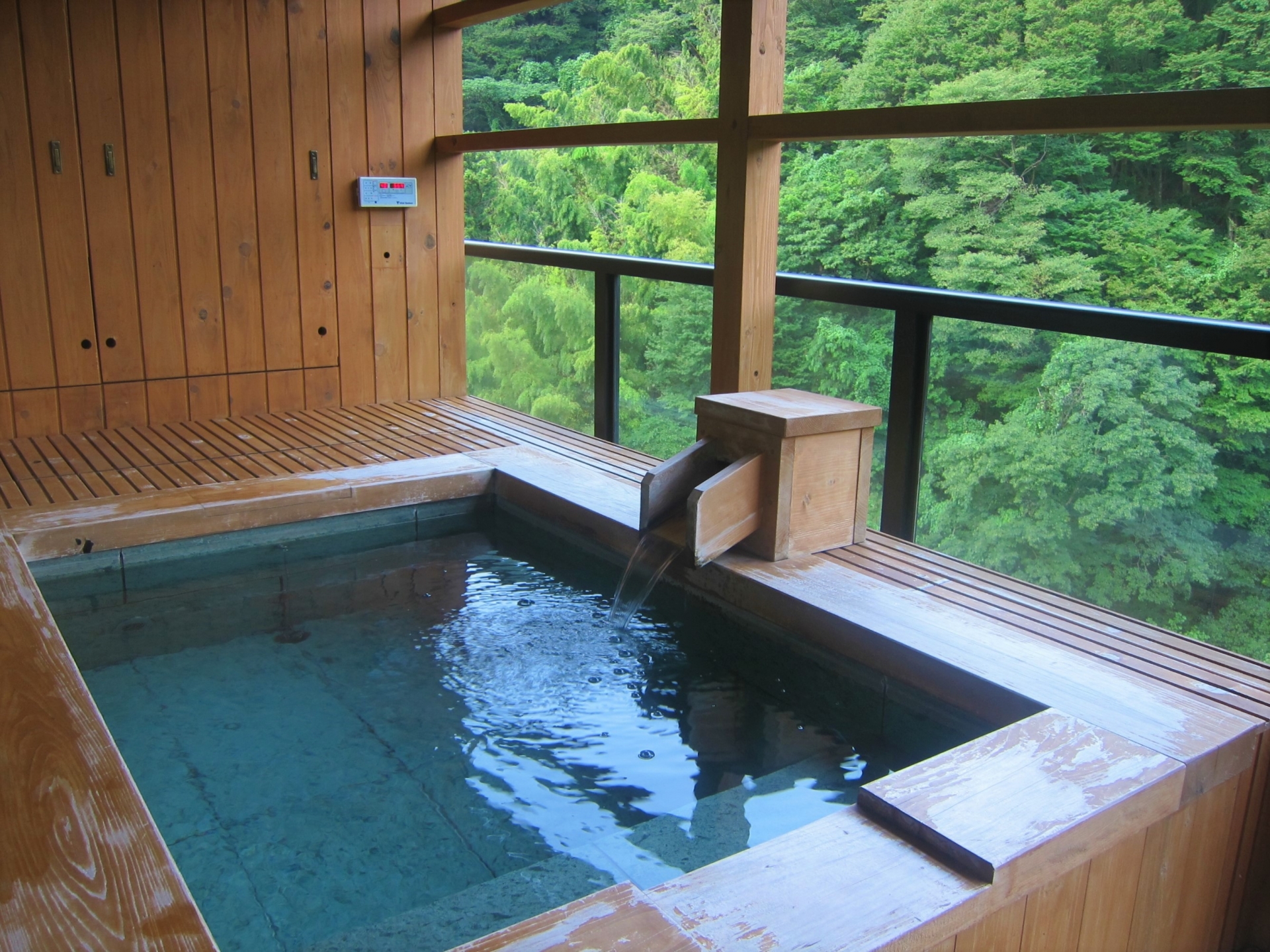
Look, I’ll be real with you. My first three years in Japan were spent awkwardly clutching a tiny 'modesty towel' in public baths, trying to pretend I wasn't terrified of someone making eye contact while I was completely starkers. It’s a rite of passage, sure, but it’s not exactly relaxing when you’re worried about the etiquette of where to put your soap. Then, back in 2022, I finally bit the bullet and booked a 'Rotenburo-tsuki' room—that’s a room with its own private open-air bath—in Hakone. I remember stepping onto the balcony at 6:00 AM. The air was so cold I could see my breath, but the water was steaming, smelling faintly of minerals and cedar. I slid in, and for the first time in my life, the 'Japan Magic' actually hit me. No splashing kids, no awkward silence with strangers, just me and the sound of the Haya River below. It’s expensive, yeah, but after that first soak, I realized I’d rather do this once a year than stay in ten business hotels. nnI made the classic rookie mistake during that first trip, though. I didn't realize that 'private onsen' can mean two things: a bath *in* your room, or a 'kashikiri' bath you reserve for 45 minutes. Trust me, you want the one in your room. There is nothing—and I mean nothing—like waking up at 2:00 AM because you can’t sleep, and just stepping outside into a hot spring under the stars. If you're looking to book a day-trip version of this without the overnight price tag, you can find some killer options for private rentals in Hakone
Top Rated
Hakone Day-Pass & Private Bath
Don't have $500 for a hotel? This gives you a private 90-minute onsen rental plus a traditional lunch and access to the Hakone gardens. It's the perfect way to dive into luxury without the overnight price tag.
The best way to get the luxury experience on a 'budget' traveler's timeline.
Book Day Soak ↗
that give you that slice of heaven for a few hours. I did that once when my parents visited, and my dad, who usually hates 'fancy stuff,' didn't want to leave the tub. It’s that good. But if you're doing the full overnight experience, be prepared for the 'onsen coma.' You soak, you eat a massive meal, you soak again, and you sleep harder than you have in a decade. Oh, and here's the thing: the water in Gora is different from the water in the valley. It’s more acidic, which sounds scary, but it makes your skin feel like silk. You'll want to check the specific mineral content if you have sensitive skin, but for most of us, it's just pure bliss.
If the room description says 'unit bath' or 'city view,' run. You want 'Shinrin-yoku' (forest bathing) vibes. Look for 'Gora' area hotels specifically; they're higher up the mountain and the views actually deliver.
What You Need to Know Before You Drop the Cash
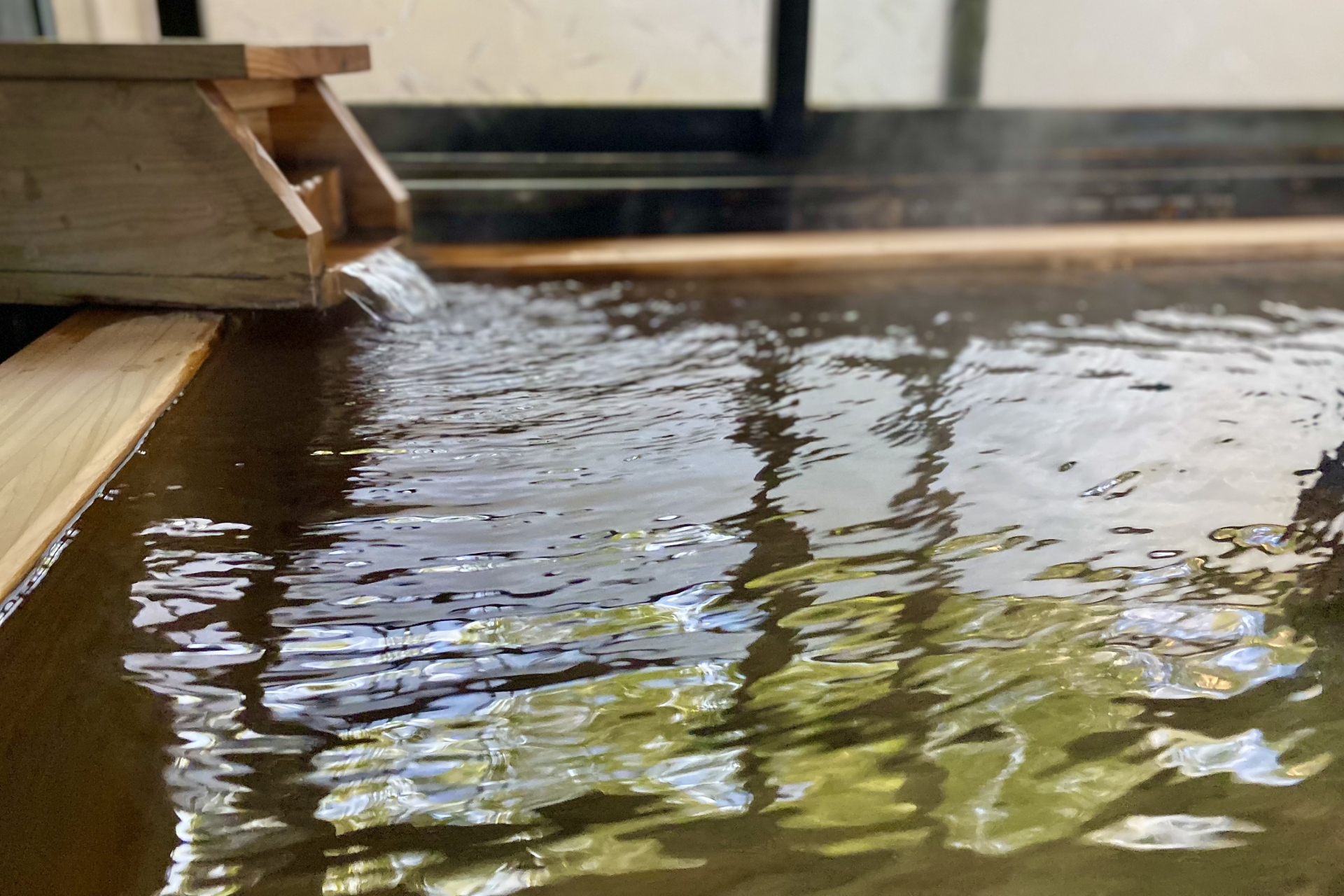
So, you’re ready to splurge. Great. But don't just click the first pretty picture you see on Instagram. There’s a massive difference between a 'hot water tub' and a 'natural onsen.' Some cheaper places just fill a wooden tub with tap water and call it a day. You want 'Gensen Kakenagashi'—which means the water is flowing directly from the volcanic source and isn't being recycled. My skin usually feels like sandpaper in the Japanese winter, but after a night in a real Izu spring, I felt like a literal dolphin. It's slippery, mineral-rich, and honestly a bit life-changing. On top of that, the temperature control in private rooms is a godsend. In public baths, you're at the mercy of whatever the facility decides is 'hot,' which is usually 'boiling.' In your own room, you can usually add a bit of cold water to make it survivable for more than five minutes.nnOne thing that caught me off guard was the etiquette even in a private room. You still have to shower *before* you get in the tub. I once hopped straight in after a long hike, and the minerals in the water reacted with the sweat and dirt—let’s just say the water didn't look very 'healing' after five minutes. Also, check the meal plan. Most of these high-end Ryokans include 'Kaiseki' (multi-course) dinners. I once stayed at a place in Shuzenji
Alex's Pick
Luxury Ryokans in Hakone
Stay in the Gora or Sengokuhara areas for the best views. These ryokans feature en-suite open-air baths and multi-course kaiseki dinners that will honestly ruin all other food for you.
The 'private bath' rooms in these areas sell out 3 months in advance—don't wait.
Find My Ryokan ↗
where they served 12 courses, including raw horse meat and wasabi they made me grate myself on a sharkskin grater. It was intimidating as hell, but incredible. You'll find that the service is almost telepathic; they know when you've finished your soak and are ready for the next course. nnAnd let's talk about the 'open-air' part. In 2026, many places have installed 'semi-open' baths with sliding glass walls. This is actually a win because if it’s snowing or blowing a gale, you can close the glass but still see the view. My favorite spot? Sitting in the tub with a cold glass of local craft beer (shh, don't tell the traditionalists) while watching the mist roll over the Hakone mountains. Just don't be like me and forget to drink water. I got so relaxed once I almost passed out trying to get out of the tub. Hydrate or die, friends. Seriously. Drink the green tea they provide; it's there for a reason.
Check if your room has a 'Western-style' bed or 'Futon.' If you have bad knees, the traditional futon-on-the-floor setup is a nightmare to get out of after a long soak. Most modern 'Luxury' rooms now offer low-profile beds.
The Practical Stuff: Hakone vs. Izu
Choosing between Hakone and Izu is the eternal expat debate. Hakone is the 'Easy Mode.' You can get there from Shinjuku on the Romancecar in about 80 minutes. It’s touristy, sure, but the infrastructure is amazing. If it’s your first time in Japan, go to Hakone. Izu is for when you want to feel like you’ve actually escaped. It takes longer to get to, the trains are slower, and you’ll need a bit more patience, but the coastal views are unmatched. I personally prefer Izu because it feels less like a theme park and more like a real town where people actually live. The seafood in Izu is also on another level—think fatty tuna and kinmedai (splendid alfonsino) that was swimming in the Pacific just hours before it hit your plate.nnIn terms of pricing, expect to pay a premium for the 'private bath' tag. In the post-2025 travel boom, prices have stabilized, but they aren't 'cheap.' You’re looking at a range of 40,000 to 80,000 yen for a decent place with meals. If you see something for 15,000 yen claiming to have a private onsen, read the fine print—it's probably a shared shower or a tiny plastic tub. Also, book your transport ahead of time. The Hakone Free Pass is still the gold standard for getting around, costing around ¥6,500 for two days, but if you're heading to Izu, look into the JR East passes. nnIs it worth it? Every single yen. I’ve done the budget hostels, I’ve done the capsule hotels, and they have their place. But if you want that one memory that sums up why Japan is special, this is it. It’s the silence. It’s the steam. It’s the feeling of being completely alone in a landscape that looks like a watercolor painting. Just make sure you check the weather; soaking in a private bath during a light rain is peak vibes, but doing it during a typhoon is just a very expensive way to get wet and cold. I've been there, and trying to enjoy a soak while the wind is trying to rip the roof off is not the 'zen' experience you're paying for. Go in the shoulder seasons—late autumn or early spring—for the best balance of weather and price.
Avoid 'Golden Week' or 'Silver Week' like the plague. Prices triple and the trains are a mosh pit. Go in mid-week February—it's freezing, which makes the hot water feel ten times better, and the crowds are non-existent.