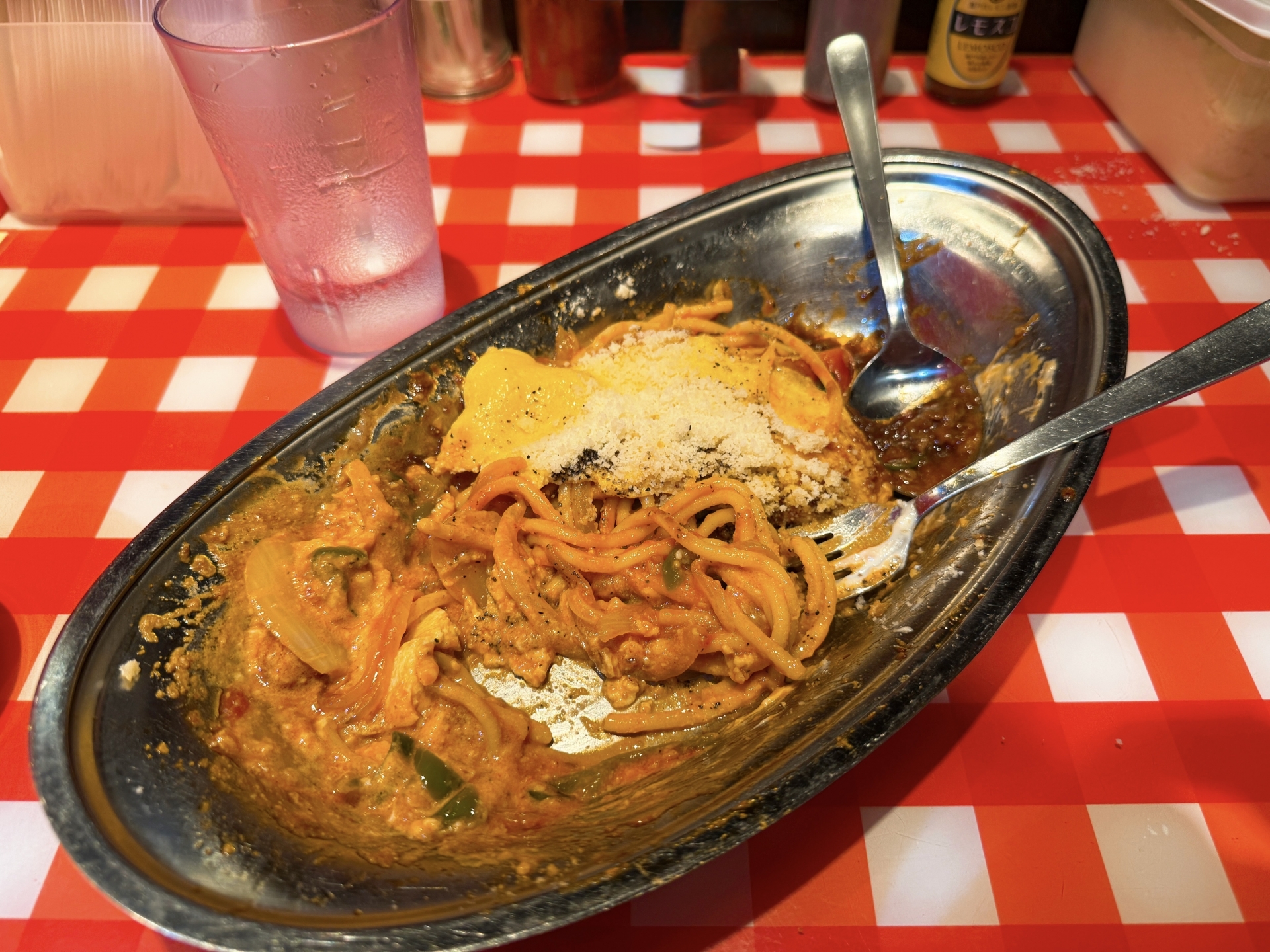
The Truth About the 'Clean Plate' Pressure
I remember my first week in Tokyo back in the day. I was sitting in a cozy, steam-filled ramen shop in Shinjuku, staring down a bowl of noodles that looked more like a small mountain. I had heard so much about 'Mottainai'—the Japanese concept of not being wasteful—that I felt a genuine physical weight of guilt as I neared my limit. I thought the chef would be personally offended if I left even a drop of broth. But here is the 2025 reality: while the sentiment of respecting food is deeply ingrained, Japanese people are incredibly practical. They would much rather you enjoy your meal and leave a little behind than force yourself to get sick. I’ve learned that the 'rules' are more about intent than perfection. If you're looking to explore the food scene without the stress of doing it alone, I highly recommend booking a local food tour to see how the pros handle these situations
Top Choice
Local Japanese Food Tours
Learn the nuances of Japanese dining etiquette and portion control from a local guide.
Search Food Tours
.
Why 'Mottainai' Matters (And Why It Doesn't)
In my experience, the pressure usually comes from within. Most modern restaurants in Japan, especially the larger chains and tourist-friendly spots, are used to varying appetites. The only place where finishing every grain of rice is truly emphasized is in traditional 'Ryokan' (inn) dining or high-end 'Kaiseki' meals where the chef has curated a specific flow. For your everyday lunch or dinner, the staff won't chase you down the street for leaving a few noodles. I started focusing on the phrase 'Gochisousama-deshita' (thank you for the feast) as a way to show respect even if I couldn't finish the last bite. It shows you valued the effort, which is what really counts. On top of that, the 2025 dining scene is more globalized than ever, and chefs understand that international visitors have different stomach capacities.
My Secrets for Managing 'Oomori' and Course Meals
One of the biggest 'hacks' I discovered is the power of the word 'Sukuname.' If you’re at a ramen shop or a curry house where portions are notoriously large, just say 'Men sukuname' (fewer noodles) or 'Gohan sukuname' (less rice). Most places will happily oblige, and sometimes they’ll even give you a small discount or an extra topping to compensate! This has saved me from so many 'food comas' during my travels. If you're planning a trip focused on these culinary delights, staying in a food-centric neighborhood like Namba in Osaka or Tsukiji in Tokyo makes it easy to hop between small bites rather than committing to one massive meal. I usually find the best deals on stays in these areas through reliable booking platforms
Best Value
Hotels in Culinary Hubs
Stay near the best Izakayas and street food markets to enjoy smaller, frequent meals.
Find My Hotel
.
The Sharing Shortcut: When It's Okay to Split
I used to think sharing was a universal no-no in Japan, but that’s a myth. It all depends on the 'vibe' of the restaurant. In an Izakaya (Japanese pub), sharing is the entire point! You order a bunch of small plates for the table. However, in a dedicated ramen or tonkatsu shop, the 'one order per person' rule is usually strict because these shops are tiny and have high turnover. I’ve found that if I’m not very hungry, I’ll look for 'Teishoku' (set meals) that offer 'mini' versions of their main dishes. It’s a total game-changer for those of us who want to taste everything without the waste. Also, food courts in major department stores (Depachika) are perfect for sharing because you can grab items from different stalls and sit together.
| Dining Type | Portion Strategy | Sharing Allowed? |
|---|---|---|
| Ramen Shop | Ask for 'Men Sukuname' | Rarely |
| Izakaya | Order many small plates | Always |
| Family Restaurant | Check for 'Small Size' menu | Yes |
| Kaiseki (Course) | Inform of appetite in advance | No |