The Night I Met the 'Meat Grandma' in Osaka
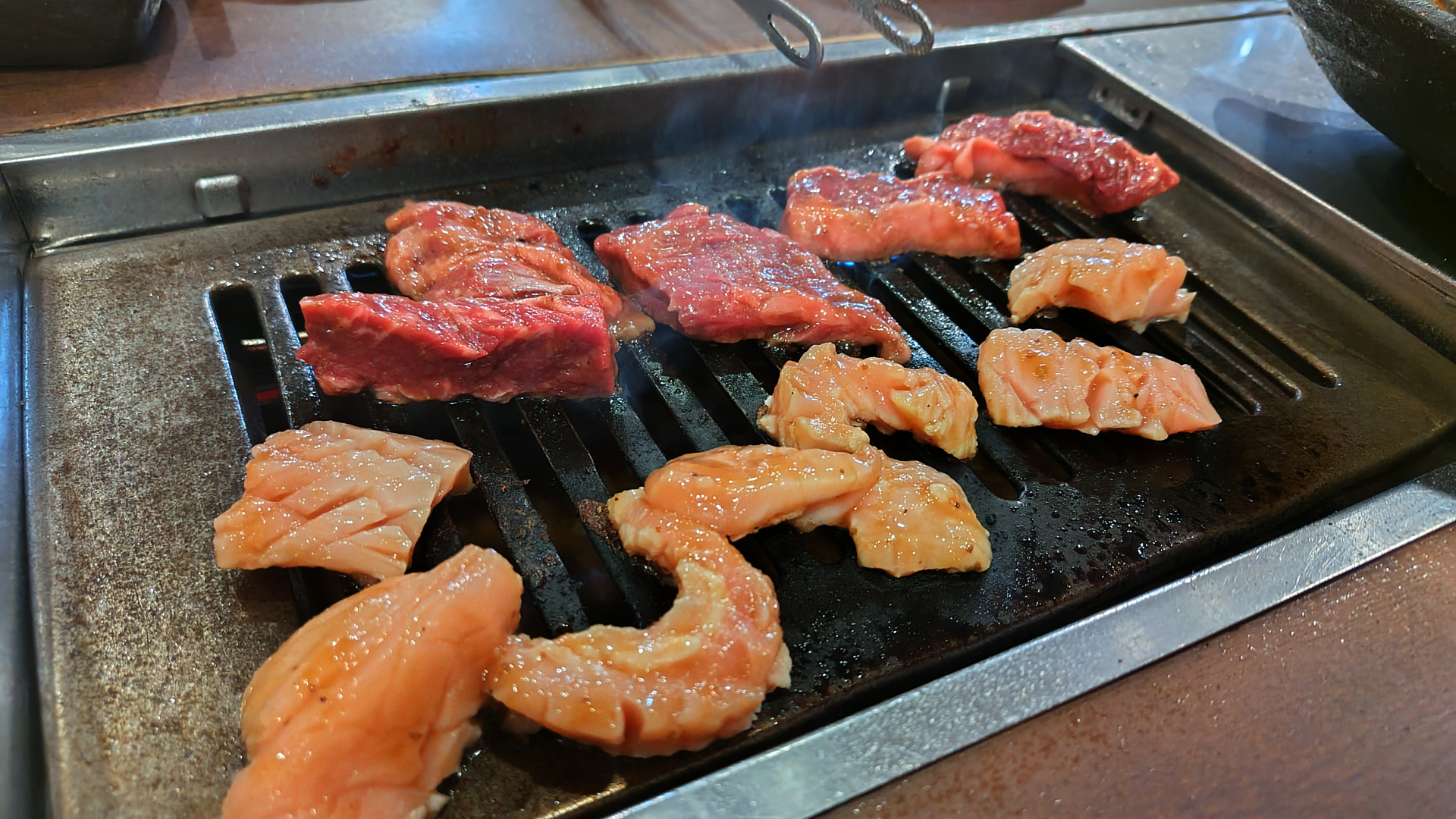
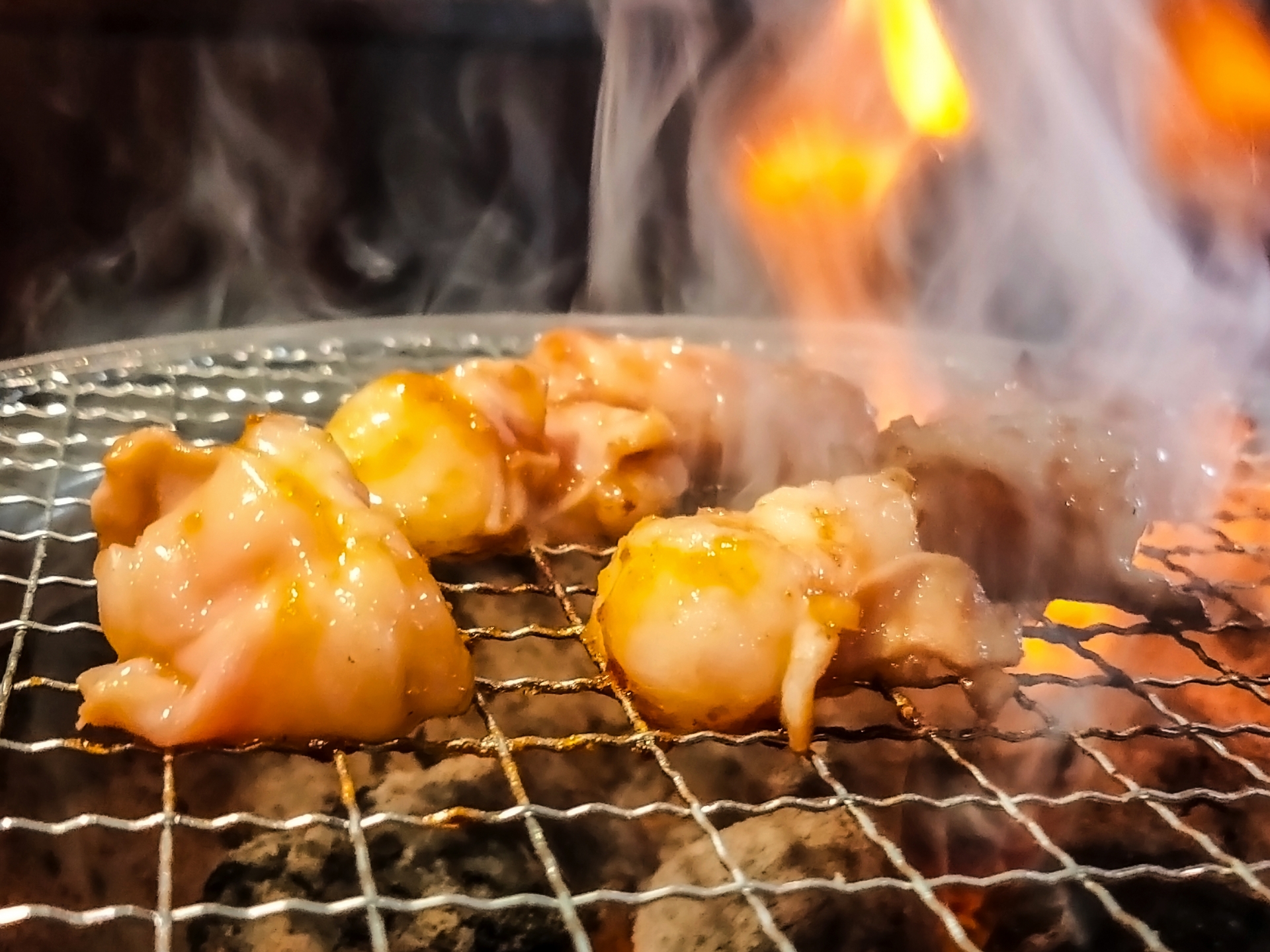
The first time I walked into a Yakiniku joint in Osaka’s Tsuruhashi district, I thought I was a pro. I’d eaten steak. I’d flipped burgers. But within five minutes, I was being gently scolded by an elderly Japanese woman for putting the 'wrong' meat on the grill first. She didn't speak a word of English, but her 'no, no, no' and frantic hand gestures were universal. That was the night I realized Yakiniku isn't just dinner; it’s a choreographed dance with fire. I used to think 'Horumon' (offal) was just for the brave or the broke. Then I tried a piece of *marucho* (small intestine) that had been caramelized over charcoal until it tasted like a savory marshmallow of pure joy. I literally stopped mid-sentence, mouth full of smoky fat, and just stared at the ceiling. My friends thought I was choking. I wasn't. I was having a religious experience. nnThis is why you come to Japan. Not for the fancy white-tablecloth Kobe beef that costs half your rent, but for the loud, smoky, chaotic joy of a local shop.
Top Rated
Premium Wagyu Dinner
A curated multi-course Yakiniku experience featuring A5-ranked Wagyu, including rare cuts like Zabuton and Misoji. Most bookings include a guided explanation of each cut's origin and the best way to grill it.
The best shops are hidden in basements—this guarantees you a seat at a top-rated local gem without the 2-hour wait.
Secure a Table ↗
You’re going to get grease on your shirt. You’re going to smell like a campfire for three days. And you’re going to love every second of it. I've taken dozens of visitors to these spots now, and the 'Aha!' moment is always the same—it happens right when they stop worrying about what part of the cow they’re eating and just let the flavor take over. Trust me, the 'mystery meat' is usually the best part. Oh, and here's the thing: the history of Horumon is actually pretty cool. The name comes from the Osaka dialect 'houru-mon,' meaning 'things to be thrown away.' After the war, people couldn't afford the prime cuts, so they got creative with the bits others ignored. Now, those 'discarded' bits are the most sought-after delicacies in the city. It's a total game-changer for your palate.
If the restaurant has plastic bags at the table, those aren't for leftovers. They're for your coat and bag so they don't smell like beef fat for the rest of your trip.
How to Not Burn the Restaurant Down (Like I Did)
Let’s talk about my biggest rookie error. I once ordered the 'Premium Wagyu Platter' and dumped the whole thing on the grill at once. The fat content in high-grade Japanese beef is so high that it basically acts like candle wax. I created a literal grease fire that sent flames licking the exhaust hood. The staff had to rush over with ice cubes to cool the grill. Don't be me. The secret is the 'one-at-a-time' rule. You grill a piece, you eat a piece. It’s a marathon, not a sprint. You’ll usually start with *Tan* (tongue)—always seasoned with salt and lemon, never the heavy sauce. It cleans the palate. Then you move into the heavy hitters like *Karubi* (boneless short rib) and *Rosu* (chuck roll). nnThis is where the 'Tare' (sweet soy-based sauce) comes in. If you're staying in a central spot like Shinjuku, you'll find plenty of places that offer English menus, which helps, but the real magic is in the 'Omakase' (chef's choice) sets.
Foodie Location
Stay Near the Food
Stay in Shinjuku or Namba to be within staggering distance of the best Yakiniku alleys. These areas are the heart of Japan's nightlife and the air literally smells like grilled beef at night.
You won't want to commute on a crowded train after eating your body weight in grilled beef and drinking lemon sours.
Find Hotels ↗
The chef knows which cut is looking best that day. And please, for the love of all that is holy, try the Horumon. It’s called 'stamina food' in Japan for a reason. It’s chewy, it’s fatty, and when it’s charred just right, it’s better than any prime ribeye you’ve ever had in the States. If you're nervous, start with *Hats* (heart)—it’s firm and meaty, with zero 'funk.' You'll want to keep an eye on the mesh, too. If it gets too black, the char will ruin the flavor of your expensive A5 beef. Just ask for a swap. It's expected. Most people miss the fact that the charcoal (binchotan) is just as important as the meat. It burns at a crazy high temperature without smoke, searing the juices inside instantly. It's science, but the kind you can eat.
If your grill gets too much black char on it, just point to it and say 'Amiga-e, onegaishimasu.' They'll swap the wire mesh for a fresh one for free.
Where to Eat Without Going Broke
So, where should you actually go? If you want the 'luxury' experience, Kobe is your spot. You can get high-end Wagyu Yakiniku there that melts if you even look at it too hard. But if you want the *soul* of the experience, go to Osaka. Specifically Tsuruhashi. It’s the unofficial Yakiniku capital of Japan, and the smell of grilling meat hits you the second you step off the train. In Tokyo, Shinjuku has some incredible 'standing' Yakiniku bars (Jiromaru is a favorite) where you can order single slices of A5 beef for a few hundred yen each. It’s perfect for solo travelers who don't want to commit to a full table. nnPrice-wise, you can get out for about 5,000 yen if you’re careful, but honestly? Budget 10,000 yen and do it right. Get the premium tongue. Get the cold noodles (*Reimen*) at the end to cool down—it's a Korean-Japanese fusion dish that is the only way to survive the heat. Most places are open late, making it the ultimate post-sightseeing meal. Just make sure you book ahead if you’re heading to a popular spot in Tokyo or Osaka. I’ve seen people wait two hours in the rain for a table at some of the famous joints. Don't be that person. Use a booking service or ask your hotel concierge to call. On top of that, look for places that offer 'Nomihoudai' (all-you-can-drink). A cold Nama-biru (draft beer) or a lemon sour is the perfect acidic counterpoint to the rich, marbled fat of the beef. Seriously. Don't skip the sides either. The kimchi in these shops is often better than what you'll find in dedicated Korean restaurants because it's designed to cut through the grease.
Always order a side of 'Namul' (seasoned vegetables) and Kimchi. The acidity is the only thing that will save your stomach from the richness of the Wagyu fat.