Why I Finally Stopped Being Intimidated by the Sushi Chef
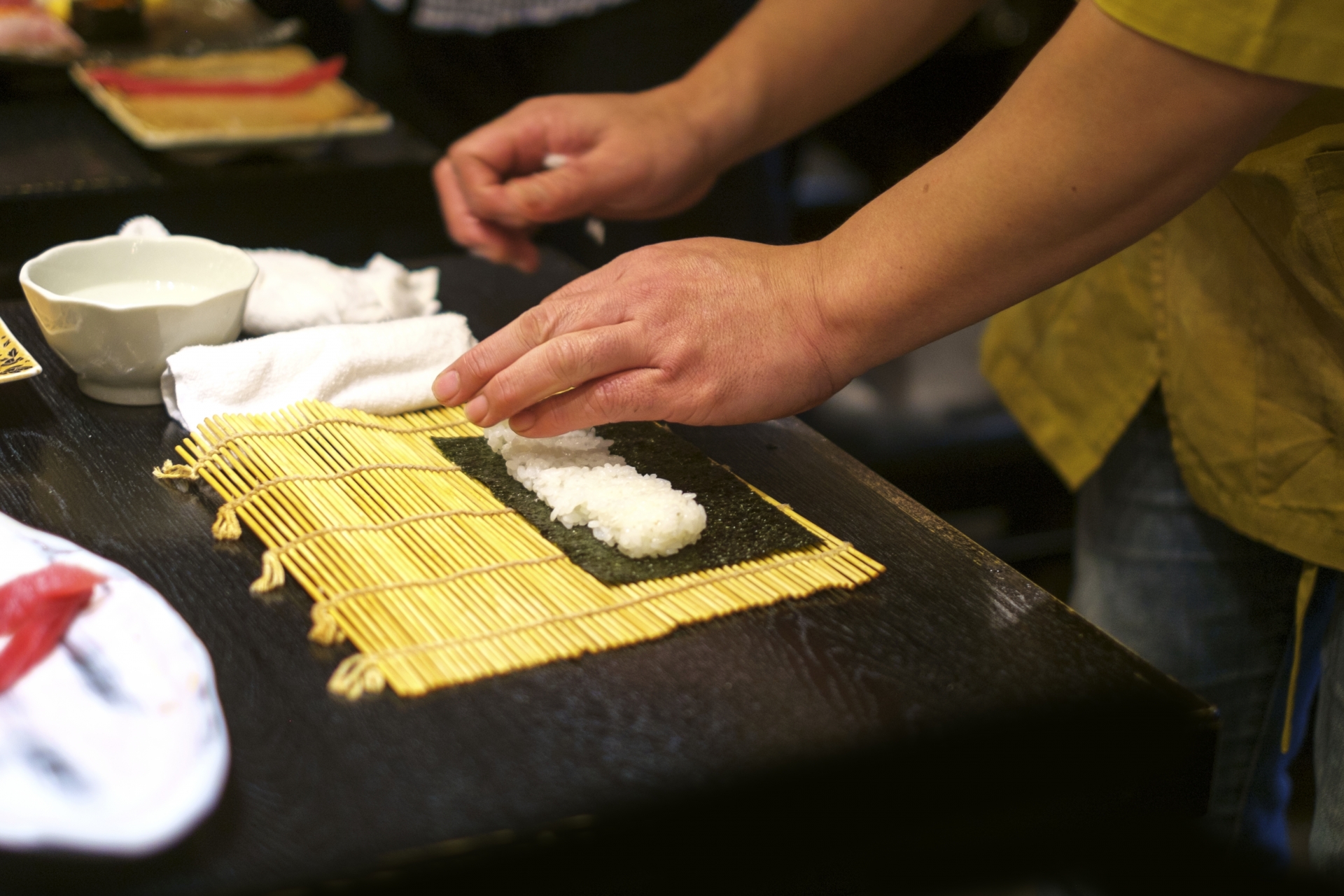
For my first three years in Tokyo, I avoided eye contact with sushi chefs. You know the vibe—the stoic man behind the counter with a knife sharper than my wit, seemingly judging me for every drop of soy sauce that touched my rice. But in early 2024, I decided to stop being a coward and actually take a sushi-making class in Tokyo. Honestly? It was the most humbling and hilarious three hours of my life. I walked in thinking, 'How hard can it be to put fish on rice?' Ten minutes in, I realized I was basically trying to perform heart surgery with mittens on. My first piece of nigiri looked like it had been through a car crash. The rice was too loose, the fish was lopsided, and the chef—a wonderful man named Sato-san—just looked at me, sighed with a grin, and said, 'Alex-san, your hands are too warm. You are cooking the fish with your palms!'
Top Rated
Small-Group Sushi Class in Tsukiji
Learn the art of nigiri and maki from a professional chef right in the heart of Tokyo's famous fish market district. Includes all ingredients and a full lunch.
The fish quality here is unbeatable, and the small class size means you actually learn the technique.
Book Your Spot ↗
That was the 'aha' moment for me. Sushi isn't just about the ingredients; it's about the physics of the human hand.nnAnd here's the thing: despite my initial failure, the moment I ate that ugly, lopsided piece of tuna, it tasted better than half the high-end omakase I’ve had in Roppongi. There’s something visceral about the connection between your hands and the food. We spent the morning learning about 'shari' (the vinegared rice) and why the temperature has to be exactly body heat. I’d always just shoveled it in my mouth without thinking. Now? I can’t look at a piece of sushi without checking the grain alignment. It’s a curse, really. But it's a beautiful one. If you're sitting on the fence because you think you're 'not a cook,' trust me—the messier you are, the more fun the class is. Just don't expect to be hired by a Michelin-starred joint by the end of the afternoon.
If you have 'hot hands' like me, ask for a bowl of ice water to dip your fingers in before handling the rice. It keeps the grains from sticking to you like glue.
What Actually Happens When You Step Behind the Counter
Most of these classes follow a similar rhythm, but the quality of the fish is what separates the tourist traps from the real deals. You’ll usually start with a brief history of sushi—which, by the way, used to be fermented street food—before getting into the 'Nigiri' and 'Maki' techniques. The knife work is the part that usually makes people nervous. I remember my first time trying to slice through a slab of prime fatty tuna. I started sawing at it like I was cutting a steak. Big mistake. Sato-san practically teleported to my side to stop me. You use the heel of the knife and pull back in one smooth motion. It’s about grace, not force. After you've prepped your fish, you move on to the rice-balling. This is where everyone fails the first time. You want the rice to be firm enough to hold together but loose enough that it melts when it hits your tongue. It’s a narrow window, my friends.
Prime Location
Stay Near the Fish Market
Stay in the Tsukiji or Ginza area to be within walking distance of the morning markets and the best sushi schools in the city.
Early morning classes are much easier when you don't have to navigate the rush hour subway.
Find Hotels ↗
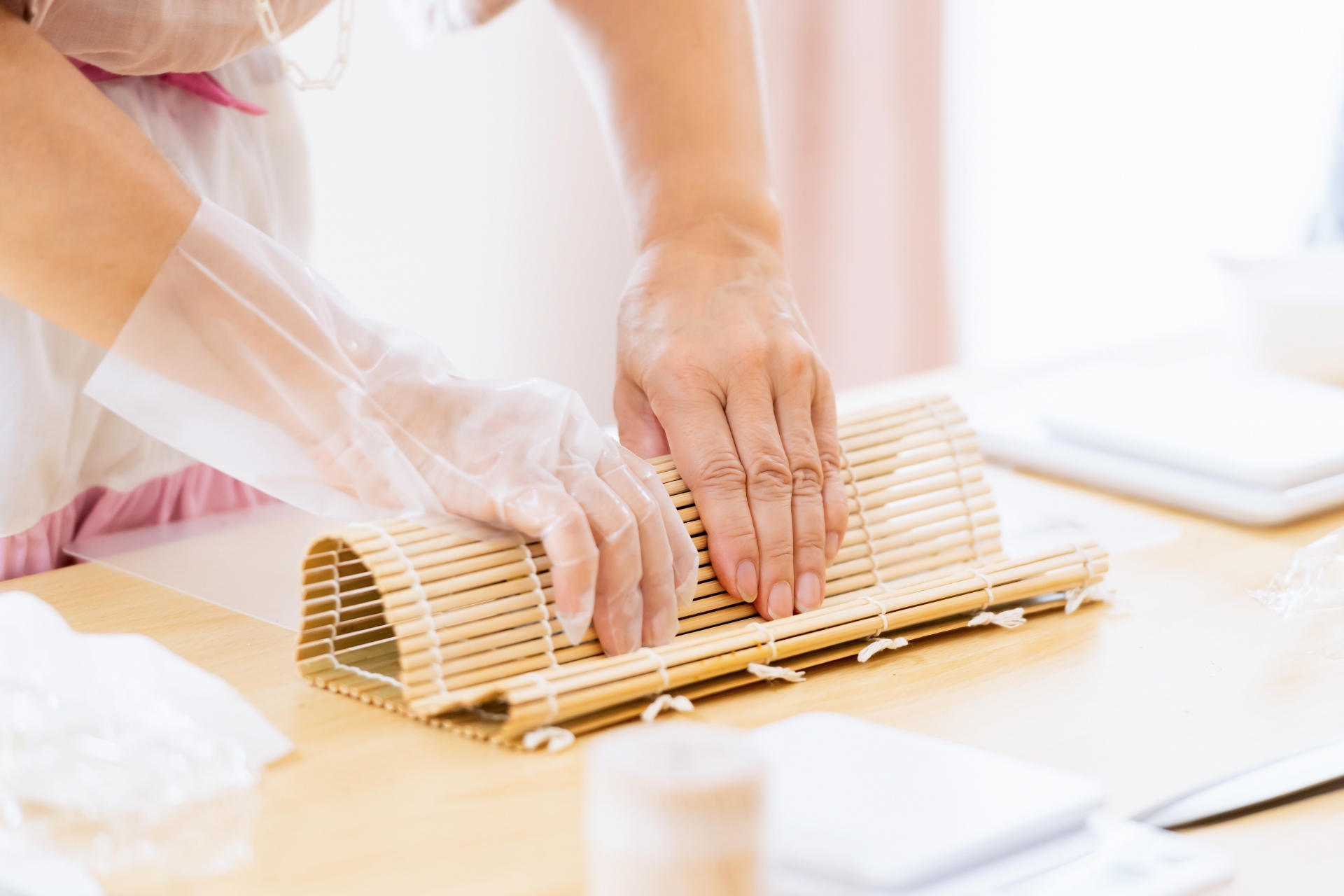
nnI made the classic rookie error of over-packing the rice. I basically created a sushi-flavored brick. But that’s the beauty of a guided class—you get to eat your mistakes. By the time we got to the 'Maki' (the rolls), I was feeling like a pro. Using the bamboo mat is surprisingly satisfying, like rolling a very delicious, seaweed-wrapped sleeping bag. We finished the session by sitting down together and eating our creations with a bowl of proper miso soup. The atmosphere is always great; you’re all laughing at each other’s deformed rolls and bonding over the shared struggle of trying to use a wasabi grater without losing a fingernail. Oh, and real wasabi? It’s a game-changer. It’s sweet, floral, and nothing like that green toothpaste you get in tubes back home.
Wear dark clothing! Between the soy sauce splashes and the stray rice grains, you're going to get messy. Avoid that white linen shirt you bought for your 'aesthetic' Japan photos.
The Practical Stuff: Where to Book and What to Pay
If you're in Tokyo, I highly recommend looking for classes in the Tsukiji area. Even though the inner wholesale market moved to Toyosu years ago, the outer market is still the soul of Tokyo’s seafood scene. The energy there at 9 AM is electric. In Kyoto, the classes tend to be a bit more 'Zen' and often take place in renovated machiya (traditional townhouses), which adds a whole different layer of cool to the experience. Price-wise, you’re looking at a range of 8,000 to 15,000 yen in 2026. Honestly, don't go for the cheapest one. The extra 2,000 yen usually gets you better quality fish (like Chutoro instead of just basic maguro) and a smaller group size. I’ve been in classes with 20 people where I barely saw the teacher, and classes with 4 people where I got one-on-one coaching. Go small or go home.nnMost classes last about two to three hours, which is perfect because it covers your lunch. Language support is generally excellent in the major cities—most instructors speak enough English to explain the techniques, even if they use a lot of hand gestures. One thing I wish someone had told me: book at least two weeks in advance. Since 2025, these classes have exploded in popularity again, and the good ones fill up fast. Also, check if the class includes a market tour. Some of the best experiences I’ve had started with the chef taking us through the stalls to pick out the morning's catch. It gives you a much better appreciation for what's on your plate. Whether you're a solo traveler or with a group, this is the one 'touristy' thing that is actually worth every yen. You'll never look at a supermarket sushi tray the same way again.
If you’re a vegetarian, don't assume you have to skip this! Many schools now offer 'Yasai Sushi' (vegetable sushi) classes using pickled radish, avocado, and marinated mushrooms. Just message them ahead of time.