Why I Loved This (And Why I Looked Ridiculous)
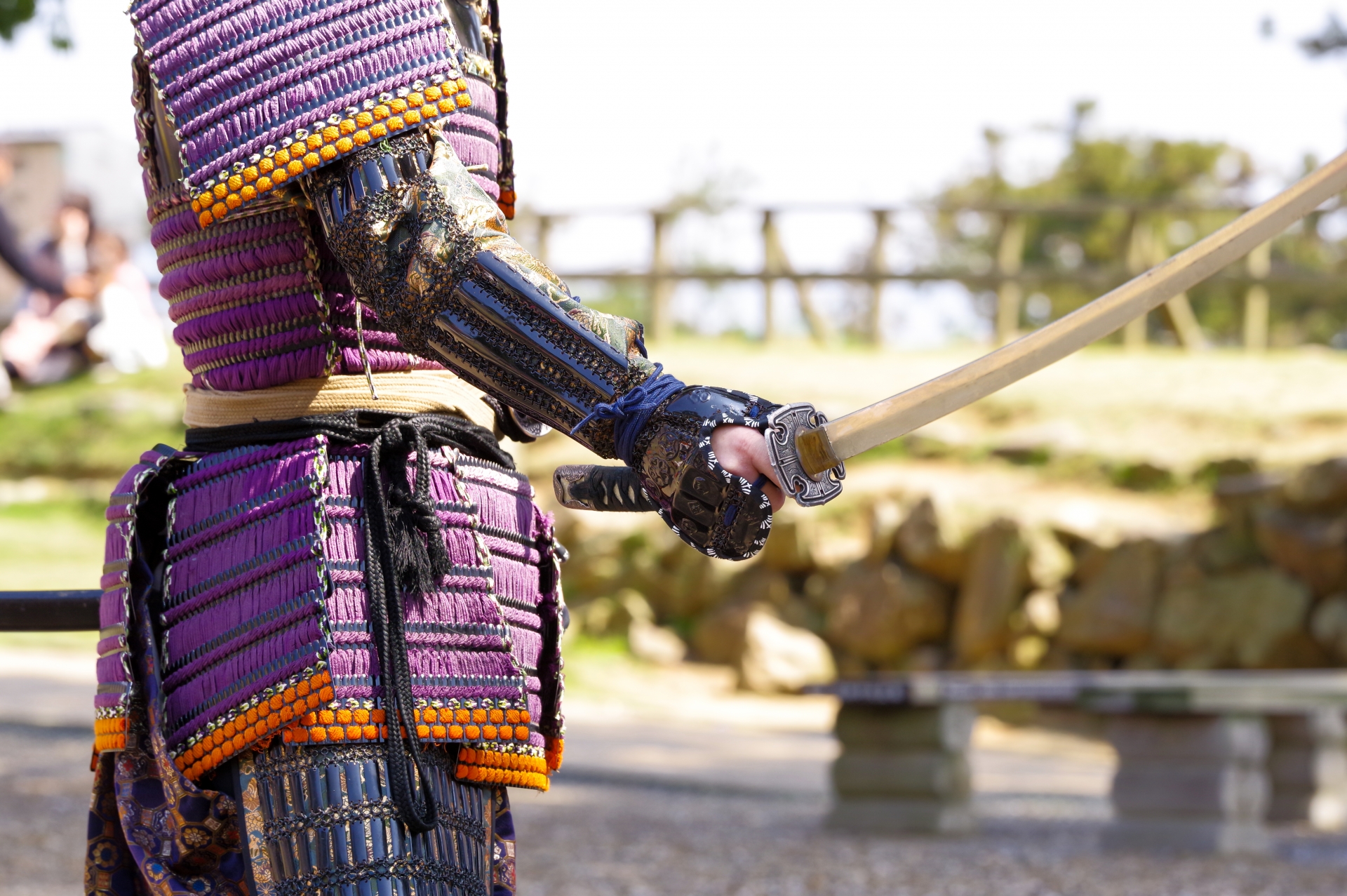
The instructor, a man whose posture was so perfect it made my back ache just looking at him, handed me the blade. It wasn't sharp—thank God—but it had weight. Real, heavy, 'I-might-accidentally-hit-a-lamp' weight. I’ve lived in Japan for over five years now, and I usually avoid the 'touristy' stuff like the plague. But there I was, standing on creaky tatami mats in a hidden dojo tucked away near Gion, trying to remember how to breathe. I thought I’d be a natural. I’ve watched enough Kurosawa films to think I knew the vibe. I was wrong. My first attempt at a basic downward strike looked less like a noble warrior and more like I was trying to swat a particularly fast fly with a broom. And here's the thing: about twenty minutes into the session, something clicked. We weren't just swinging sticks; we were learning *tate*—the art of stage combat used in movies. When I finally nailed a sequence of three moves without tripping over my own feet, the sensei gave me a sharp 'Hai!' and a nod. I felt like a total badass for exactly four seconds before I realized my *hakama* (the wide-legged trousers) was slipping down because I’d tied it like an amateur. nnI booked this session through
Top Rated
Book the Samurai Experience
A 90-minute deep dive into samurai sword techniques, including costume rental, choreography training, and a filmed action sequence. Perfect for all skill levels.
This is the top-rated dojo in Kyoto—spots fill up weeks in advance during cherry blossom season.
Book Now ↗
on a whim when my brother visited, and honestly, seeing him struggle with the 'cool guy' sheath move was worth every yen. It’s one of those rare experiences where the awkwardness is actually half the fun. You start as a group of strangers looking silly in robes, and you end as a choreographed unit ready for a low-budget action flick. The adrenaline is real, and the smell of the old wood and tatami really anchors you in the moment. It’s not just dress-up; it’s a physical workout that demands your full focus, which is a rare gift when you’re usually glued to your phone. I remember looking at my brother, who was sweating through his kimono, and we both just started laughing. It’s that kind of experience. You aren't just observing culture; you're failing at it, which is much more memorable. By the time we got to the actual choreography, my arms were already feeling the burn. The sword—even the wooden bokken—starts to feel like a lead pipe after fifty swings. But the sensei doesn't let you slack. He kept adjusting my elbow by just an inch, and suddenly the 'whoosh' sound of the blade through the air got louder. That sound is addictive. You want to hear it every time. It makes you feel like you’ve actually tapped into some ancient muscle memory, even if you’re just an expat who spends too much time at a desk. Seriously. Go early.
If you have long hair, bring a tie. You do NOT want your hair in your face when you're trying to perform a high-speed 'killing' blow for the camera.
What You Need to Know Before You Step into the Dojo
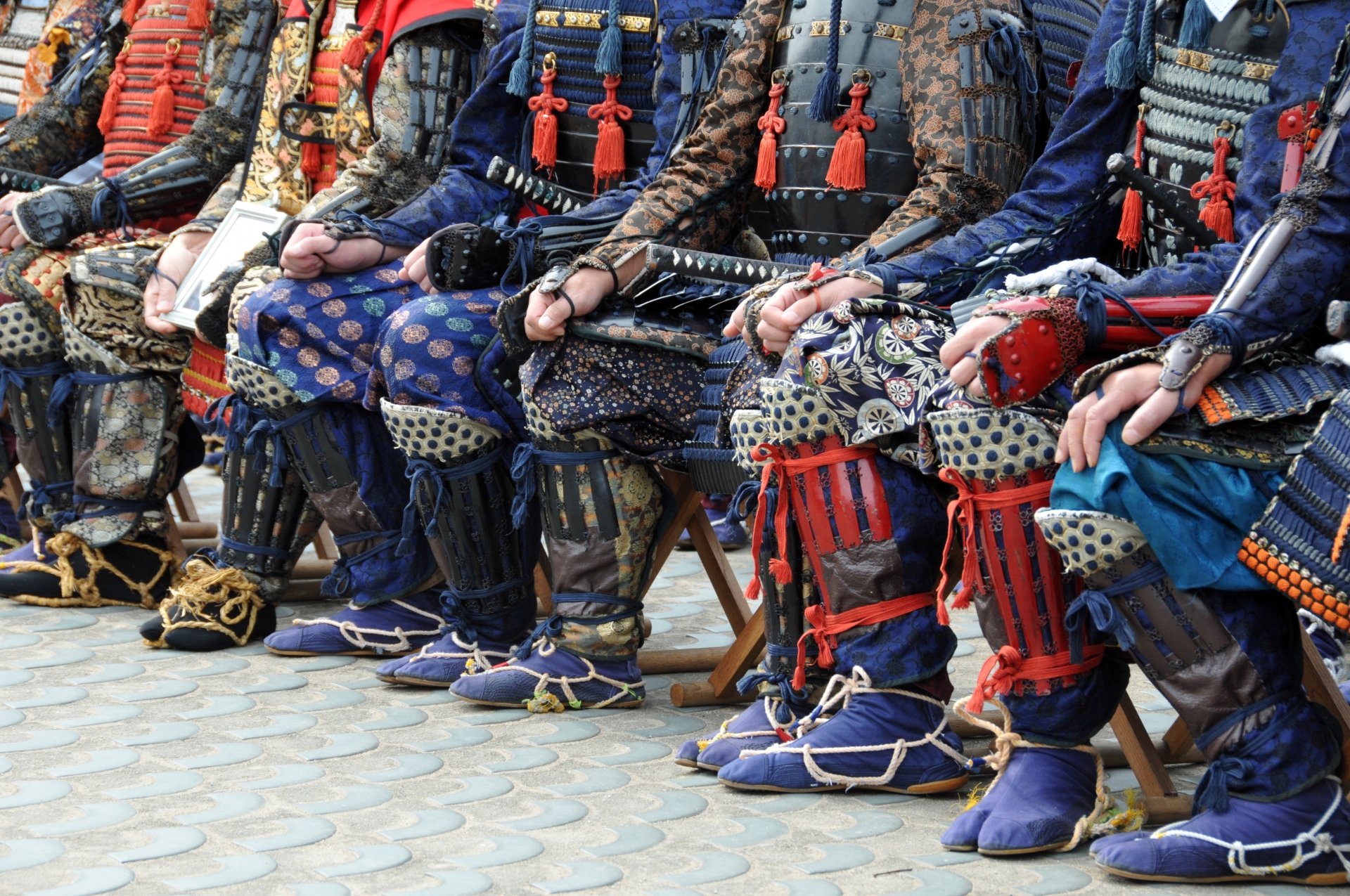
First off, let’s talk about the clothes. You’re going to be put into a full samurai outfit. It’s layers upon layers. If you’re doing this in the peak of a Japanese summer, you are going to sweat. I made the rookie mistake of wearing a thick cotton t-shirt underneath my kimono. Big mistake. I was a swampy mess by the end of the first hour. Wear something light and breathable—Uniqlo Airism is your best friend here. Also, your feet. You’ll be in *tabi* (those split-toe socks). If you’ve never worn them before, they feel weird between your toes, but they’re essential for grip on the floor. I stayed at a small ryokan nearby in Gion
Walking Distance
Stay in Historic Gion
Stay in the heart of Kyoto's most famous district. These traditional machiya-style hotels are within walking distance of the best dojos and tea houses.
Staying in Gion lets you beat the crowds to the dojo and explore the shrines at sunrise.
Find Hotels ↗
which meant I could just walk over, but if you're coming from across town, give yourself an extra 15 minutes. These dojos are often tucked away in back alleys that Google Maps struggles with. I spent ten minutes walking in circles around a laundry mat before I found the entrance. nnThe lesson usually follows a set pattern: you learn the bow, the stance, the basic cuts, and then the 'movie magic.' The instructors are usually professional actors or stunt performers, so they know how to make you look good even if you’re as uncoordinated as I am. They’ll teach you how to 'die' dramatically, which involves a lot of controlled falling. I actually bruised my hip because I got too enthusiastic with my death scene and hit the floor harder than intended. Don't be me—listen to the instructions on how to tuck your shoulder. The highlight is the final filmed sequence. They’ll play dramatic music, and you’ll perform the choreography you just learned. It feels cheesy until you watch the video back and realize that with the right lighting and a bit of effort, you actually look like you know what you’re doing. It’s a massive confidence boost, even if your legs are shaking by the end. On top of that, the instructors are incredibly patient. They’ve seen every kind of tourist, from the over-eager fanboy to the terrified grandmother, and they manage to make everyone feel like they belong in a Kurosawa set. One thing most people miss is the mental aspect. You have to clear your head. If you're thinking about your dinner reservations, you're going to mess up the footwork. It’s a weirdly meditative experience for something that involves swinging a weapon around. Trust me on this.
Don't just stand there for photos. Ask the instructor to show you the 'Chiburi'—the move where you flick the blood off the blade. It looks incredible in slow-motion video.
The Practical Stuff: Where, When, and How Much?
You have two main choices: Tokyo or Kyoto. I’ve done both. The Tokyo sessions, usually around Shinjuku or Asakusa, tend to be a bit more 'high-energy' and cinematic. They focus heavily on the 'Kill Bill' style of action. Kyoto, on the other hand, feels a bit more grounded in tradition. The dojos there often have a history that goes back generations. If you want the 'authentic' vibe, go for Kyoto. If you want to feel like you're in a modern action movie, Tokyo is your best bet. Prices in 2026 usually hover around 10,000 to 15,000 yen for a group session, while private ones can go up to 25,000 yen. Is it worth the extra cash for a private session? Honestly, no. Part of the fun is watching other people mess up and cheering each other on. Most places provide English support, and the instructors are masters of 'body language' instruction anyway. You don't need to speak a word of Japanese to understand 'move your left foot here or I’ll hit you.' nnMost sessions last about 60 to 90 minutes, which is plenty. Any longer and your forearms would probably give out. I’d recommend booking a morning slot. It’s a great way to wake up, and it leaves your afternoon free for a more relaxed activity—like hitting a nearby cafe to brag about your sword skills on Instagram. Just make sure you check the cancellation policy; these small dojos run on tight schedules and they don't appreciate no-shows. If you're traveling with kids, check the age limit. Most places require kids to be at least 7 or 10 years old because, well, they're handing them a giant wooden stick. But for teens? This is probably the only part of the trip they won't complain about. Oh, and here's what most people miss: the grip. You aren't holding a baseball bat. You hold the katana with a 'soft' grip, like you're holding an egg. If you squeeze too hard, your movements become jerky and you'll tire out in ten minutes. I learned that the hard way when my hands started cramping halfway through the final 'battle.' Also, don't be afraid to ask for a retake during the video portion. These guys want you to look good because it makes their dojo look good. It’s a win-win. Just be respectful of the time.
Check if your chosen dojo offers a 'video edit' service. Some will add sound effects and music to your final fight for a small fee, and trust me, the clashing sword sounds make a huge difference.