The Truth About 'Pointing and Hoping'
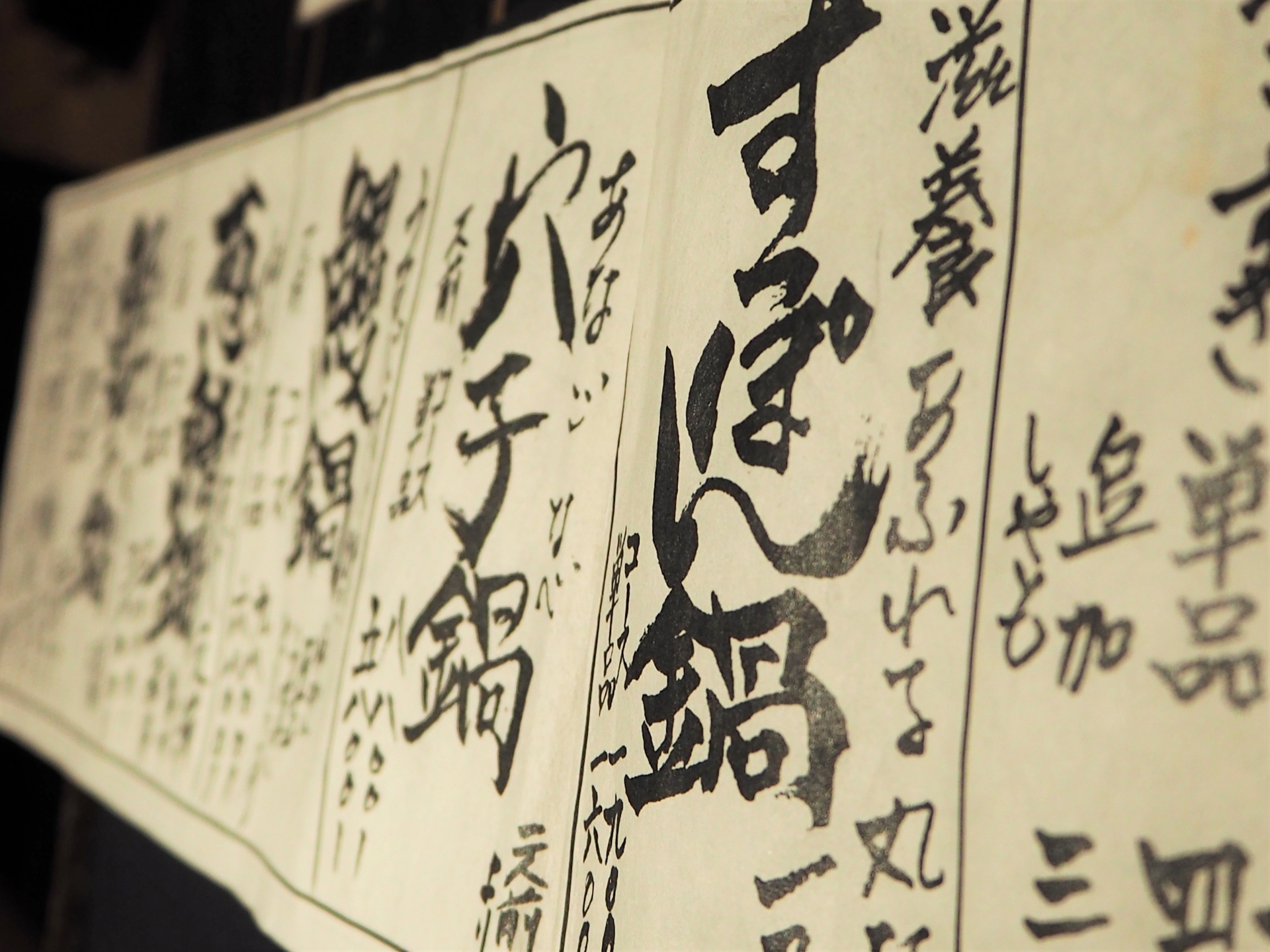
I’ll never forget my first night in Osaka. I walked into a tiny, smoke-filled izakaya, pointed at a picture of what I thought was a delicious fried chicken karaage, and ended up with a plate of grilled chicken cartilage (nankotsu). It wasn't 'bad,' but it definitely wasn't the juicy meat my stomach was craving. That’s the reality of Japanese menus—the photos are gorgeous, but they don't always tell the whole story to an untrained eye. In 2025, even with AI translation everywhere, the nuance of 'texture' and 'flavor profile' often gets lost in the digital shuffle. I’ve found that the best way to bridge this gap is to look for the 'Osusume' (recommendation) stickers. Most shops highlight their star dish with these little icons. If you're feeling overwhelmed, I highly recommend booking a local food tour to get your confidence up
Highly Rated
Tokyo Local Food Tours
The best way to learn how to read a menu is to have a local show you the ropes in person.
Book a Food Tour
. It really changed how I viewed the dining scene here and taught me that 'mystery' doesn't have to mean 'mistake.' Another thing to watch for is the 'Ninki' (popular) ranking. If you see a 'No. 1' next to a dish, just order it. The locals are rarely wrong about what a kitchen does best.
Why the 'Spice' Warning is Different Here
Shortcuts to Understanding Portions and Sets
One of the biggest 'aha!' moments for me was realizing the 'Teishoku' system. If you see a photo with a main dish, a bowl of rice, miso soup, and some pickles, that’s a set meal. It’s almost always the best value for your yen, usually ranging between 1,000 to 2,000 yen. I used to worry about ordering too much, but Teishoku portions are remarkably consistent and designed to be a balanced meal. If you're staying in a central area like Shinjuku or Ginza, I suggest picking a hotel that puts you right in the heart of the food action
Best Location
Foodie-Friendly Shinjuku Hotels
Stay where the best restaurants are located to minimize travel time and maximize eating.
Find Shinjuku Hotels
. This allows you to wander the basement food halls (depachika) where everything is labeled and you can see exactly what you're getting before you commit to a sit-down meal. What's more, keep an eye out for 'Omori'—this means a large portion of rice. Often, the server will ask you 'Omori ni shimasu ka?' which is your cue to decide if you're hungry enough for a mountain of carbs. In 2025, many places offer this for free, but some might charge a small 100-yen supplement.
Secrets of the Hidden Charges and Manners
There’s a little thing called 'Otoshi' that catches many international tourists off guard. It’s a mandatory small appetizer served at izakayas, and it comes with a small cover charge, usually around the price of a coffee (300 to 500 yen). I used to think I was being scammed until I realized it's just part of the culture—think of it as a table rental fee that comes with a tasty snack! Also, don't look for a 'tip' line on the bill—it doesn't exist. The price you see is generally the price you pay, plus tax. Here’s the kicker: in 2025, many restaurants have moved to QR code ordering. You scan the code with your phone, and a digital menu pops up. The secret hack here is to use the built-in browser translation, but always cross-reference the photos. If the translation says 'Internal Organs,' it's likely horumon (offal), which is a local delicacy but might not be for everyone. Here’s a quick guide to what you’re likely to encounter on a standard menu table.
| Menu Term | What it Actually Means |
|---|---|
| Osusume | The chef's top recommendation |
| Ninki No. 1 | The most popular dish among locals |
| Gentei | Limited edition (seasonal or daily) |
| Omori | A large portion of rice or noodles |