Why I Loved This (And Why My Arms Hated Me)
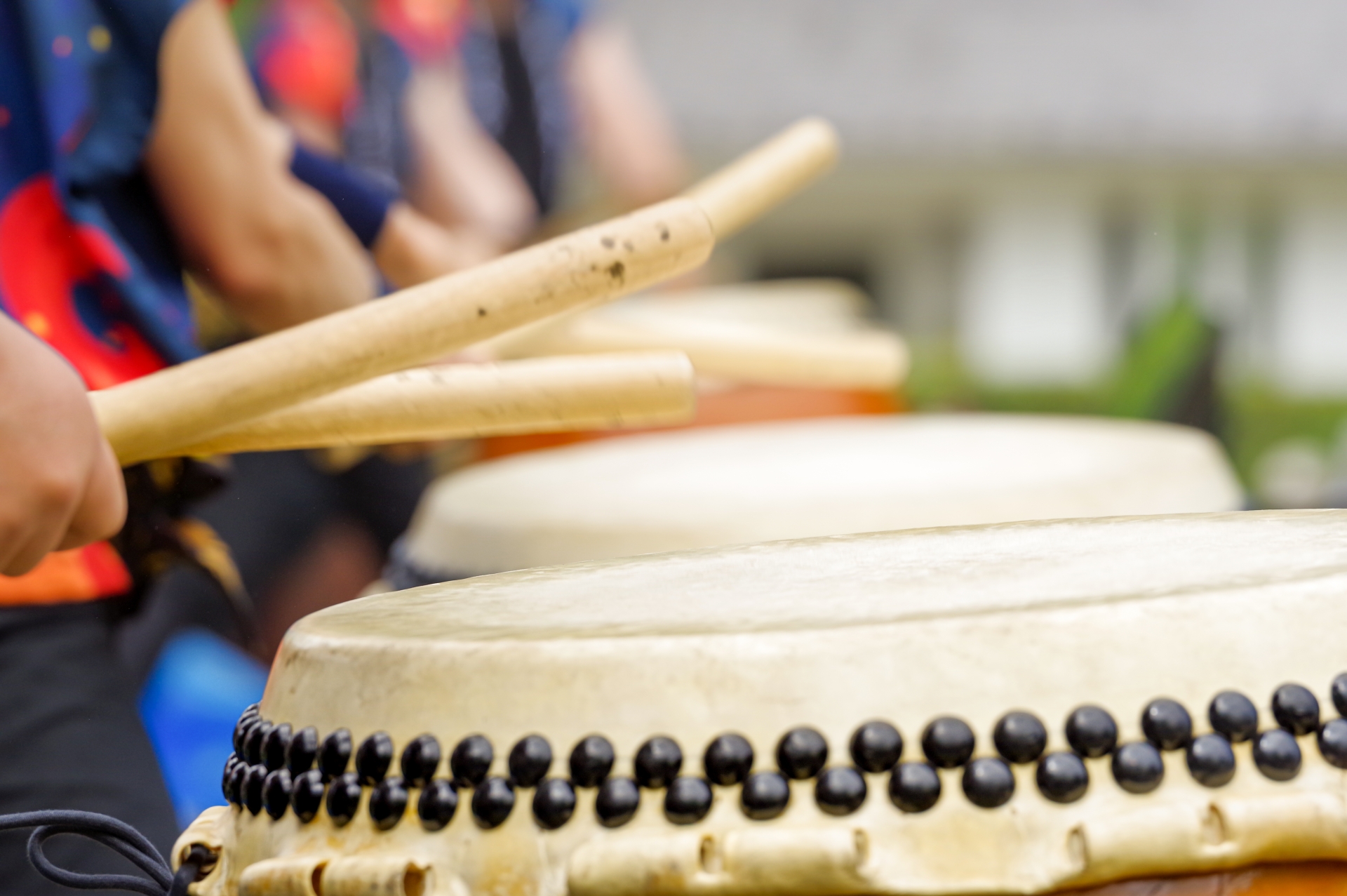
The vibrations didn't just hit my ears; they rattled my entire ribcage. I remember standing in a soundproofed basement in Asakusa back in 2024, staring at a drum the size of a small car. My instructor, Tanaka-san, was a woman half my size with twice my energy. She handed me two 'bachi'—thick wooden sticks that felt like baseball bats—and told me to strike. I thought, 'Easy, it’s just a drum.' Five minutes later, I was sweating through my shirt and my triceps were screaming. That’s the thing about Taiko—it’s not just music; it’s a high-intensity cardio session disguised as a cultural ritual. You don't just hit the drum with your hands; you drive the sound through your legs and core. It was the first time in Japan I felt truly 'loud' in a culture that values silence. We spent the first half of the hour learning a basic 4-count rhythm, and by the end, our group of six strangers was synchronized in a thunderous boom that made the floorboards dance.
Top Rated
Book the Taiko & Shamisen Workshop
A hands-on 90-minute session where you'll learn basic rhythms on the great Taiko drums and the delicate fingering of the three-stringed Shamisen. Perfect for getting your heart rate up while learning a centuries-old art form.
This is one of the few cultural activities where you're encouraged to be loud and energetic—perfect for stress relief!
Book Now ↗
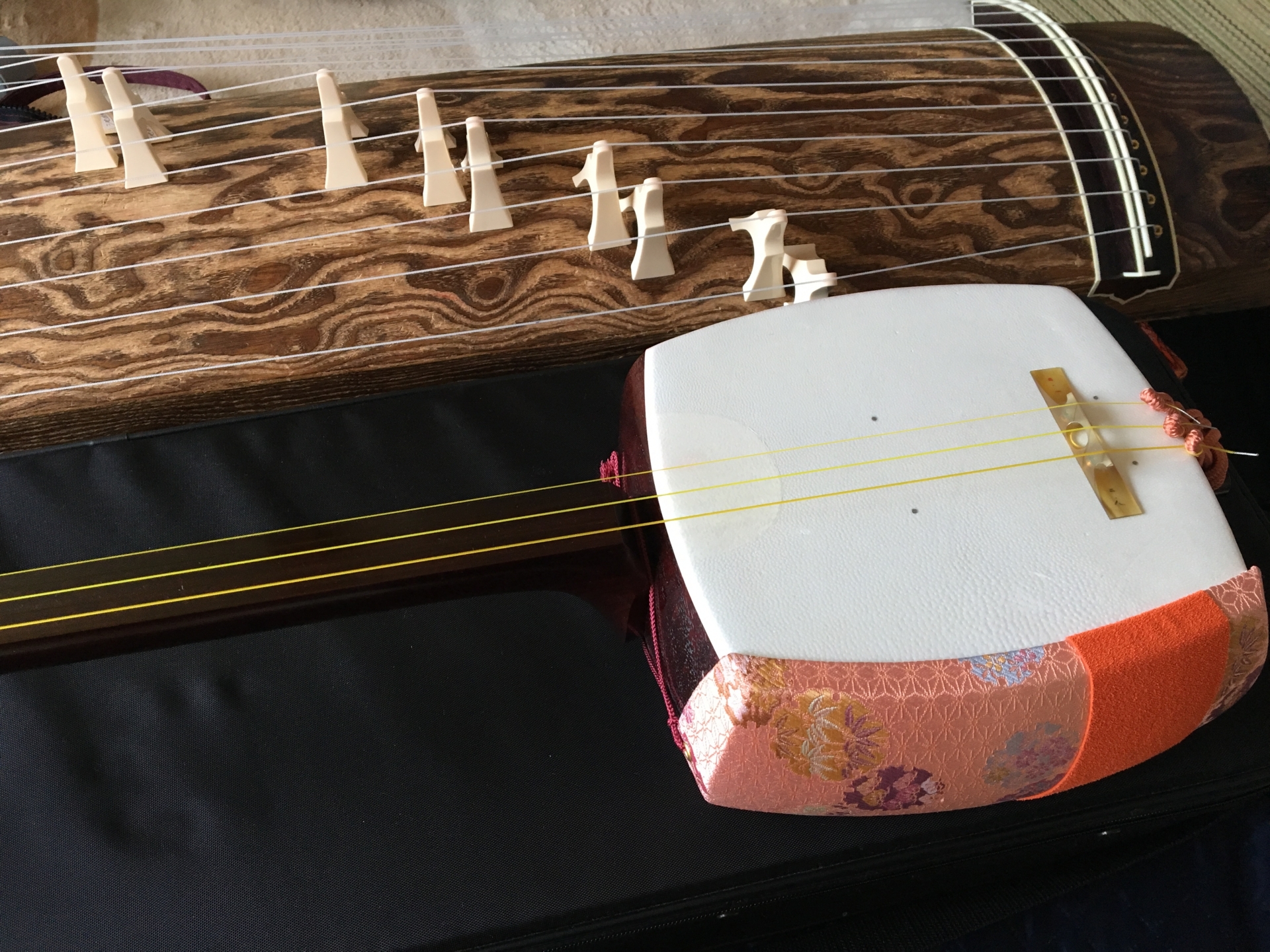
But then came the Shamisen. Transitioning from the raw power of the drums to the delicate, three-stringed lute was like going from a heavy metal concert to a needlepoint class. I felt like a giant trying to play a toy guitar. My fingers were too big, the plectrum (the 'bachi' for shamisen) felt like a giant plastic pizza slice, and I definitely snapped a string trying to find a high note. The instructor just laughed, handed me a spare, and told me to focus on the 'snap' of the string against the skin. It was humbling, hilarious, and honestly, more fun than any museum I’ve ever visited. If you want to feel the heartbeat of Japan rather than just look at it through a glass case, this is it. Trust me, the sheer satisfaction of nailing that final 'don!' on the big drum is worth the sore muscles the next morning. I still have the video of me looking like a confused bear trying to play the lute, and it's my favorite souvenir from that year. The smell of the old wood in the studio and the rhythmic chanting of the sensei stayed with me for days. It's a physical memory that sticks in a way a photo never could. You'll leave feeling like you've actually accomplished something, even if you're not exactly ready for the stage yet.
Don't hold the Taiko sticks too tight. If you white-knuckle them, the vibration will shoot straight into your elbows and you'll be feeling it for a week. Keep a loose, 'bird-in-the-hand' grip.
What You Need to Know Before You Go
Let’s talk about the 'rookie mistakes' because I made all of them. First off: do NOT wear skinny jeans. I showed up in my favorite pair of stiff denim and realized within three minutes that the Taiko stance requires a deep, wide-legged squat. I spent the whole lesson terrified I was going to rip my pants in front of a very polite Japanese grandmother. Wear leggings, joggers, or something with a serious stretch. Also, be prepared for the 'kakegoe'—those rhythmic shouts the performers do. At first, you’ll feel self-conscious shouting 'HA!' or 'SORE!' in a room full of strangers, but the more you lean into it, the better you’ll play. It’s all about the energy. If you're staying in a place like Asakusa
Local Vibe
Stay in Historic Asakusa
Stay within walking distance of the best music studios and Senso-ji Temple. Asakusa offers a mix of traditional ryokans and modern hotels with views of the Skytree. It's the best base for culture lovers.
Staying in Asakusa saves you the hour-long commute from Shinjuku and lets you beat the crowds to the temples.
Find Hotels ↗
, you'll find that many of these studios are tucked away in narrow side streets, so give yourself twenty minutes to get lost and find the right door. The language barrier is rarely an issue; music is a universal language, and most instructors in the tourist hubs speak enough 'Taiko-English' (mostly 'Big hit!', 'Small hit!', and 'Smile!') to get you through. The Shamisen part is arguably harder. It requires a lot of precision with your left hand, and there are no frets on the neck to guide you. You have to listen for the pitch. My first attempt sounded like a dying cat, but by the end of the thirty-minute segment, I could actually play the opening bars of 'Sakura Sakura.' It’s a steep learning curve, but incredibly rewarding. Just don't expect to be a master by lunch. On top of that, the mental focus required is intense. You can't think about your dinner plans or your flight home; you have to be 100% in the moment. Oh, and here's the thing: your hands might get a little red from the friction. It's normal. It's like a badge of honor. I remember looking at the other students—a couple from France and a solo traveler from Australia—and we all had that same look of 'what have we gotten ourselves into?' followed by 'this is awesome.' It's a bonding experience you don't get from just walking around Senso-ji.
If you have sensitive ears, bring some high-fidelity earplugs. It gets incredibly loud in those small rooms, and while the studios usually provide cheap foam ones, they muffle the instructions too much.
The Practical Stuff: Booking and Logistics
You’ll find these workshops all over Tokyo and Kyoto, but Asakusa is the spiritual home for this kind of thing. Most sessions last about 90 minutes—45 for drums, 45 for shamisen—and cost somewhere between 6,000 and 9,500 yen. Is it worth it? Absolutely. Compared to a standard walking tour, you're getting a skill and a workout. If you're traveling with kids, this is a godsend. It burns off all that 'I've-been-on-a-train-all-day' energy. Most places allow children from age 6 or 7, but check the specific listing. For the best experience, I recommend booking a morning slot. Why? Because you'll be buzzing with adrenaline afterward, which is the perfect fuel for exploring the nearby temples. If you go in the evening, you might be too tired to enjoy dinner! Also, keep an eye on the group size. A class of 4-8 is the sweet spot. Anything larger and you won't get enough feedback from the sensei. Most of the top-rated experiences include all the equipment, so you literally just need to show up in comfortable clothes. Some even offer a little 'performance' by the teachers at the end, which is worth the price of admission alone. Seeing them play at full speed makes you realize that what you just did was the 'toddler version,' but it’s inspiring nonetheless. On top of that, many studios are located near great local eateries. After my session, I stumbled into a small tempura shop nearby and the food tasted ten times better because I had actually worked for it. If you're choosing between just Taiko or the combo, go for the combo. The contrast between the two instruments gives you a much better understanding of Japanese aesthetics—the balance of power and grace. It's the difference between a thunderstorm and a summer breeze. You'll want to book at least a week in advance, especially during the cherry blossom or autumn leaf seasons, as these spots fill up fast with people looking for an indoor break from the crowds.
Check if the studio has a shower or changing room. Most don't, and you *will* sweat. Bring a small hand towel and maybe a spare t-shirt if you have plans for a nice lunch afterward.