Why I Actually Loved This (And Why You Might Too)
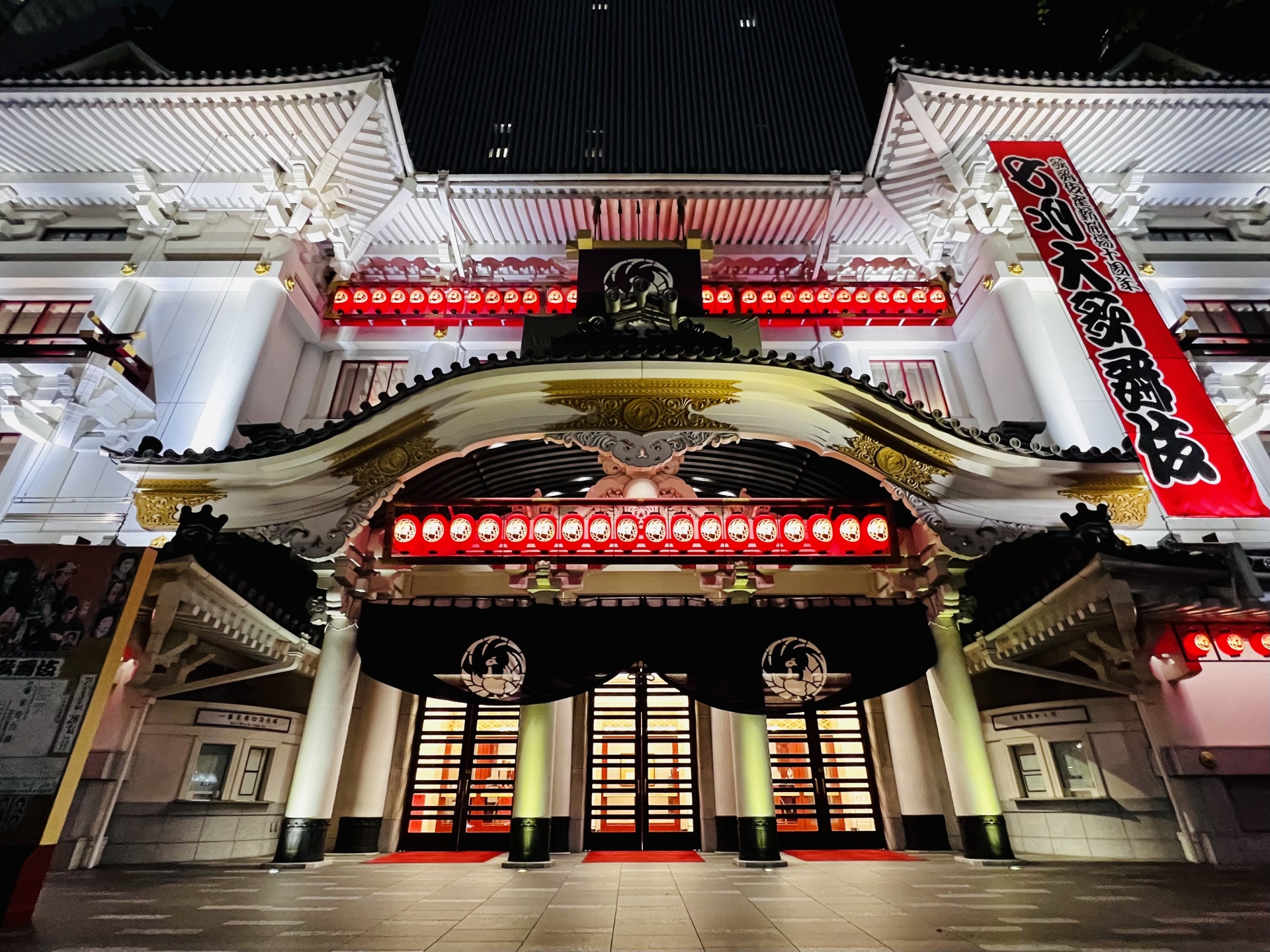
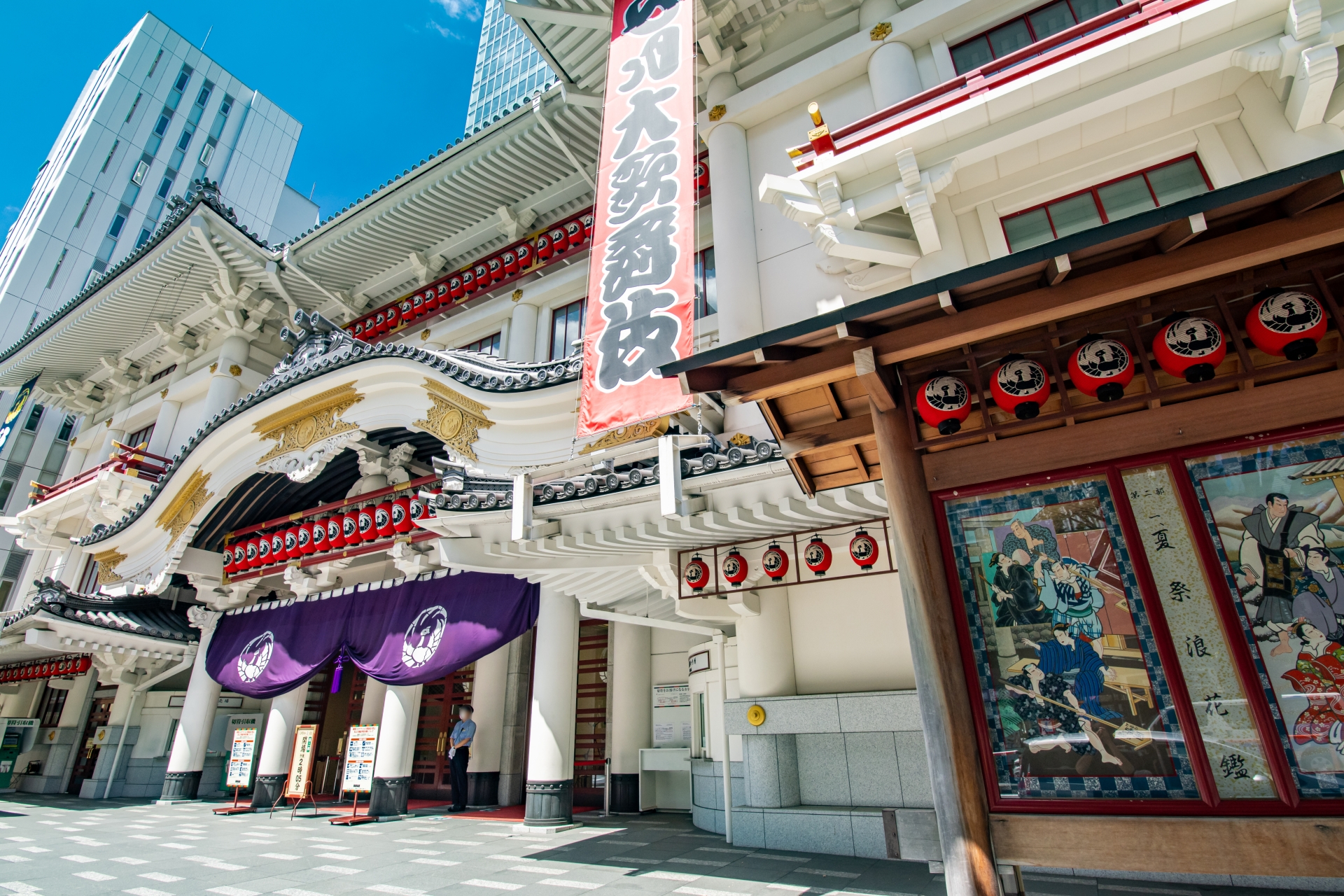
The first time I walked into the Kabuki-za in Ginza back in 2021, I felt like a total fraud. I was wearing a slightly wrinkled button-down, clutching a plastic convenience store bag with a sandwich in it, while everyone else seemed to be in heirloom kimonos that cost more than my car. I honestly thought I’d be bored to tears. Four hours of screaming in archaic Japanese? Yeah, sounds like a blast, Alex. But then the 'hanamichi'—that long runway through the audience—lit up. An actor in a wig that must have weighed twenty pounds stomped past me, and the sheer vibration of his footsteps hit me in the chest. I stopped chewing my egg salad sandwich. I was hooked. It wasn’t just a play; it was a heavy metal concert from the 1600s. There’s this moment called a 'mie' where the actor freezes in a dramatic pose and crosses one eye—it’s the original 'bullet time' from The Matrix, and the crowd goes absolutely wild. nnBut let’s be real: it’s long. If you don't have a plan, you'll be checking your watch every five minutes. My biggest mistake was trying to 'wing it' without the English audio guide. I sat there for an hour thinking a character was a ghost when he was actually just a very angry chef. Don't be that guy. By the time I went back in 2026, they had these sleek tablet-based guides that explain the plot in real-time. It changed everything. I finally understood why the guy in the front row was shouting names at the stage—it’s called 'kakegoe,' and it’s basically the 17th-century version of 'Let’s goooo!'
Cultural Essential
Book Kabuki Tickets
Skip the confusion and secure your spot at the legendary Kabuki-za. These tickets include options for the essential English G-guide tablet so you actually know why the hero is crossing his eyes.
The best hanamichi-side seats disappear months in advance—don't get stuck in the nosebleeds.
Secure Tickets ↗
Grab your tickets early because the good seats—the ones near that runway—sell out weeks in advance. I’ve seen tourists crying outside the box office because they thought they could just walk in on a Saturday afternoon. Spoiler: you can't. Seriously. Go early. nnAnd here's the thing: the atmosphere is half the draw. The smell of the theater is this unique mix of old polished wood, green tea, and the vinegar from a thousand bento boxes. It feels like you've stepped into a time machine that happens to have great air conditioning. You’ll see grandmas in silk finery whispering to their grandkids about the actors' lineages—because these actors are basically the Kardashians of the Edo period, but with actual talent. On top of that, the stagecraft is insane. They have revolving stages and trap doors that were invented way before Broadway was even a thing. If you think you're too 'modern' for this, you're wrong. It's pure, unadulterated spectacle.
If you're in Tokyo, look for the 'Hitomaku-mi' (Single Act) tickets. You can see just one part of the show for the price of a couple of craft beers, and you won't have to commit your entire afternoon.
What You Need to Know Before You Go (Noh vs. Kabuki)
You’ve got to understand the difference between these three, or you’re going to have a very confusing afternoon. Kabuki is the blockbuster—explosions (of paper), massive costumes, and actors who are basically the rock stars of Japan. It’s loud, colorful, and intentionally over-the-top. Noh is... well, Noh is a vibe. It’s ghostly, minimalist, and moves at the speed of a tectonic plate. If you go to Noh expecting Marvel, you’ll be snoring in ten minutes. I made the rookie mistake of going to a full Noh cycle after a big ramen lunch and a few too many Sapporos. Big mistake. I woke myself up with my own snore during a particularly quiet flute solo. It was mortifying. Noh is about the 'ma'—the space between the notes. It’s beautiful, but it requires a different mindset. nnThen there’s Kyogen, which is the comedy relief. It’s usually performed between Noh acts, and it’s genuinely funny—lots of slapstick and people getting tricked by servants. It’s much more accessible if you’re worried about the 'boredom' factor. Oh, and here is a pro tip: the theaters are freezing. I don't know why, but they keep the AC at 'arctic' levels to preserve the costumes. I saw a group of tourists in shorts and tank tops shivering so hard they looked like they were part of the performance. Bring a light jacket, even in August. If you're staying nearby, like in the Ginza area, you can just pop back to your room to change
Top Location
Stay Near the Theater
Position yourself in the heart of Ginza or Gion. Perfect for dropping off your shopping bags before the evening curtain call or grabbing a late-night ramen after a 5-hour marathon.
Walking through the neon lights of Ginza after a show is the ultimate Tokyo vibe.
Find Hotels ↗
. nnAlso, the bento boxes sold in the lobby are part of the experience. You eat them during the 'maku-ai' (intermission). I once tried to eat mine while the lights were down and dropped a piece of pickled ginger on a very expensive-looking silk sleeve next to me. The glare I received could have melted steel. Eat when the lights are up, people! You'll want to try the 'Makunouchi' bento—it literally means 'between acts.' It’s a curated box of small bites designed to be eaten quickly but elegantly. Don't be the person rustling plastic wrappers during a tragic monologue. It's a quick way to become the most hated person in the room. Trust me on this.
The 5th floor of the Kabuki-za in Tokyo has a secret rooftop garden and a gallery that most tourists miss. It's the best place to decompress after a long act.
The Practical Stuff: Booking and Logistics
In 2026, booking has become way easier, but there are still traps. For Kabuki-za in Tokyo, the official website is your best friend, but for Noh, you often have to dig into smaller theater schedules like the National Noh Theatre in Sendagaya. If you’re in Kyoto, the Minami-za is the place to be—it’s the oldest theater in Japan and has a much more 'old world' feel than the shiny Ginza version. Pricing is a sliding scale. You can get a Single Act seat for around 2,000–3,000 yen, or you can drop 20,000 yen for a 'Box Seat' where you get your own little table and a prime view. Honestly? The middle-tier seats (around 8,000–12,000 yen) are the sweet spot. You're close enough to see the makeup but far enough that you aren't craning your neck. nnDuration is the big one. A full Kabuki program can last 4 or 5 hours. It’s an endurance sport. But you aren't expected to sit perfectly still and silent the whole time—people chat (quietly), eat, and come and go during intermissions. It’s a social event. Language support has peaked recently; almost every major theater now offers G-guide tablets in English, Chinese, and Korean. They don't just translate the words; they explain the symbolism, like why a certain color of face paint means the character is a hero or a villain. Blue paint? That guy is a jerk. Red paint? He’s the hero. It’s like a live-action comic book. nnIf you're doing this in Kyoto, try to pair it with a walk through Gion at dusk. I did that last spring and ended up seeing a real Geiko walking to work right after seeing a 'Geisha' character on stage. It felt like the movie I was watching just leaked into the real world. Just don't be that tourist chasing them with a camera. Stay classy. Oh, and one more thing—check the schedule for 'Super Kabuki.' It’s a modern spin-off with actors flying on wires and LED screens. It’s basically Kabuki on steroids and it’s a great entry point if you’re worried about the traditional stuff being too slow. You'll thank me later.
Check the 'Kiwami' schedule for special performances. Sometimes they do 'Super Kabuki' which involves actors flying on wires and high-tech projections. It's wild.