
The Moment I Realized Spectating is for Suckers
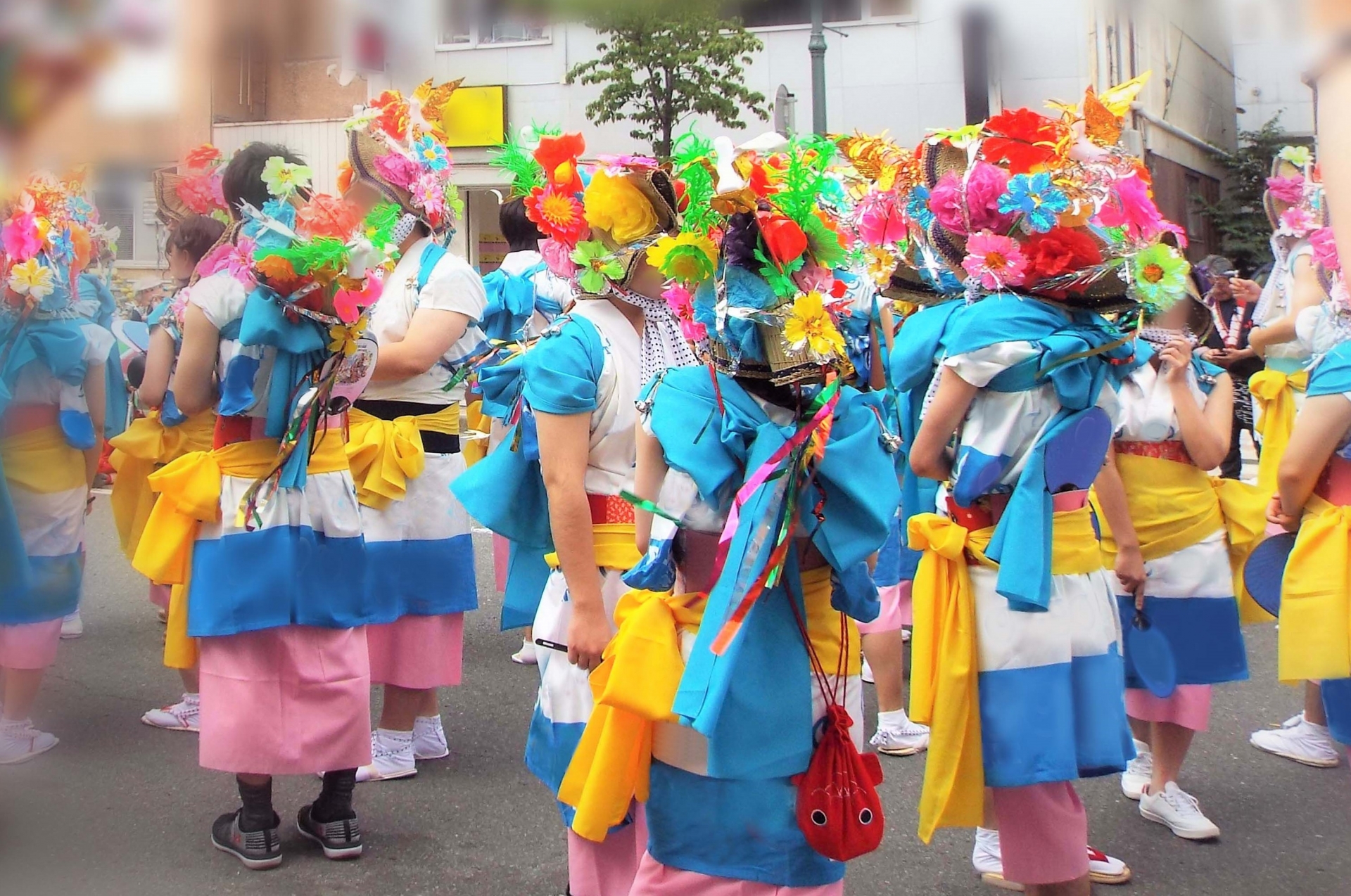
The first time I went to the Nebuta Matsuri in Aomori back in 2021, I stood behind a metal barricade for three hours. I was hot, my feet hurt, and I was watching these massive, glowing paper floats roll by while thousands of people in bells and straw hats danced like they’d just won the lottery. I felt like a kid looking through a candy store window. By 2026, I’ve learned my lesson: in Japan, the festival isn't something you watch—it's something you do. Last summer, I finally rented the 'Haneto' dancer outfit, pinned a dozen tiny bells to my chest, and joined the fray. The energy is wild. You aren't just a tourist anymore; you’re part of the heartbeat of the city. I remember the exact second the 'Rassera! Rassera!' chant started and the taiko drums hit my chest like a physical weight. I didn't know the steps, but a grandmother next to me just grabbed my arm, laughed, and told me to 'just jump.' So I jumped. For two hours. nnSeriously. Go early.
Top Rated
Aomori Nebuta Participation & Costume
Get the full Haneto dancer kit and a guided entry into the world's most vibrant fire festival. Includes professional costume fitting and a crash course in the 'Rassera' chant.
This is the only way to legally join the procession—don't get kicked out for being out of uniform.
Join the Dance ↗
If you want to feel that same rush, you absolutely have to book a participation-friendly tour or costume rental ahead of time because they sell out months before the first drum beats. Trust me, standing on the sidewalk after you've seen the view from inside the procession feels like watching a concert from the parking lot. It's loud, it's chaotic, and you will be drenched in sweat within twenty minutes, but it’s the most 'alive' I’ve ever felt in Japan. I even managed to drop one of my bells—a sign of good luck, apparently—though at the time I just felt bad for whoever had to sweep it up later. Don't be the person with the selfie stick on the curb; be the person in the happi coat making the noise. The smell of charcoal-grilled squid and the humid night air mixing with the rhythmic chanting is something no 4K video can ever capture. You have to be in it to get it.
If you’re doing the Nebuta in Aomori, buy extra safety pins. The rental shops give you the bare minimum, and your bells will fly off into the crowd within the first ten minutes if you don't double-anchor them.
What You Need to Know Before You Put on the Happi
Let’s get real for a second—participating in a 'matsuri' isn't just a casual stroll. It’s an endurance sport. Whether you’re joining the Awa Odori in Tokushima or a smaller neighborhood shrine carry (mikoshi) in Tokyo, there’s a level of physical commitment that the brochures don't mention. I made the rookie mistake of wearing brand-new flip-flops my first time. Big mistake. Huge. The asphalt is unforgiving, and you’ll be doing a lot of rhythmic hopping. Most festivals require a specific 'happi' (festival coat) or 'yukata' style. If you show up in a T-shirt trying to join a formal procession, the organizers will politely (or not so politely) steer you back to the sidewalk. You need to look the part to play the part. nnOh, and here's what most people miss:
Walking Distance
Stay Near the Gion Action
The Gion area in Kyoto is the epicenter of the festival. Staying here means you can walk to the evening 'Yoiyama' festivities and retreat to AC when the heat gets too much.
Trains in Kyoto during Gion Matsuri are a literal nightmare—staying within walking distance is a sanity-saver.
Find Hotels ↗
Staying at a hotel right on the festival route is a total game-changer because finding a taxi or a train after the event ends is basically impossible—it’s like trying to leave a stadium after the Super Bowl, but every street is blocked by a giant glowing float. I once walked four miles back to my guesthouse in Kyoto because I didn't plan my exit strategy. Also, learn the chant! It’s usually only two or three words, but screaming it with five hundred other people is where the magic happens. In Kyoto’s Gion Matsuri, it’s more about the 'Yoisa!' during the massive wooden floats' turns. It’s heavy, it’s slow, and the tension in the air is thick enough to cut with a katana. You’ll see the 'wheel-turners' splashing water on the ground to help the massive wooden wheels slide—it’s a feat of engineering that makes you realize how little we’ve actually improved things in the last 400 years. You'll feel the heat radiating off the crowds, but the collective focus of the float pullers is mesmerizing.
Hydrate like your life depends on it. Most festivals happen in the peak of the Japanese summer humidity. Drink a Pocari Sweat every hour, or you'll be the person the paramedics have to carry out of the procession.
The Practical Stuff: How to Actually Get In
So, how do you actually get into the line? For the Aomori Nebuta, it’s surprisingly easy: if you’re wearing the official Haneto costume, you can just walk into the designated starting areas. No registration required for individuals. On top of that, for the Gion Matsuri or the more exclusive 'Awa Odori' stages, you usually need to book a spot with a 'Ren' (a dance troupe) or buy a participation ticket through a travel agency. Prices for these experiences usually range from 5,000 to 15,000 yen, which typically includes your costume rental and a small 'participation' fee. If you’re looking for the most beginner-friendly experience, I’d point you toward Tokushima’s Awa Odori in mid-August. They have 'Niwaka-ren' groups specifically for tourists where they teach you the basic steps for thirty minutes before you hit the streets. nnIt’s hilarious, slightly embarrassing, and 100% worth the price of admission. The language barrier is almost non-existent during these events because, honestly, nobody can hear anything over the flutes and drums anyway. Just watch the person in front of you and mimic their hands. If you mess up, just smile and keep moving. The locals love seeing foreigners actually putting in the effort rather than just filming everything on their phones. I’ve had total strangers hand me cans of beer and grilled squid just because I was wearing the same neighborhood happi as them. That’s the kind of hospitality you won't find at a theme park. Just remember to book your accommodation at least six months in advance—I’m not joking. By the time you’ve decided you want to go, the rooms are already gone. You'll want to check the 2026 schedules early, as some cities are moving toward lottery systems for the most popular participation slots.
Check the local tourism board websites in May. That’s when the 'participation' slots for the big August festivals usually open up for booking. If you wait until July, you’re stuck on the sidewalk.