The Moment I Realized I’d Been Doing Japan All Wrong
I remember my first 'real' night in a Kyoto Machiya back in 2021. I’d spent years staying in sleek, glass-and-steel hotels in Shinjuku, thinking that was the peak of the Japan experience. Then I hauled my oversized suitcase over a stone threshold in a back alley of Gion, and everything changed. The first thing that hits you isn't the sight—it’s the smell. It’s a mix of dried rush grass (tatami), old cedar, and a hint of incense that seems baked into the walls. I dropped my bags, and for the first time in five years of living here, I actually felt like I was *in* Japan. No traffic hum, just the sound of a bamboo water feature in the tiny courtyard garden. nnBut let’s be real: it wasn't all Zen and cherry blossoms. I made the classic rookie mistake of trying to walk on the tatami with my slippers on. My host, a tiny woman who looked like she’d seen a thousand clumsy foreigners, gave me a look that could have curdled milk. 'No slippers on the grass,' she whispered. I felt like a giant, bumbling idiot. And then there were the stairs. If you’ve never climbed a traditional Japanese 'staircase-cabinet' (tansu-kaidan), imagine trying to scale a vertical wall of drawers while holding a laptop bag. I almost took a header into the kitchen on night one. nnBut when I woke up the next morning and saw the light filtering through the shoji paper screens, I didn't care about the bruises. It was the first time I felt like I wasn't just observing the culture, but actually breathing with it. If you want to experience this properly, you really need to book a curated architectural tour or a stay through a specialist who knows these old bones.
Top Rated
Traditional Machiya Architecture Tour
Go behind the scenes of Kyoto's 'hidden' houses with a local expert. You'll learn the secrets of the 'eel's nests' and visit private residences not open to the public.
The best way to understand the history before you actually sleep in it.
Book Tour ↗
Trust me, having someone explain why the ceiling is that specific height makes the creaks feel like history, not just old wood. I’ve stayed in dozens since, from the snowy farmhouses of Hida to the seaside huts in Setouchi, and every single one has a story that a hotel room simply can't replicate.
The walls in these old houses are paper-thin. Literally. If you're a loud snorer or traveling with a rowdy group, your neighbors (and the locals living next door) will hear everything. Keep the late-night chatter to a whisper.
The Reality Check: What They Don't Tell You in the Brochures
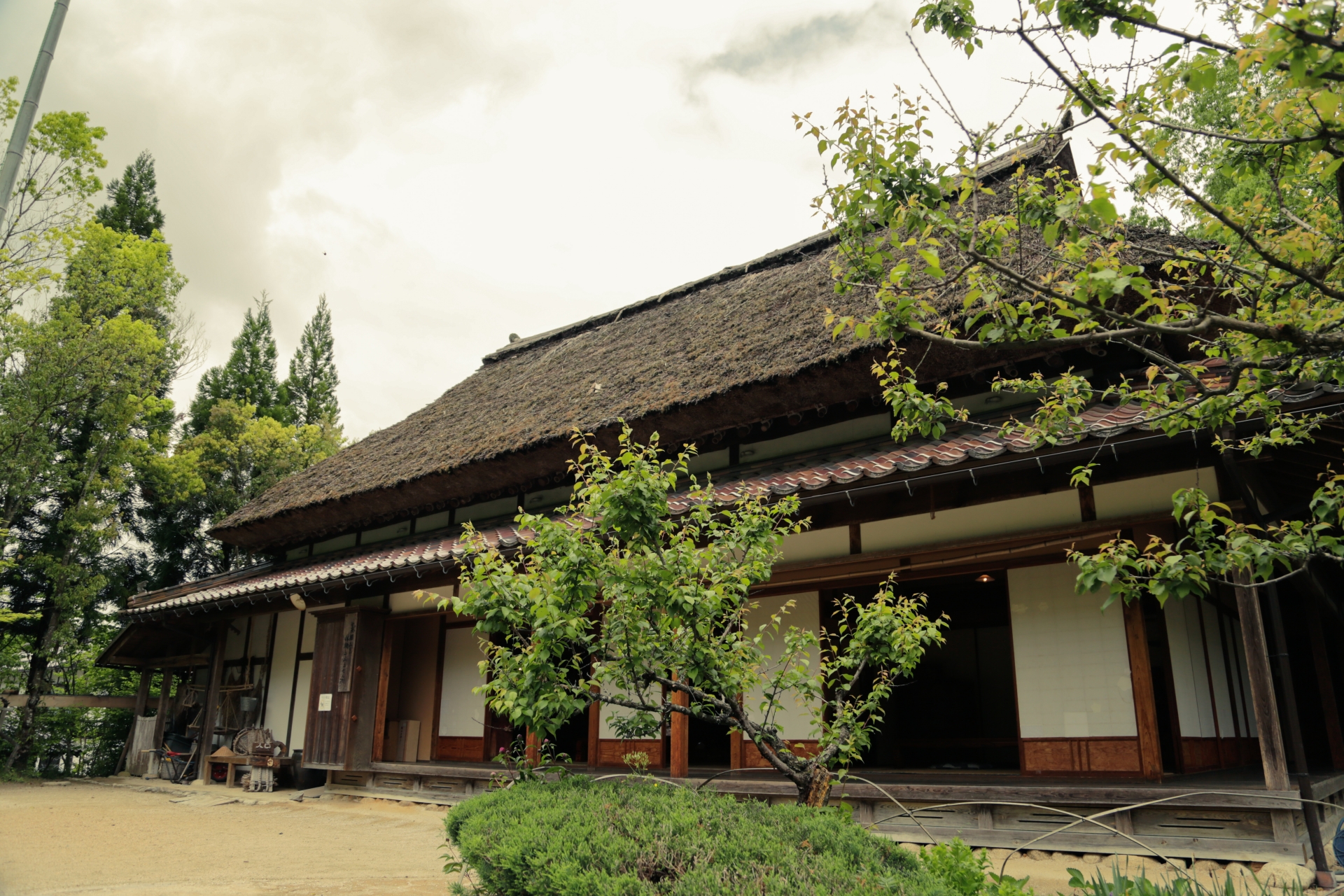
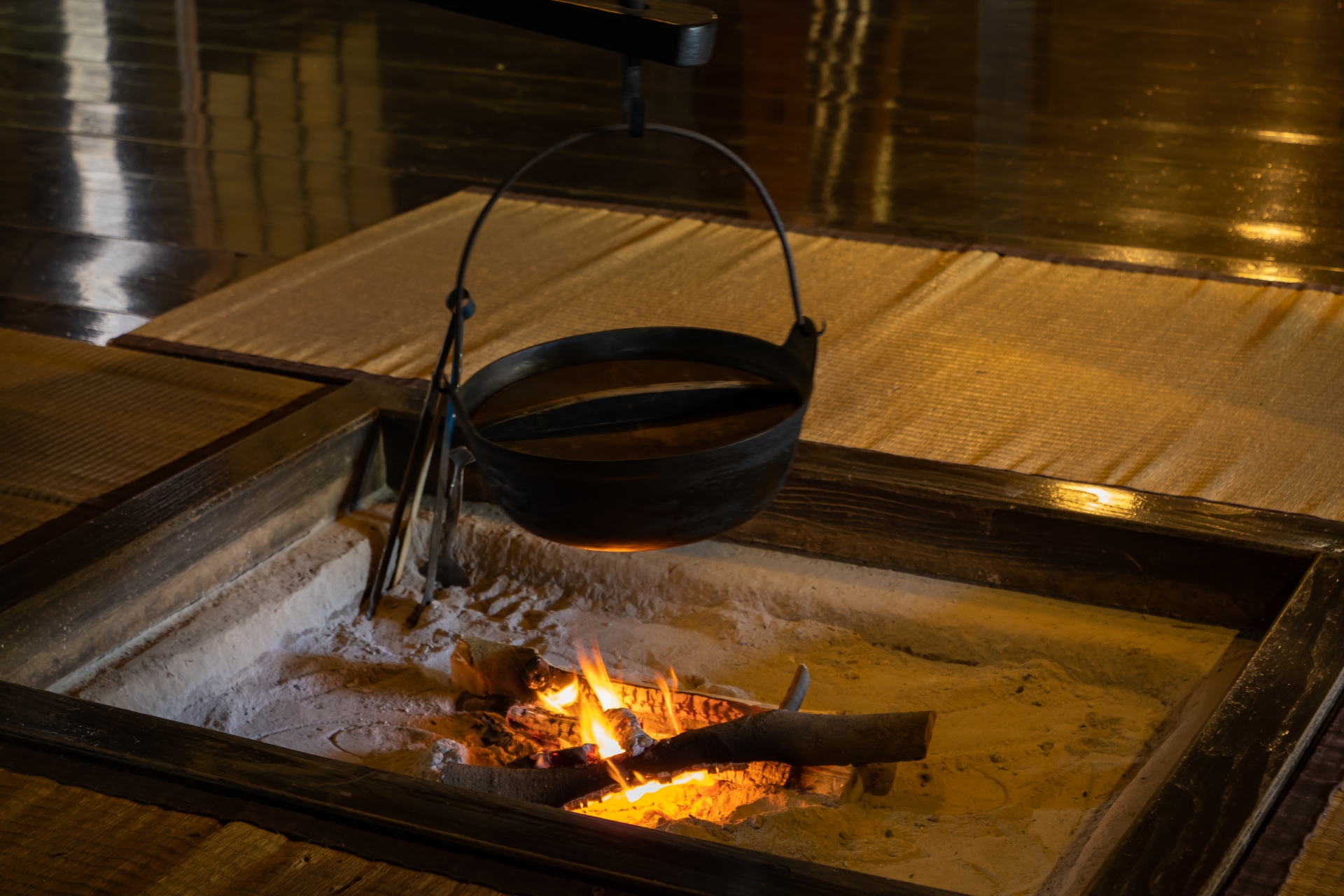
Look, I’m going to be the honest friend here. Staying in a Kominka (an old folk house) or a Machiya is an exercise in compromise. You are trading central heating and soundproofing for soul and aesthetics. In the winter? It is freezing. I stayed in a beautiful place near Takayama last February and I had to wear three layers of Uniqlo Heattech just to walk to the bathroom. These houses were designed to stay cool in the humid Japanese summers, which means in January, they are basically high-end refrigerators. nnBut that’s where the magic of the 'Irori' comes in. Sitting around a sunken hearth, watching the smoke curl up toward the blackened rafters that have been there since the Edo period—that’s a core memory right there. nnOh, and you also need to be prepared for the 'stealth' costs. Many of these places are managed by small local preservation groups, so they don't have 24-hour lobbies. I once missed my check-in window by twenty minutes because I got lost in the labyrinth of Kyoto’s Shimogyo ward, and I had to wait an hour for a staff member to bike back over and let me in. Don't be that person. Plan your arrival like a military operation. Most of these stays offer incredible local breakfast spreads—think grilled fish, miso soup with local mountain vegetables, and rice so good you’ll want to cry. It’s usually an add-on, but skip the Starbucks and pay for the breakfast. It’s often served on lacquerware that's older than your grandparents. When you're looking for a place to settle in for a few nights, check the listings in Gion or the Higashiyama area for the most authentic vibes.
Authentic Stay
Stay in a Private Kyoto Machiya
Rent an entire traditional townhouse in the heart of Gion or Higashiyama. Features include private gardens, cypress wood baths, and authentic tatami rooms.
These private villas sell out months in advance for cherry blossom season.
Find Machiya ↗
Just make sure you check the 'modern amenities' section—some have been renovated with hidden floor heating and Toto washlets, which, honestly, is the only way to survive a Japanese winter in an old house.
Look for a 'Tsuboniwa' (tiny inner garden). If the listing doesn't mention one, you're missing out on 50% of the Machiya charm. It's the private lung of the house.
The Practical Guide to Not Ruining Your Stay
So, you’re sold on the idea? Great. Here is how you actually do it without losing your deposit or your mind. First, forget the idea of a 'cheap' Machiya stay. If it’s cheap, it’s probably a 'guesthouse' with 20 backpackers and one shared toilet. A true Machiya or Kominka stay is a premium experience because the maintenance on these wooden buildings is astronomical. Expect to pay anywhere from 30,000 to 80,000 yen per night for a private house. It sounds steep until you realize you’re essentially renting a private museum. nnIn terms of location, Kyoto is the capital of Machiya, but it’s also crowded. If you want something more rugged, head to the Hida region (near Takayama and Shirakawa-go). The houses there are 'Kominka'—larger, sturdier, and built to withstand heavy snow. If you’re a fan of the sea, the islands of the Seto Inland Sea have started converting old fisherman huts into stunning minimalist retreats. nnMost of these places now have English support, but it’s still helpful to have a translation app handy for the instructions on how to use the ancient-looking (but actually high-tech) water heaters. Duration? I always tell people to stay at least two nights. One night is just enough time to figure out how the locks work and get used to the smell of straw. The second night is when you actually start to relax and feel the rhythm of the neighborhood. You’ll find yourself nodding to the local shopkeeper who’s been selling tofu on that corner since 1970. That’s the moment you realize you aren't a tourist anymore; you're a temporary resident. And honestly? That’s the best way to see Japan.
Pack light. Dragging a 30kg hardshell suitcase across a 200-year-old wooden floor is a great way to make enemies. Use a luggage forwarding service (Takkyubin) to send your big bags to your next big hotel and just bring a overnight bag to the Machiya.