Why I Loved This (And Why My Hamstrings Didn't)
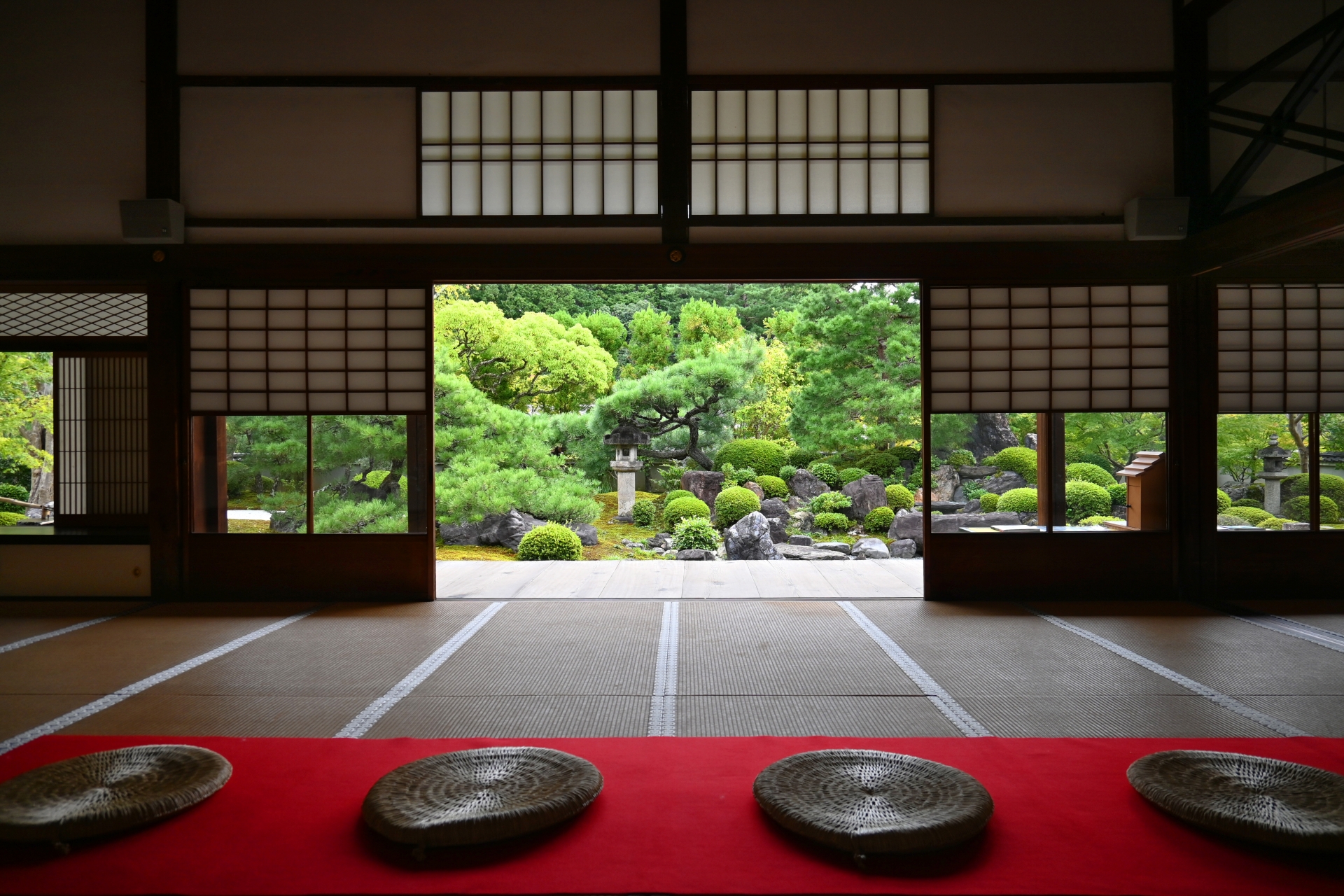
The fly was mocking me. It had been doing laps around my nose for six minutes, and according to the rules of Zen, I wasn't allowed to swat it. I was sitting on a cold wooden floor in a sub-temple of Kennin-ji, the oldest Zen temple in Kyoto, trying to reach enlightenment—or at least trying not to sneeze. My first Zazen experience wasn't some cinematic moment with cherry blossoms falling in slow motion. It was loud, it was itchy, and my left foot had gone completely numb about ten minutes in. I’ve lived in Japan for over five years now, and I still remember that first session like it was yesterday—mostly because of the pins and needles. But then, something weird happened. The monk walking behind us with a flat wooden stick—the 'keisaku'—stopped. I bowed, he tapped my shoulders with the stick (it’s a wake-up call, not a punishment, I promise), and suddenly the chatter in my brain just... stopped. For the first time in three years of living in Japan, I wasn't thinking about my visa, my grocery list, or the humid heat outside. I was just there.
Top Rated
Book a Zen Experience
Join a guided Zazen session with an English-speaking monk in a 400-year-old Kyoto sub-temple. Includes a private garden tour and a bowl of whisked matcha to ground your senses.
English-led sessions are rare and sell out months in advance—secure your spot to actually understand the philosophy.
Book Now ↗
And here's the thing: it’s a visceral, physical kind of peace that you can’t get from an app on your phone. Most people come to Kyoto to take photos of temples, but sitting in one is a completely different beast. You hear the wind hitting the paper screens, the distant sound of a rake on gravel, and the rhythmic breathing of twenty other people trying just as hard as you are to be still. It’s awkward at first. You’ll feel like a fraud. You’ll wonder if you’re doing it wrong. But when that session ends and you stand up (carefully, because of the numb feet), the world looks about 20% sharper. I’ve done this a dozen times now, and every time I walk out of that gate, I feel like I’ve hit a factory reset button on my soul. It’s not about being a Buddhist; it’s about proving to yourself that you can actually survive without your phone for an hour. Seriously. Go early. You'll thank me when you see the morning light hitting the moss gardens before the crowds arrive.
If your leg starts falling asleep, don't panic. Gently shift your weight before the session starts, but once the bell rings, try to stay frozen. The pain is part of the 'fun'—or so the monks tell me.
What You Need to Know Before You Sit
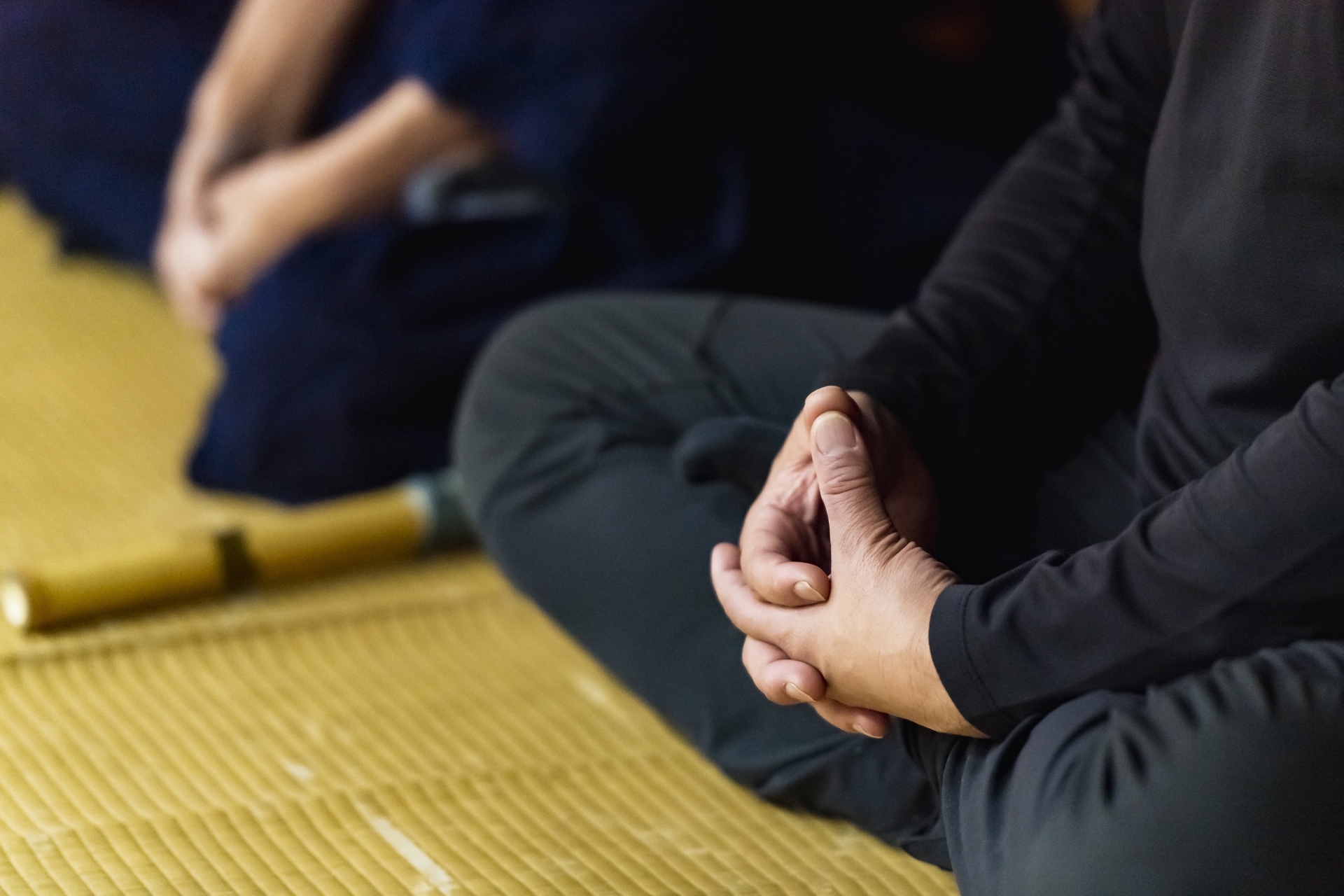
First off, let’s talk about the 'stick.' In the Rinzai sect of Zen, the monks carry a wooden slat called a 'keisaku.' If you’re nodding off or your mind is wandering, you bow, and they give you a sharp thwack on the fleshy part of your shoulders. I know, it sounds like some medieval hazing ritual, but it actually feels amazing. It’s like a high-velocity massage that clears your head instantly. My mistake the first time was being too scared to ask for it; now, I’m the first one to bow when the monk walks past. You’ll be sitting on a 'zafu,' a firm round cushion. Don't try to do a full lotus position if you aren't a yoga master. A simple cross-legged sit is fine, or even a 'seiza' (kneeling) position if the temple allows it. Just don't wear skinny jeans. I once saw a guy try to do Zazen in tight denim and I’m pretty sure I heard his seams screaming for mercy. Don't be that guy. Wear loose, dark clothing. Bright colors are distracting to others, and you want to blend into the shadows of the hall.
Walking Distance
Stay Near the Temples
Wake up to the sound of temple bells in Arashiyama or Gion. These traditional districts offer the quietest mornings and easiest access to 6 AM meditation sessions.
Avoid the brutal morning bus commute; staying local means you can walk to the temple in five minutes.
Find Hotels ↗
Most sessions start with a brief explanation of how to breathe—usually into your lower belly—and how to keep your eyes half-open, gazing at the floor about a meter in front of you. You aren't closing your eyes because that leads to daydreaming or napping. You’re staying present. On top of that, the silence is the loudest thing you’ll ever hear. You’ll notice the sound of your own heartbeat, the creak of the temple wood, and the birds outside. It’s intense, and honestly, it can be a bit emotional if you’ve been carrying a lot of stress. Don't be surprised if you feel a bit teary or incredibly frustrated in the first fifteen minutes. That’s just the 'ego' putting up a fight. Trust me on this, the frustration is where the actual work happens. You'll want to quit, but don't.
Go for the early morning sessions (usually 6:00 AM or 7:00 AM). The air in the temple grounds is completely different at dawn—crisp, silent, and totally devoid of the tourist crowds that arrive at 10:00 AM.
The Practical Stuff: Where to Go and How Much to Pay
If you’re in Kyoto, you’re spoiled for choice, but I highly recommend Shunkoin Temple in the Myoshin-ji complex. The head monk there, Rev. Takafumi Kawakami, speaks perfect English and explains the science behind meditation, which helps if you’re a skeptic like me. It usually costs around 2,500 to 4,000 yen and includes a tour of the temple and some matcha afterward. If you want something more 'raw' and traditional, Kennin-ji in Gion holds large sessions that are often cheaper (around 1,000 yen) but have less English guidance. Down in Kamakura, Engaku-ji is the place to be. It’s right next to the train station, but once you walk up those stairs, the city vanishes. Most sessions last about an hour, split into two 20-minute sits with a walking meditation (kinhin) in between. Do you need to book? For the popular spots like Shunkoin, yes, absolutely—they fill up weeks in advance. For the larger public sittings at places like Nanzen-ji, you can often just show up, but check their calendar first because they cancel for private ceremonies all the time. Is it worth the money? Look, you can sit on a pillow in your hotel room for free, but you won't have the 400-year-old atmosphere, the smell of high-grade incense, or a monk keeping you honest. It’s the difference between watching a concert on YouTube and being in the front row. Oh, and here's what most people miss: the walking meditation is actually the hardest part. Keeping that same focus while moving your feet is a trip. If you’re doing a trip to Japan in 2026, this will likely be the hour you remember most vividly, simply because it’s the only hour where you aren't 'doing' anything. And in a world as loud as ours, that’s a luxury.
After your session in Kyoto, walk 10 minutes to a local 'kissaten' (old-school coffee shop). The contrast between the silent temple and the clinking of coffee cups is the best way to transition back to reality.