The Day I Realized My Handwriting Was a Disaster
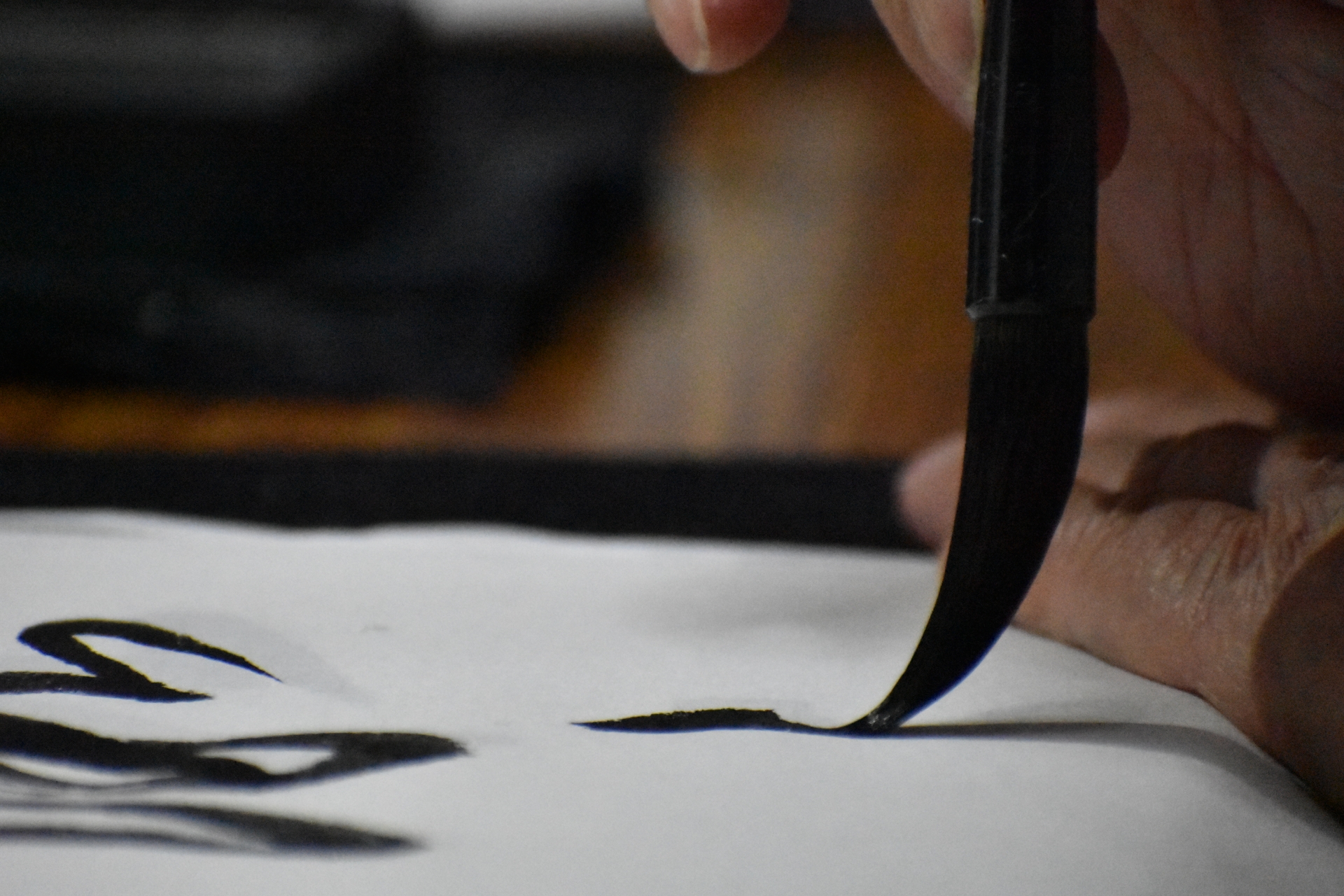
The room smelled like wet earth and old books, a scent that immediately told my brain to shut up for five minutes. It was a rainy Tuesday in 2021, and I was sitting in a tiny studio in Yanaka, Tokyo, facing a blank sheet of paper that felt far too white and far too expensive. My teacher, Tanaka-sensei, was a woman who looked like she had reached a level of inner peace I hadn't even read about in books. She handed me a brush—a 'fude'—and told me we were going to write the character for 'Eternal.' Simple, right? Wrong. My first attempt looked like a spider had fallen into an espresso and then suffered a mid-life crisis on the page. I felt that familiar heat in my cheeks—the 'I’m a clumsy foreigner' blush. But Tanaka-sensei just laughed, a soft sound that bounced off the tatami mats, and told me that the ink never lies about your heart. If your heart is racing, the line is jagged. If you're holding your breath, the stroke is thin. nnI’ve lived here for over five years now, and I’ve done the robot cafes and the go-karts, but nothing felt as 'Japan' as that moment of trying to synchronize my breathing with a bamboo stick. You aren't just drawing; you're performing. There’s no 'Ctrl+Z' in Shodo. Once that ink hits the 'hanshi' paper, it’s there forever. It’s terrifying, and honestly, that’s why I loved it. It forces you to be present in a way that scrolling through TikTok never will. I ended up booking a session through a local workshop
Top Rated
Traditional Calligraphy Class
A 90-minute deep dive into the art of Shodo. You'll learn to grind your own ink, master basic strokes, and create a final masterpiece on a 'shikishi' board to take home.
This is the most authentic way to bring a piece of Japanese culture home that isn't a plastic keychain.
Book Your Spot ↗
and it changed how I looked at every sign and temple inscription in the city. By the end of the hour, I wasn't just making lines; I was feeling the friction of the brush against the paper. It’s visceral. It’s messy. And yeah, I got ink on my favorite white shirt because I’m an idiot who forgot that ink is, well, permanent. Don't be like me. Wear black. But even with the stain, that piece of paper—my slightly wobbly 'Eternal'—is still framed on my wall today. It’s the only souvenir I have that actually feels like I earned it. Seriously. Go early and just soak in the silence before the class starts. It makes a difference.
Wear dark colors! Japanese ink (sumi) is made from soot and glue; it is literally designed to stay forever. If you get it on your light-colored clothes, consider those clothes retired.
What You Need to Know Before You Pick Up the Brush
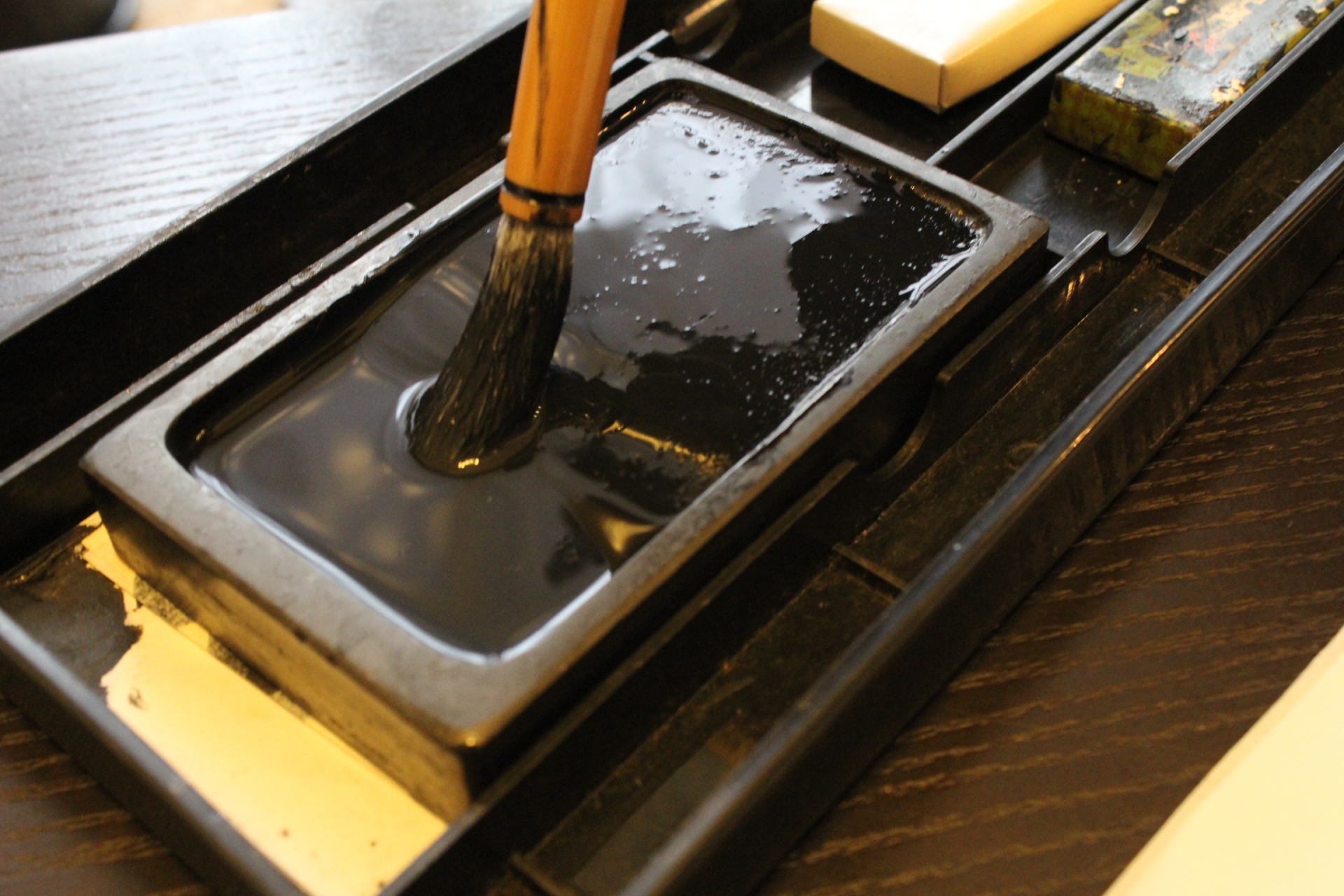
Look, you’re going to be tempted to just 'wing it' and try to draw a dragon or something complex. Don't. Start with the basics. Most classes will have you practice the 'Eight Principles of Yong'—basically the foundation strokes of calligraphy. The most surprising thing for me wasn't the brushwork, though; it was the ink. You don't just pour it out of a bottle in the high-end classes. You grind it. You take an ink stick ('sumi'), add a few drops of water to an ink stone ('suzuri'), and you rub. It takes about ten minutes of repetitive, circular motion. At first, I thought, 'Can we just get to the painting?' But then I realized the grinding is the meditation. It prepares your mind. By the time the ink is thick and glossy, your heart rate has dropped, and you're actually ready to focus. nnAnd here's the thing: the posture is a killer. You’re usually sitting on 'seiza' (kneeling) or on a chair, but your back has to be straight as a rail. Your non-dominant hand holds the paper down, and your dominant hand holds the brush vertically—not slanted like a pen. It feels awkward as hell for the first twenty minutes. My arm started shaking about halfway through because I was gripping the brush like I was trying to choke it. Tanaka-sensei had to come over and literally peel my fingers off. 'Hold it like an egg,' she said. 'Firm enough not to drop it, soft enough not to break it.' That’s the kind of Yoda-level advice you get in these workshops. nnI’ve seen people get frustrated because they want their Kanji to look like a computer font. Trust me, the beauty is in the 'wabi-sabi'—the imperfection. My 'mountain' character looked a bit lopsided, but the teacher pointed out that the 'splash' at the end of the stroke had 'good energy.' I’ll take it. After the class, I usually recommend staying in a traditional area like Asakusa to keep the vibe going
Walking Distance
Stay in Historic Asakusa
Stay in the heart of Tokyo's 'Low City.' These hotels put you within walking distance of traditional craft studios, Senso-ji Temple, and some of the best street food in Japan.
Asakusa is the perfect home base for anyone who prefers wooden temples over glass skyscrapers.
Find Hotels ↗
. Walking out of a quiet calligraphy studio and straight into the incense-heavy air of Senso-ji Temple is a transition that just feels right. You'll start noticing the calligraphy on the lanterns and realizing just how much skill goes into those massive characters. It's like a secret world suddenly has subtitles. You'll thank me later when you can finally tell the difference between a printed sign and a hand-painted masterpiece.
Ask the teacher to write your name in 'Katakana' (phonetic Japanese) on a separate scrap of paper. It makes for a great reference if you want to practice your signature later at the hotel.
The Practical Stuff: Where, When, and How Much?
So, you’re sold on getting ink-stained and enlightened? Great. Here’s the deal on logistics for 2026. You can find these classes all over, but the experience varies wildly. Some are 'tourist-lite'—you show up, they give you a stencil, you're out in 30 minutes. Avoid those. You want a place that spends time on the history and the ink-grinding. In Tokyo, Asakusa and Yanaka are your best bets for that old-school atmosphere. In Kyoto, try to find a workshop in a 'Machiya' (traditional townhouse) in the Gion or Higashiyama districts. The creaky wooden floors and the view of a tiny moss garden while you work adds about 200% to the experience. nnPrice-wise, you’re looking at anywhere from 4,500 to 9,000 yen. The cheaper ones usually use bottled ink and plastic brushes. Spend the extra 2,000 yen for a place that uses real wolf or sheep hair brushes and solid ink sticks. It makes a massive difference in how the ink flows. Most classes last about 90 minutes, which is the 'Goldilocks' zone—long enough to learn something, short enough that your legs won't permanently lock in a kneeling position. Language support is usually pretty good in the big cities; many teachers have 'cheat sheets' in English explaining the strokes. But honestly, even if they don't speak a word of English, Shodo is a visual language. You watch, you mimic, you fail, you try again. nnI’ve done this three times now—once with my parents when they visited, and twice on my own when I just needed to unplug from the Tokyo neon. Every time, I walk out feeling like I’ve had a mental car wash. It’s one of the few things you can do in Japan that isn't about consuming something, but about creating something. On top of that, it's one of the few souvenirs that won't just collect dust. In a world of digital photos and fleeting 'likes,' having a physical piece of paper that you poured your focus into is worth every yen. Just remember: breathe, hold the brush like an egg, and for the love of everything holy, don't wear your favorite white clothes. You should also book at least a week in advance for the popular Kyoto spots.
If you're in Kyoto, look for classes that offer 'Gold Leaf' calligraphy. It's a bit pricier, but adding real gold flakes to your ink makes the final product look like it belongs in a museum (or at least a very fancy hallway).