The Moment I Stopped Feeling Like a Tourist
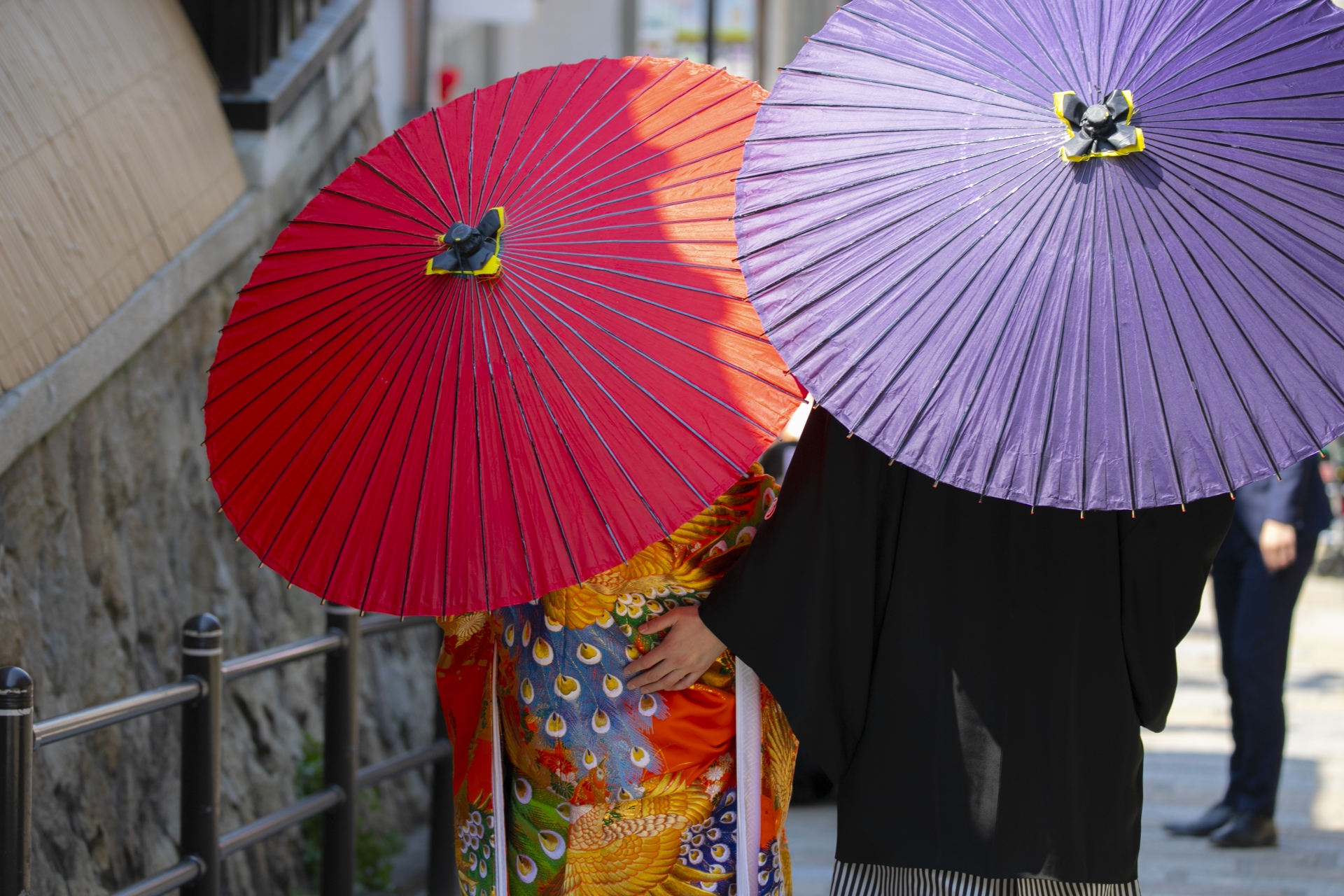
The first time I did this, I was a total cliché. I stood in a tiny back alley in Gion, Kyoto, while a woman half my size tightened a silk belt—an 'obi'—around my ribs until I wondered if lunch was a mistake. But then I looked in the mirror. I didn't see Alex the tired expat; I saw a version of myself that actually belonged in the 17th-century backdrop. It’s a weirdly powerful feeling. You stand taller—mostly because the wooden 'geta' sandals and the tight wrapping force you to—and the world slows down. I remember walking past a group of school kids who all shouted 'Kirei!' (Beautiful!) and for a second, I totally bought into my own hype. If you're looking to actually book this yourself, I'd suggest checking out the options for a professional kimono rental in Kyoto or Tokyo
Most Popular
Traditional Kimono Rental
Get the full royal treatment with a professional fitting, high-grade silk fabrics, and over 500 seasonal patterns. This isn't the cheap polyester stuff; it's the real deal that makes your photos look like a movie set.
The premium patterns are limited and get snatched up by 10 AM—grab the earliest slot to secure the best look.
Claim Your Style ↗
because the quality varies wildly between the 'fast-fashion' shops and the real-deal ateliers. I once went to a cheap place near the station and the fabric felt like a shower curtain. Never again. Trust me, pay the extra 1,000 yen for the 'premium' silk-blend. Your skin (and your photos) will thank you. nnBy 2026, the rules in Gion have changed a bit. You'll see signs everywhere warning you not to enter private alleys—seriously, don't be that person. The locals are protective of the Maiko and Geiko, and rightfully so. I found that sticking to the main stone-paved streets like Hanami-koji still gives you that 'lost in time' vibe without being disrespectful. The smell of the old cedar wood and the sound of your own wooden sandals clicking against the pavement is something you just don't get in sneakers. It’s sensory overload in the best way possible. Oh, and here's the thing: the 'obi' isn't just a belt. It’s a structural support system. By the third hour, you’ll realize your posture has never been better, mostly because slouching becomes physically impossible. It’s like a very fashionable, very expensive corset that makes you look like royalty. I spent about forty minutes just picking out the right shade of deep indigo to match the season. Most people rush this part, but I’d say take your time. The staff usually have an incredible eye for what colors pop against the temple walls. I’ve lived here five years and I still get a kick out of how a simple change of clothes can make a city I know by heart feel completely brand new.
Skip the shops right next to the main temple gates. Walk 10 minutes into the side streets; the rentals there are often higher quality and the staff won't rush you through the fitting like you're on a conveyor belt.
What You Need to Know Before You Shuffle
Let’s talk about the 'oops' moments. My biggest fail? Choosing the cheapest rental package in mid-August. Big mistake. Huge. I was basically wearing a polyester sauna. By the time I reached the Hokan-ji Temple (the famous pagoda), I was melting. Since then, I’ve learned: if it’s summer, get the high-end cotton Yukata; if it’s winter, pray for a thick shawl. Also, nobody tells you about the 'kimono walk.' You can't take normal strides. You have to do this sort of graceful shuffle. I tried to keep up with my friend who was in sneakers and nearly face-planted into a stone lantern near Senso-ji. It was embarrassing, but honestly? It’s part of the charm. You’re forced to be mindful of every step. You also need to think about where you're staying. You'll probably want to book a hotel in a traditional area like Gion or Asakusa
Expat Favorite
Stay in Historic Gion
Wake up in a beautifully restored machiya townhouse. You'll be steps away from the Yasaka Pagoda, meaning you can get your photos done before the midday crowds even finish their breakfast.
Gion's best traditional stays are usually fully booked 4-6 months in advance for the 2026 season.
Find Your Machiya ↗
so you aren't commuting an hour on a crowded train while wrapped up like a festive burrito. I once tried to take the subway in full gear and I've never felt more like a giant, colorful thumb in my life. nnOn top of that, the 2026 heatwaves are no joke. If you're visiting between July and September, the 'cool-tech' undershirts that some premium shops offer are a literal lifesaver. I remember one afternoon in Kanazawa where the humidity was so thick you could wear it. I had opted for the premium linen-blend yukata and it was the only reason I didn't pass out before my gold-leaf ice cream. Another thing: the shoes. 'Geta' or 'Zori' sandals are not built for hiking. If you have sensitive feet, those little toe-socks (tabi) are your best friends. I’ve seen tourists trying to wear them without socks and the blisters are... well, they're a tragedy. You'll want to plan your route so you aren't walking uphill for three miles. Stick to the flat, scenic areas. In Kyoto, that means the area around Yasaka Shrine. In Tokyo, it’s the backstreets of Asakusa where the old Edo vibes are still strong. You’ll find that people treat you differently when you’re dressed up. Shopkeepers are a bit more patient, and other tourists will definitely ask to take your photo. Just smile, nod, and try not to trip over your own hem. It’s a performance, and you’re the lead actor for the day.
Wear a V-neck undershirt or a tank top. The kimono collar is low in the back, and seeing a Hanes t-shirt peeking out is the ultimate fashion crime in the world of traditional Japanese dress.
The Practical Stuff: Booking and Logistics
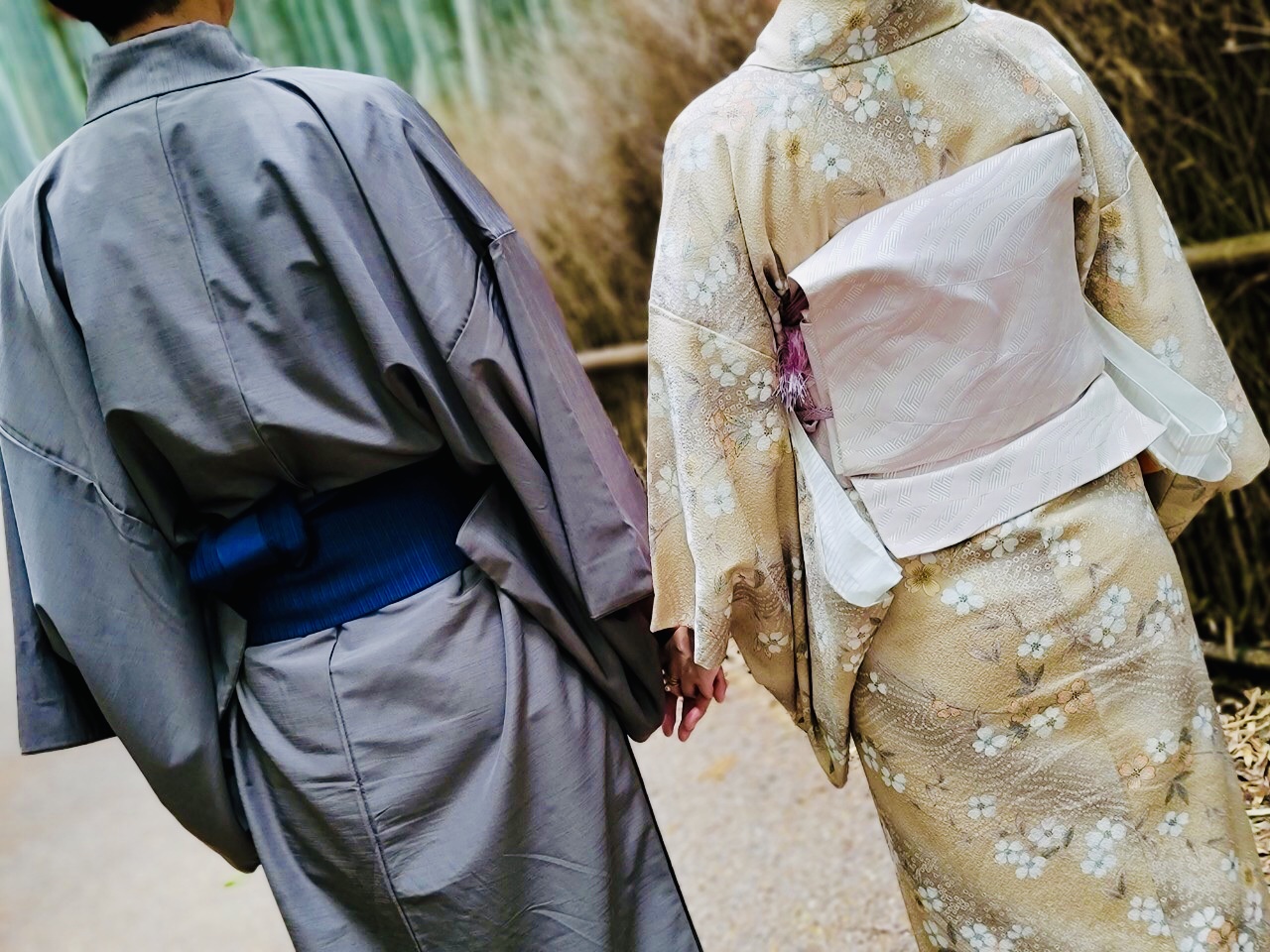
Practicality time. You’ll find these shops everywhere, but I’m partial to the ones in Kanazawa’s Higashi Chaya district—it’s way less crowded than Kyoto. Most rentals take about 30 to 45 minutes for the 'fitting.' Don't skip the hair styling; it's usually an extra 2,000 to 3,000 yen but it makes the whole look pop. Without it, you just look like someone in fancy pajamas. Most shops offer luggage storage, so you can dump your backpack and just carry a cute little matching drawstring bag they provide. Language-wise, by now in 2026, most places in the big tourist hubs have English-speaking staff or very efficient iPad systems for choosing your patterns. Prices usually hover around 5,000 to 10,000 yen depending on the fabric quality. My advice? Go for the 'Plan B'—the mid-range option. The cheapest ones look thin in photos, and the most expensive ones are basically museum pieces you'll be too scared to move in. nnAnd for the love of everything, go to the bathroom *before* they start the wrapping process. Trust me on this one. Untying and re-tying a kimono in a public stall is a level of Tetris nobody should have to play. I learned that the hard way during a tea ceremony in Uji. It was a nightmare. Oh, and here's what most people miss: the 'Taiko-musubi' knot. It’s that classic boxy shape you see on the back of an obi. Most cheap rentals just give you a simple butterfly bow, which looks a bit 'young.' If you want to look like you actually know what you're doing, ask for the Taiko style. It’s more sophisticated and, honestly, it feels more authentic. When you return the kimono at the end of the day, there’s this weird moment of deflation. You step out of the layers, the corset-belt comes off, and suddenly you’re just a regular person in jeans again. Your lungs expand, your feet stop aching, but you feel a little less magical. It’s a long day, and your shoulders might be a bit stiff from the weight of the fabric, but looking back at those photos at the end of the trip? Totally worth the struggle. Just make sure you book the earliest slot possible. The best patterns—the ones that don't look like your grandma's curtains—are usually gone by 10:30 AM. Be the early bird, get the silk.
If you're in Kyoto, ask for 'Taiko-musubi' style for the obi knot. It's the classic 'box' shape and looks much more sophisticated than the simple 'butterfly' bow that most tourists get.