The Moment I Realized I Wasn't as Zen as I Thought
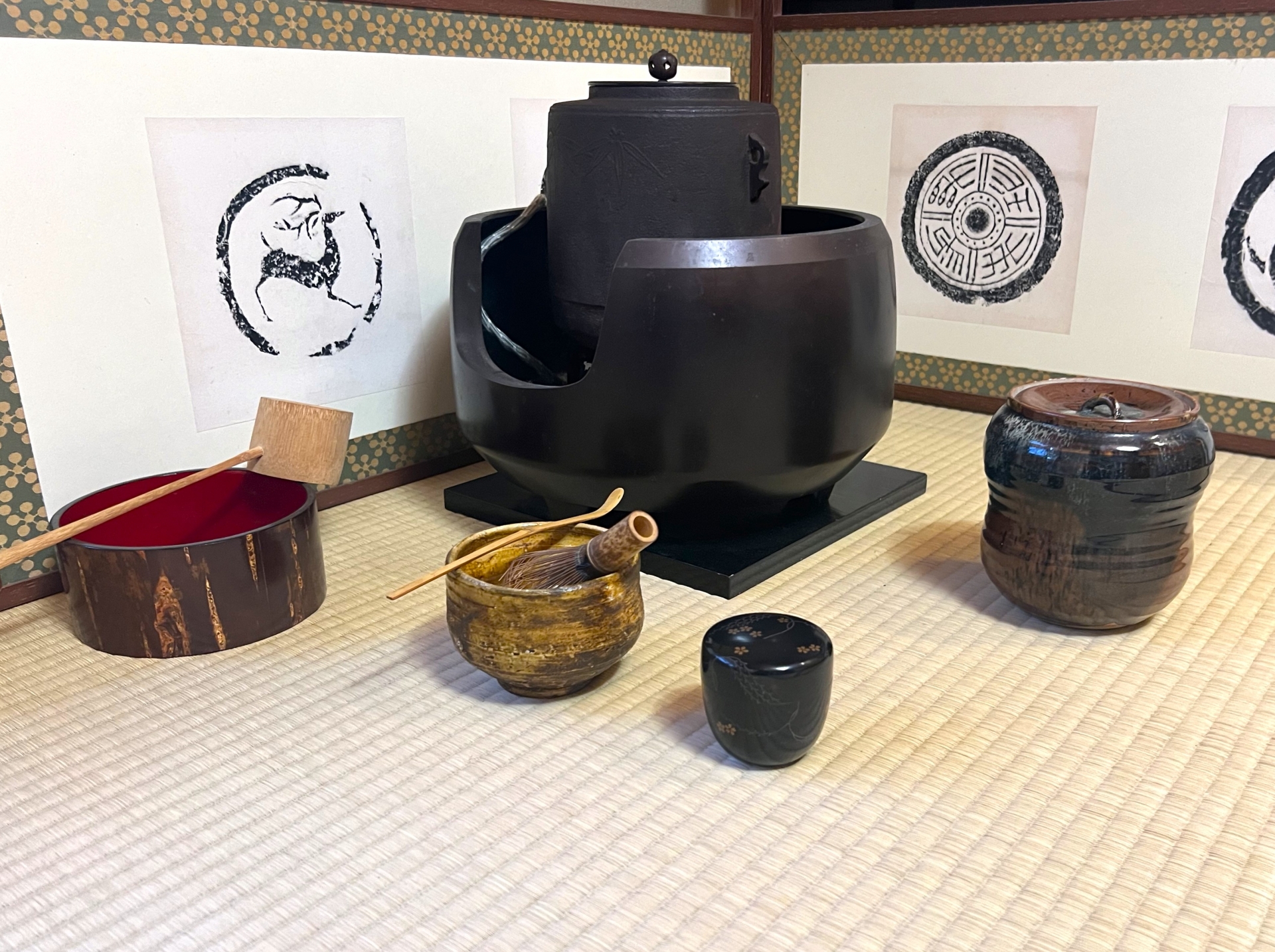
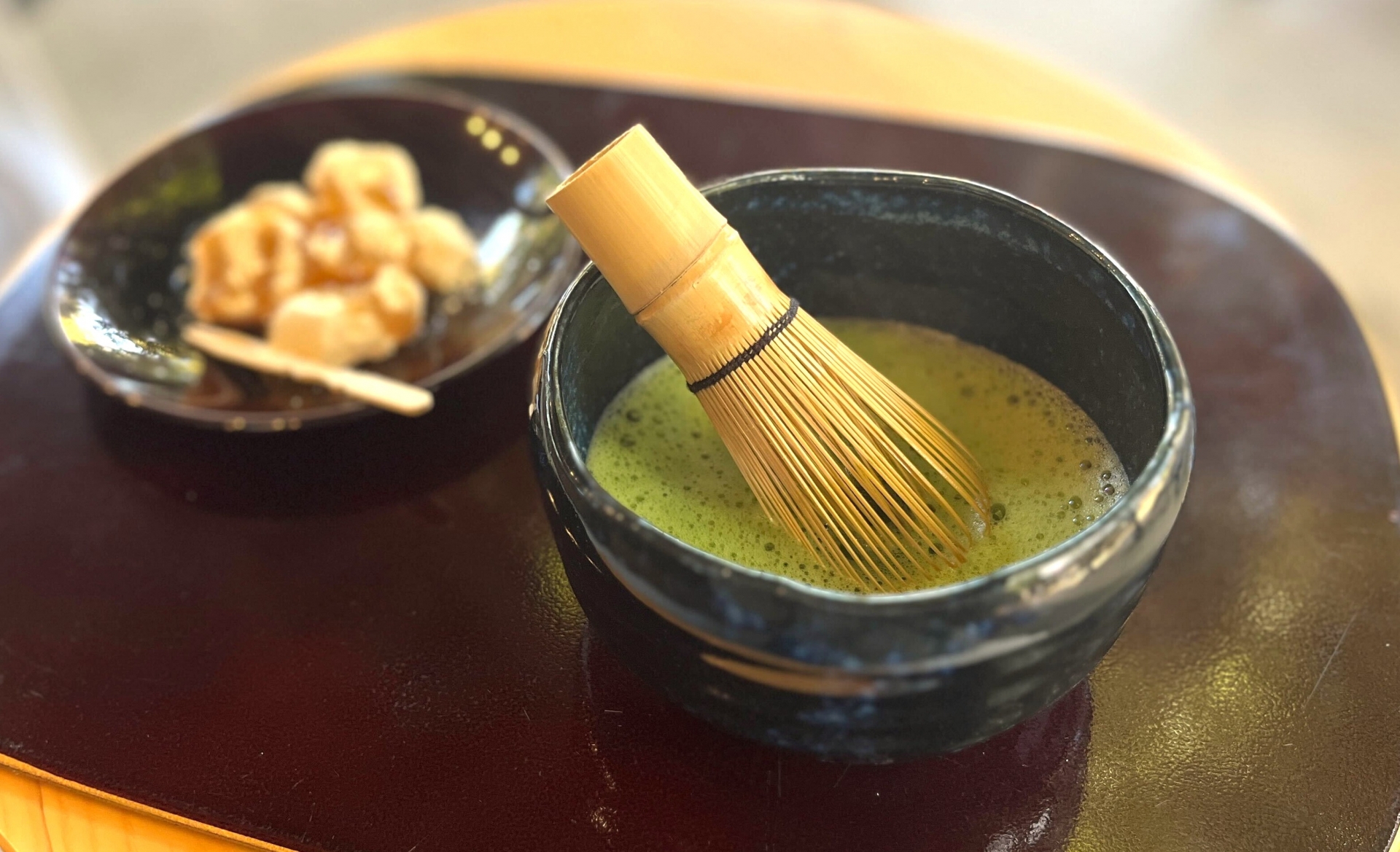
I still remember my first proper tea ceremony in a creaky machiya near Gion. I’d been living in Japan for two years and honestly thought I was 'local' enough to handle it without a guide. I wasn't. I showed up wearing stiff, raw denim jeans with zero stretch—mistake number one. As I sat down on the tatami, the silence was so heavy it actually made my ears ring. The room smelled of old cedar and a faint, sweet incense that I can still recognize today. My host, a woman whose grace made me feel like a total klutz, began the ritual with terrifying precision. Every movement was deliberate, from the way she folded the silk fukusa cloth to the way she cleaned the tea scoop. The sound of the bamboo whisk hitting the bowl—shaka-shaka-shaka—is one of the most hypnotic sounds in the world. It’s rhythmic and sharp. But about ten minutes in, my left foot went completely dead. I’m talking 'static-on-a-TV-screen' dead. I had to decide: do I maintain my dignity and potentially face-plant when I try to stand, or do I awkwardly shift and ruin the vibe? I chose the shift. The host didn't even blink, but I felt the judgment in my soul. Despite the pins and needles, when she finally handed me that bowl of bright green matcha, something shifted. The bitterness of the tea against the sugar-bomb of the wagashi sweet is a flavor profile that just works. It’s not just about drinking; it’s about the fact that for forty minutes, nobody looked at a phone. In 2026, that’s a goddamn miracle. If you want to experience that same digital detox, you can book a session at one of the highly-rated tea houses in Higashiyama
Top Rated
Traditional Tea Ceremony in Kyoto
Step into a historic Gion machiya for a ritual that hasn't changed in centuries. You'll get premium-grade matcha, a handcrafted seasonal sweet, and a host who actually explains the 'why' behind every movement.
This is the gold standard for authenticity in Kyoto—2026 spring slots are already disappearing.
Book Now ↗
and see if your legs are sturdier than mine. Just don't wear jeans. Seriously. Go for linen or something with a lot of give.
Wear thick, clean socks. You’ll be taking your shoes off, and nobody wants to see your 'day-three-of-hiking' toes in a pristine 400-year-old tea room.
What Actually Happens (And How Not to Look Like a Tourist)
People think you just walk in, get tea, and leave. It’s way more of a choreographed performance than that. First, you’ll usually get a little seasonal sweet called wagashi. These are often shaped like seasonal flowers or fruits—in spring, they look like tiny pink cherry blossoms. Eat the whole thing before the tea arrives. I once tried to save half to 'savor' it with the tea, and the host politely waited for me to finish before she even started pouring. It was the longest thirty seconds of my life. When the bowl (the chawan) is placed in front of you, you pick it up with your right hand, place it on your left palm, and—here's what most people miss—rotate it twice clockwise. This is to avoid drinking from the 'front' of the bowl, which is the most beautiful part. It’s a sign of humility. I once saw a guy just chug it like a shot of espresso. Don't be that guy. Take three sips, and on the last one, make a loud slurping sound. I know, your mom told you not to slurp, but here it’s a compliment. It tells the host the tea was so good you wanted every last drop. Honestly, the best part of the whole thing is the garden view. Most tea rooms are designed so the sliding doors frame a tiny, perfect moss garden. I’ve spent way too much money staying at ryokans just to get that specific view from my bed
Perfect Location
Stay Near the Tea Houses
Higashiyama is the soul of old Kyoto. Staying here means you can walk to your ceremony through empty stone streets at dawn before the tour buses arrive.
Staying in Higashiyama saves you from the 2026 traffic nightmare and puts you steps away from the best tea rooms.
Find Hotels ↗
, and I’d do it again in a heartbeat. It’s about the 'Ma'—the space between things. You’ll notice the host doesn't rush. Every drop of water is accounted for. It’s a level of focus that’s hard to find in the real world.
If you literally cannot sit on your heels (seiza), ask for a 'mori-isu' or a small stool. Most modern places have them now, and it’ll save you from the 'dead-leg' walk of shame.
The Practical Stuff: Where to Go and What to Pay
You can find 'tea ceremonies' for ¥1,500 in mall basements. Don't do it. It’ll feel like a cafeteria and you’ll leave disappointed. For a legit experience in Kyoto, expect to pay around ¥4,000 to ¥6,000 for a group session, or up to ¥12,000 for a private one in 2026. If you're in Kanazawa, head to the Higashi Chaya district—it’s less crowded than Kyoto and feels even more authentic. Most sessions last about 45 minutes, which is the 'sweet spot' before your legs give up. Language-wise, you'll want to check the booking details, but most top-rated spots have English-speaking hosts who explain every step. I actually prefer the ones where they don't talk too much; the silence is part of the 'flavor.' If you're traveling as a couple, go for a private session. It’s way more intimate and you won't have to worry about a stranger's camera shutter clicking in your ear while you're trying to find your inner peace. My personal favorite spots are the ones tucked away in Ninenzaka—they’re harder to find, but the atmosphere is unbeatable. You’ll have to navigate the crowds of tourists taking selfies on the stone steps, but once you step inside that gate, the noise just vanishes. Just make sure you book at least a week in advance, especially during cherry blossom or autumn leaf season, because these places are tiny and fill up fast. If you're coming from Kyoto Station, take the 206 bus, but give yourself an extra 20 minutes because Kyoto traffic in 2026 is no joke. Seriously. Go early.
Avoid booking sessions right at noon. The light is harsh for photos and the hosts are usually rushed. Go for the first slot in the morning (around 10 AM) or the last one in the afternoon (around 4 PM) for the best 'golden hour' garden vibes.