Saga
Welcome to Yoshinogari Park
Beneath the vast, cerulean skies of Saga lies Yoshinogari Park, a sprawling archaeological treasure that breathes life into the mysterious Yayoi period. As you traverse the elevated boardwalks, the scent of sun-dried thatch and the whispers of the wind through ancient watchtowers transport you to a forgotten era of chieftains and shamans. This is not merely a park; it is a profound temporal bridge. Feel the cool, grounded energy of the earthen moats and the spiritual weight of the burial mounds. Whether you are chasing the golden light of a sunset reflecting off reconstructed palisades or seeking the quiet dignity of Japan's earliest urban planning, Yoshinogari offers a sensory immersion that resonates deep within the traveler’s spirit. It is a place of stillness, power, and unparalleled historical clarity.
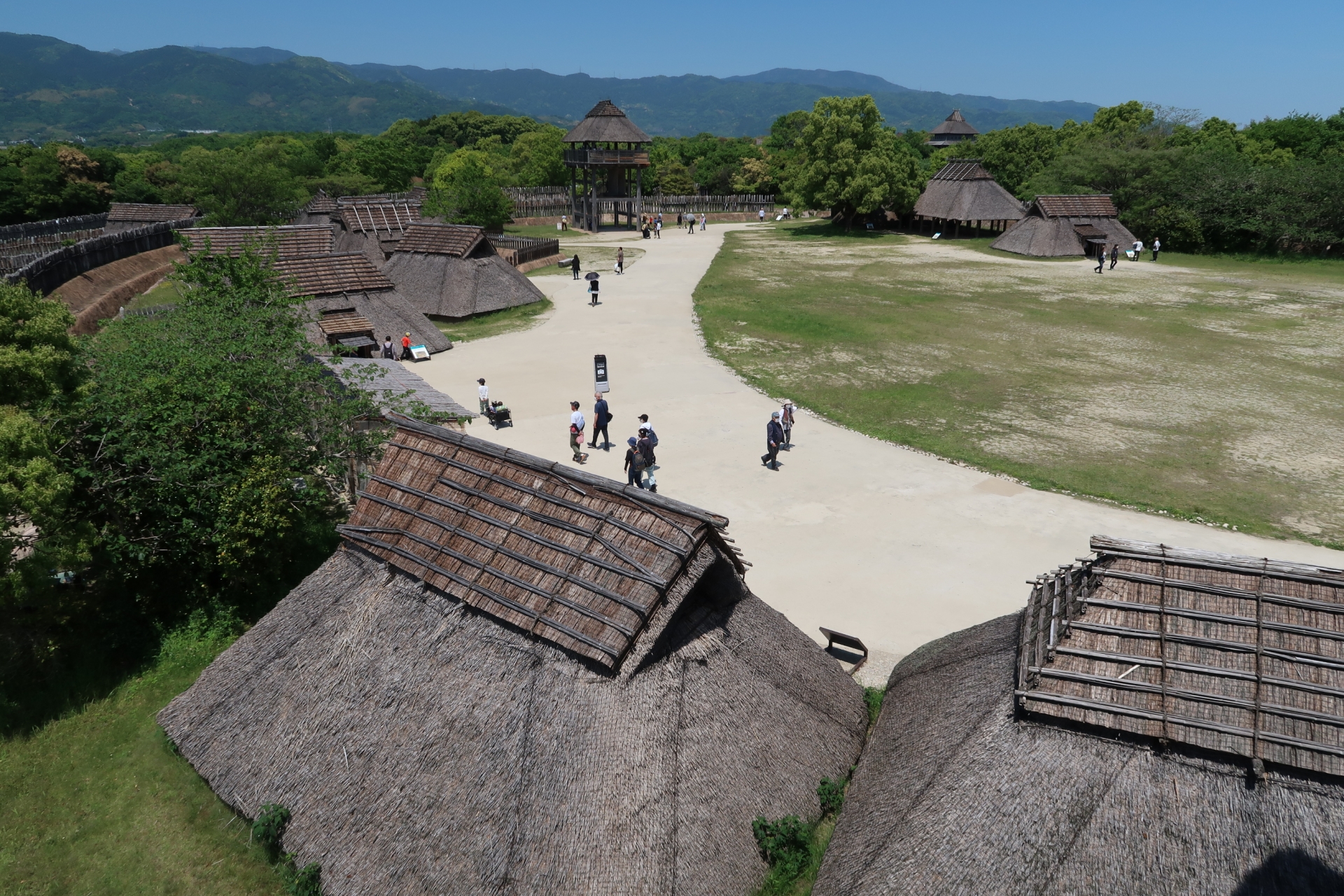
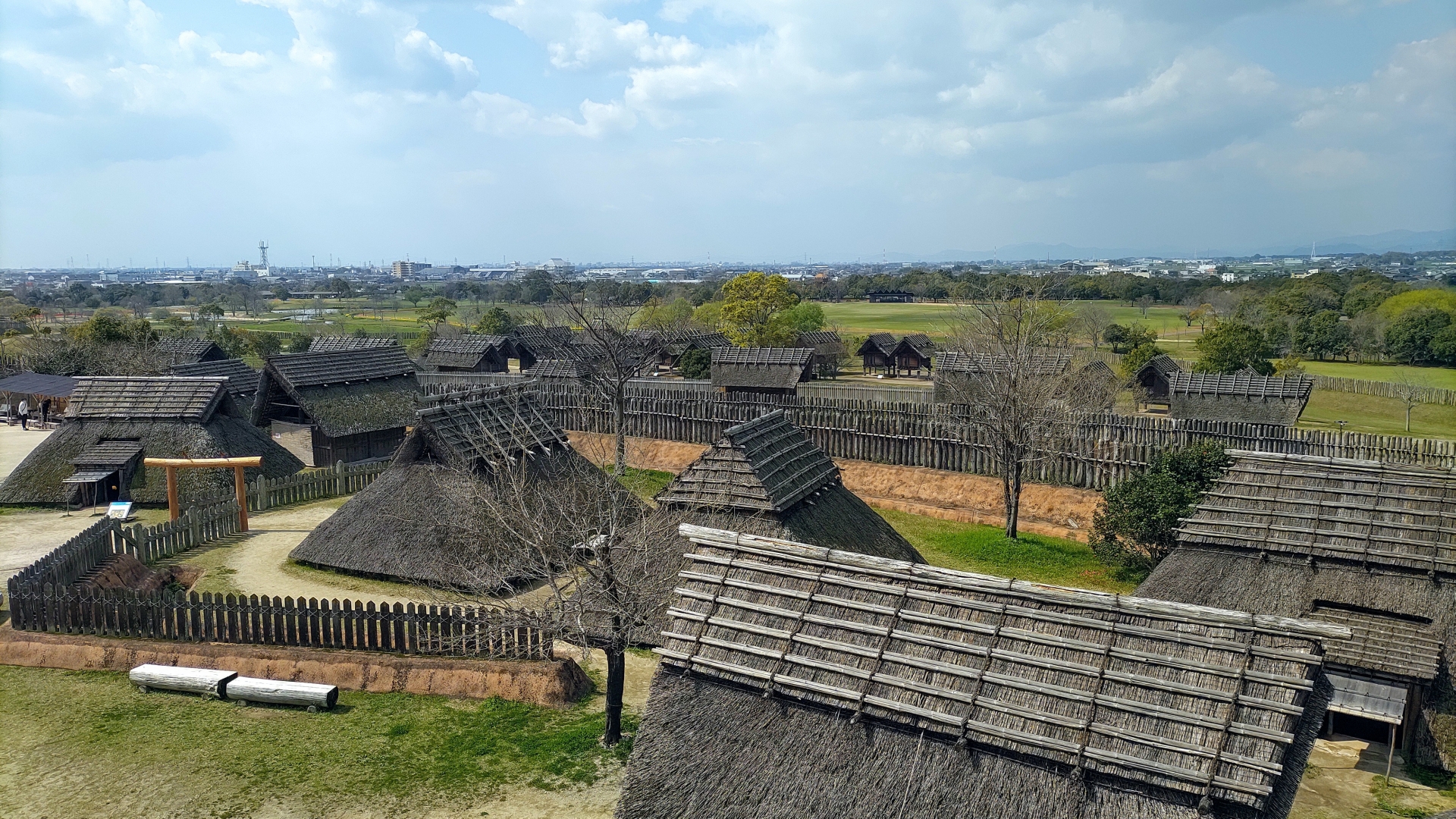
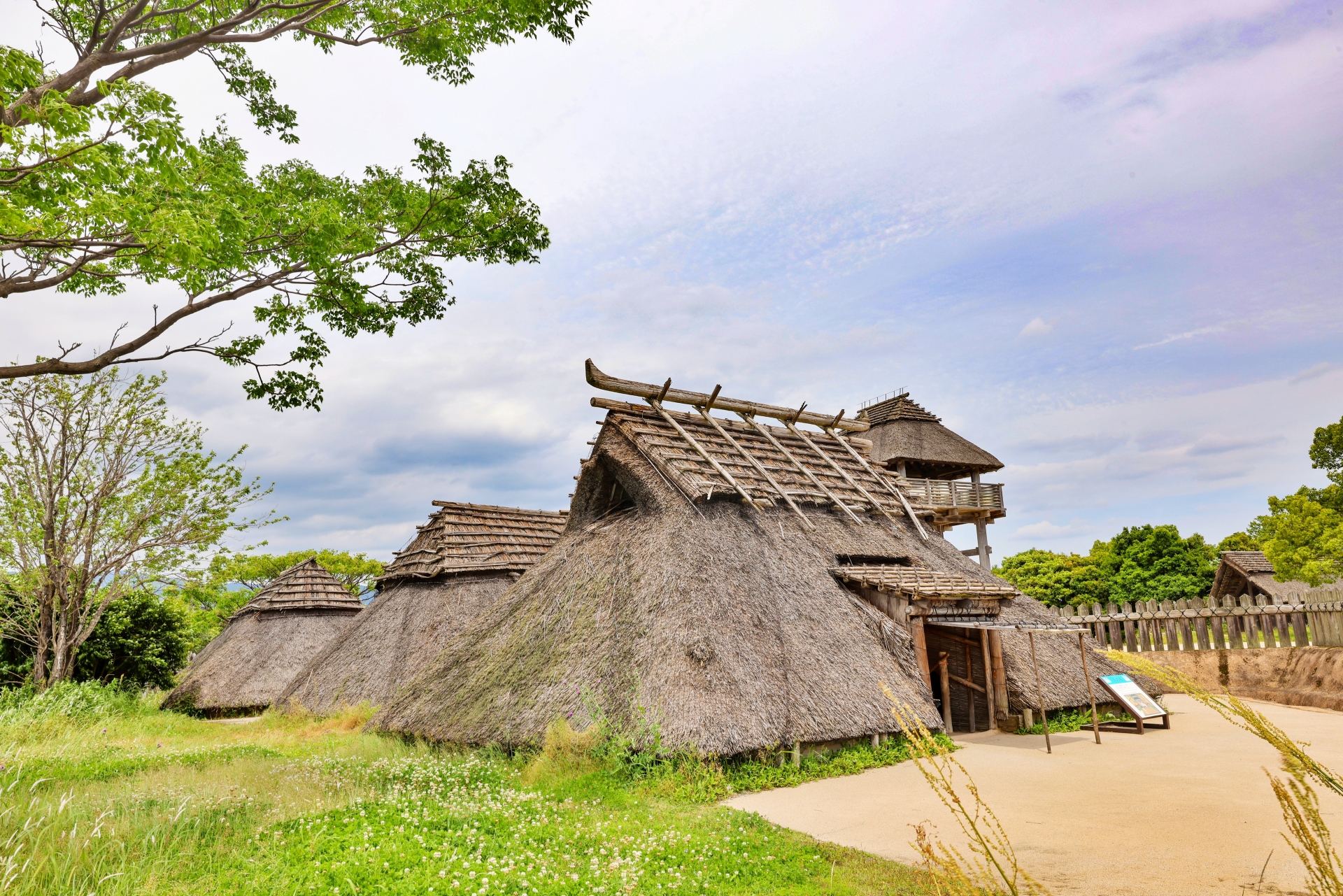
The Minami-Naiku (Inner Sanctuary)
The beating heart of the ancient settlement, the Minami-Naiku is where the ruling elite once resided. Ascend the towering, four-story watchtowers to behold a panoramic vista that hasn't changed its fundamental soul in two millennia. The craftsmanship of the reconstructed pit dwellings, with their heavy thatch and sturdy timber, evokes a sense of primitive security. Standing here, one can almost hear the rhythmic chanting of ancient rituals and the bustling trade of a civilization in its infancy. It is a masterclass in architectural archaeology.
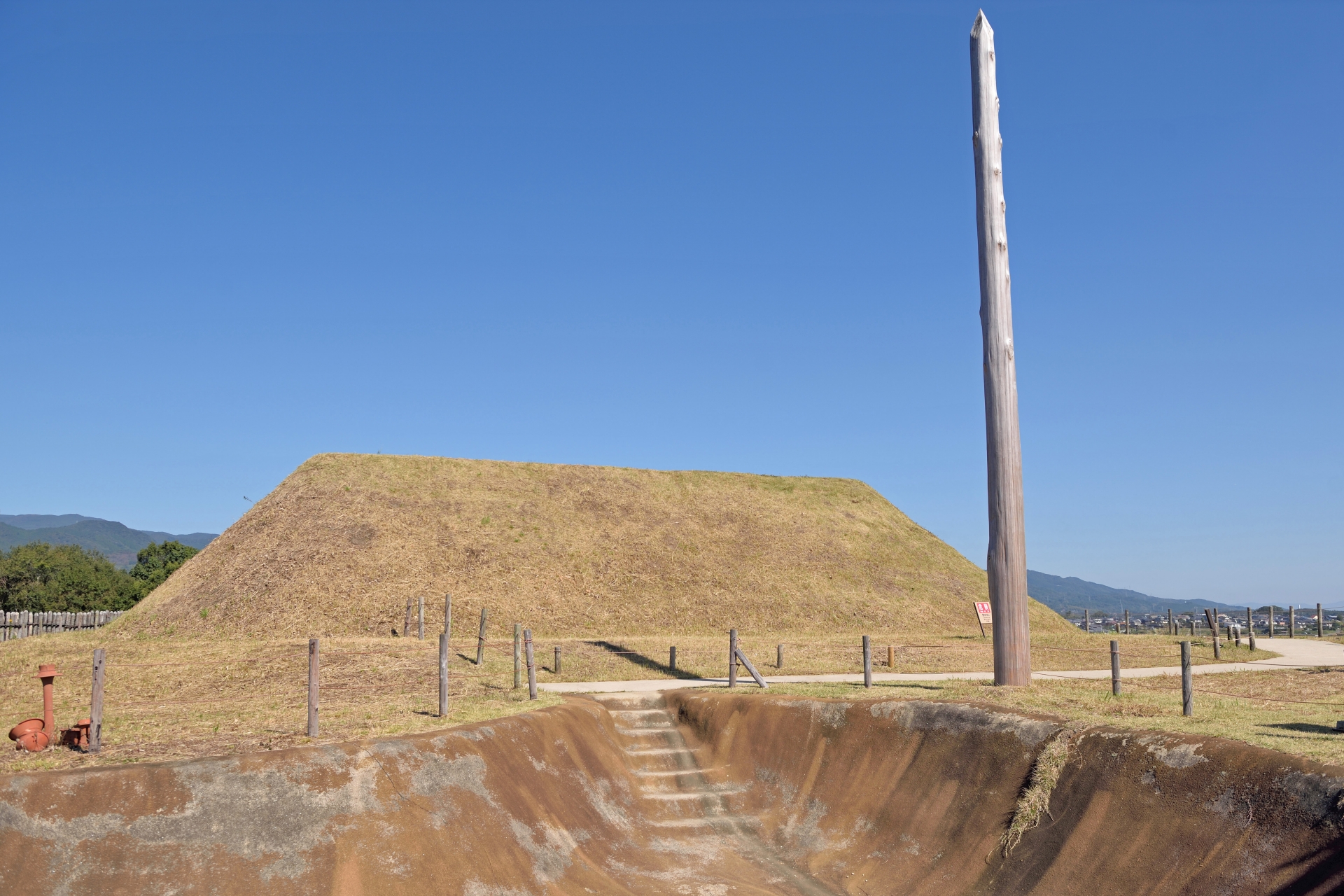
The Kita-fumbo (Northern Burial Mound)
A place of profound silence and reverence, this site houses the remains of ancient royalty. The museum built directly over the excavation allows you to look down into the actual jar burials, where the ancestors of modern Japan rest in eternal peace. The air here feels cooler, thicker with the weight of centuries. It is a hauntingly beautiful encounter with mortality and heritage. The surrounding grassy mounds provide a stark, minimalist beauty that contrasts perfectly with the intricate history contained within.
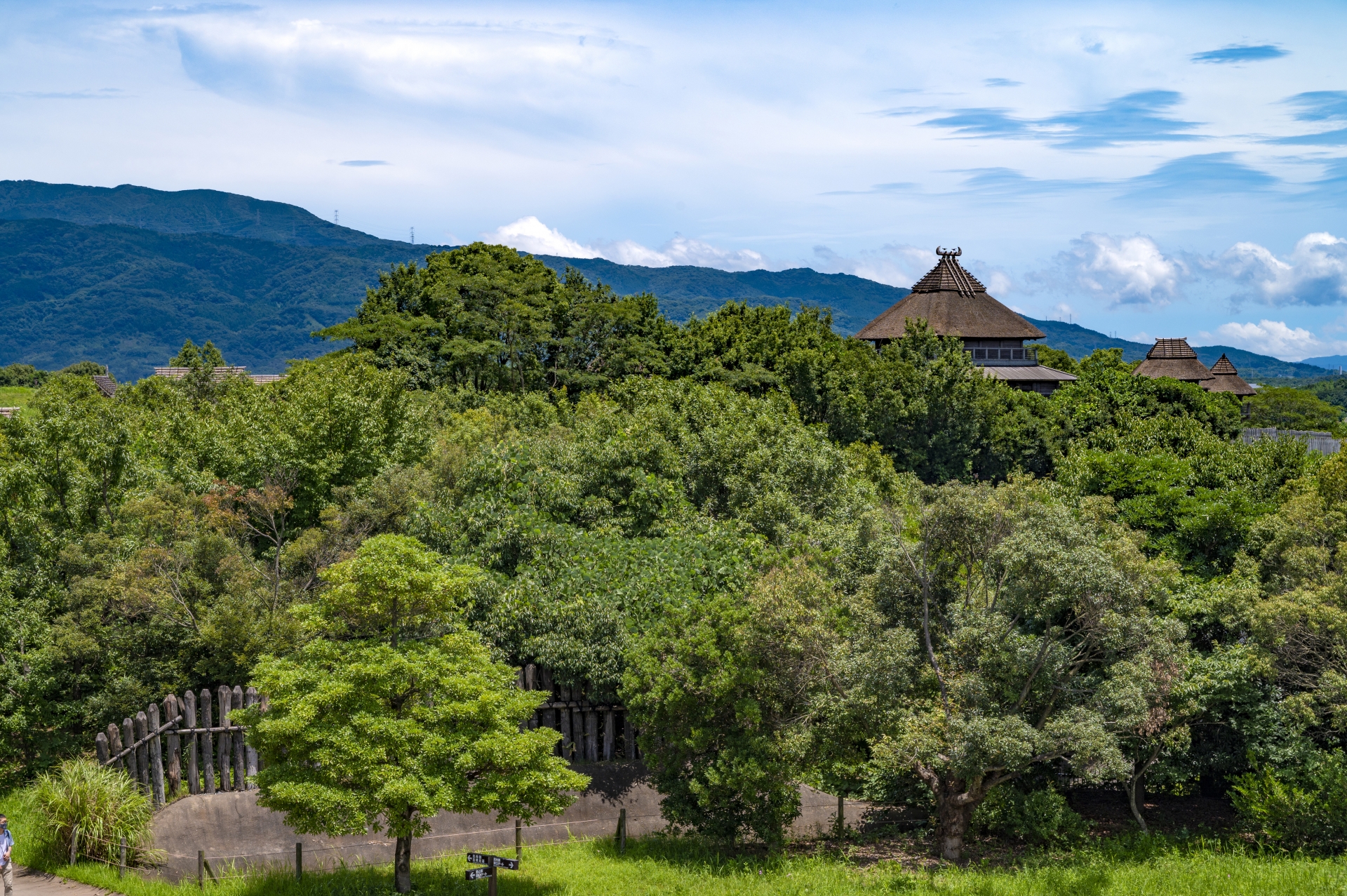
The Ancient Forest & Moat Path
Beyond the structures lies a meticulously restored landscape of flora that would have existed during the Yayoi period. Walking the perimeter of the outer defensive moats, you experience the strategic brilliance of ancient city planning. The saline-tinged breeze from the nearby Ariake Sea occasionally drifts over the plains, mingling with the scent of wild grasses. This path offers the most 'untouched' feel of the park, perfect for those seeking to escape the crowds and connect with the raw topography of the Saga plains.
Local Soul Food
Tastes you can't find anywhere else.
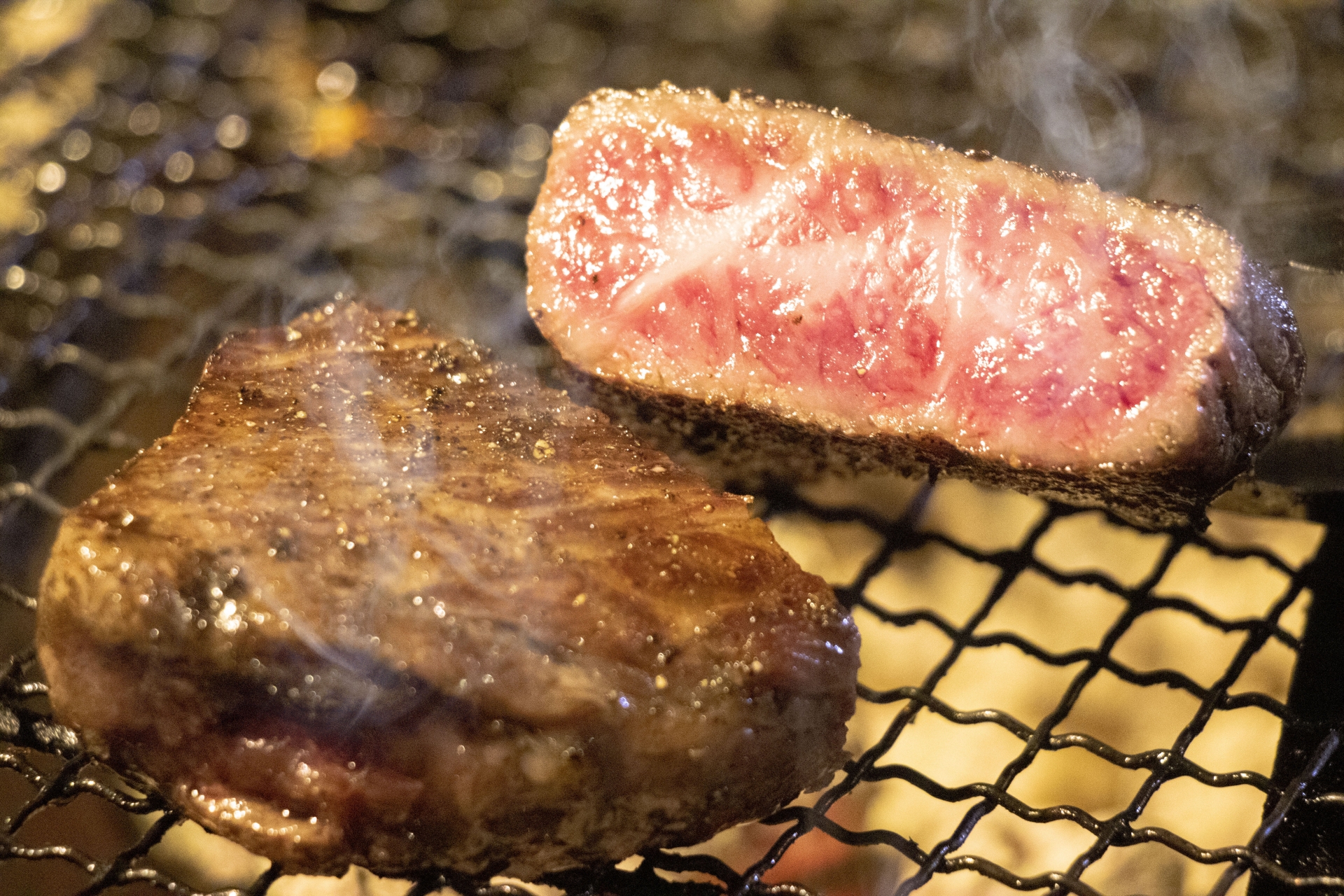
A5 Saga Beef Steak
Renowned for its glossy marbling and 'sweet' fat, Saga Beef is a culinary revelation. Each bite offers a buttery melt-in-the-mouth texture, releasing a rich, umami-laden juice that coats the palate. Seared to perfection over high heat, the exterior provides a delicate char that balances the luscious interior. It is the gold standard of Japanese wagyu, best enjoyed with just a pinch of local sea salt.
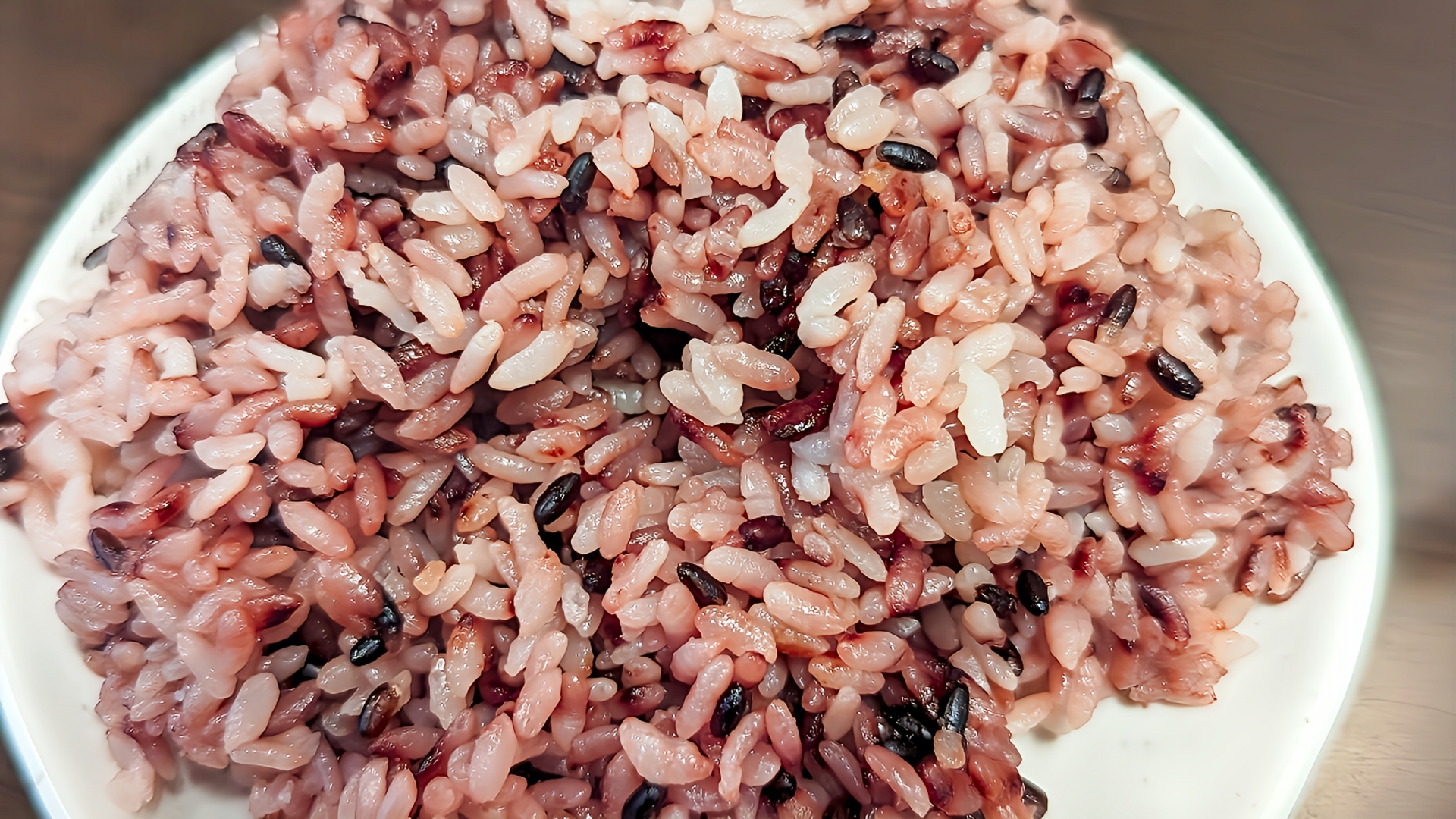
Yoshinogari Ancient Red Rice (Akame)
A direct culinary link to the Yayoi period, this heirloom grain is nutty, chewy, and deeply earthy. Unlike polished white rice, Akame retains its bran, offering a complex texture and a subtle sweetness that pairs beautifully with seasonal mountain vegetables. It is a humble yet sophisticated taste of history that grounds the diner in the very soil they are walking upon.
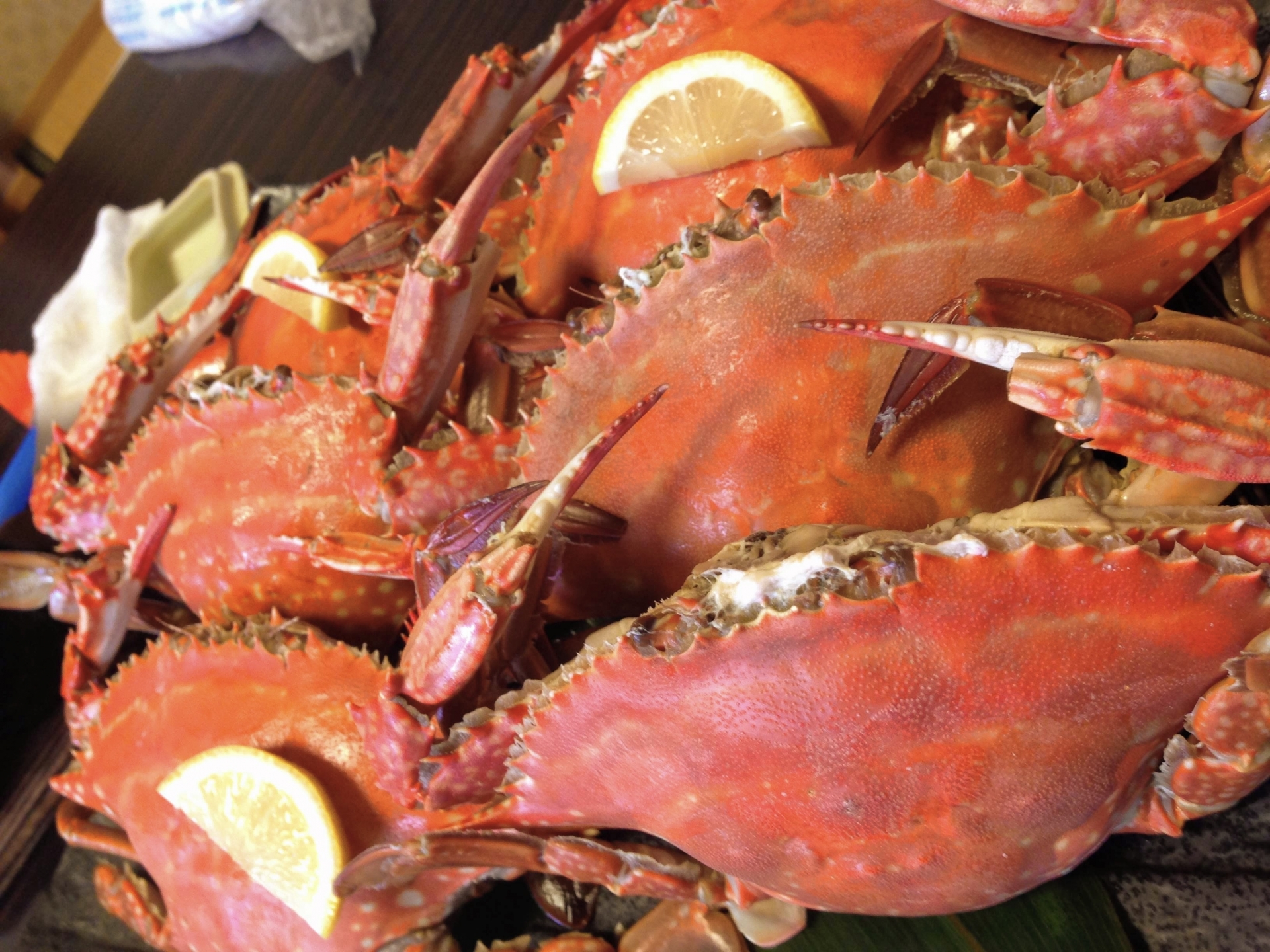
Takezaki Crab
Harvested from the nutrient-rich mudflats of the Ariake Sea, these crabs are famous for their intense sweetness and creamy roe. The meat is succulent and firm, carrying the clean, saline essence of the bay. Whether steamed whole or served in a rich miso soup, the flavor profile is exceptionally concentrated, making it a seasonal delicacy that seafood connoisseurs travel miles to experience.
Premium Stays
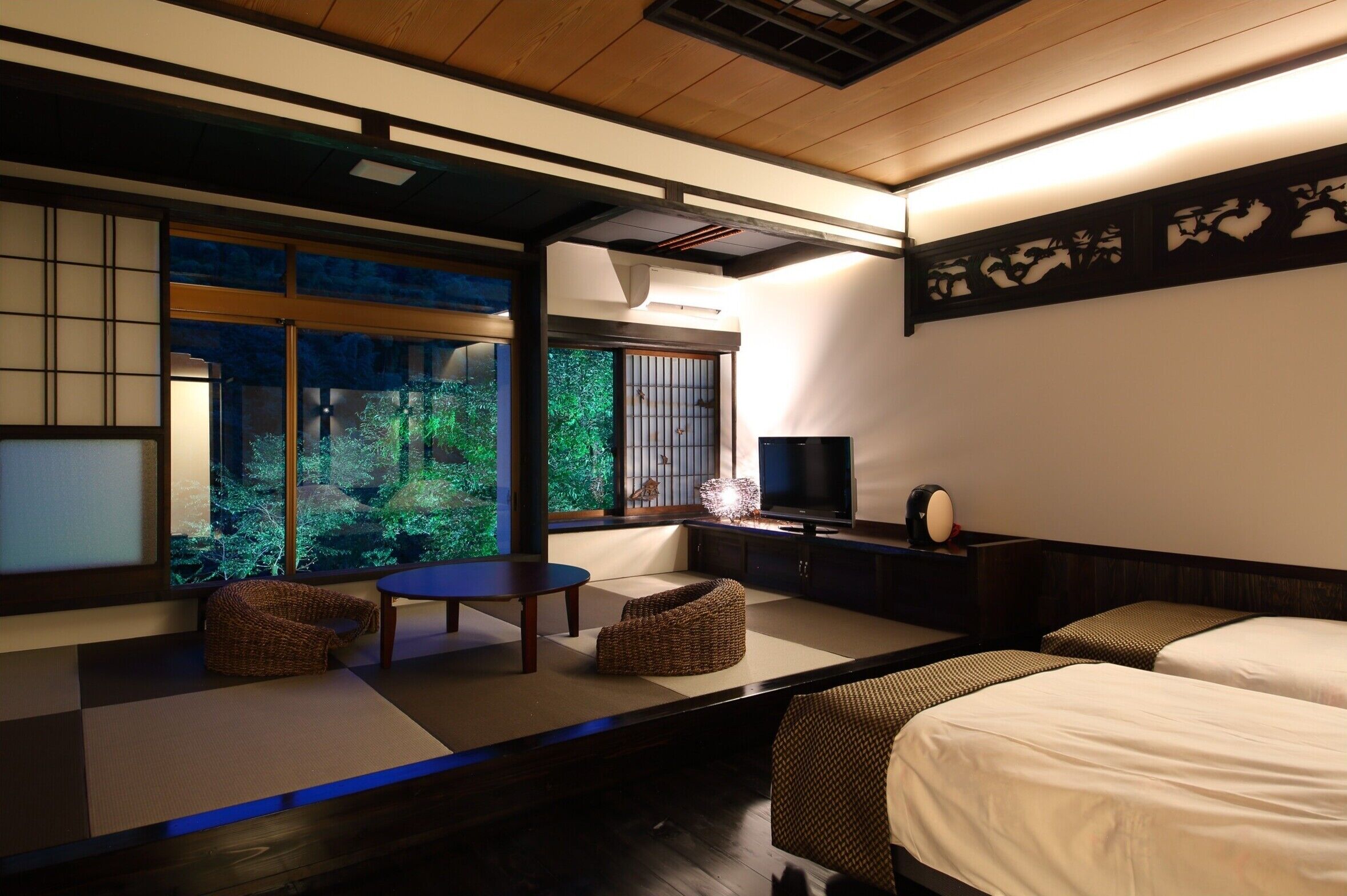
To truly appreciate the area, stay in Saga City for modern comforts or venture to the nearby onsen towns for a traditional immersion. Saga City offers seamless access to the park via train, while the hot spring resorts provide a restorative end to a day of exploration.


Getting There
Take the JR Nagasaki Main Line from Saga Station to Yoshinogari-koen Station (approx. 15 mins). From the station, it is a well-marked 15-minute walk to the East Gate. Trains run roughly every 20-30 minutes, so verify the schedule for your return trip.
FAQ
Inspired?
Share this destiny with someone special.