Yamaguchi
Welcome to Kintai Bridge
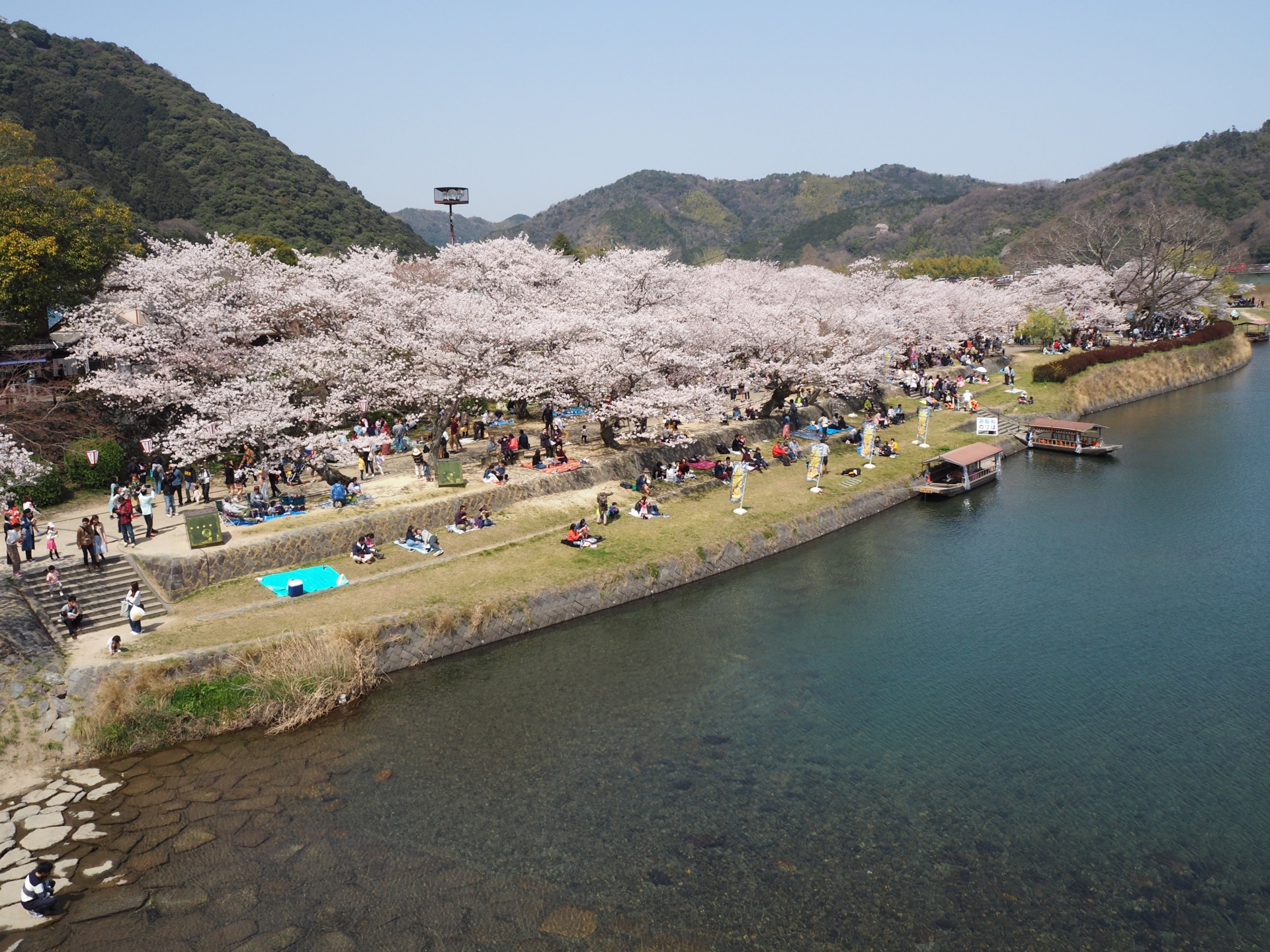
Suspended like a wooden ribbon over the crystalline Nishiki River, Kintai Bridge is more than a crossing; it is a masterclass in Edo-period engineering and aesthetic grace. As you step onto the weathered cypress planks, the scent of aged timber mingles with the saline breeze drifting from the Seto Inland Sea. This is a place where the rhythmic 'clack-clack' of footsteps echoes the heartbeat of Iwakuni’s samurai past. Whether framed by the ethereal pink of cherry blossoms or the fiery crimson of autumn maples, the bridge stands as a testament to resilience and the Japanese philosophy of harmony between man and nature. Prepare to lose yourself in a landscape that feels whispered from an ancient silk scroll.
The Five Arches of Kintai
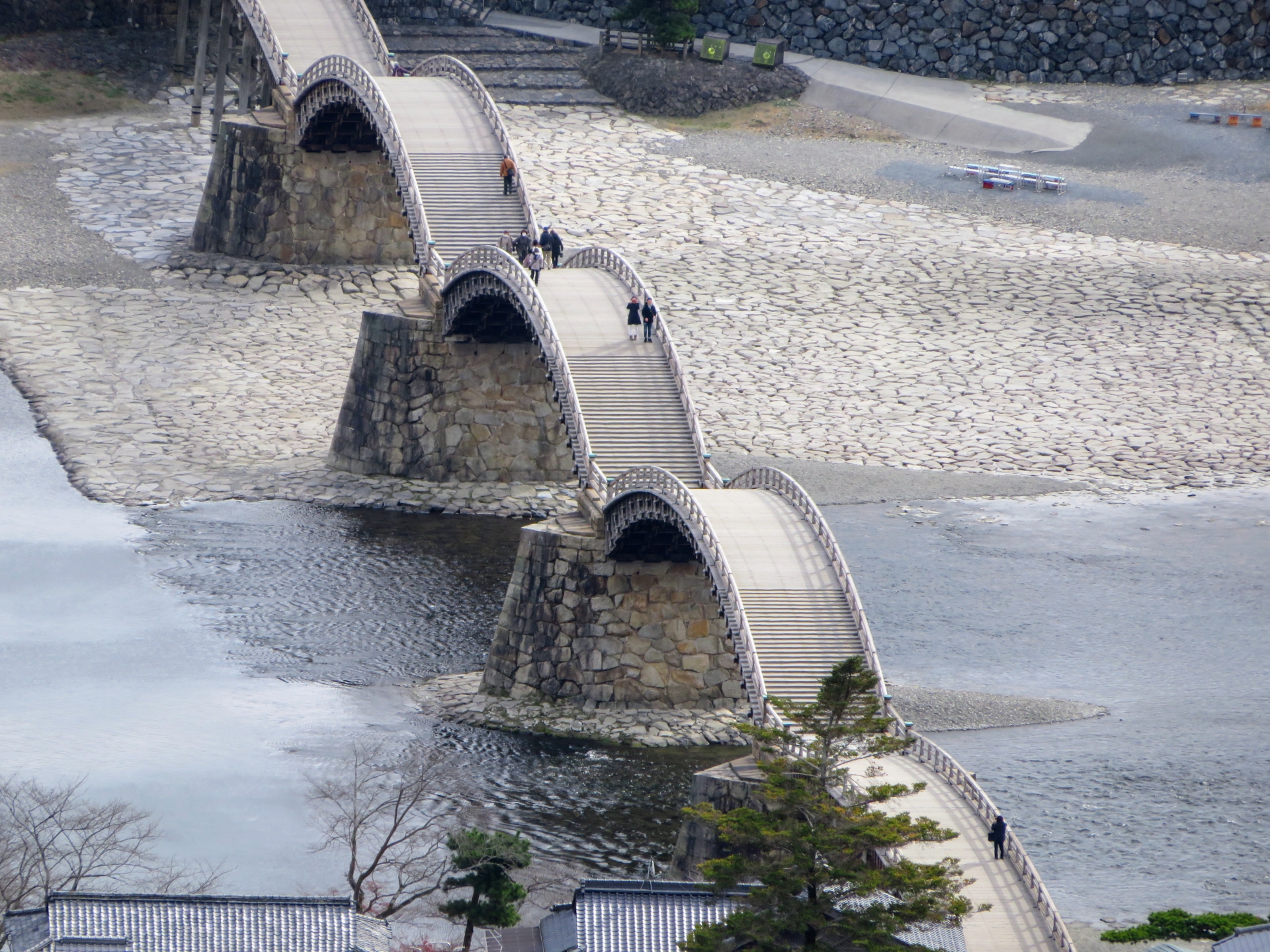
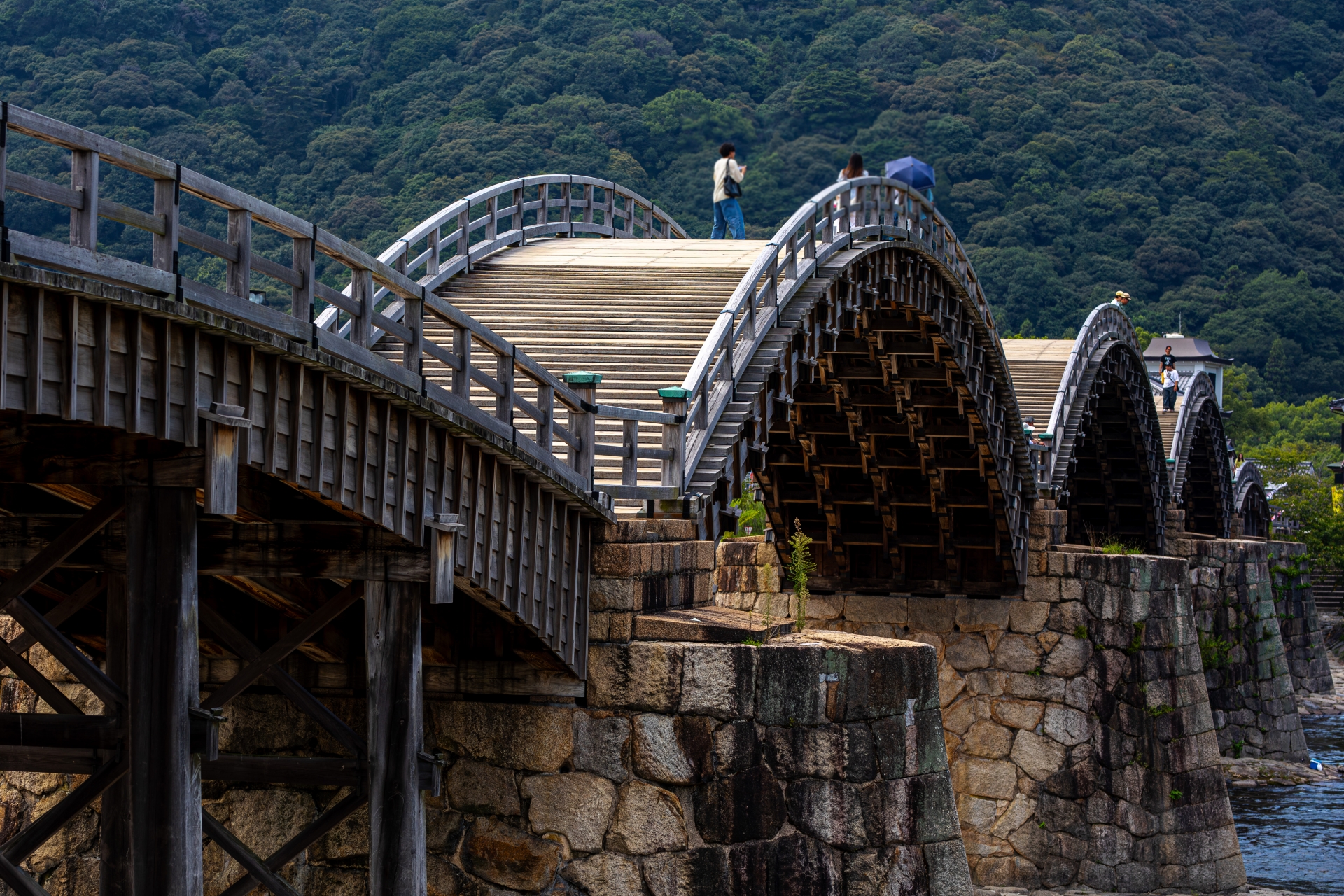
Walking across the bridge is a sensory journey through 1673. The unique five-arch structure was built without a single nail, utilizing intricate joinery that allows the wood to breathe and flex. Feel the gentle incline of the arches beneath your feet, a physical manifestation of mathematical perfection. As you reach the apex of the central arch, the panoramic view of the river valley opens up, revealing the shimmering scales of the water below. It is a tactile connection to a vanished world of shoguns and master craftsmen.
Iwakuni Castle & Mount Shiroyama
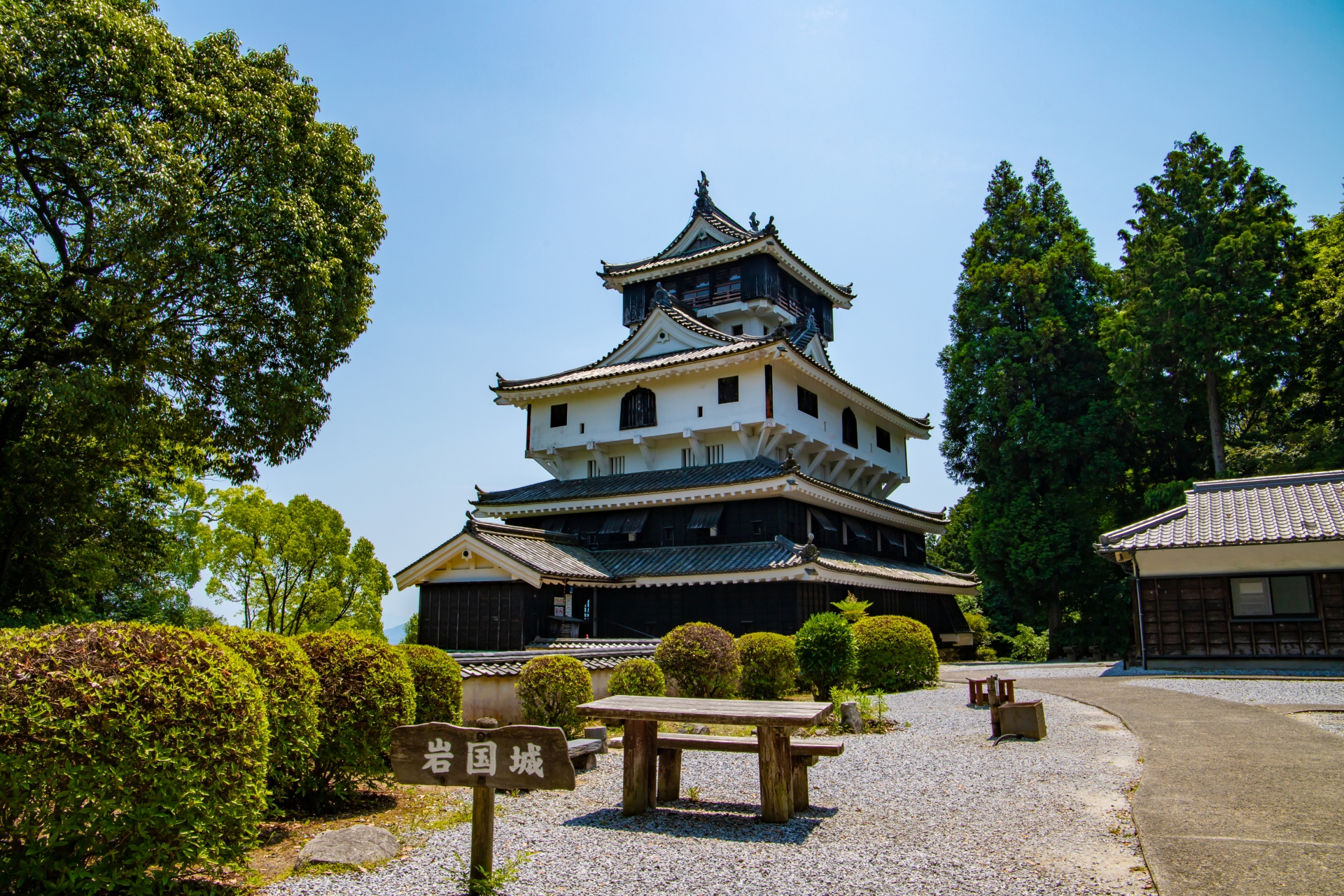
Perched like a white heron atop Mount Shiroyama, Iwakuni Castle offers a dramatic sentinel's view of the Kintai Bridge and the sprawling city below. The ascent via the ropeway provides a cinematic transition from the riverbanks to the forest canopy. Inside the reconstructed keep, explore a meticulously curated collection of samurai weaponry and armor. The air here is thinner and cooler, scented with pine and the weight of history. Standing on the top floor, the Seto Inland Sea glimmers on the horizon like a sheet of hammered silver.
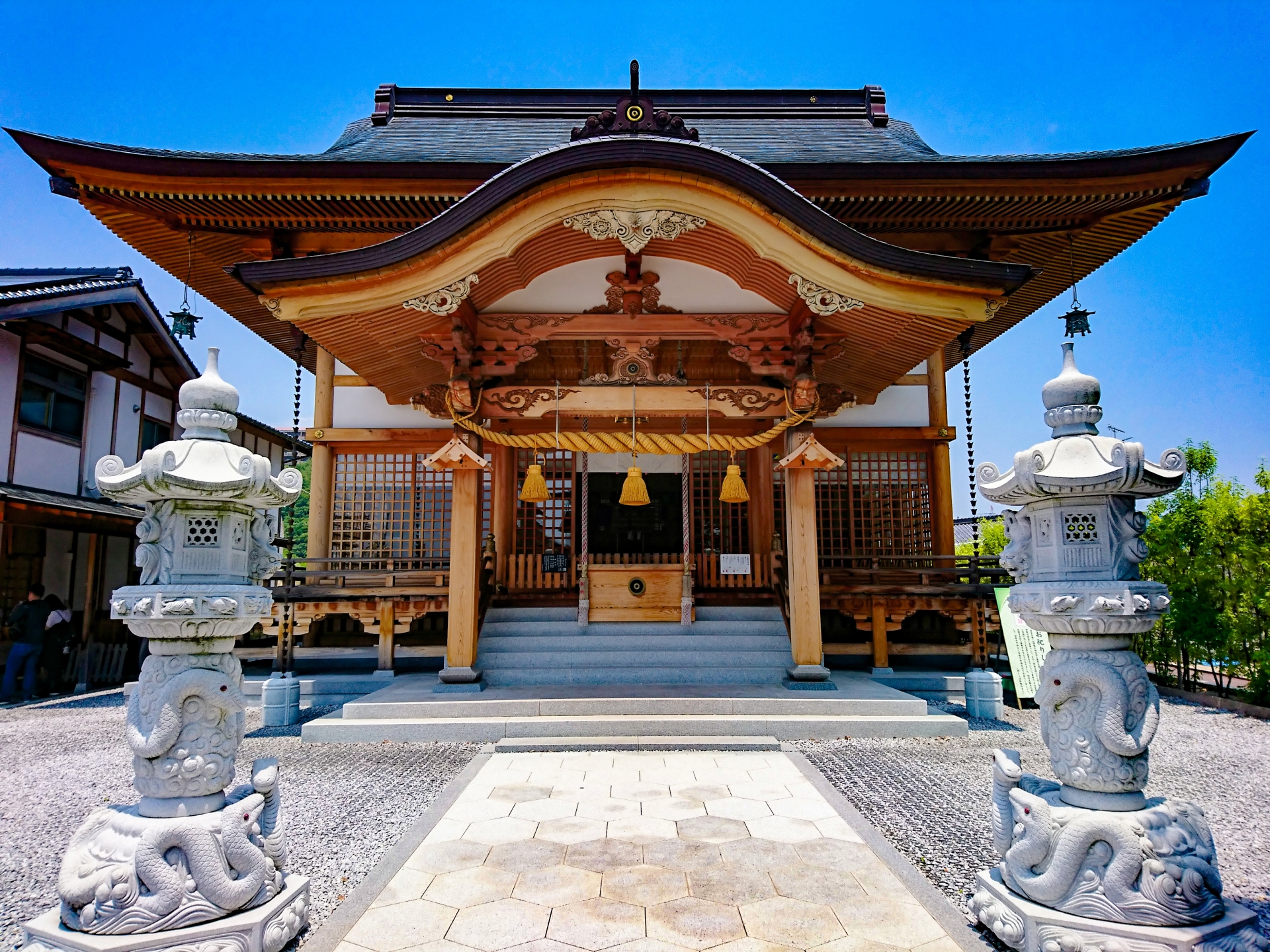
Kikko Park & Shirohebi Shrine
Once the residence of the Kikkawa lords, this park is a sanctuary of manicured greenery and spiritual intrigue. It is home to the rare White Snakes of Iwakuni, considered messengers of the gods. Visiting the Shirohebi Shrine offers a moment of quiet contemplation amidst the fountain's spray and the rustle of ancient trees. The park serves as the cultural lung of the area, where the heritage of the samurai class is preserved in the very soil. It is the perfect place to decompress after the climb to the castle.
Local Soul Food
Tastes you can't find anywhere else.
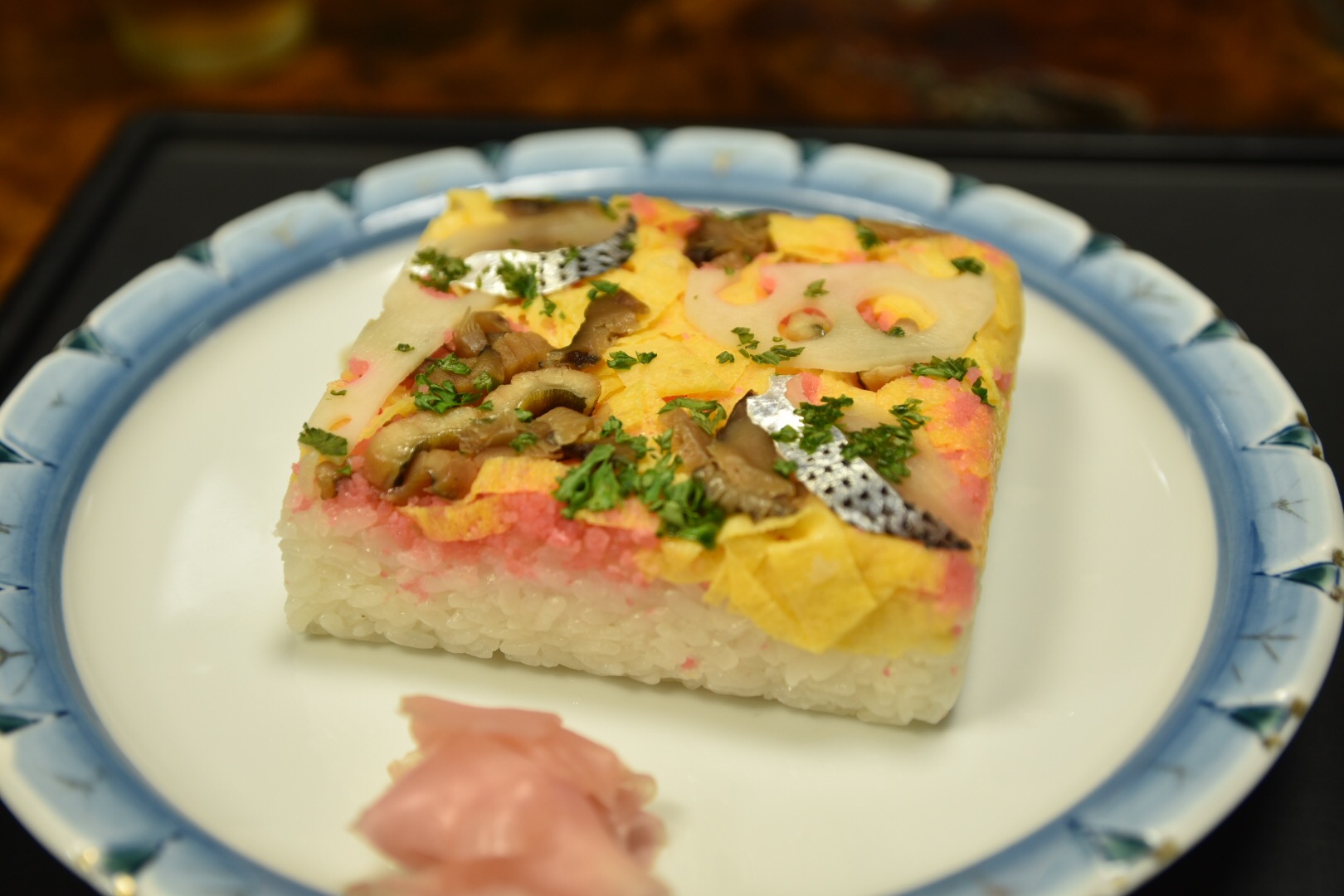
Iwakuni Sushi (Tonosama Sushi)
Known as 'Lord's Sushi,' this is a vibrant, multi-layered pressed masterpiece. Imagine a square mosaic of vinegared rice layered with local lotus root, shredded egg, and denbu (sweet fish flakes). The texture is a delightful contrast between the crunch of the lotus and the melt-in-your-mouth sweetness of the toppings. It is a celebratory dish that tastes of history and local pride.
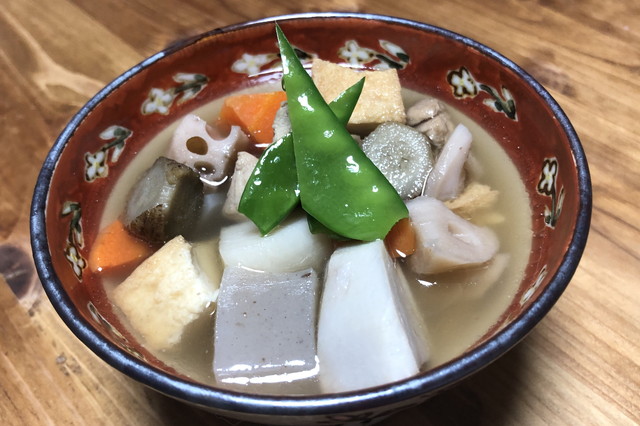
Ohira (Iwakuni Vegetable Stew)
A rustic, soul-warming stew that defines Yamaguchi comfort food. This dish features a bounty of root vegetables, taro, and chicken simmered in a deep, umami-rich dashi. The scent of earthy burdock and sweet carrots rises in a fragrant steam, offering a nutritional embrace. It is the taste of the Yamaguchi countryside, simple yet profoundly satisfying in its depth of flavor.
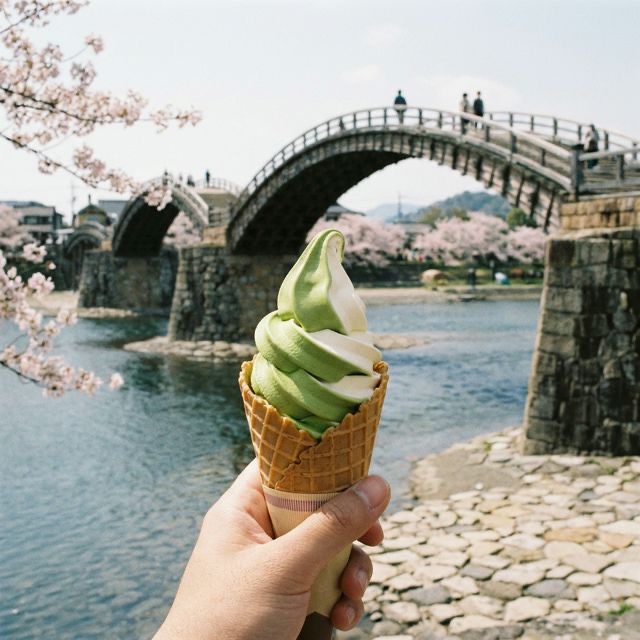
Musashi's 100-Flavor Soft Serve
A whimsical culinary challenge located right at the foot of the bridge. From classic matcha to eccentric flavors like wasabi or ramen, the velvety smoothness of the cream provides a cool respite. The sight of the towering swirls against the backdrop of the ancient bridge is a modern Iwakuni tradition. It is a playful, sugary punctuation to your historical exploration.
Premium Stays
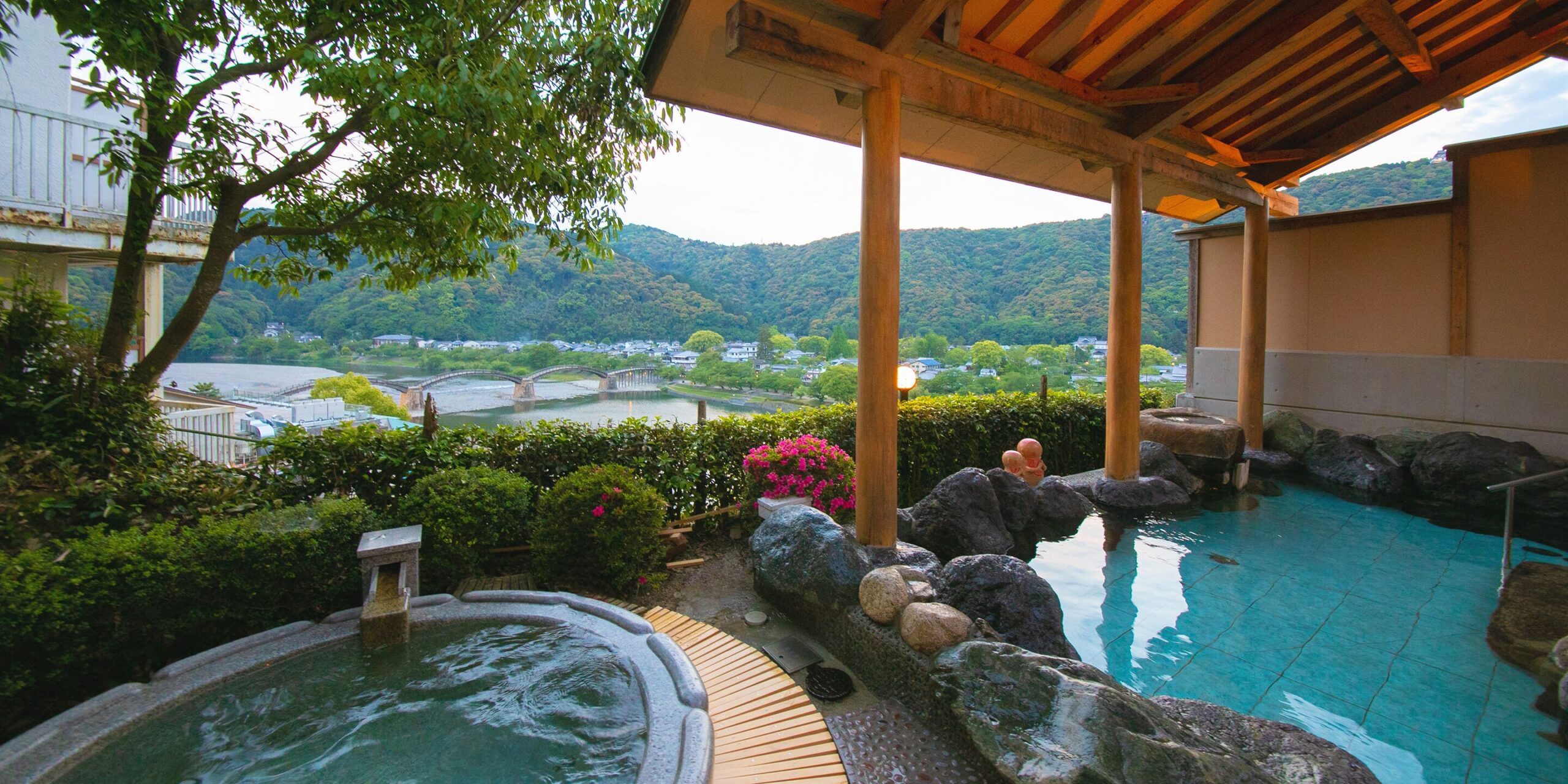
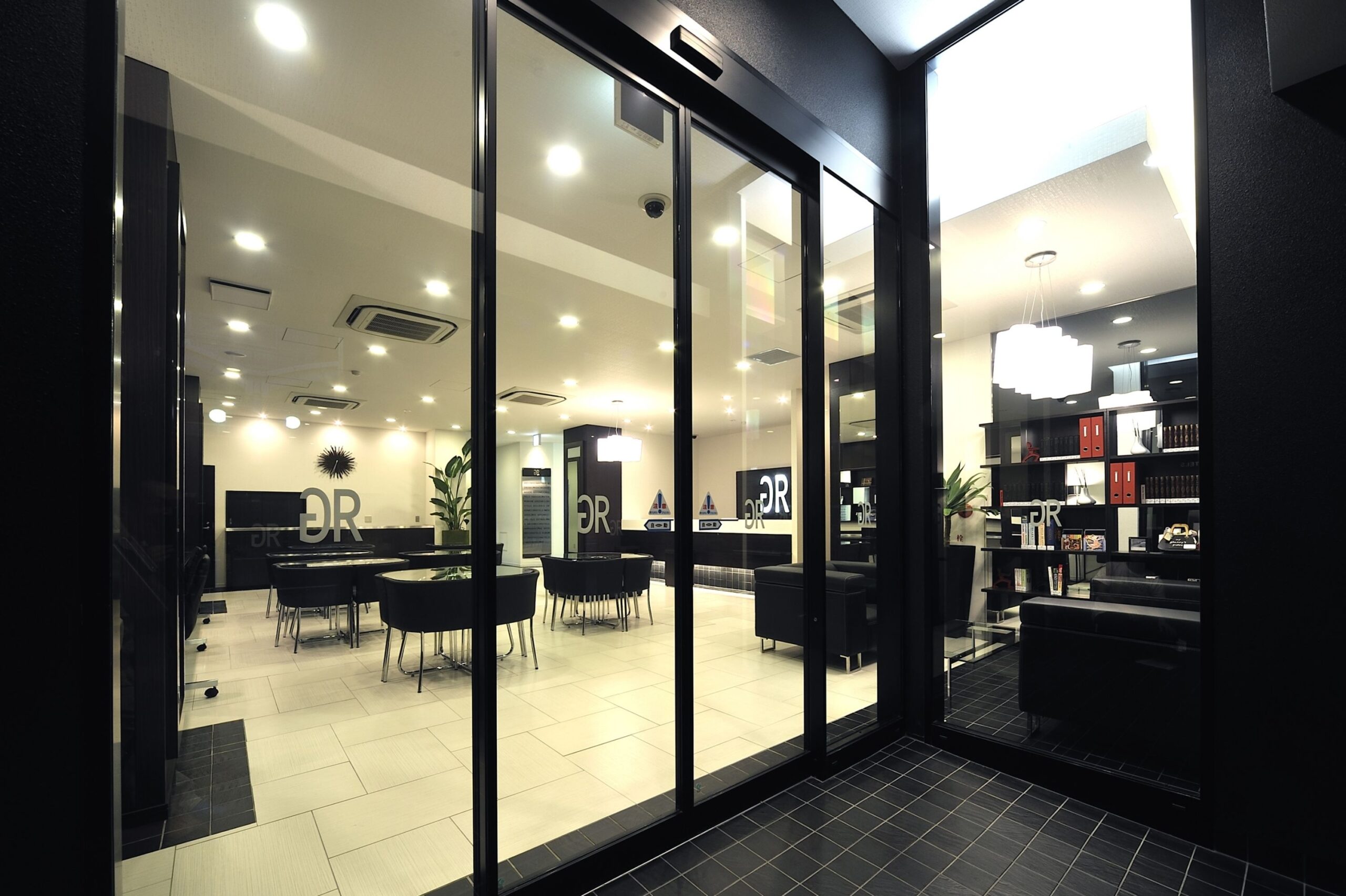
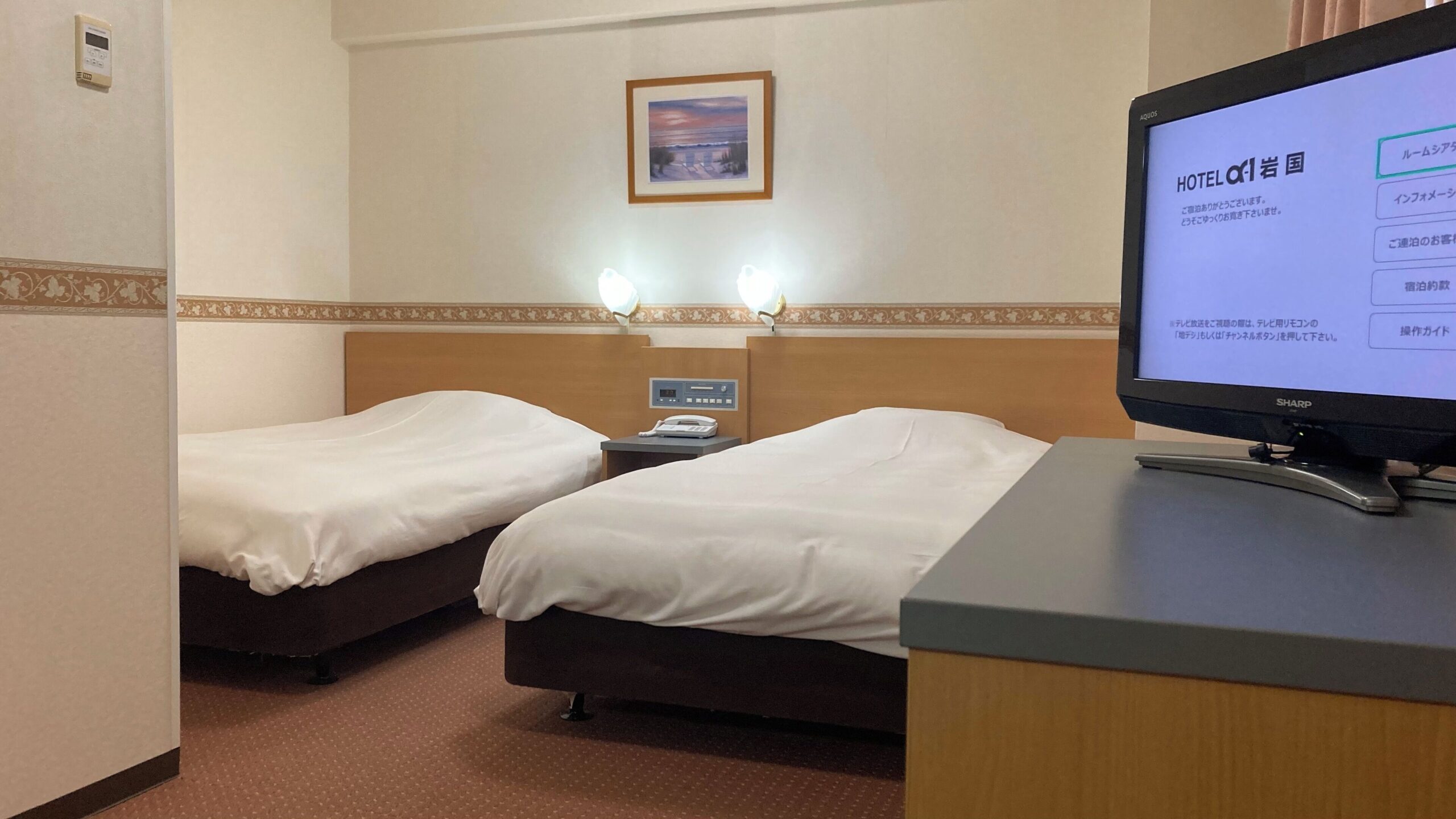
To truly absorb the magic of Iwakuni, stay within walking distance of the Nishiki River. The area transforms at night when the bridge is illuminated, offering a romantic tranquility that day-trippers miss.
Getting There
Take the Sanyo Shinkansen to Shin-Iwakuni Station. From there, a 12-minute bus ride or a short taxi will bring you directly to the Kintai Bridge area. Alternatively, JR Iwakuni Station is a 20-minute bus ride away.
FAQ
Inspired?
Share this destiny with someone special.