The Moment I Arrived: Chants, Sweat, and Total Chaos
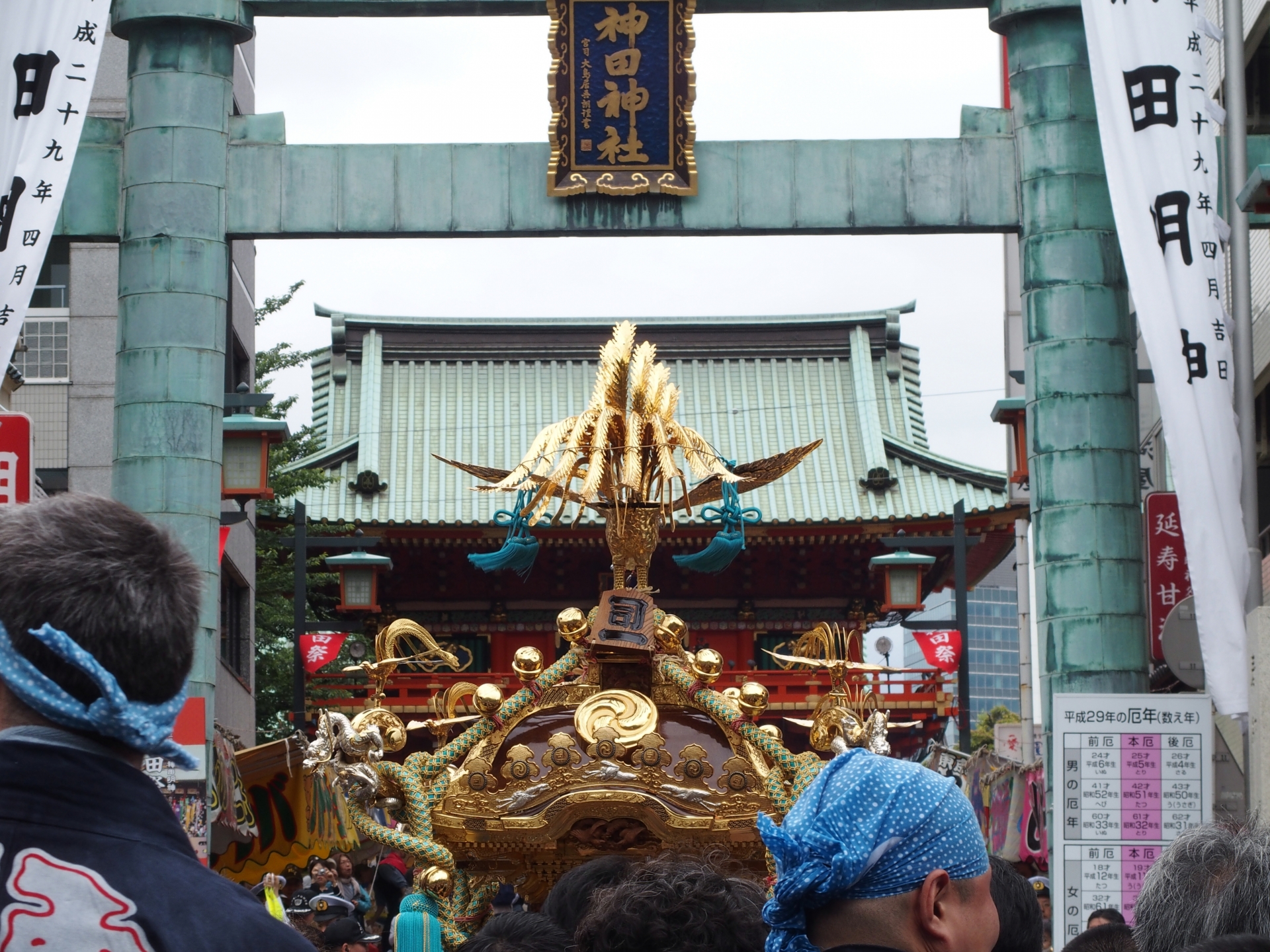
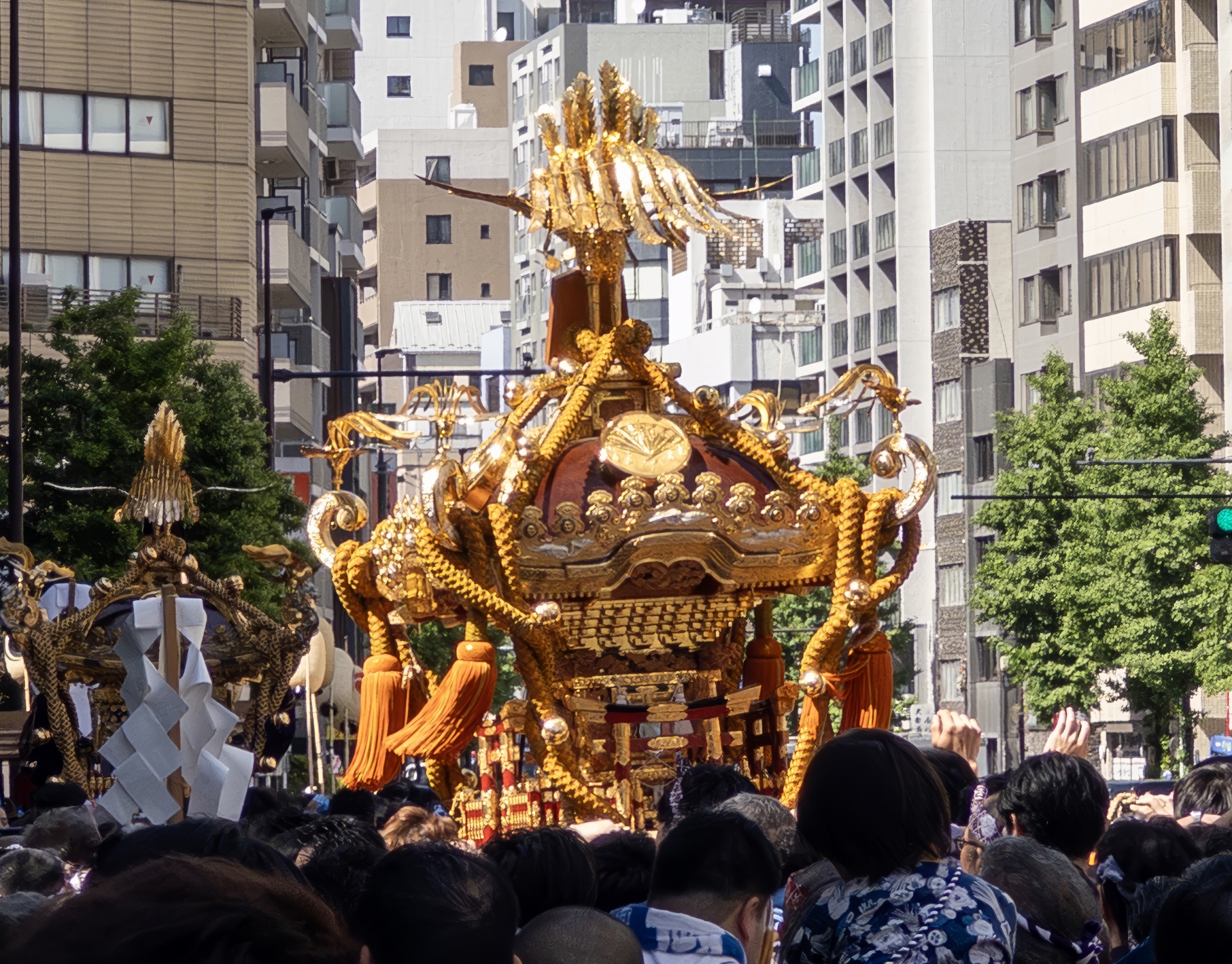
The first time I saw a mikoshi (portable shrine) being bounced by forty screaming men in business suits, I realized I didn't know anything about Tokyo. I’d lived here for five years, thinking the city was all about polite bows and quiet trains. Then I stood on a street corner in Kanda during the festival and a guy in a loincloth accidentally stepped on my foot while shouting 'Saiya, saiya!' at the top of his lungs. He didn't bow; he just grinned, gave me a thumbs up, and kept hauling that two-ton golden shrine toward the sun. That’s the Kanda Matsuri for you. It’s one of the 'Big Three' of the Edo period, and it feels like the city’s heart finally stops pretending to be modern and lets its hair down. The air smells like charcoal from the yakitori stalls and thick incense from the shrine. You’ll hear the rhythmic clanging of metal rings on staves long before you see the parade. Seriously. The sound alone will give you goosebumps.nnI remember thinking I could just 'pop in' for an hour. Six hours later, I was still there, covered in dust and humming the festival chant. The sheer scale is staggering—we’re talking about a parade that winds through 30 kilometers of the city. If you want to see the most organized part of the chaos, booking a guided deep-dive tour of the Kanda backstreets is the way to go because the history here is layered like an onion.
Book Early – Popular Season
Stay in the Heart of the Action
Wake up to the sound of festival drums. Staying in Chiyoda means you can see the early morning preparations and retreat for a nap when the midday sun gets too intense.
Hotels in this district sell out months in advance for festival week—secure your spot now.
Find Hotels ↗
It’s not just about pretty floats; it’s about the neighborhood rivalries that have existed for 400 years. Each 'machi' (neighborhood) has its own shrine and its own pride. I once saw two rival groups 'battle' by seeing who could shake their shrine more violently. It’s terrifying, exhilarating, and deeply human. You aren't just watching a performance; you're watching a community prove they still exist in a world of glass skyscrapers. Don't expect a seat. Don't expect personal space. Just lean into the crowd and let the rhythm take you. And here's the thing—the energy is infectious. You'll find yourself cheering for a neighborhood you've never heard of just because the guy next to you is losing his mind with excitement. It's the one time of year where the 'salaryman' mask completely dissolves and you see the raw, gritty spirit of the people who actually built this city.
If you want to see the 'real' festival, head to the Kanda Myojin shrine at night on the weekend. The lanterns are lit, the beer is flowing, and the atmosphere is far more electric than the daytime ceremonies.
What Most People Get Wrong: The Main Gate is a Trap
Look, I get it. You see the big red gate of Kanda Myojin and you think, 'That’s the spot!' Wrong. I made that rookie mistake my first year. I spent three hours pinned against a stone wall, unable to see anything but the back of a tall guy’s head. If you want the best experience, skip the main entrance during the peak hours of the Mikoshi Miyairi (when the shrines enter the temple). Instead, stake out a spot in the Nihonbashi area near the Mitsukoshi Department Store. The contrast is unbelievable—you’ve got these hyper-modern luxury boutiques as a backdrop for 17th-century festival costumes. It’s my favorite place for photos because the streets are wider and you can actually breathe. nnAnother thing? People think this happens every year. It doesn't. The full-scale 'Hon-matsuri' only happens in odd-numbered years. In even-numbered years like 2026, it's technically a 'Kage-matsuri' (shadow festival), which is smaller. But here’s my hot take: the 'smaller' years are actually better for first-timers. You get 70% of the vibe with about 40% of the soul-crushing crowds. You can actually get close to the mikoshi and see the intricate carvings without getting an elbow to the ribs. I actually prefer staying in a hotel right in the thick of it in Akihabara or Kanda so I can retreat when the noise gets too much.
Most Popular
Kanda Deep-History Walking Tour
Don't just watch the parade; understand it. This tour takes you through the backstreets to meet local artisans and explains the 400-year-old neighborhood rivalries.
You'll see secret rituals and hidden shrine treasures that most tourists walk right past.
Book Tour ↗
Honestly, the 'big' years are for the die-hards; the off-years are for the people who actually want to enjoy their day. One more thing—everyone raves about the official parade, but I think the best part is the 'after-party' in the side streets of Suehirocho. That’s where the locals actually sit down, crack open some sake, and share food. If you look lost and friendly, someone might even offer you a cup. On top of that, the 'shadow' years focus more on the spiritual rituals at the shrine itself, which are hauntingly beautiful if you catch them at dusk. It's less of a circus and more of a heartbeat. You'll see the priests in their white robes moving through the shadows of the shrine, and for a second, you'll forget you're in the middle of the world's largest metropolis.
The 'Dashi' (floats) are often kept in temporary garages in the weeks leading up to the festival. Walk around the Kanda/Akihabara backstreets a few days early to see them up close without the crowds.
How to Actually Plan This: Don't Be the Tourist in Flip-Flops
I’m going to be blunt: if you wear flip-flops or heels to Kanda Matsuri, you are going to have a bad time. I’ve seen people lose shoes in the crowd, and trust me, you do not want to walk barefoot on the streets of Chiyoda. Wear sturdy sneakers. You’ll be walking miles, and you’ll be stood on. A lot. Also, bring a small towel. Not just for the sweat (and you will sweat, even in May), but because if it rains, the festival doesn't stop. They just wrap the shrines in plastic and keep going. I once watched a group of guys carry a shrine through a literal downpour, chanting even louder to keep their spirits up. It was one of the most badass things I’ve ever seen in Japan. nnTiming is everything. The festival spans a week, but the 'Main Day' (usually the Saturday or Sunday closest to May 15th) is when the big action happens. If you’re coming from outside Tokyo, get here early. Like, 8:00 AM early. The parade starts early and the best spots are gone by 9:30. For food, don't bother with a sit-down restaurant. The lines will be out the door. Instead, live off the 'yatai' (food stalls). My go-to is the 'Choko-banana' or the 'Yakisoba'—it’s greasy, salty, and exactly what you need when you’ve been standing in the sun for four hours. Oh, and keep a Suica or Pasmo card topped up. Trying to buy a paper ticket at Ochanomizu Station after the festival finishes is a special kind of hell I wouldn't wish on my worst enemy. If you're planning to see the whole route, use the subway to leapfrog the parade. It’s faster than walking and gives your legs a break. Just remember that this is a religious event first and a party second—be respectful when the priests are performing rituals, then go back to cheering when the heavy lifting starts. You'll want to keep your voice down near the inner sanctum, but once those drums start up again, feel free to let loose. Trust me on this, the experience is worth the sore feet.
Buy a 'Tenugui' (traditional hand towel) from the Kanda Myojin gift shop. It’s the cheapest, most authentic souvenir you can get, and you can wear it as a headband to blend in with the locals.