The Moment I Arrived: A Sensory Overload
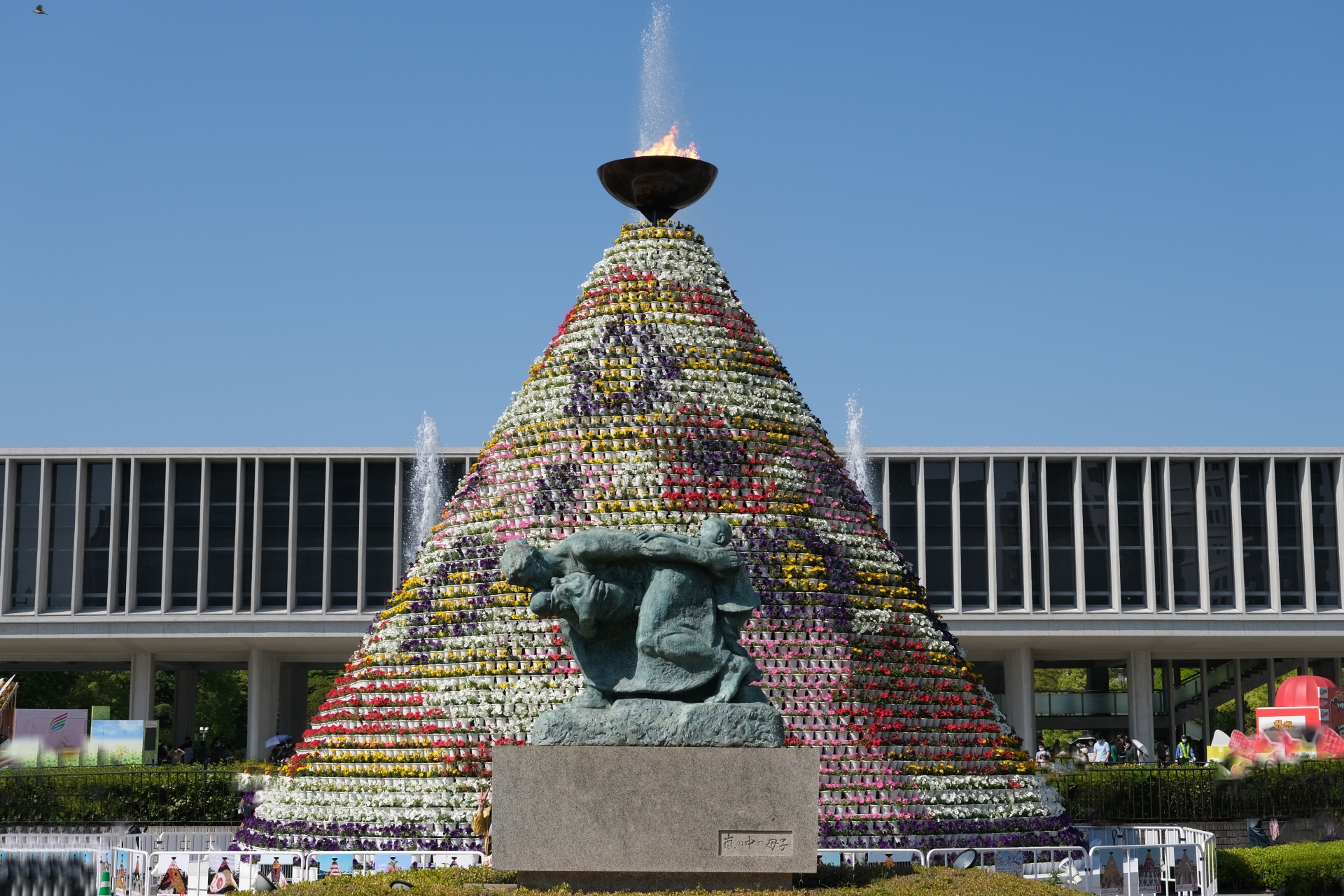
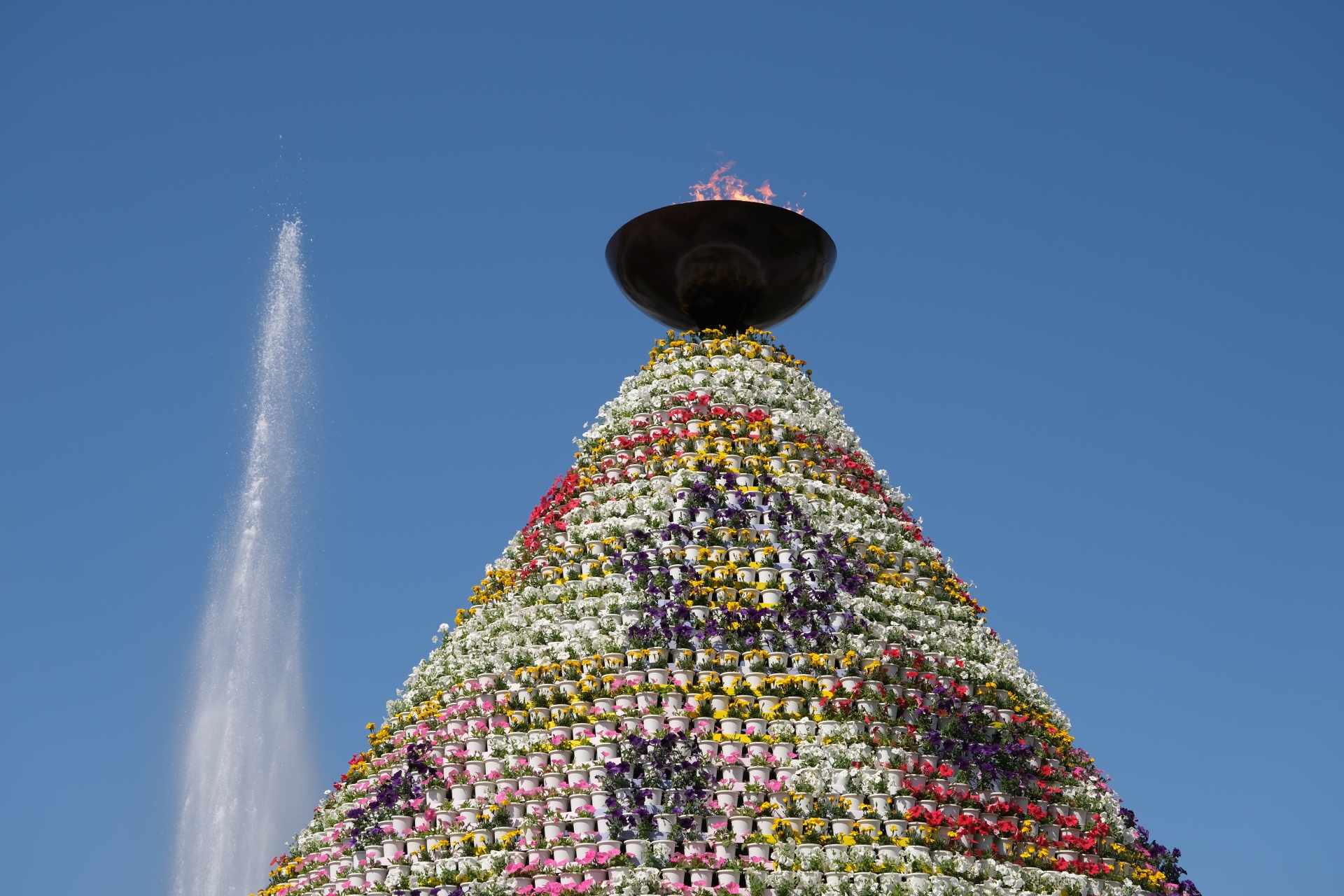
I’ll be real: my first Golden Week in Japan was a total train wreck. I tried to do the 'classic' Kyoto route, got absolutely crushed by the crowds at Kiyomizu-dera, and spent most of my holiday staring at the back of someone’s sweaty shirt. But then, a local friend dragged me down to Hiroshima for the Flower Festival, and it completely flipped my perspective on Japanese holidays. The second I stepped onto Peace Boulevard, the air didn't just smell like spring—it was this wild, dizzying mix of grilled yakisoba, diesel from the vintage streetcars, and the heavy, sweet scent of nearly 50,000 flowers. It was chaotic, sure, but it felt alive in a way that most 'polite' Japanese festivals just don't. The centerpiece is this massive, eight-meter-tall Flower Tower that looks like a botanical skyscraper. Seeing it lit up for the first time actually made me stop mid-sentence. I remember thinking, 'Okay, maybe I can handle the crowds if they look like this.'nnAnd here's the thing about that crowd—nearly 1.6 million people descend on the city over three days. It sounds like a nightmare on paper, but there’s a shared energy that’s infectious. I found myself standing next to an elderly woman who had been coming since the festival started back in 1977. She told me how the festival was born out of a desire to fill the city with greenery and light after its dark history, and suddenly, the flowers weren't just pretty—they were a statement of resilience. If you're looking to dive deep into the city's spirit while the petals are flying, taking a guided tour can help contextualize the history between the parade sets.
Golden Week Essential
Stay Near Peace Boulevard
The Hatchobori and Nagarekawa areas put you right in the heart of the festival action. You can walk to the parade route in 5 minutes and have instant access to Hiroshima's best nightlife and okonomiyaki shops.
Golden Week is no joke—hotels in Hiroshima vanish by January. Secure your spot now or prepare for a long commute.
Find Hotels ↗
The scale is just massive. You have stages every few hundred yards, each blasting different music, from traditional taiko drums to J-pop covers that you’ll have stuck in your head for the next three days. I spent my first afternoon just wandering aimlessly, which I highly recommend. Don't try to see it all at once; just let the flow of the crowd take you toward whatever drum beat sounds the loudest. It’s the one time of year Hiroshima feels less like a somber memorial site and more like the beating heart of West Japan. Seriously. Go early, grab a beer, and just watch the world go by.
The Flower Tower is the 'main' icon, but the small 'Flower Candles' lit at night near the Peace Flame are where the real emotional weight of the festival hits. Go after 6:00 PM for the best atmosphere.
What Most People Get Wrong: The Parade Trap
Here is my first hot take: the 'Flower Parade' on May 3rd is a sight to behold, but don't spend your entire day glued to the curb. I made the rookie error of standing in one spot for three hours because I thought I’d lose my view. My legs were screaming, and I realized half the parade looks the same after an hour. The real magic happens on May 5th during the 'Kizuna' (Bond) dance finale. That’s when the Yosakoi dancers come out. If you haven’t seen Yosakoi, imagine high-energy folk dancing mixed with modern gymnastics and enough shouting to wake the dead. It is intense. I once saw a group of dancers who must have been in their 80s moving with more energy than I have after three espressos. It was humbling, to say the least. nnOn top of that, people always mess up the food situation. Everyone flocks to the first stall they see near the Peace Museum. Big mistake. The festival is famous for its 'International Exchange' stalls. You can get authentic Hiroshima-style okonomiyaki (the superior version, don't @ me), but you can also find incredible Thai, Brazilian, and Turkish food run by local expats. I once found a stall selling Peruvian empanadas that were so good I went back three times in one afternoon. Oh, and avoid the main streetcar lines right after the parade ends. It’s like trying to fit a gallon of water into a thimble. Walk ten minutes away from the main boulevard toward the backstreets of Namiki-dori to find a quiet cafe and wait for the rush to die down. If you're staying in the city, you'll want a hotel that's within walking distance so you can retreat when the sensory overload gets too much.
Top Rated
Hiroshima Peace & History Walking Tour
Navigate the festival crowds with a local guide who can show you the hidden monuments and explain the deep symbolism behind the Flower Festival's 'Peace and Flowers' theme.
A guide helps you find the best festival food and quiet escape spots that aren't on any tourist map.
Book Tour ↗
Trust me, having a nearby home base is the difference between a great trip and a total meltdown. And for the love of everything holy, do not wear new shoes. You will be walking on a mix of asphalt, gravel, and grass. I wore brand-new white sneakers my second year and they were grey by noon and my heels were shredded. Learn from my pain. Just wear your beat-up trainers.
For the best view of the Yosakoi dances without the crushing crowds, head to the 'Carnation' stage rather than the main 'Rose' stage. It’s slightly smaller but the energy is way more intimate.
How to Actually Plan This: Logistics for the Sane Traveler
Planning for the Flower Festival requires some serious foresight because it falls right in the middle of Golden Week. If you show up at the Shinkansen gates on May 3rd without a reserved seat, you are going to be standing in the vestibule for two hours. I’ve done it. It’s miserable. Since 2024, the 'Nozomi' trains often require mandatory reservations during peak holidays, so book your tickets the minute they go on sale. As for getting around Hiroshima, the city is remarkably flat, which makes it perfect for walking or using the 'Peacecle' bike-share program. Just be warned that many roads are blocked off for the parade, so taxis are basically useless near the city center. nnWhat should you pack? A foldable picnic mat is your best friend. There are plenty of grassy areas near the Peace Park where you can sit and eat your festival hauls, but the ground is often damp or dusty. I also always carry a portable power bank because between the GPS and the 400 photos of flowers you're going to take, your phone will be dead by 2:00 PM. Also, keep a small bag for your trash. Japan is clean, but during a festival of 1.6 million people, trash cans are like unicorns—rare and usually surrounded by a crowd. I usually bring a reusable shopping bag just for my empty beer cans and yakisoba trays. Finally, keep an eye on the weather. May in Hiroshima can be surprisingly hot, but as soon as the sun drops, the breeze off the Ota River gets chilly. A light linen shirt or a windbreaker is the pro move here. You’re going to be tired, you’re going to be a little sweaty, and your ears might be ringing from the taiko drums, but when you see that final fire display or the last dance troop give it their all, you’ll realize why we all keep coming back to this beautiful, floral chaos year after year. It's the soul of the city on full display.
The 'Flower Train'—a specially decorated streetcar—runs through the city during the festival. It’s a great photo op, but it's usually too crowded to actually ride. Take a photo, then walk!