The Moment I Arrived: Sand, Sweat, and Sonic Booms
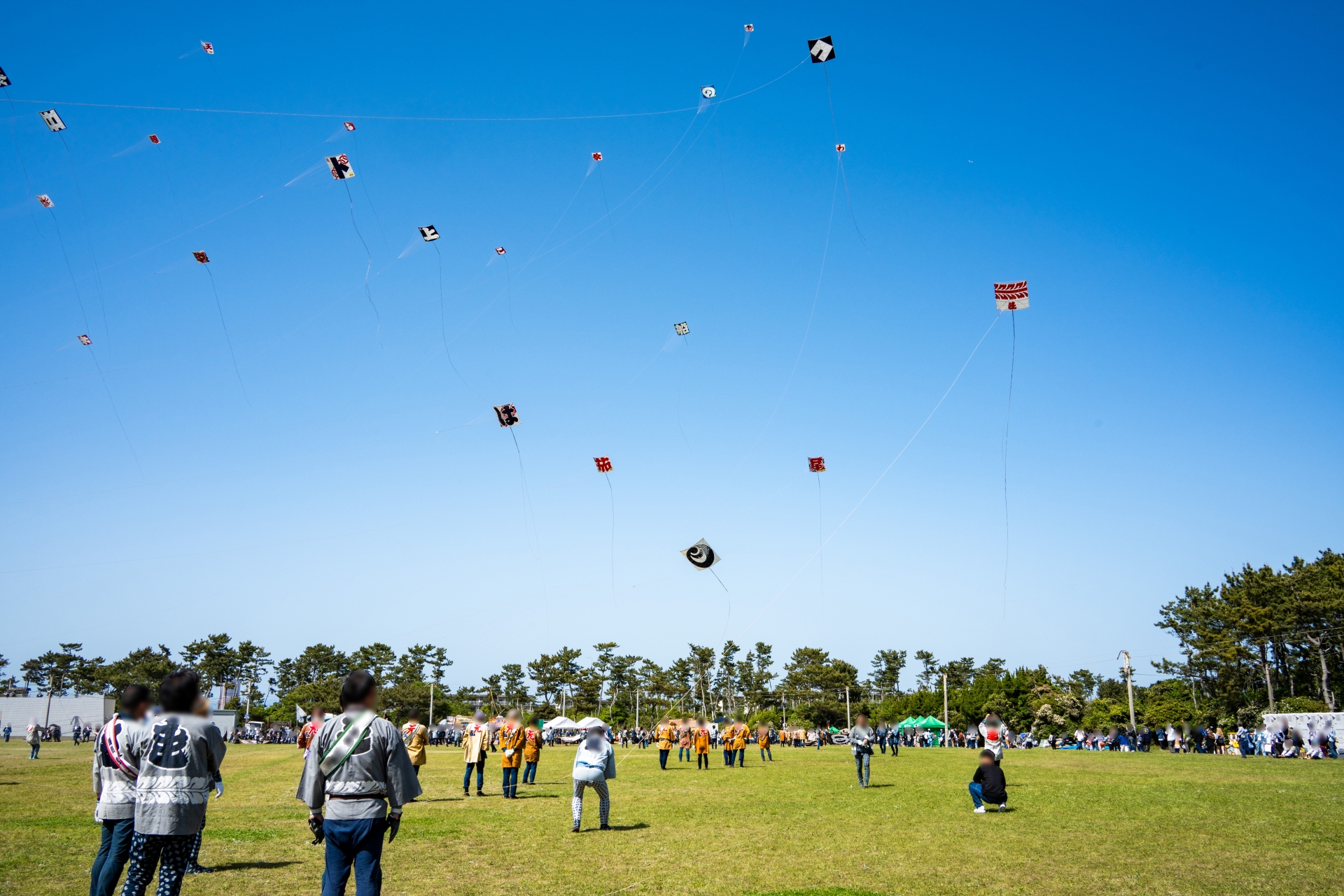
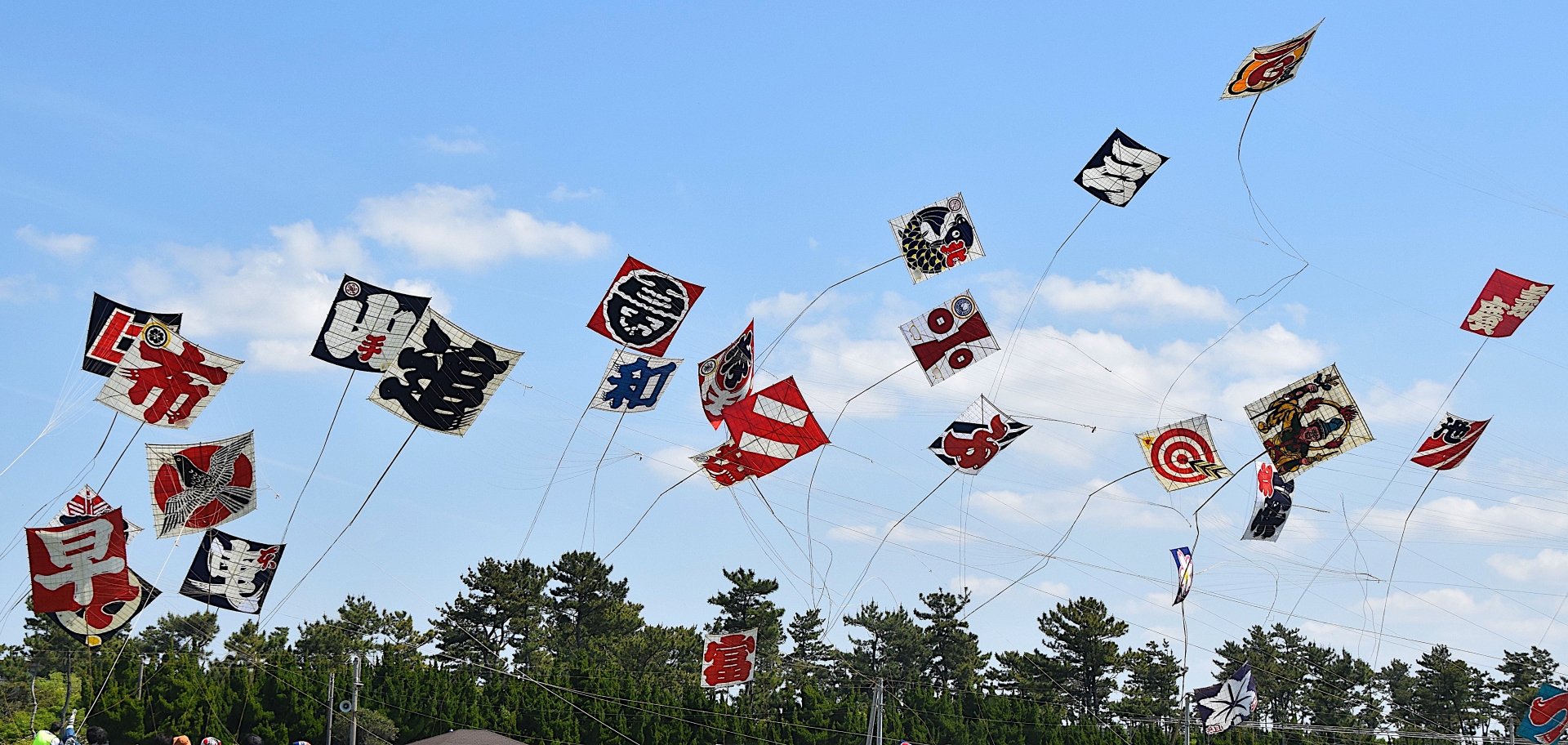
The first thing you notice isn't the sight of the kites—it’s the sound. It’s a low, haunting hum that vibrates right in your ribcage. They call it the 'unagi-bue' (eel whistle), and when hundreds of these massive 3.5-meter bamboo-and-paper kites are catching the Pacific gale at the Nakatajima Sand Dunes, it sounds like a swarm of angry gods. I remember standing there in 2021, squinting against the blowing sand, thinking I was just going to see some hobbyists. I was so wrong. This isn't a hobby; it's a war. The 'Tako-age Gassen' (kite battle) involves teams trying to tangle their hemp ropes with rivals and friction-burn them until they snap. It’s visceral, loud, and completely chaotic.nnI made the absolute rookie error of wearing mesh sneakers my first time. By noon, I was carrying an extra pound of sand in each shoe. Seriously. Don't do it. But honestly? I didn't care. Seeing a father hoist his newborn son onto his shoulders while his neighborhood team flies a 'Hatsu-dako' (first kite) in the boy's honor is one of those 'this is why I live in Japan' moments. The energy is infectious. You'll hear the 'Orasho!' chant over and over until it becomes the soundtrack to your dreams. Oh, and here's the thing: the dunes are massive, but the crowd is bigger. I once got separated from my friends for two hours because the cell service just gave up under the pressure of 50,000 people uploading Instagram stories at once. Trust me, pick a meeting spot—like the giant stone monument—before you even step onto the sand.nnIf you want to dive into the local culture without just wandering aimlessly, booking a local experience can help translate the chaos.
Top Choice for Night Parade
Stay Near Hamamatsu Station
The area around JR Hamamatsu Station is the heart of the night festivities. Staying here means you can walk to the palace float parade and skip the late-night train chaos. You'll be steps away from the best gyoza shops in the city.
Hotels in Hamamatsu sell out months in advance for Golden Week—book by January if you can.
Find Hotels ↗
is a solid way to find guides who actually know which neighborhood team is the one to watch. Each 'kumi' (neighborhood group) has their own colors and history, and having someone explain the rivalries makes the battles ten times more interesting. You'll see teams of fifty people sprinting across the sand, pulling ropes with enough force to lift a car. It’s not just a festival; it’s a display of pure, unadulterated community pride. You should definitely bring a bandana to cover your mouth, because when the wind picks up, you'll be eating sand for lunch otherwise. It’s messy, it’s exhausting, and it’s the most fun you’ll have in Shizuoka.
Don't just stand at the edge of the dunes. Walk toward the center where the 'kumi' (neighborhood groups) are stationed. It's louder, dustier, and you'll get a much better view of the kite-launching chaos.
What Most People Get Wrong: The Night is the Real Secret
Most tourists treat Hamamatsu Matsuri as a daytime event. They see the kites, get a face full of sand, and head back to Tokyo or Kyoto by 4 PM. Huge mistake. Huge. When the sun dips, the entire vibe of Hamamatsu city center shifts from 'competitive sports' to 'ethereal block party.' This is when the Goten Yatai—elaborately carved palace floats—come out to play. They are stunning. Think gold leaf, intricate woodwork, and lanterns that glow with a warmth you just don't get from LED lights. On top of that, the music changes from the roar of the dunes to the delicate, haunting melody of flutes and shamisen played by children sitting inside the floats.nnI actually prefer the night parade to the kite battles. The streets are filled with the rhythmic 'neri' dance, where hundreds of people in happi coats lock arms and whistle-march in a controlled, joyful scrum. I once got caught in the middle of a neri line and ended up dancing for three blocks with a group of grandpas who were surprisingly good at keeping the pace. It’s visceral. The smell of grilled yakisoba and Hamamatsu's famous gyoza (served with bean sprouts!) fills the air. You'll want to try the gyoza from a street stall, but the real pros know to find a spot with a short line early. nnSpeaking of staying late, you're going to want a base of operations that isn't a two-hour train ride away.
Expert Guided
Shizuoka Custom Private Tour
Navigate the complexity of Hamamatsu and surrounding Shizuoka with a local guide who can explain the neighborhood rivalries and kite-flying techniques. Perfect for getting the inside scoop on the best viewing spots.
Perfect for families or groups who want to see the kites without the stress of navigating the shuttle bus system alone.
Book Tour ↗
has the best listings for the hotels right near the station, which is crucial because after six hours of sand and three hours of night-parade dancing, your legs will be jelly. My favorite spot to watch the floats is the big intersection near Act City—the floats have to make these wide, sweeping turns there, and the teams really show off their skills. It's the best place for photos, but you'll be fighting for elbow room. Here's what most people miss: the floats aren't just for show. They represent the wealth and history of each district, and the competition to have the most beautiful float is just as fierce as the kite battles. You'll see people crying with joy when their float completes a particularly difficult turn. It’s pure emotion.
The 'neri' scrums look intimidating, but they are generally friendly. Just don't try to cut through the middle of a moving line—walk around the back of the group or you'll get a very polite but firm shoulder check.
How to Actually Plan This: Logistics and Survival
Alright, let's talk brass tacks. Hamamatsu is on the Tokaido Shinkansen line, so it’s easy to get to, but Golden Week (May 3-5) is the busiest travel period in Japan. If you show up at the station without a plan, you're going to have a bad time. First: the shuttle bus. It leaves from the south exit of Hamamatsu Station. The line looks like a nightmare—sometimes an hour long—but they move thousands of people surprisingly fast. Don't be that person who tries to walk to the dunes; it’s over 5km and the route is boring. Just suck it up and wait for the bus.nnSecond: The Sun. The dunes have zero shade. None. I got the worst sunburn of my life here in 2023 because I thought 'Oh, it's just May.' The sea breeze masks the heat until it's too late. You'll want to wear a hat with a chin strap, because the wind will steal a baseball cap in seconds. Third: Food. Hamamatsu is the gyoza capital of Japan. Do not leave without eating them. There are stalls everywhere, but the brick-and-mortar shops near the station like 'Mutsugiku' are legendary. Just be prepared to wait. I once waited 90 minutes for a plate of 20 dumplings, and I’d do it again tomorrow. nnAnd one more thing—the wind. If the wind is too low, the kites don't fly. If it's too high, they don't fly. It’s a gamble. But even if the kites stay grounded, the atmosphere at the dunes with the teams drinking beer and chanting is worth the trip. Wear layers, too. The dunes are hot at noon but freezing once the sun goes down and that Pacific wind starts biting. Pack a light jacket in your day bag. You'll thank me when you're watching the floats at 8 PM. Oh, and here's a final pro tip: the station toilets will have lines longer than the Great Wall. Use the facilities at a convenience store a few blocks away from the main drag to save yourself the agony. This festival is a marathon, not a sprint. Pace yourself, stay hydrated, and dive into the madness.
Buy your return shuttle bus ticket as soon as you arrive at the dunes. The line to buy tickets at the end of the day is a soul-crushing experience you want to avoid.